Best Film Cameras
Find the best film camera for your shooting style by comparing film format, exposure controls, and ease of use. Whether you’re new to analog photography or returning to film, consider how much control you want over each shot, along with the cost and availability of compatible film and developing services.
What to look for in film cameras
Choosing the best film camera for your photography style means comparing film formats, shooting controls, lens options, and ongoing costs.
1. Film Format
2. Exposure Controls
3. Lens Options
4. Film and Processing Costs
-
1

Kodak - Snapic A1 35mm Film Camera - Ivory White
About this product
An ivory white 35mm film camera featuring a 25mm glass lens, double exposure mode, and built-in flash.
(0)$103.17Your price for this item is $103.17SAVE $6.82 -
2

Bower - Camera for 35mm Film, Reusable, Focus Free, Lightweight - Black
About this product
A lightweight, reusable black 35mm film camera with a focus-free lens, built-in flash, and authentic leather detailing.
(0)$19.99 Your price for this item is $19.99 -
3

Kodak - Snapic A1 35mm Film Camera - Rhino Gray
About this product
A modern rhino gray 35mm film camera with wide-angle glass lens, double exposure mode, and OLED display.
(0)$103.17Your price for this item is $103.17SAVE $1.82 -
4

Fujifilm - instax mini 99 Instant Film Camera - Black
About this product
A matte black instant film camera offering six color effects, five shooting modes, and manual vignette control.
What customers like
(33)$234.99 Your price for this item is $234.99 -
5
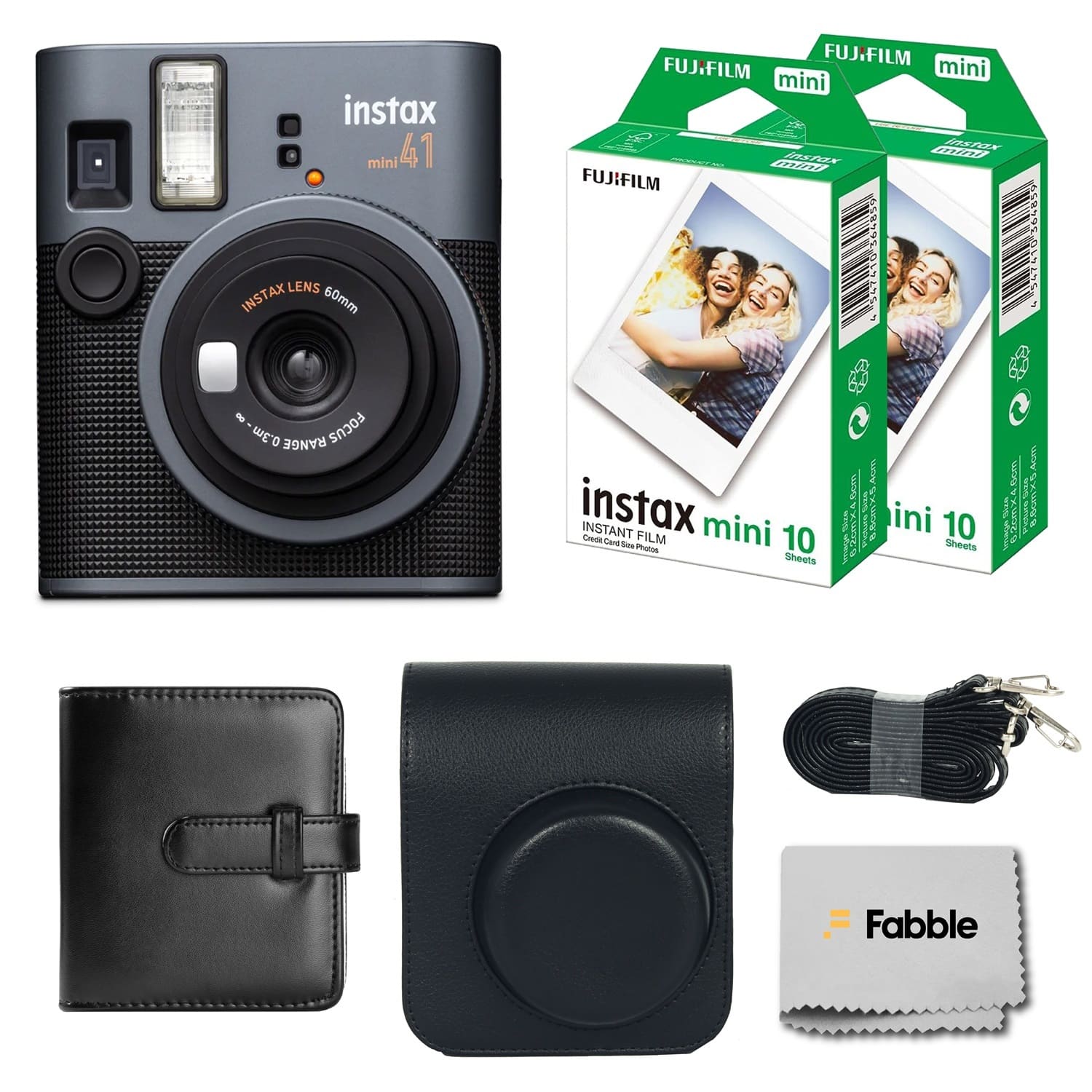
Bundle - Fujifilm - Instax Mini 41 Instant Film Camera with Groovy Case, Twin Pack Film 20 Sheets, Photo Album 32 Photos
About this product
An instant print camera bundle with automatic exposure, retro styling, case, 20-sheet film, and photo album.
(0)$149.95 Your price for this item is $149.95 -
6

Fujifilm - QuickSnap Flash 400 Single-Use Camera with Flash
About this product
A compact single-use camera with built-in flash, capturing 27 sharp photos for easy outdoor photography.
What customers like
(183)$21.99 Your price for this item is $21.99 -
7

Fujifilm - QuickSnap Disposable Waterproof Film Camera - Blue
About this product
A waterproof blue film camera ideal for underwater and outdoor photography, preloaded with 35mm Superia film.
What customers like
(0)$22.95Your price for this item is $22.95SAVE $7.65 -
8
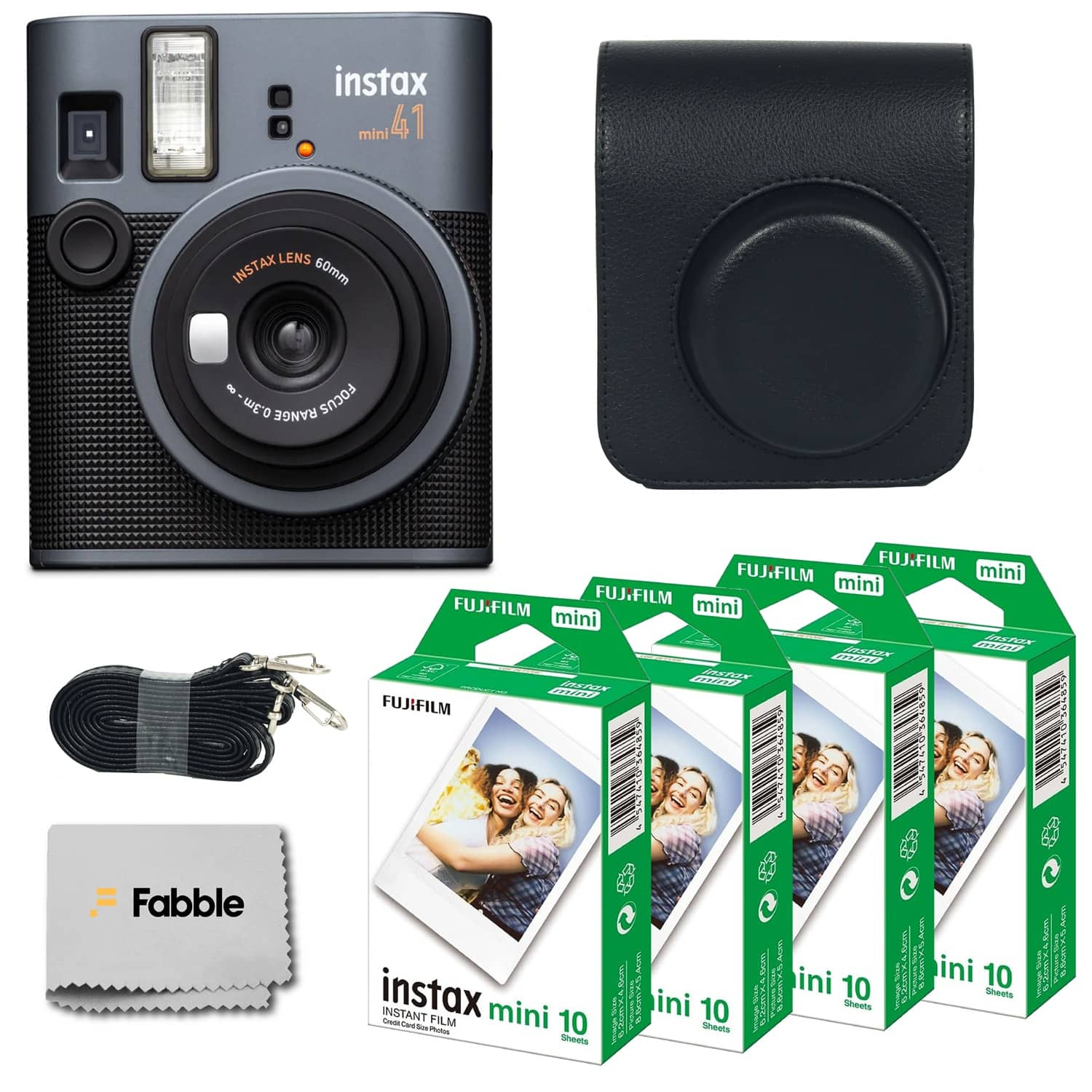
Bundle - Fujifilm - Instax Mini 40: Camera, Groovy Case, 40 Film Sheets & Cleaning Cloth - Black
About this product
An instant print camera bundle with autofocus, automatic exposure, 40 film sheets, case, and cleaning cloth.
(0)$159.95 Your price for this item is $159.95 -
9
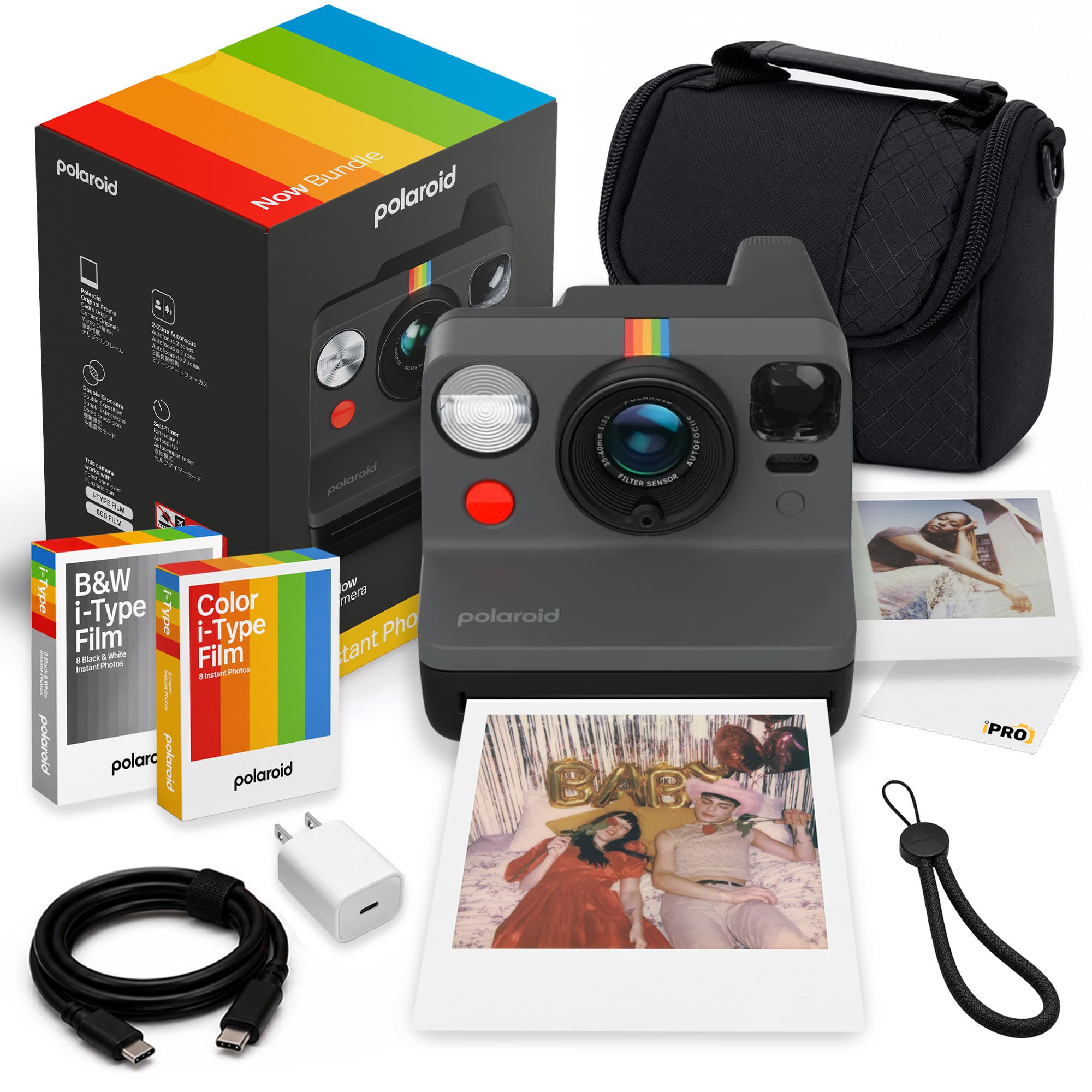
Bundle - Polaroid - Now Generation 3 i-Type Instant Camera in Black Star
About this product
A black instant camera bundle with dual-lens autofocus, USB-C charging, and included color and black-and-white film.
(0)$184.95 Your price for this item is $184.95 -
10

Bundle - Fujifilm - Instax Wide Evo Hybrid Instant Film Camera + Wide Instant Film + More
About this product
A hybrid instant film camera in black and gray offering 16MP photos, creative effects, and Bluetooth sharing.
(0)$449.95Your price for this item is $449.95SAVE $5.00
Best Film Cameras
FAQs
An SLR film camera lets you compose through the lens that takes the photo and often supports interchangeable lenses and manual controls. A point-and-shoot film camera typically has a fixed lens and automates more settings for a simpler shooting experience.
Manual film cameras let you set aperture and shutter speed yourself. Automatic models choose one or both settings, usually with help from a built-in light meter. Some film cameras also offer aperture-priority or shutter-priority modes, which let you select one setting while the camera adjusts the other.
ISO describes a film’s sensitivity to light. Lower-ISO film generally needs more light and produces finer grain, while higher-ISO film accommodates lower-light conditions and typically shows more grain. Unlike with a digital camera, changing the ISO setting does not change the sensitivity of the film already loaded.
Most reusable film cameras can take either color or black-and-white photos when loaded with compatible film. The film determines whether the images are color or black-and-white, rather than a camera setting. You generally finish and unload one roll before switching to another film type.
Exposed film first needs chemical processing appropriate to its film type. Once developed, the negatives or slides can be scanned to create digital files. You can have a photo lab handle processing and scanning, or scan developed film yourself with suitable equipment.