Deals for every list.Start early, save early.Shop now

Skip to contentGo to Product Search
Main Content
Skip to contentGo to Product Search

Deals for every list.Start early, save early.Shop now

Main Content

Best Interconnect Cables

Find the best interconnect cables for your setup by matching your equipment’s input and output connections. Compare connector types, cable lengths and supported signal formats to choose a compatible connection for your audio or video components, with enough length to reach between devices without excess slack.

What to look for in interconnect cables

Choosing the best interconnect cables starts with matching your equipment’s connections, signal requirements and placement.

1. Connection Compatibility

Check the output on your source device and the input on your receiving equipment to identify the connector type you need, such as RCA, XLR or optical. Make sure both cable ends match the intended ports, since similar-looking connections can serve different purposes.

2. Signal Type

Determine whether your equipment uses analog or digital audio, then choose a cable designed for that signal. For balanced audio connections, confirm that both devices support balanced operation rather than relying on connector shape alone.

3. Cable Length

Measure the actual routing distance between devices, allowing enough slack to avoid pulling on ports or making sharp bends. For longer runs, check your equipment’s guidance and the cable’s specifications for the intended signal and distance.

4. Shielding and Durability

For analog audio connections, effective shielding can help reduce interference from nearby electronics and power cables. Look for secure-fitting connectors and strain relief where the cable meets each plug, especially if you frequently move or reconnect equipment.

  1. 1

    About this product

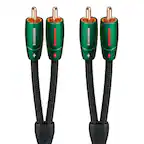
    An analog audio cable with solid long-grain copper conductors for clear sound, in green on black.

    An analog audio cable with solid long-grain copper conductors for clear sound, in green on black.

    What customers like

    • Reliable and easy connection
    • Durable and well-made
    • Eliminates noise and interference
    • Excellent audio quality
    • Good value for money
    (103)
    $139.95 Your price for this item is $139.95
  2. 2

    About this product

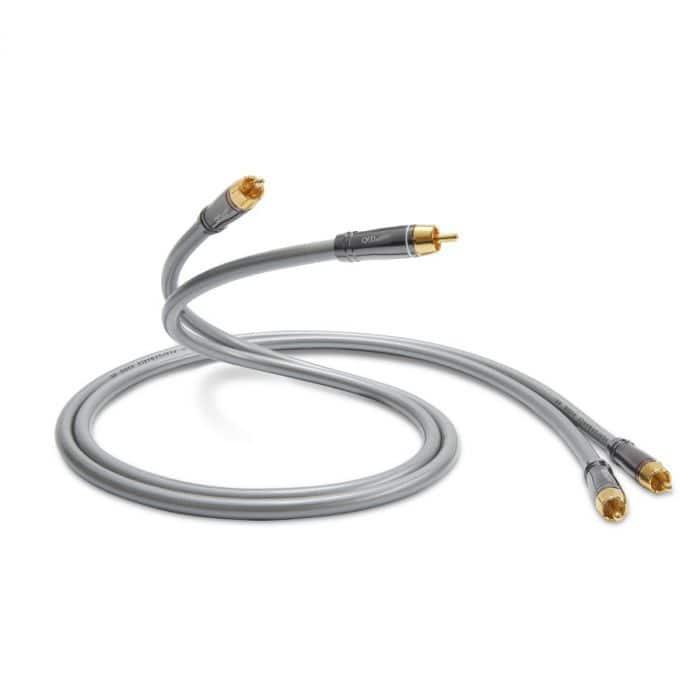
    An audiophile interconnect featuring silver-plated and oxygen-free copper conductors for clear, immersive sound.

    An audiophile interconnect featuring silver-plated and oxygen-free copper conductors for clear, immersive sound.

    (0)
    $179.00 Your price for this item is $179.00
  3. 3

    About this product

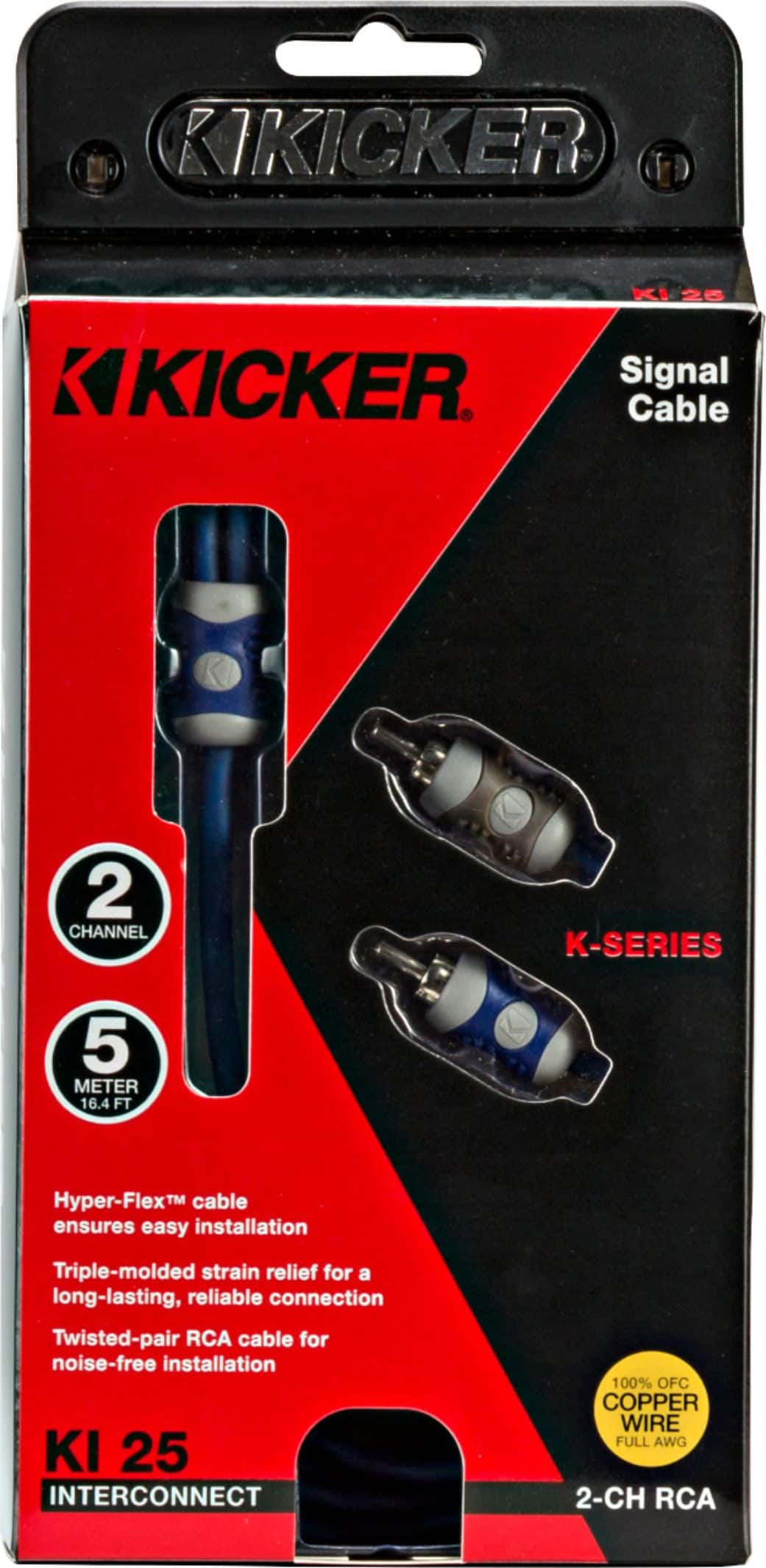
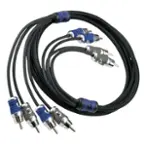
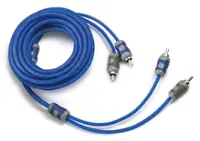
    A blue RCA audio cable featuring dual-mold connectors and OFC wire for clear, high-quality sound.

    A blue RCA audio cable featuring dual-mold connectors and OFC wire for clear, high-quality sound.

    What customers like

    • Clear and crisp sound quality
    • Good value and affordable price
    • Effectively blocks interference and noise
    • Durable and well-built construction
    • Flexible and easy to install
    (302)
    $23.99 Your price for this item is $23.99
  4. 4

    About this product

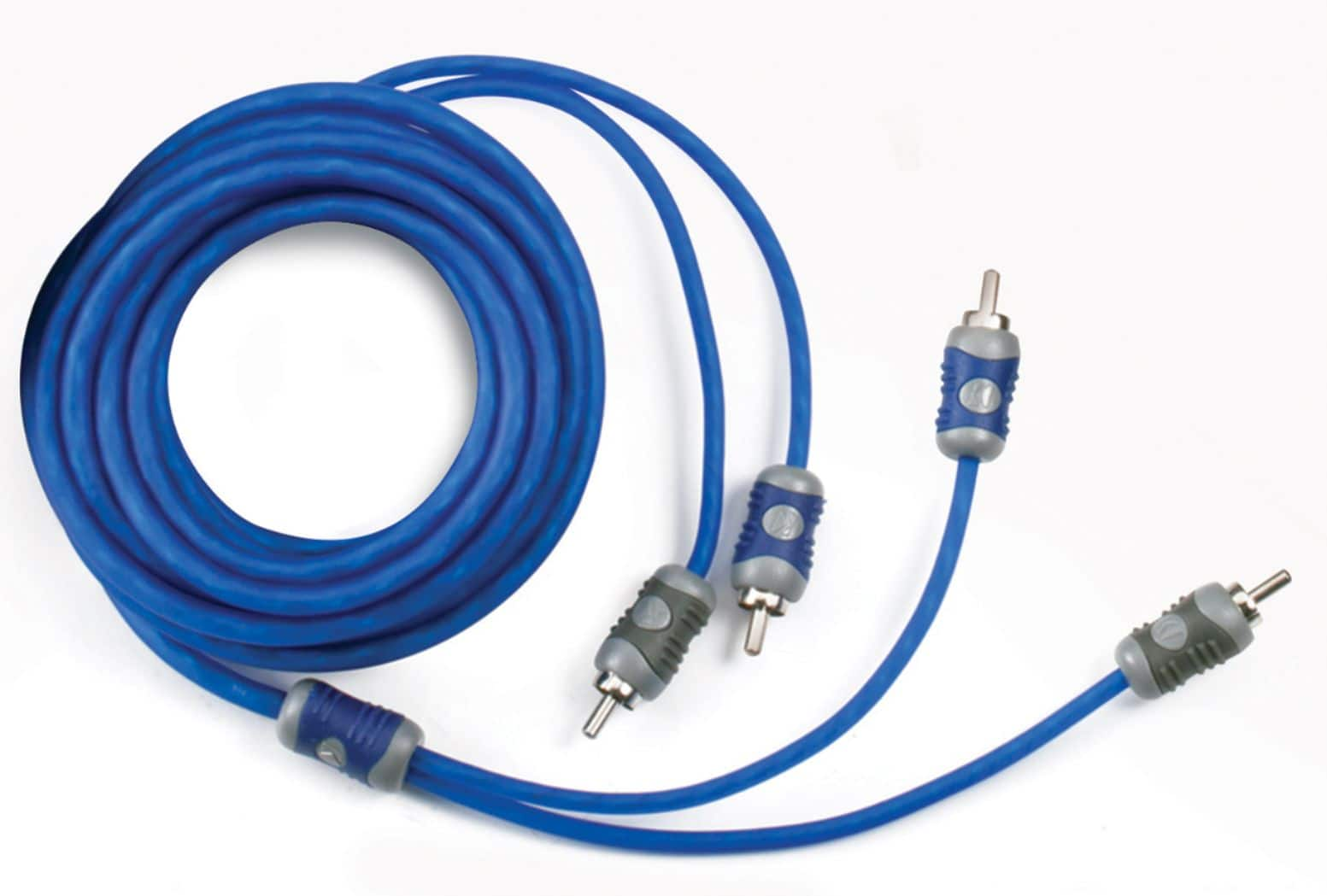
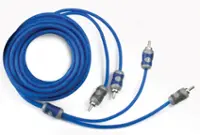
    A flexible blue RCA audio cable with dual-mold connectors and OFC wire for clear, powerful sound.

    A flexible blue RCA audio cable with dual-mold connectors and OFC wire for clear, powerful sound.

    What customers like

    • Durable and well-made
    • Good value for the price
    • Reduces interference and noise
    • Flexible and easy to use
    • Excellent sound quality
    (302)
    $15.99 Your price for this item is $15.99
  5. 5

    About this product

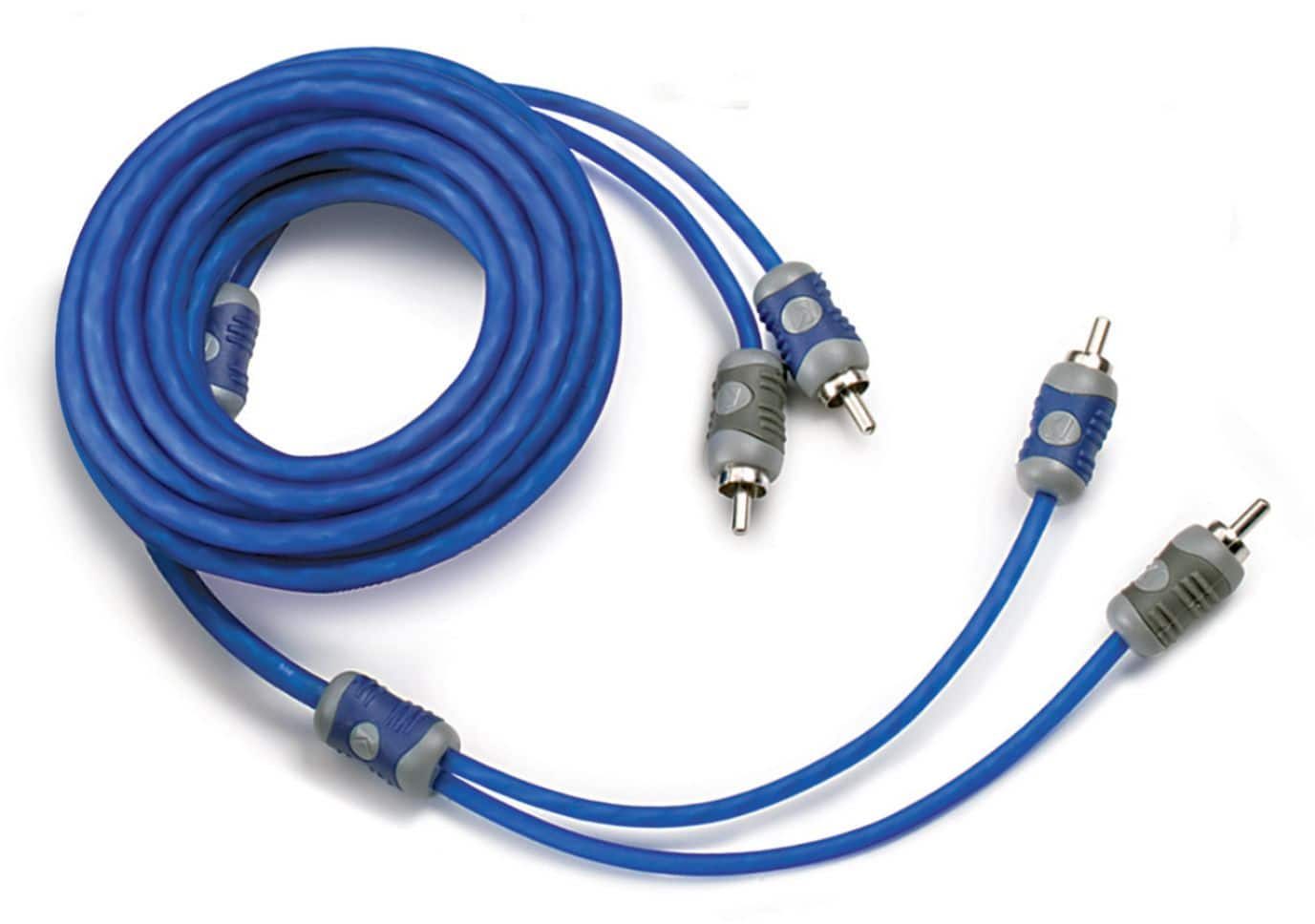
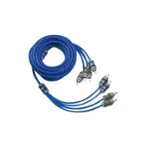
    A blue RCA audio cable featuring OFC wire, dual-mold connectors, and a flexible jacket for easy installation.

    A blue RCA audio cable featuring OFC wire, dual-mold connectors, and a flexible jacket for easy installation.

    What customers like

    • Durable and well-made
    • Great value for the price
    • Easy installation and routing
    • No unwanted noise or interference
    • Excellent sound quality
    (302)
    $19.99 Your price for this item is $19.99
  6. 6

    About this product

    A multi-colored RCA cable featuring pure copper conductors and 24K gold-plated connectors for optimal audio.

    A multi-colored RCA cable featuring pure copper conductors and 24K gold-plated connectors for optimal audio.

    What customers like

    • Excellent performance
    • No humming or interference
    • Ideal for long distance use
    (57)
    $59.99 Your price for this item is $59.99
  7. 7

    About this product

    An analog RCA audio cable in silver on black, featuring Air-Tube insulation and advanced noise dissipation.

    An analog RCA audio cable in silver on black, featuring Air-Tube insulation and advanced noise dissipation.

    (1)
    $1,799.95 Your price for this item is $1,799.95
  8. 8

    About this product

    A multi-colored RCA cable featuring pure copper conductors and 24K gold-plated connectors for superior audio clarity.

    A multi-colored RCA cable featuring pure copper conductors and 24K gold-plated connectors for superior audio clarity.

    What customers like

    • Snug connections
    • Clear and high-quality sound
    • Excellent replacement quality
    • Great value for money
    • Solid and durable construction
    (57)
    $39.00
    SAVE $10.99
    Your price for this item is $39.00
  9. 9

    About this product

    A multi-colored RCA cable featuring pure copper conductors and 24K gold-plated connectors for optimal audio clarity.

    A multi-colored RCA cable featuring pure copper conductors and 24K gold-plated connectors for optimal audio clarity.

    What customers like

    • Sturdy, well-built, and durable construction
    • Effective shielding and insulation for clear signal
    • Great value for the price
    • Excellent audio clarity and sound quality
    • Secure, high-quality gold-plated connectors
    (57)
    $29.00
    SAVE $10.99
    Your price for this item is $29.00
  10. 10

    About this product

    An award-winning audio interconnect featuring solid complementary oxygen-free and silver-plated copper conductors for immersive, interference-reduced...

    An award-winning audio interconnect featuring solid complementary oxygen-free and silver-plated copper conductors for immersive, interference-reduced sound.

    (0)
    $999.00 Your price for this item is $999.00

Best Interconnect Cables

The best interconnect cables are the ones that match a system’s connections, carry the intended signal reliably, and fit comfortably between components without pulling on their ports. In a home stereo, desktop listening setup, or recording space, Audio Interconnect Cables transfer signals between equipment such as source components, digital-to-analog converters, preamplifiers, receivers, and powered speakers. These connections differ from speaker cables, which carry an amplifier’s output to passive speakers. Analog RCA interconnects commonly connect home audio components, with separate plugs carrying the left and right stereo channels. Red typically identifies the right channel, while white or black identifies the left. Balanced XLR interconnects are common in recording equipment, powered monitors, and compatible home audio systems. With balanced outputs and inputs, they help reject interference picked up along the cable, making them useful when components sit farther apart or share a space with other electronics. Quarter-inch TRS connections can also carry balanced audio, although the same connector shape may serve an unbalanced stereo headphone connection; the equipment’s port specifications determine its function. Connector shape alone does not establish compatibility. A cable that physically fits may still carry the wrong signal type or require a different wiring arrangement. Similarly, an RCA-style connector can carry either analog audio or coaxial digital audio, depending on the equipment and cable design. Coaxial digital connections call for cable designed around a 75-ohm characteristic impedance, while optical digital connections use light rather than an electrical conductor. These distinctions matter when linking a television to an audio system, placing powered speakers beside a computer, or connecting a separate music source to a receiver. Reliable interconnects preserve the signal supplied by the equipment; they do not create information missing from a recording or replace the functions of a converter, preamplifier, or amplifier. For a straightforward stereo system, compatible connectors and dependable construction generally matter more than elaborate claims about a cable’s sonic character.

Materials and construction influence how an interconnect handles everyday use, electrical interference, and repeated connections. Copper is a common conductor material because it conducts electricity well and remains practical for flexible cable designs. Oxygen-free copper and silver-plated copper also appear in audio cable construction, but a material name by itself does not establish an audible improvement. Conductor size, shielding, capacitance, termination quality, and compatibility with the connected equipment provide more useful context. Braided shielding, foil shielding, or a combination of the two can help limit interference, with effectiveness depending on the cable’s design and the type of interference present. A decorative woven outer jacket is not necessarily an electrical shield; it may primarily provide abrasion resistance and a particular feel. Balanced cables typically use paired signal conductors, allowing a balanced input to reject noise that reaches both conductors similarly. That benefit depends on the equipment at both ends, so an adapter does not automatically turn an unbalanced connection into a balanced one. For ordinary line-level connections over practical household distances, well-constructed cables should deliver clean, consistent results without imposing a distinct tonal signature. Turntables deserve separate consideration because a cartridge’s low-level output can be more sensitive to noise and electrical loading. With some moving-magnet cartridges, cable capacitance contributes to the total load specified by the cartridge manufacturer. A separate ground lead may also be part of the turntable connection. A turntable with an enabled built-in phono preamplifier instead provides a line-level signal for an appropriate input. At the connector itself, a secure termination, effective strain relief, and a housing that is comfortable to grip support durability. Gold-plated contacts resist corrosion, but plating alone does not guarantee a stronger connection or better sound. A snug, correctly sized plug should remain seated without requiring excessive force, and a substantial connector housing still needs enough clearance around neighboring ports.

Fit becomes especially noticeable once components are arranged on a shelf, tucked into a media cabinet, or spread across a work surface. A cable needs enough length to follow its actual route, including bends around shelves and enough slack to move a component forward for access. Excess cable can create clutter, while an overly short run can place continuous tension on a socket. Compact or right-angle connectors may suit equipment close to a wall, provided their orientation works with the port layout. Flexible jackets are useful behind crowded receivers and desktop speakers, where a stiff cable can push against nearby connections. In a recording space, durable jackets and secure connectors help accommodate equipment that moves more often. For a dedicated listening setup that rarely changes, unobtrusive routing and connections that stay firmly seated may be the priorities. Keeping analog signal cables separated from power cords, power adapters, and dimmer-controlled wiring where practical can reduce opportunities for interference; where paths must cross, a roughly right-angle crossing can help limit coupling. Persistent hum can also originate in a grounding arrangement rather than a damaged interconnect, so replacing the cable alone may not address it, and protective electrical grounding should remain intact. Everyday care is straightforward: connections are best handled by the plug housing rather than by pulling the cable, and locking connectors need their release mechanism disengaged before removal. Gentle coils prevent the sharp kinks that can stress conductors and shielding, while avoiding pinching beneath furniture helps protect the jacket. Clean, dry connector surfaces support dependable contact, and a cable with exposed conductors, a cracked housing, or an intermittent connection warrants replacement. For concealed installations, the jacket must carry the rating required for the intended location and applicable codes; an attractive braided covering is not a substitute for an in-wall rating. Whether supporting a musician’s recording desk, a movie enthusiast’s component rack, or a compact listening corner, the most useful interconnects combine the correct electrical design with manageable length, accessible connectors, and construction suited to how the system is used.

FAQs