Best Stereo Speakers
-
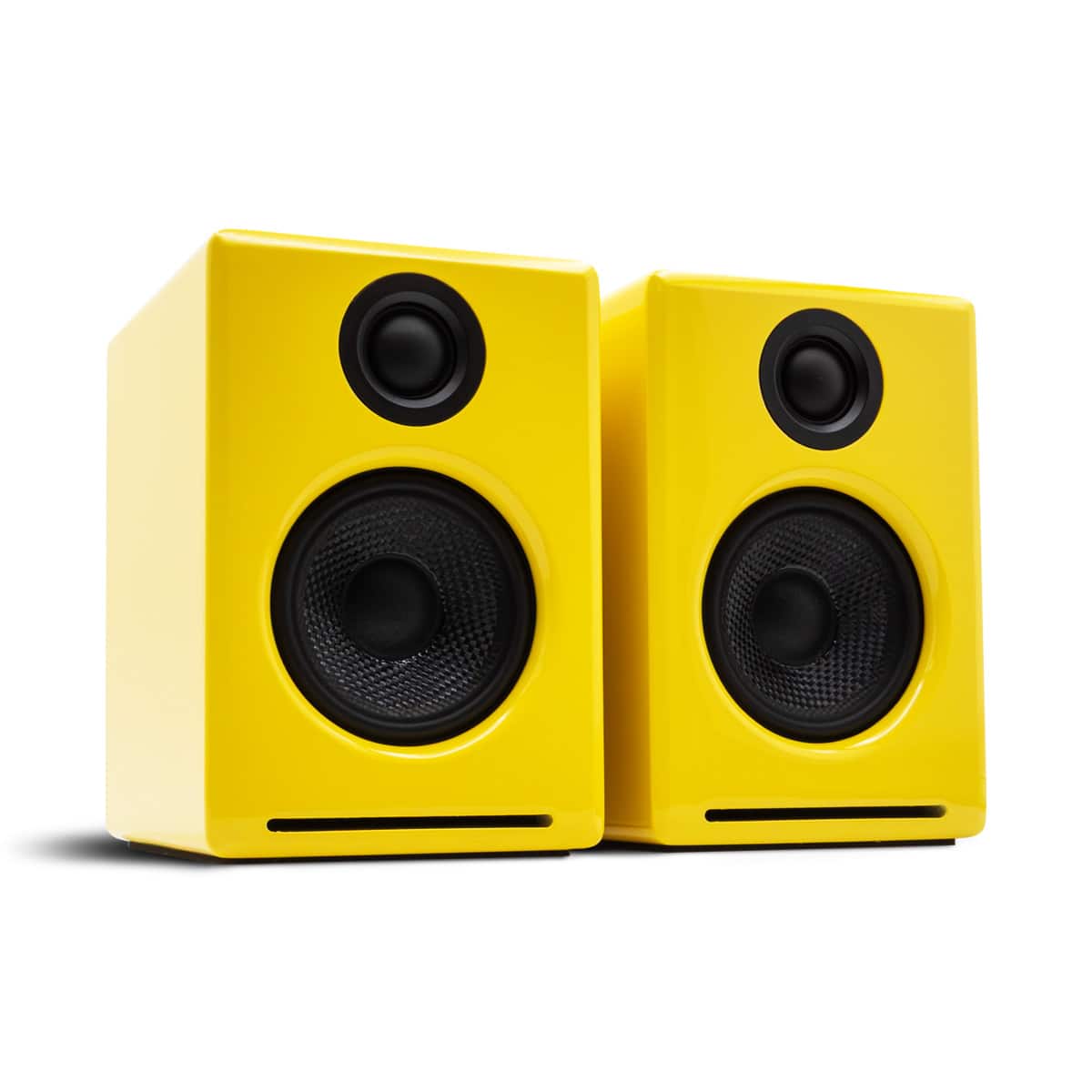
Audioengine - A2+ 2026 Color of the Year Edition w/ Bluetooth aptX-HD - Limoncello Yellow
SKU: J3RQT479GFSee all Bookshelf SpeakersProduct Description
A pair of limoncello yellow, hand-finished wood speakers delivering 24-bit Hi-Fi audio with Bluetooth aptX-HD.Your price for this item is $299.00 -
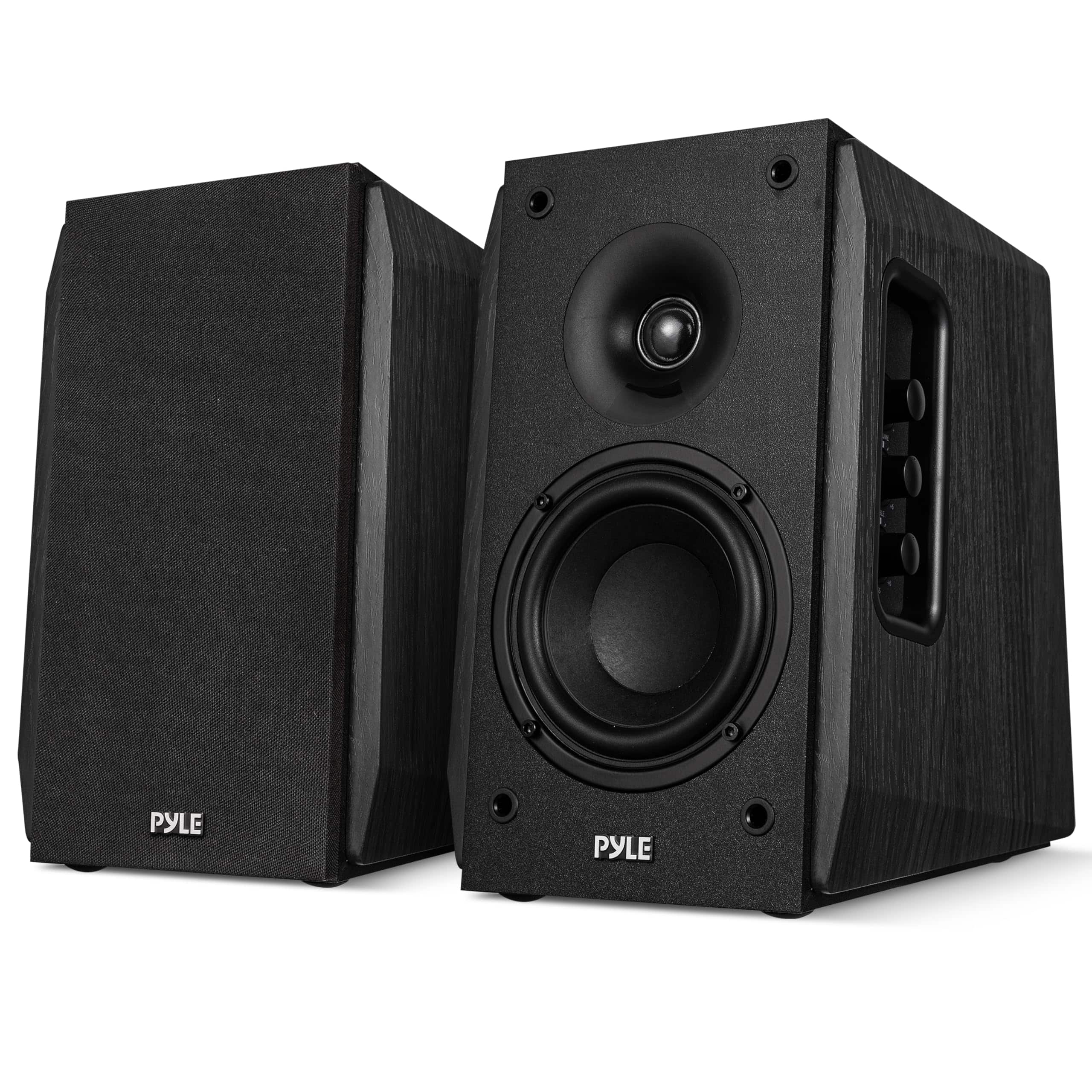
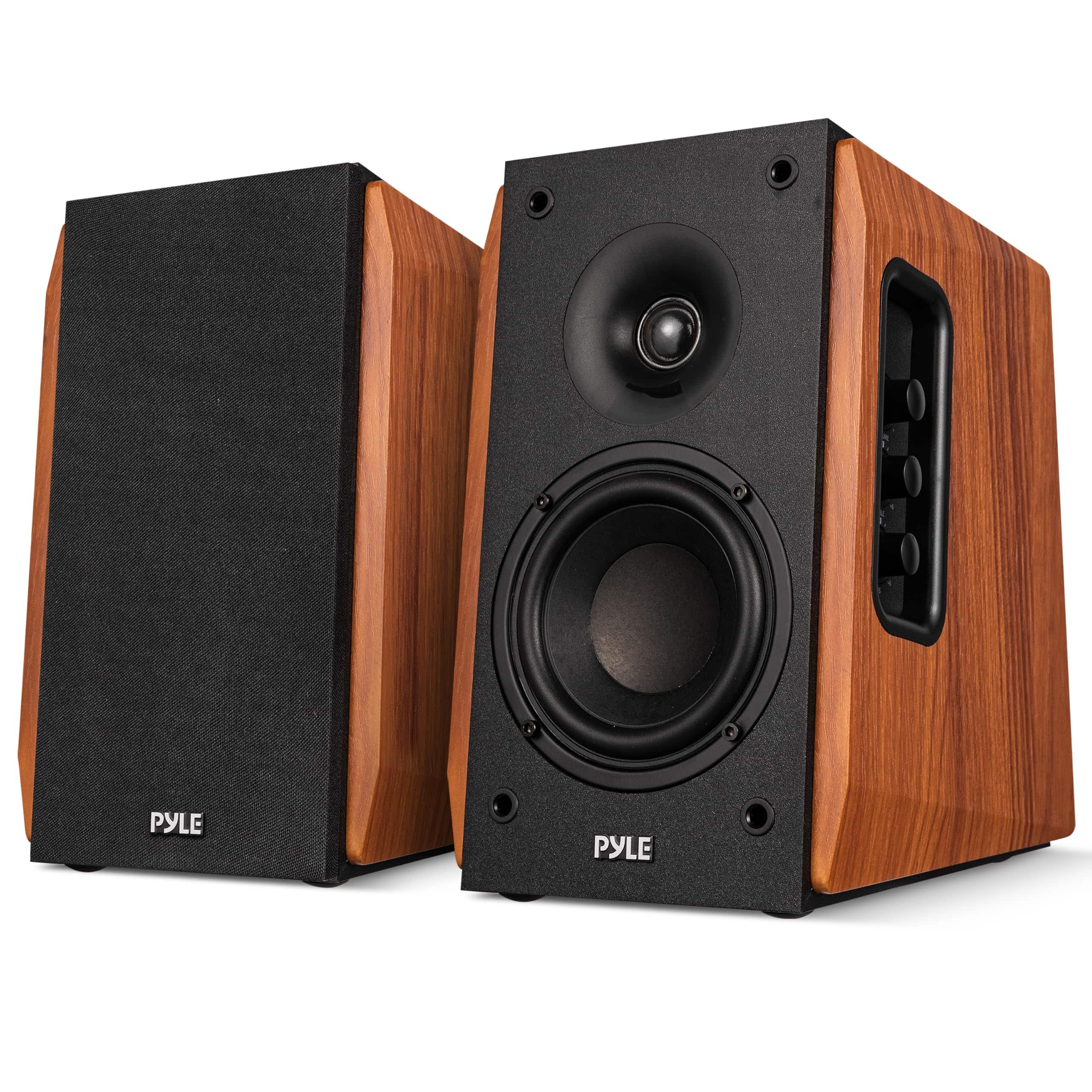
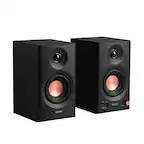
Pyle - Powered Bookshelf Speaker System with Bluetooth, 80W Active Stereo Speakers, Bass Reflex Natural Wood Cabinet
SKU: J36C98649YSee all Bookshelf SpeakersProduct Description
A natural wood-cabinet stereo speaker system offering 80W Bluetooth audio, deep bass, and versatile connectivity options.Your price for this item is $130.99 -
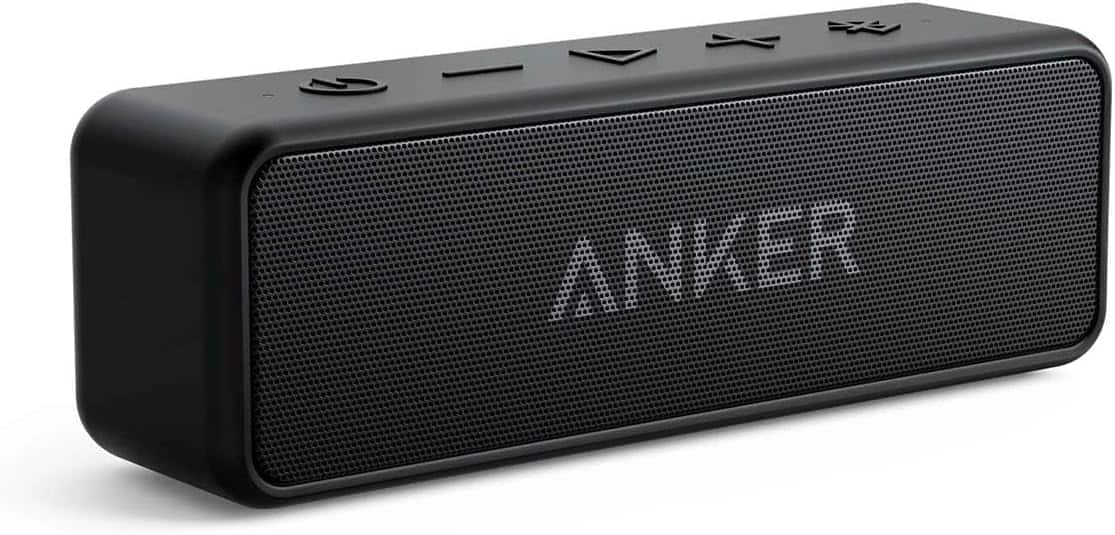
Anker Soundcore 2 Portable Bluetooth Speaker with 12W Stereo Sound - Black
SKU: J36FHSLCGWGreat Portable Speaker Choice...I saw this speaker on a Best Buy deal and didn’t recognize the brand but it had good reviews....Great Speaker...Great for personal use...I personally use for my gaming...
See all Bluetooth & Wireless SpeakersProduct Description
A portable black Bluetooth speaker delivering 12W stereo sound, IPX7 waterproofing, and 24-hour playtime.Your price for this item is $44.99 -
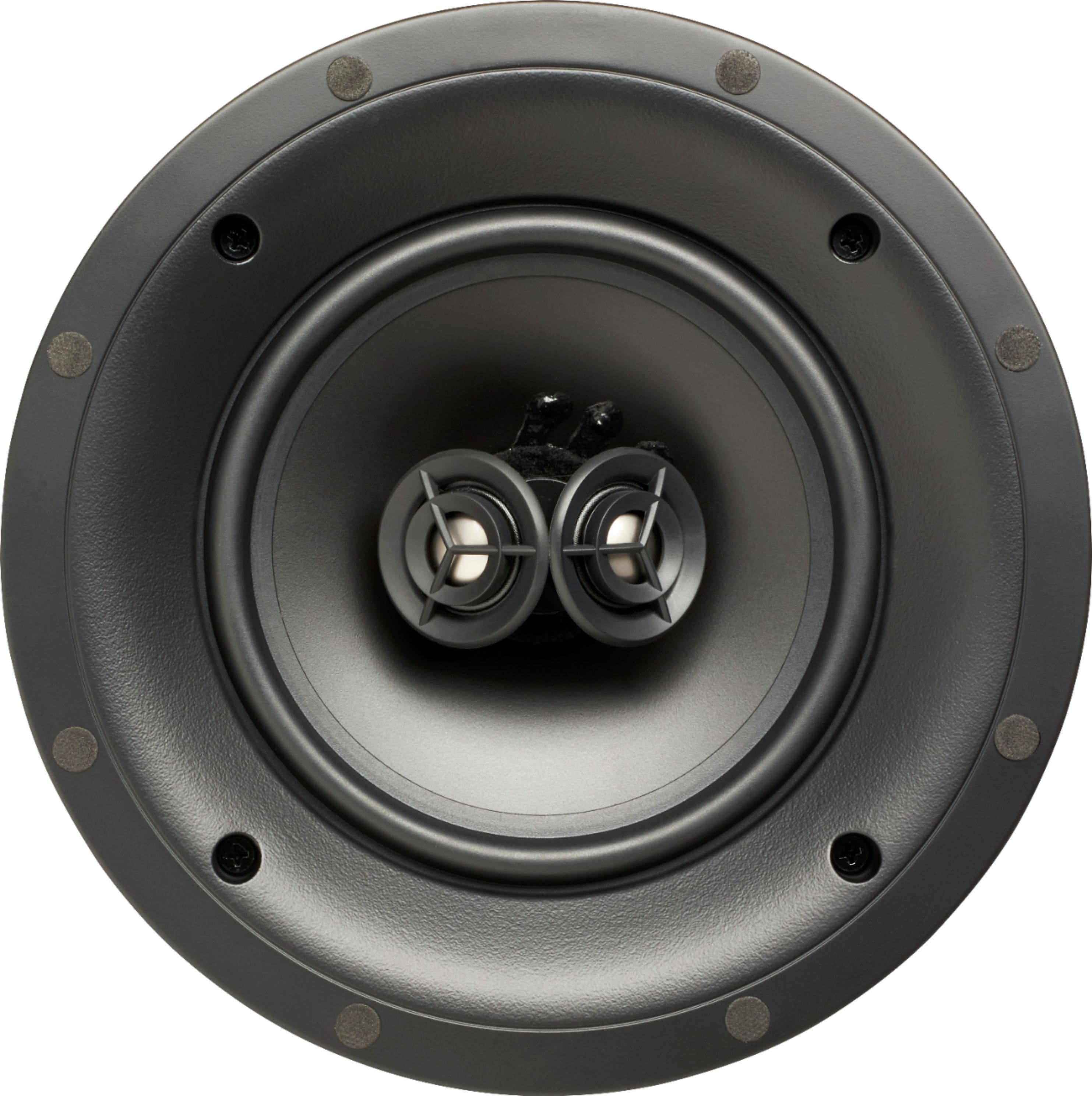
MartinLogan - Installer 6-1/2" 100-Watt Passive 2-Way In-Ceiling Speaker (Each) - White
SKU: J3GW8RF6YFLove how my wife keeps looking up to see what is making that sound, she just isn’t used to hearing sounds...Love them had geek squad install them and it all looks and sounds perfect....Best Buy ever
See all In-Ceiling SpeakersProduct Description
A white in-ceiling 2-way speaker with 100-watt power and micro-perforated grille for immersive audio.Your price for this item is $299.99 -
Pyle - Powered Bookshelf Speaker System with Bluetooth, 80W Active Stereo Speakers, Bass Reflex Natural Wood Cabinet
SKU: J36C98649HSee all Bookshelf SpeakersProduct Description
A natural wood Bluetooth speaker system delivering 80W hi-fi stereo sound with deep bass and versatile connectivity.Your price for this item is $129.99 -
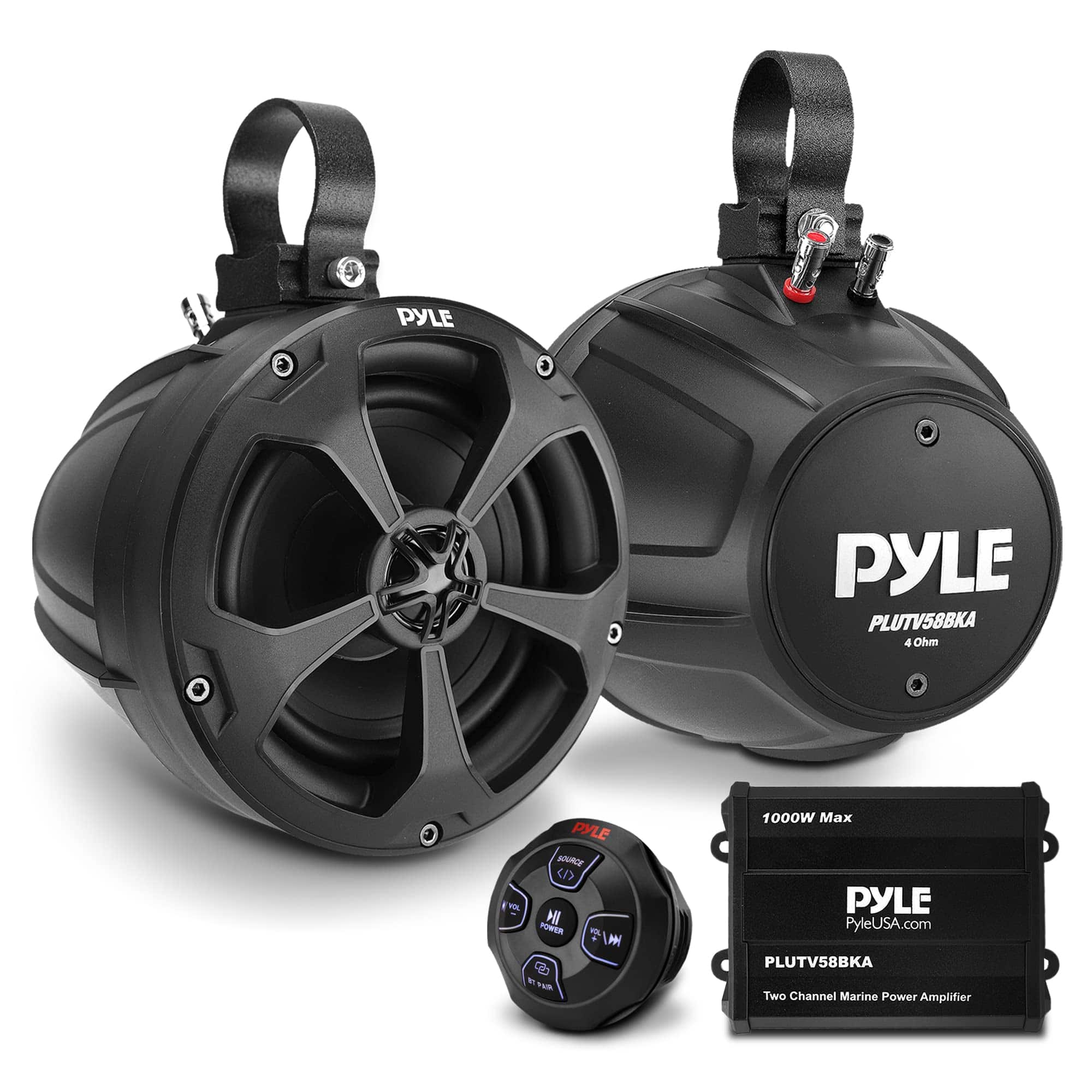
Pyle - PLUTV58BKA 5.25” Water-Resistant Marine Speaker, 1000W, Wireless BT Audio Controller for ATV/Boat
SKU: J36C98S9T4See all Car SpeakersProduct Description
A pair of black water-resistant speakers with 1000W power and wireless Bluetooth audio control for marine use.Your price for this item is $249.99 -
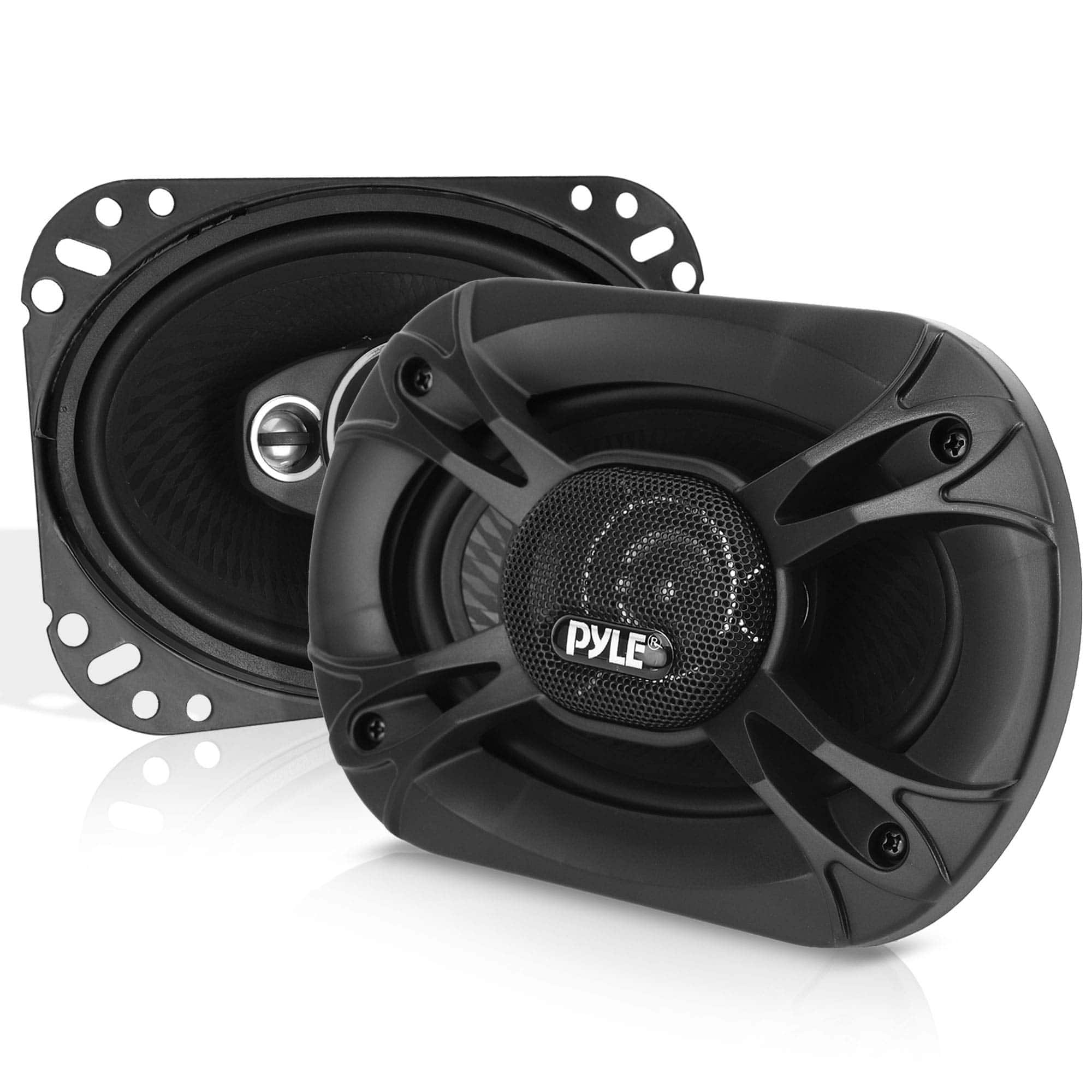
Pyle - PL6183BK 3-Way Universal Car Stereo Speakers, 400W, 6” x 8” Triaxial, Quick Replacement (Pair)
SKU: J36C98Y5KLSee all Car SpeakersProduct Description
A pair of black 3-way triaxial car speakers delivering 400W peak power and quick OEM replacement.Your price for this item is $41.99 -
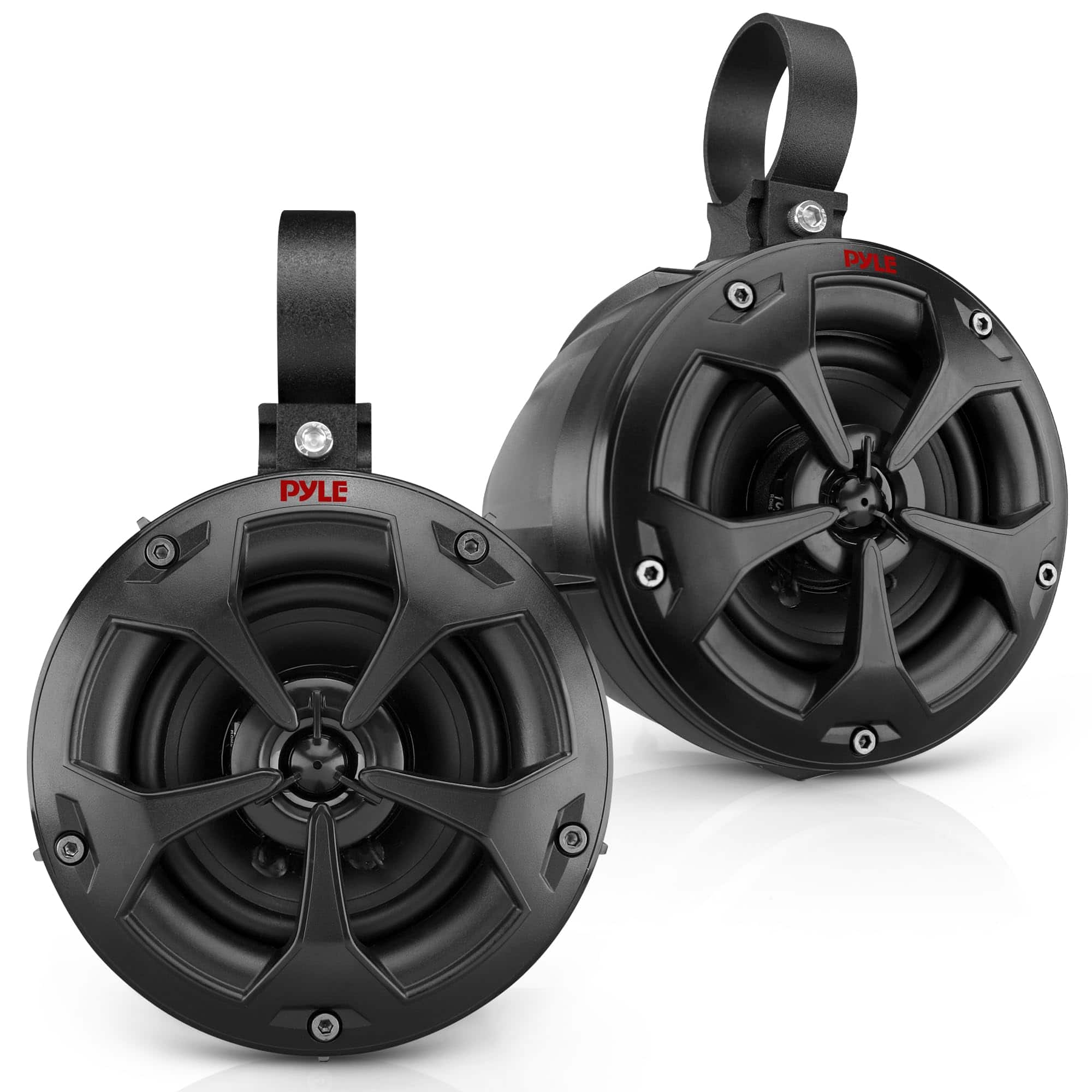
Pyle - 2-Way Dual Off-Road Speakers, 4" 800 Watt Marine Grade Speakers System Outdoor Audio Stereo Speaker for ATV, etc.
SKU: J36C98LKC5See all Marine SpeakersProduct Description
A pair of black, waterproof 4" marine-grade speakers delivering 800 watts for powerful outdoor audio.Your price for this item is $91.99 -
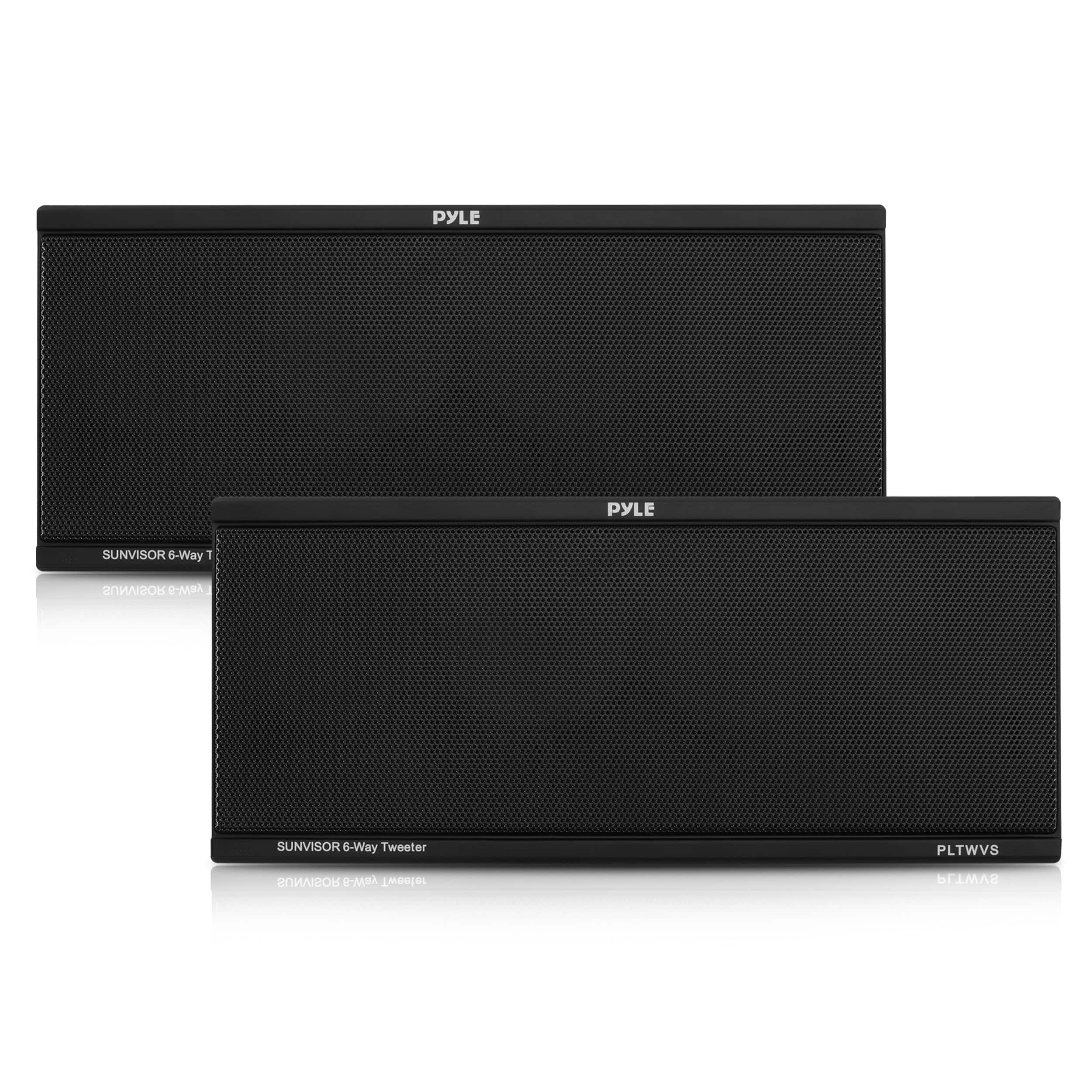
Pyle - PLTWVS 6-Way Car Stereo Speaker System, 200W, Piezo Midrange, Tweeter, Sun Visor Mount (Pair)
SKU: J7SGX329WKSee all Car SpeakersProduct Description
A black 6-way car stereo speaker system with 200W power, piezo midrange, tweeter, and sun visor mount.Your price for this item is $25.99
Best Sellers
Related Pages
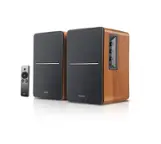

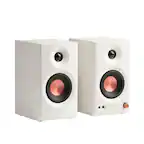
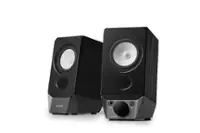

FAQ
When choosing stereo speakers, consider features such as frequency response, sensitivity, connectivity options (Bluetooth, wired, wireless), build quality, and compatibility with your audio system. Additional features like built-in amplifiers, voice assistant support, and customizable sound settings can also enhance your listening experience.
Yes, most stereo speakers can be connected to TVs or computers via auxiliary (3.5mm) cables, RCA connectors, optical ports, or Bluetooth, depending on the speaker model and the available outputs on your device. Always check your device's compatibility with the speakers before purchasing.
Bookshelf stereo speakers can be an excellent choice for home theater systems, especially in smaller rooms. They deliver clear and balanced sound and can be paired with a subwoofer or additional speakers for a more immersive surround sound experience.
Passive stereo speakers require an external amplifier or receiver to produce sound, while powered (active) speakers have a built-in amplifier and can connect directly to audio sources. Powered speakers are often more convenient for plug-and-play setups, while passive speakers offer more flexibility for customization.
For optimal sound, place your stereo speakers at ear level and form an equilateral triangle with your listening position. Avoid placing speakers too close to walls or corners, as this can affect bass response. Experiment with angling the speakers slightly inward (toe-in) to enhance stereo imaging.