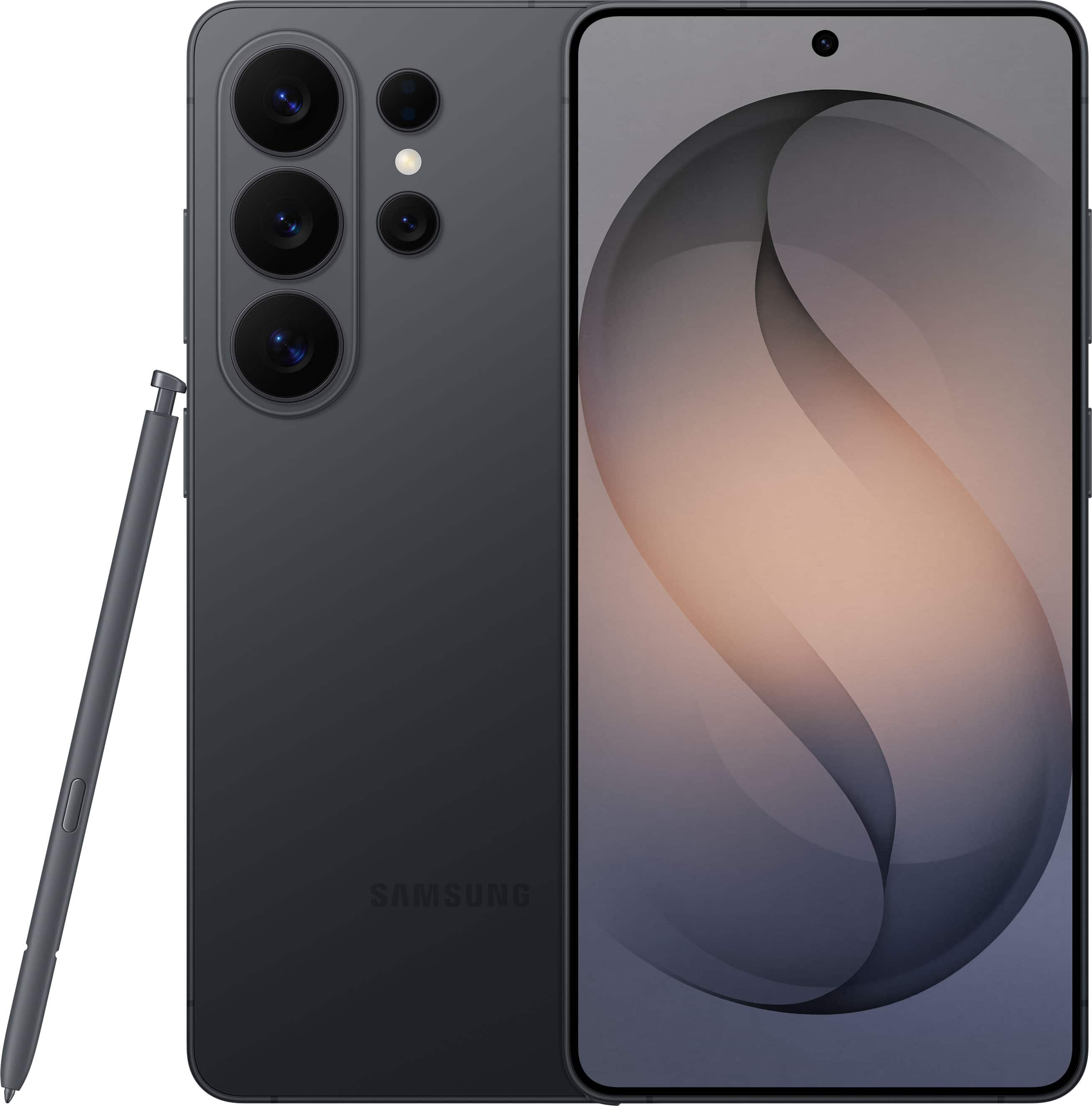
Best Video Camera Phone
Find the best video camera phone for everyday moments, content creation or video calls. Compare smartphones by video resolution, stabilization and low-light performance, then consider storage capacity and battery life if you plan to record longer videos. If you often film yourself, pay attention to front-facing camera capabilities as well.
What to look for in a video camera phone
Finding the best video camera phone for your needs means comparing recording quality, stabilization, audio capture, and storage.
1. Video Quality
2. Image Stabilization
3. Audio Recording
4. Storage and Battery Life
-
1

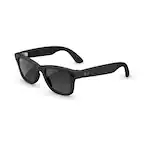
Ray-Ban Meta - Wayfarer Large (Gen 2) glasses with Meta AI, Audio, Photo, Video Compatibility - Green lenses - Shiny Black
About this product
A pair of black smart glasses with shiny green lenses, featuring Bluetooth, built-in microphone, and integrated camera.
What customers like
(888)$379.00 Your price for this item is $379.00 -
2
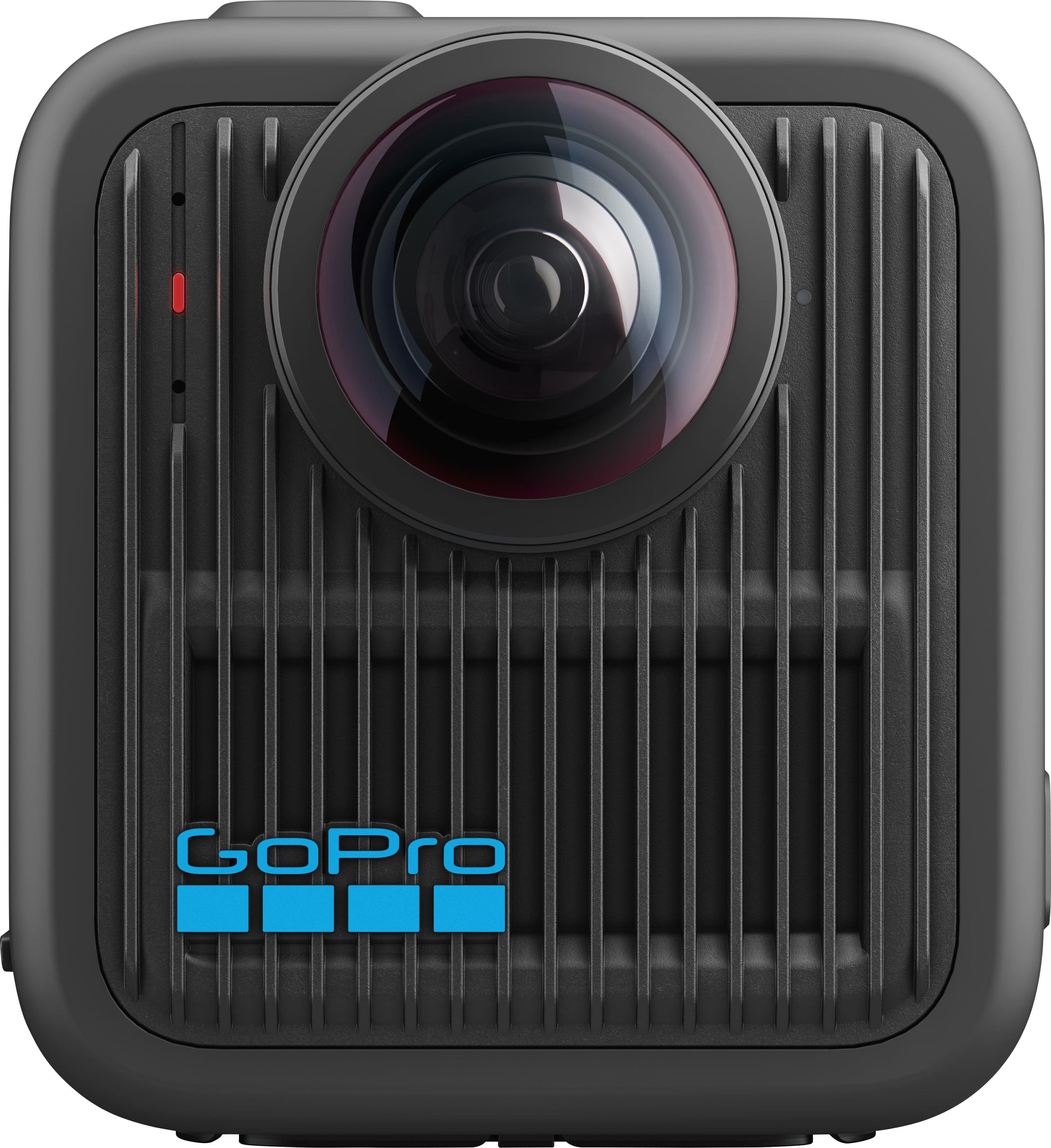
GoPro - MAX2 360 Action Camera - Black
About this product
A rugged black action camera capturing immersive 8K 360° video with Bluetooth, slow motion, and replaceable lenses.
What customers like
(130)$299.99Your price for this item is $299.99SAVE $71.50 -
3

Ray-Ban Meta - Skyler (Gen 2) glasses with Meta AI, Audio, Photo, Video Compatibility - Transitions Amethyst lenses - Shiny Black
About this product
A pair of black smart glasses with amethyst lenses featuring Bluetooth, built-in microphone, and integrated camera.
What customers like
(112)$459.00 Your price for this item is $459.00 -
4

Minolta - VLOG MND60V 64.0 Megapixel 4K Video Digital Camera Kit for Content Creators and Vloggers - Black
About this product
A black digital camera kit offering 64MP photos, 4K video, 16x zoom, tripod, and external microphone.
(9)$199.00Your price for this item is $199.00SAVE $0.99
Best Video Camera Phone
FAQs
Compare video recording modes, frame rate options, stabilization, autofocus controls, and audio features. The best video camera phone for you depends on whether you prefer straightforward recording, creative manual controls, or a mix of both.
Frame rate describes how many frames a phone records per second. Common options include 24 fps for a traditional cinematic look, 30 fps for everyday recording, and 60 fps for smoother motion. Available settings can vary by camera, recording mode, and resolution.
Optical image stabilization uses movement within the camera hardware to compensate for camera shake. Electronic image stabilization uses image processing, often cropping the frame to help steady the footage. Some phones combine both methods, though support can vary by recording mode.
Audio features to compare include stereo recording, microphone controls, audio monitoring, and support for external microphones. If you plan to record with a separate microphone, check compatibility with the phone’s connection type and your preferred recording app.
Built-in editing tools commonly let you trim clips, adjust color and exposure, and add filters. Depending on the app, you may also be able to combine clips, add captions or music, and adjust playback speed. Compare editing and export options based on how you plan to share your videos.