Biggest Car Subwoofers
-
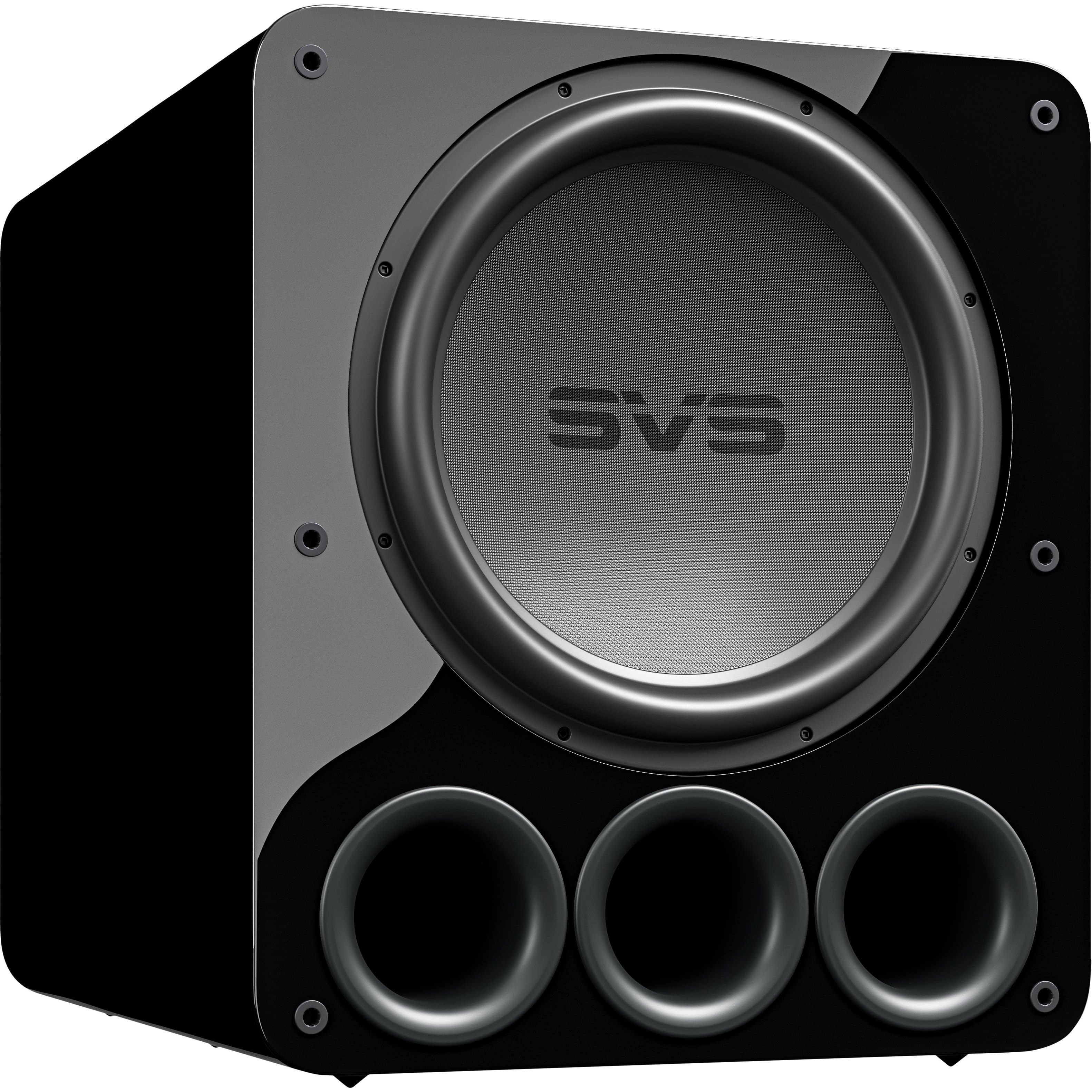
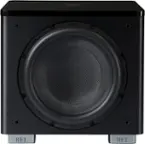
SVS - PB17-Ultra R|Evolution 17" Powered Subwoofer - Piano Gloss Black
SKU: J3R8TVY8PRSee all Home Powered SubwoofersProduct Description
A powerful 17" ported subwoofer in piano gloss black delivers deep, precise bass with advanced DSP control.Your price for this item is $2,999.99 -
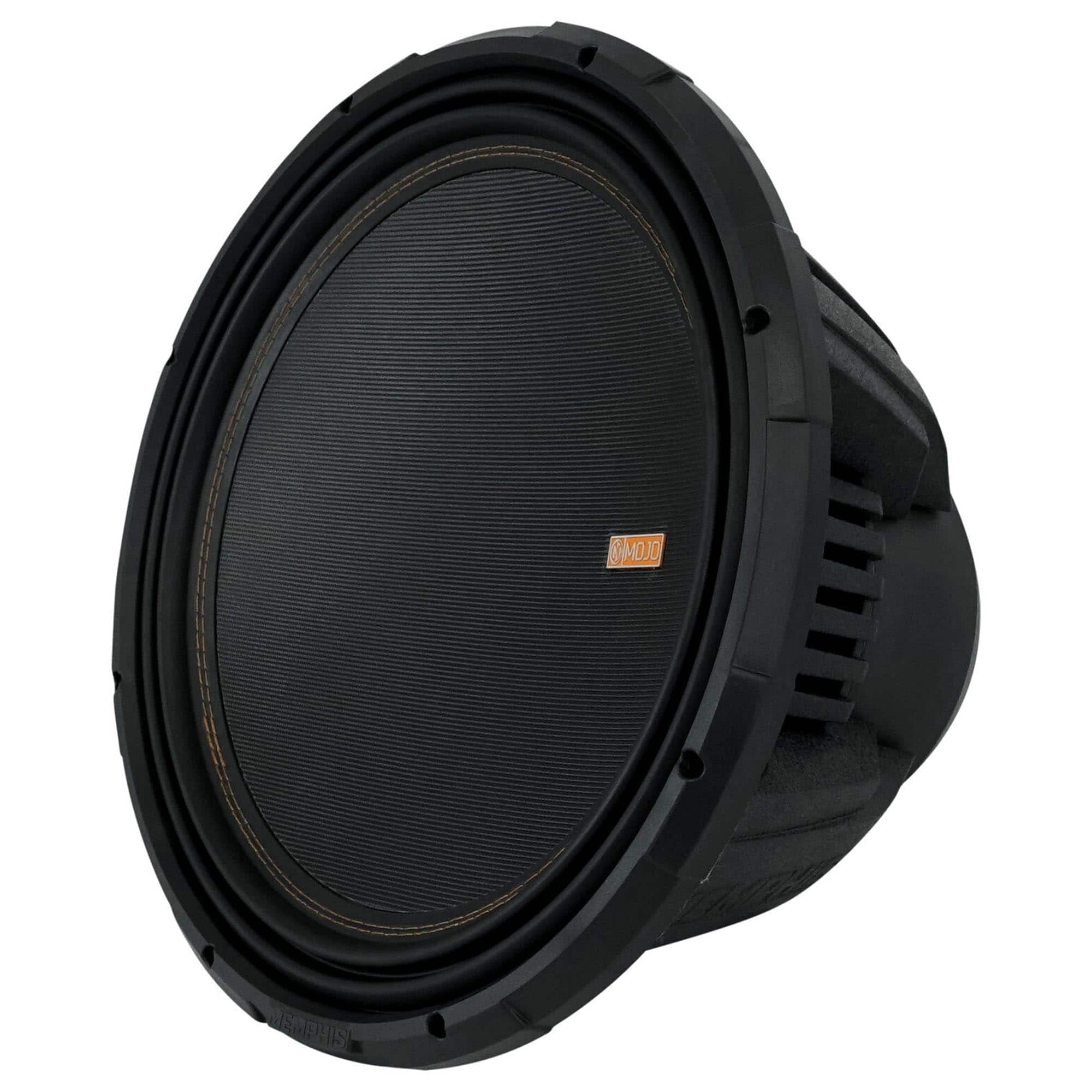
Memphis Car Audio - Memphis Audio MOJO1512 MOJO 7 Series 15" component subwoofer with selectable 1- or 2-ohm impedance - Black/Gray
SKU: J39FKVFJJZSee all 15" Subwoofers & EnclosuresProduct Description
A powerful black and gray subwoofer with selectable 1- or 2-ohm impedance and a polypropylene cone.Your price for this item is $849.95 -
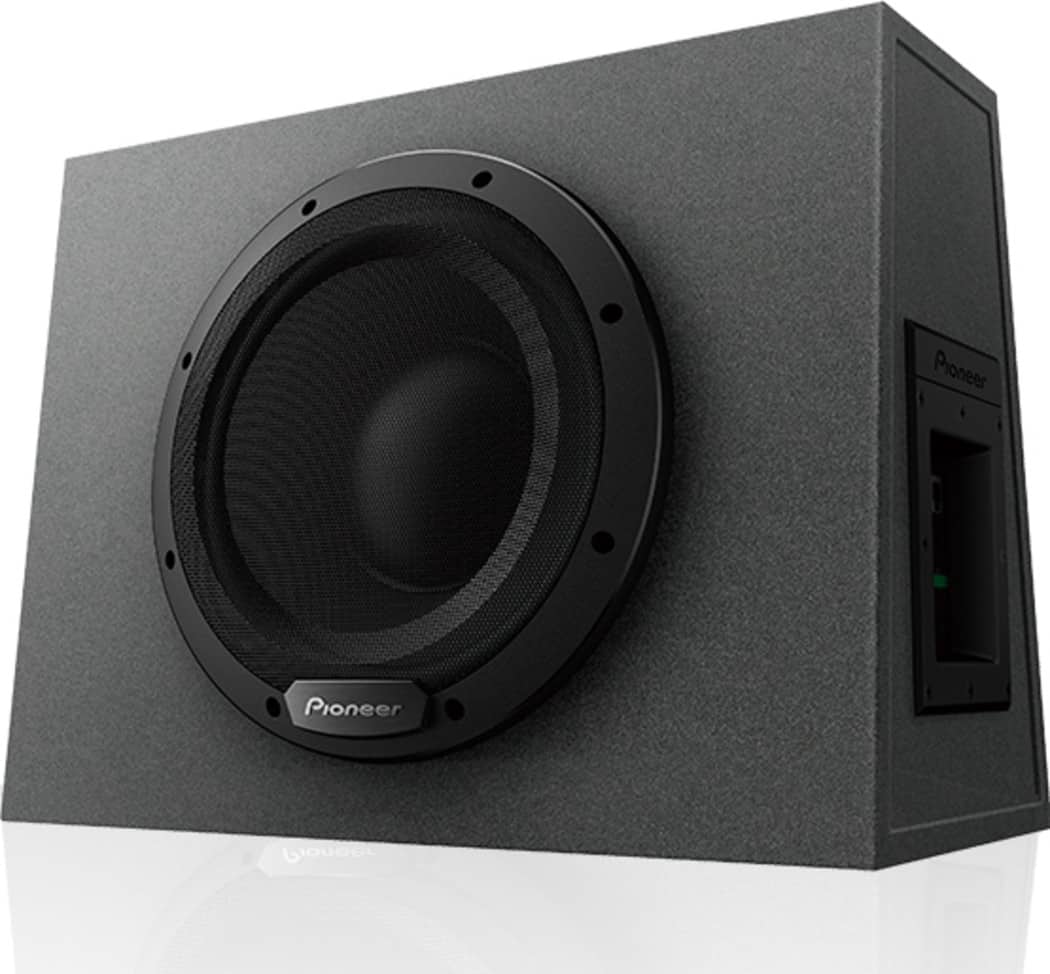
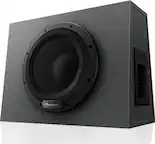
Pioneer - 10" Active Sealed subwoofer w/built-in amplifier - Black
SKU: J3KVTT8GSZNice quality and I love the men who installed it for me...The sound is great, thank you best buy...Best best
See all Car SpeakersProduct Description
A powerful black subwoofer with built-in Class D amplifier, urethane surround, and customizable bass controls.Your price for this item is $239.99 -
Pioneer - 12" Subwoofer with IMPP™ Cone with 1400 Watts Max. Power - Black
SKU: J3KVTTPRQ8Best speakers...Great sound speakers for a great price would recommend it to family and friends...Love it , sounds great. The bottom notes hit nice amd hard. The sound is booming.
See all 12" Subwoofers & EnclosuresProduct Description
A black 12" subwoofer delivering 1400W max power with an IMPP cone for tight, accurate bass.Your price for this item is $99.99 -
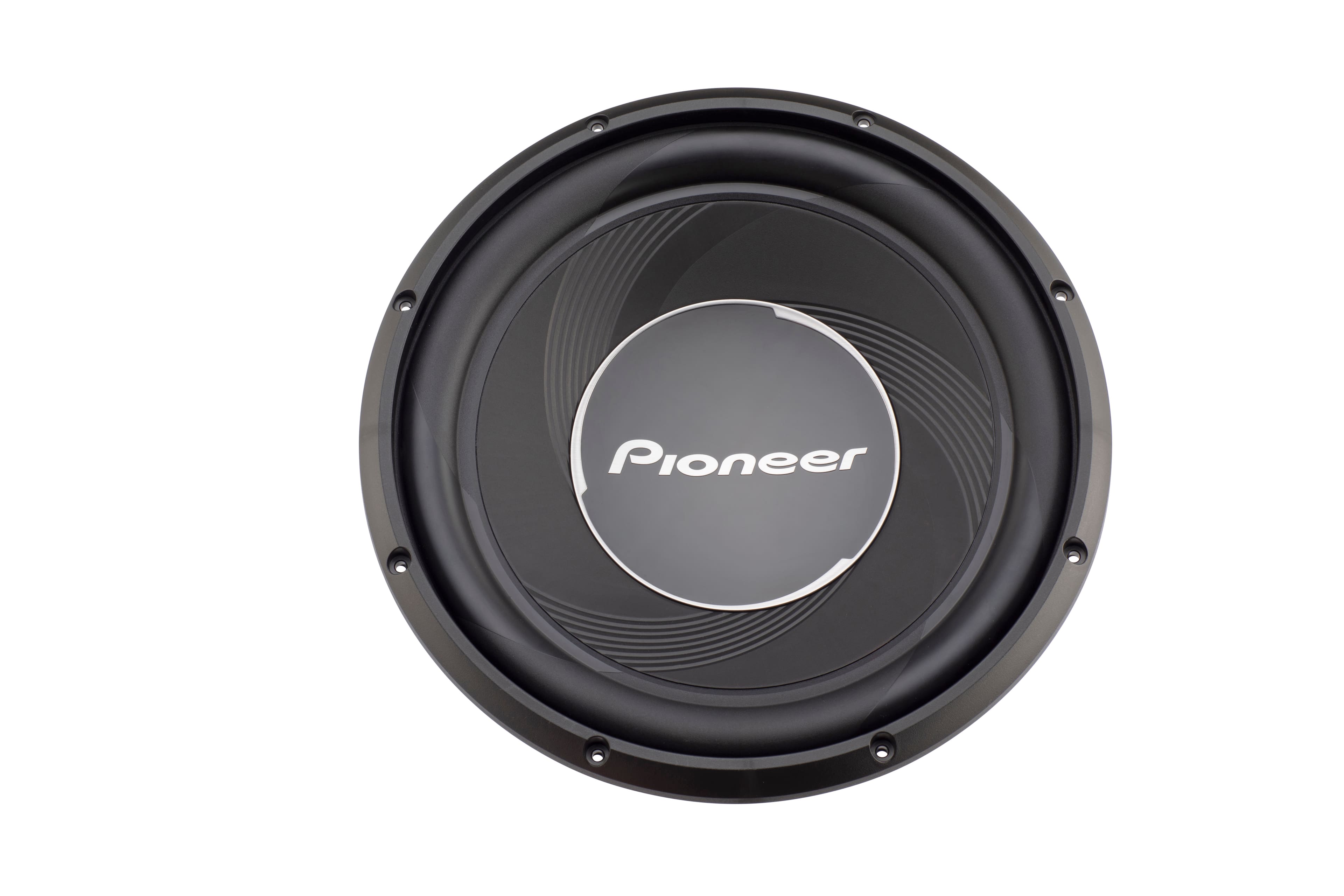
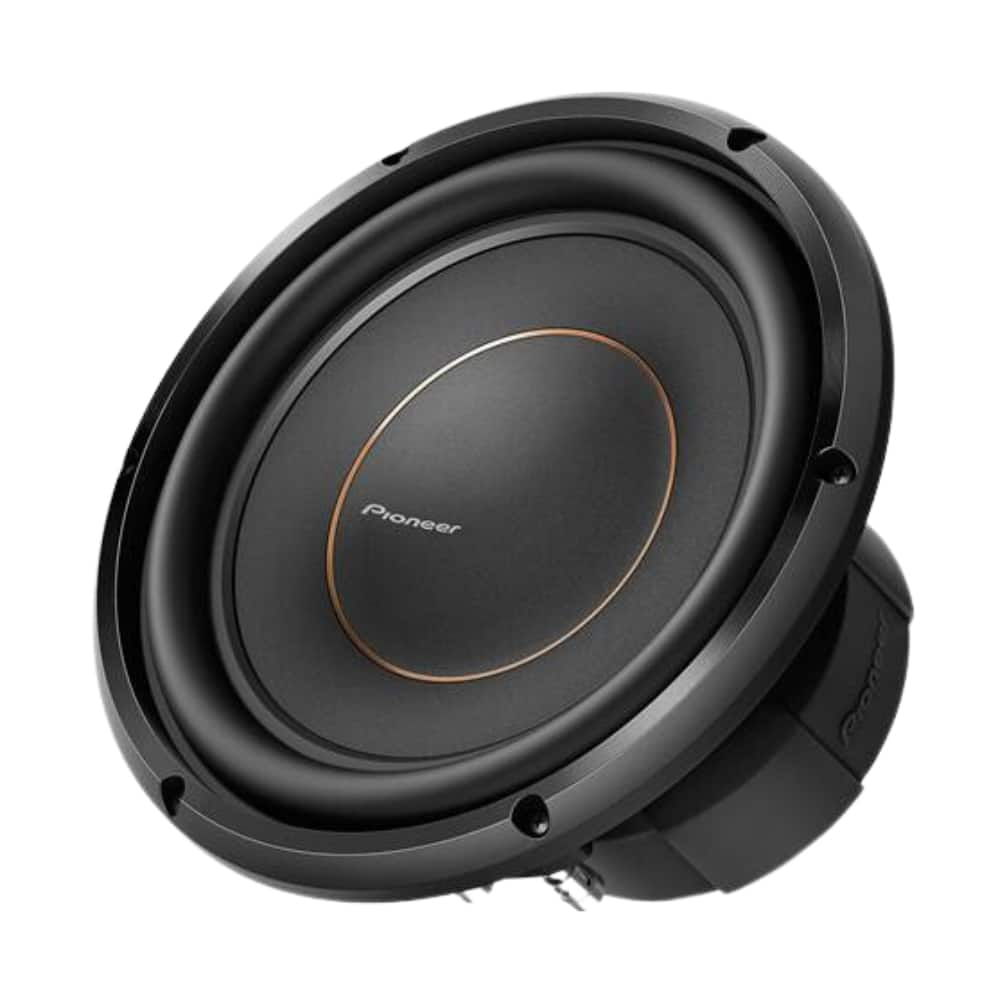
Pioneer - TS-D10D2 10" 1500W Max Power, Dual 2-Ohm Voice Coil Car Subwoofer - Black
SKU: J3KVTT3VQ7See all 10" Subwoofers & EnclosuresProduct Description
A powerful 10-inch car subwoofer with 1500W max power and dual 2-ohm voice coils for deep bass.Your price for this item is $159.99
Best Sellers
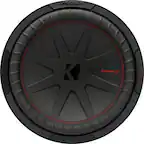
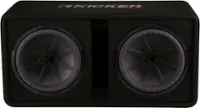
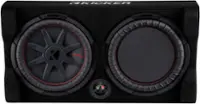
Related Pages

FAQ
When choosing a car subwoofer, consider features such as power handling (RMS and peak), sensitivity rating, frequency response, voice coil configuration, and enclosure compatibility. These factors impact sound quality, bass depth, and compatibility with your vehicle's audio system.
To match a subwoofer with an amplifier, ensure the amplifier’s power output (in watts RMS) matches the subwoofer’s RMS rating. Also, check the subwoofer’s impedance (ohms) and make sure the amplifier can handle that load for optimal performance and longevity.
Single voice coil (SVC) subwoofers have one coil and one set of wiring terminals, while dual voice coil (DVC) subwoofers have two coils and two sets of terminals. DVC subwoofers offer more wiring flexibility, allowing for different impedance configurations and easier system customization.
Many car enthusiasts install subwoofers themselves if they have experience with car audio systems. However, professional installation is recommended for optimal wiring, enclosure setup, and integration with your vehicle’s electrical system, especially for larger or more complex subwoofers.
Large car subwoofers can be installed in sealed, ported, or bandpass enclosures. Sealed enclosures provide tight, accurate bass, while ported enclosures deliver louder, deeper bass. Bandpass enclosures combine elements of both for maximum output. Always check the subwoofer’s specifications for recommended enclosure types.