Cast Iron Cooktop
-
Fisher & Paykel - Cast Iron Flat Griddle Plate Gas - Black
SKU: J3YZYX5TF4The kids absolutely love the pancakes....VERY NICE FITS MY STOVE GREAT. GREAT FOR ALL KINDS OF DIFFERENT FOODS.
See all Range Griddle & Grill PlatesProduct Description
A durable black cast iron griddle plate that adds versatile cooking options to your gas cooktop or range.Your price for this item is $269.00 -
Brentwood - 1100w Single Cast Iron Burner Hot Plate - Black
SKU: JXYQVQH47XSee all Hot PlatesProduct Description
A black cast iron hot plate with 1100W power, adjustable temperature control, and universal cookware compatibility.Your price for this item is $39.99 -
Griddle for GE Gas Cooktops - Black
SKU: J7645SJVJ2Love it, very heavy. Made great pancakes and French toast this week....We love this griddle just what we always wanted....Great griddle...GREAT
See all Range Griddle & Grill PlatesProduct Description
A black cast iron griddle with integrated drip tray, designed for select gas cooktops and easy cleaning.Your price for this item is $116.99 -
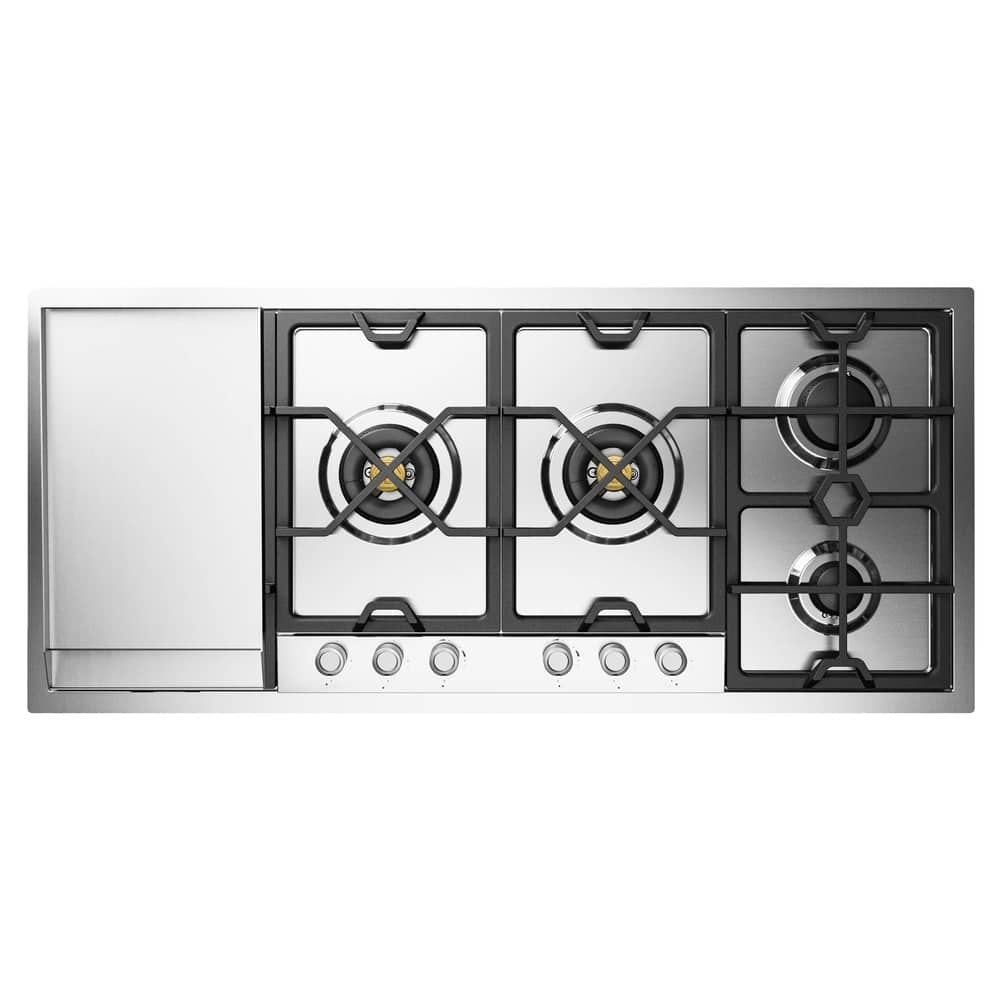
ILVE - Panoramagic Series 48 in. Gas Cooktop with 6 Sealed Burners + Griddle (Natural Gas, Stainless Steel Trim) - Stainless Steel
SKU: BCKCWCVPG8See all Gas CooktopsProduct Description
A stainless steel gas cooktop with six burners, griddle, cast iron grates, and easy-clean brass burners.Your price for this item is $3,559.00Save $421The previous price was $3,980.00 -
ILVE - Panoramagic Series 48 in. Gas Cooktop with 6 Sealed Burners + Griddle (Liquid Propane, Stainless Steel Trim) - Stainless Steel
SKU: BCKCWCVPG6See all Gas CooktopsProduct Description
A stainless-steel liquid-propane cooktop featuring six burners, a griddle, cast-iron grates, and non-stick brass burners.Your price for this item is $3,559.00Save $421The previous price was $3,980.00


Best Sellers


Related Pages


FAQ
Cast iron cooktops are known for their excellent heat retention and even heat distribution, which can help achieve consistent cooking results. They are also highly durable and can withstand heavy cookware, making them a popular choice for both home and professional kitchens.
To clean a cast iron cooktop, allow it to cool completely before wiping it down with a damp cloth or sponge. Avoid using harsh chemicals or abrasive pads, as these can damage the surface. Regularly seasoning the cooktop with a small amount of oil can help maintain its nonstick properties and prevent rust.
Most types of cookware, including stainless steel, cast iron, and enameled pots and pans, are suitable for use on cast iron cooktops. However, avoid dragging cookware across the surface to prevent scratching or chipping the enamel finish, if present.
Cast iron cooktops are compatible with most gas and electric stoves. However, they may not be ideal for induction stoves unless specifically designed for induction compatibility. Always check the manufacturer's recommendations for your specific stove type.
Many cast iron cooktops benefit from regular seasoning, especially if they are not coated with enamel. Seasoning involves applying a thin layer of oil and heating the cooktop to create a natural nonstick surface and protect against rust.