Class A And Class B Amplifier
-
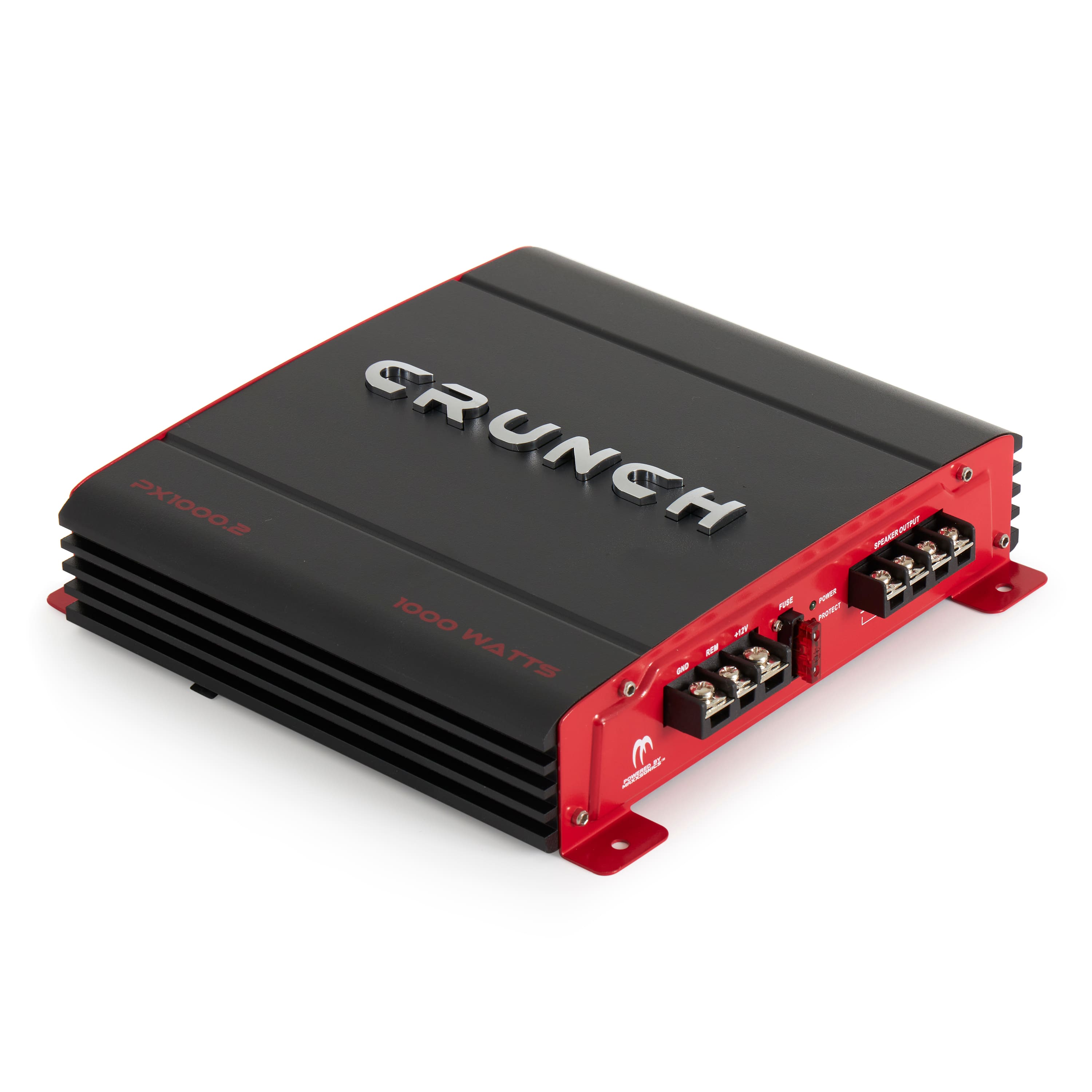
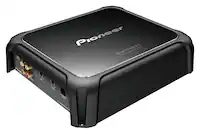
Crunch - PX-1000.2 2 Ch 1000W Class A/B Car Audio Amplifier, Bridgeable Stereo Amp - Black
SKU: J3G2WP2P68The sound quality in my car improve so much I love it. Doesn’t take much space on....Great product!
See all Car AmplifiersProduct Description
A bridgeable 2-channel Class A/B car audio amplifier in black, delivering 1000W with minimal distortion.Your price for this item is $62.99Save $2The previous price was $64.99 -
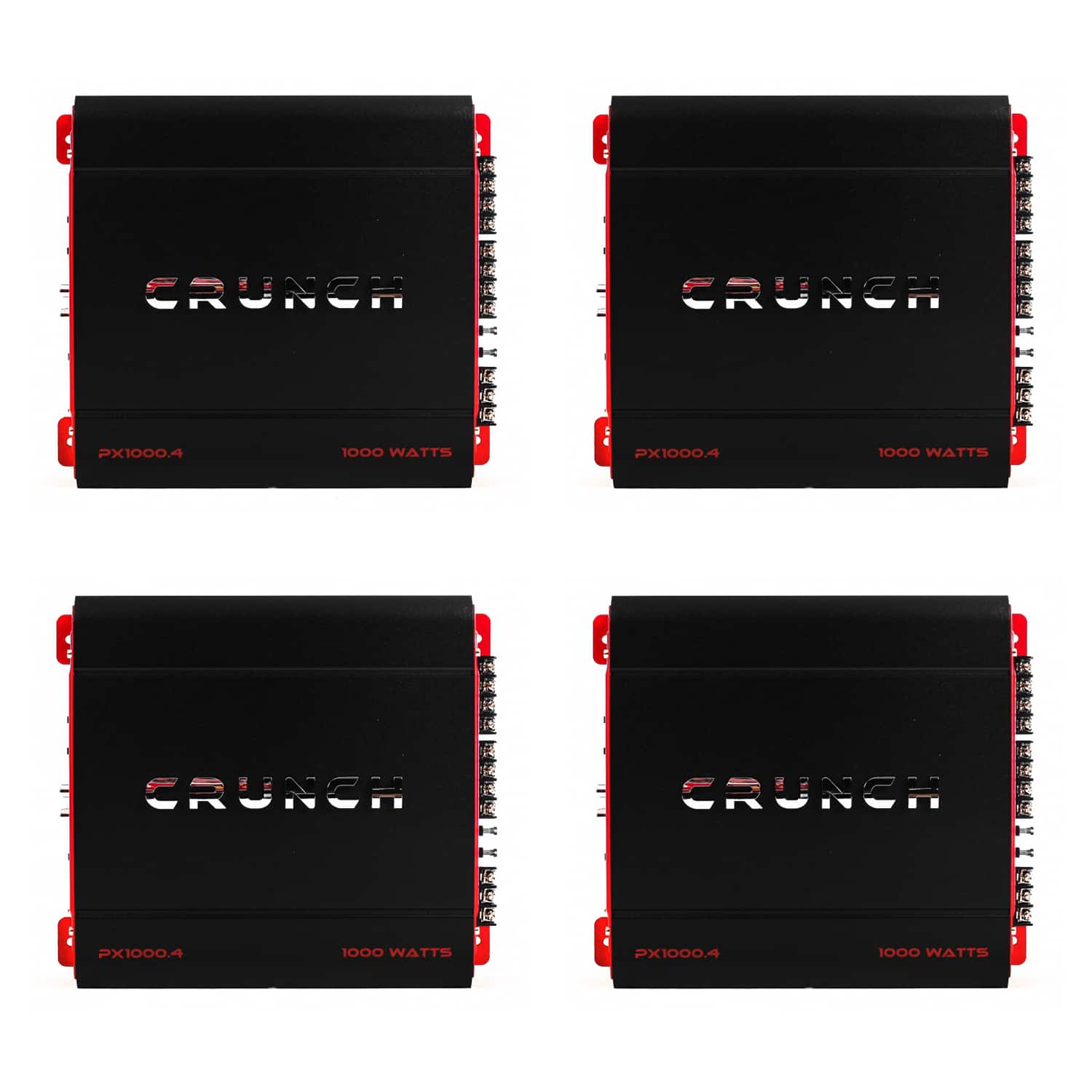
Crunch - 4 Channel 1000 Watt Amp A/B Class Car Stereo Amplifier PX-1000.4 (4 Pack)
SKU: JJ8WZL65KFSee all Multi-Channel AmpsProduct Description
A 4-channel Class A/B car amplifier with 1000 watts and advanced thermal dispersion for clear, powerful sound.Your price for this item is $290.58 -
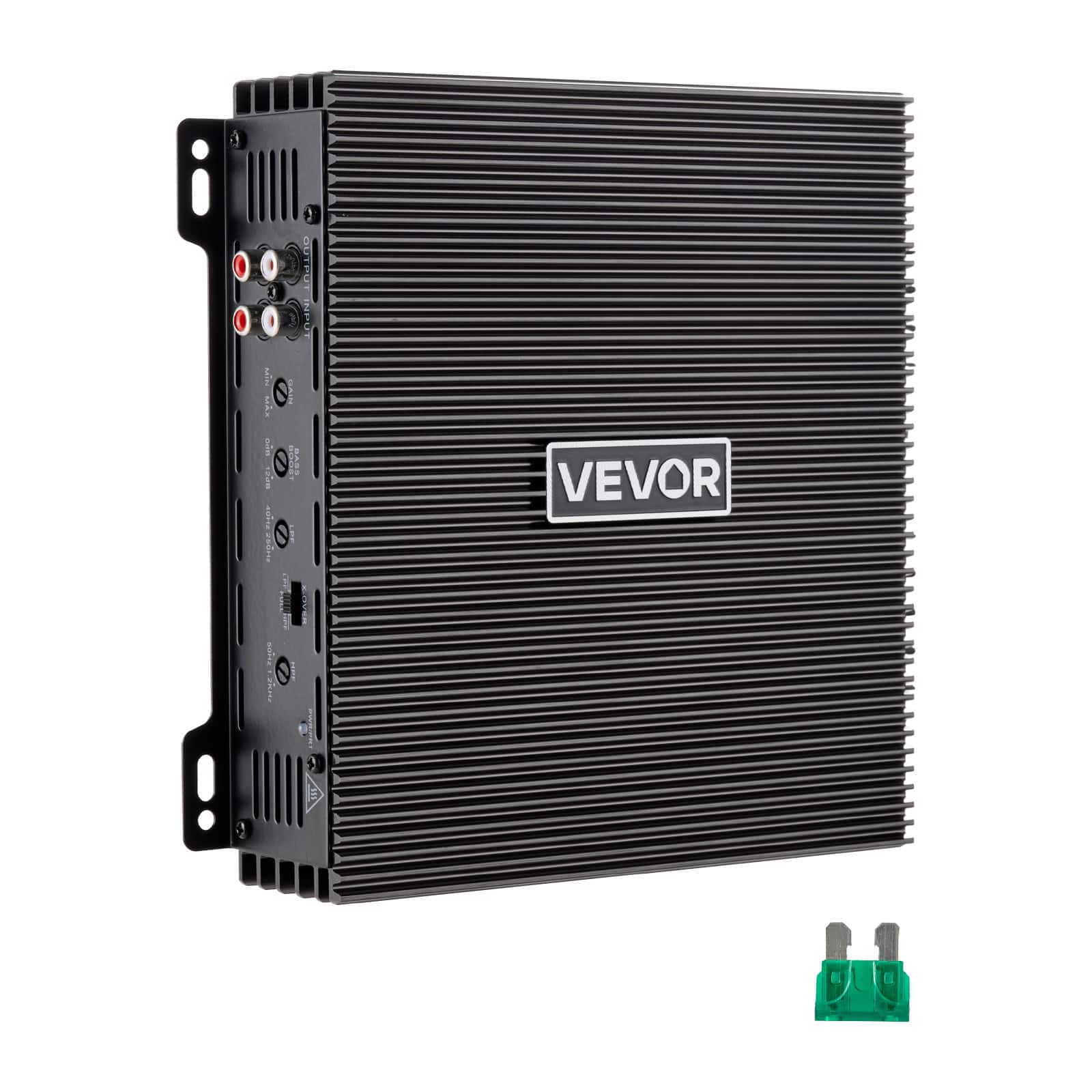
VEVOR - 2 Channel Car Audio Amplifier 2 Ohm Stable Bridgeable Class A/B Full Range Stereo Amp Max Power 2 x 300W @ 4 Ohm - Titanium Gray
SKU: JJGHKZV7F8See all Multi-Channel AmpsProduct Description
A titanium gray, 2-channel Class A/B car amplifier with bridgeable design and fast-cooling aluminum body.Your price for this item is $43.00Save $23The previous price was $66.99 -
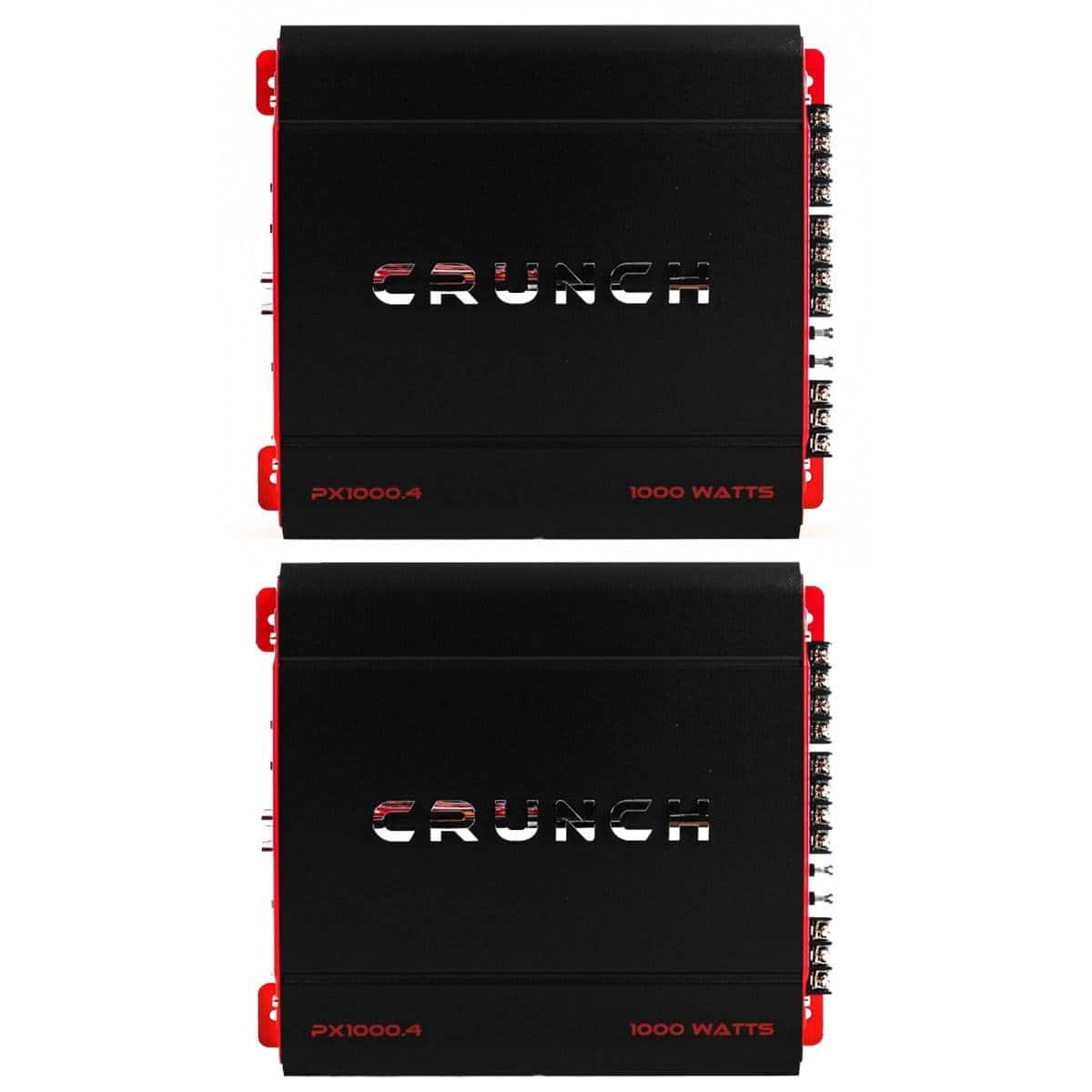
Crunch - 4 Channel 1000 Watt Amp A/B Class Car Stereo Amplifier (2 Pack)
SKU: J367L5ZTQFI absolutely love it!...has enhanced my entire listening experience in my car the sound is so crisp and clear I absolutely love...It’s a great addition for anyone looking to upgrade their car audio.
See all Multi-Channel AmpsProduct Description
A black and blue 4-channel A/B class car amplifier delivering 1000 watts with advanced thermal dispersion technology.Your price for this item is $146.99 -
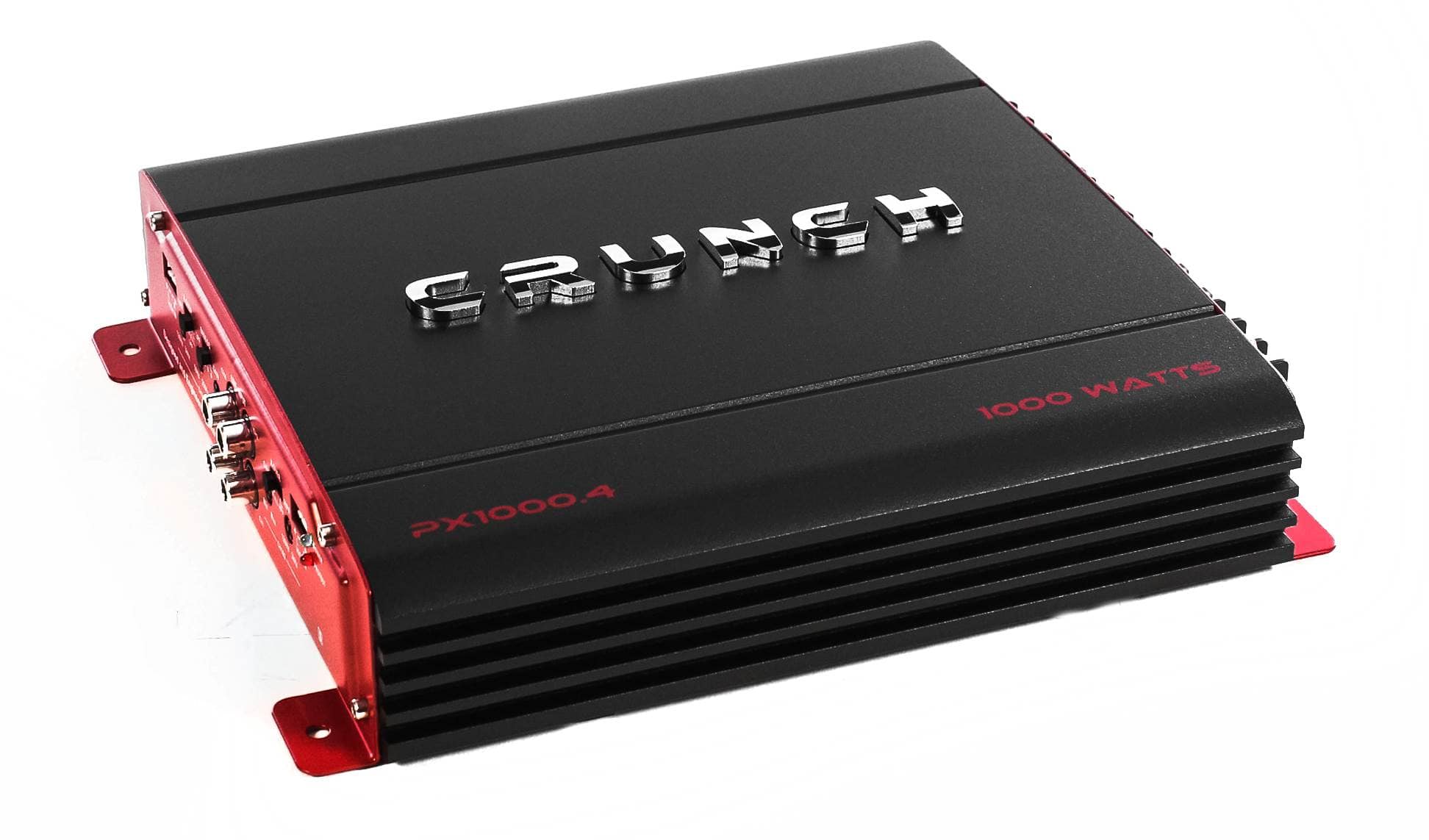
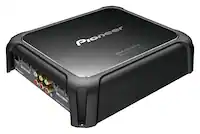
Crunch - PX-1000.4 4 Channel 1000 Watt Amp A/B Class Car Stereo Power Amplifier - Black
SKU: J3G2WP2P6FGreat Amp...Sound quality is great with no cracking.
See all Multi-Channel AmpsProduct Description
A black 4-channel A/B class car amplifier delivering 1000 watts with bridgeable design and thermal dispersion technology.Your price for this item is $81.99Save $2The previous price was $83.99 -
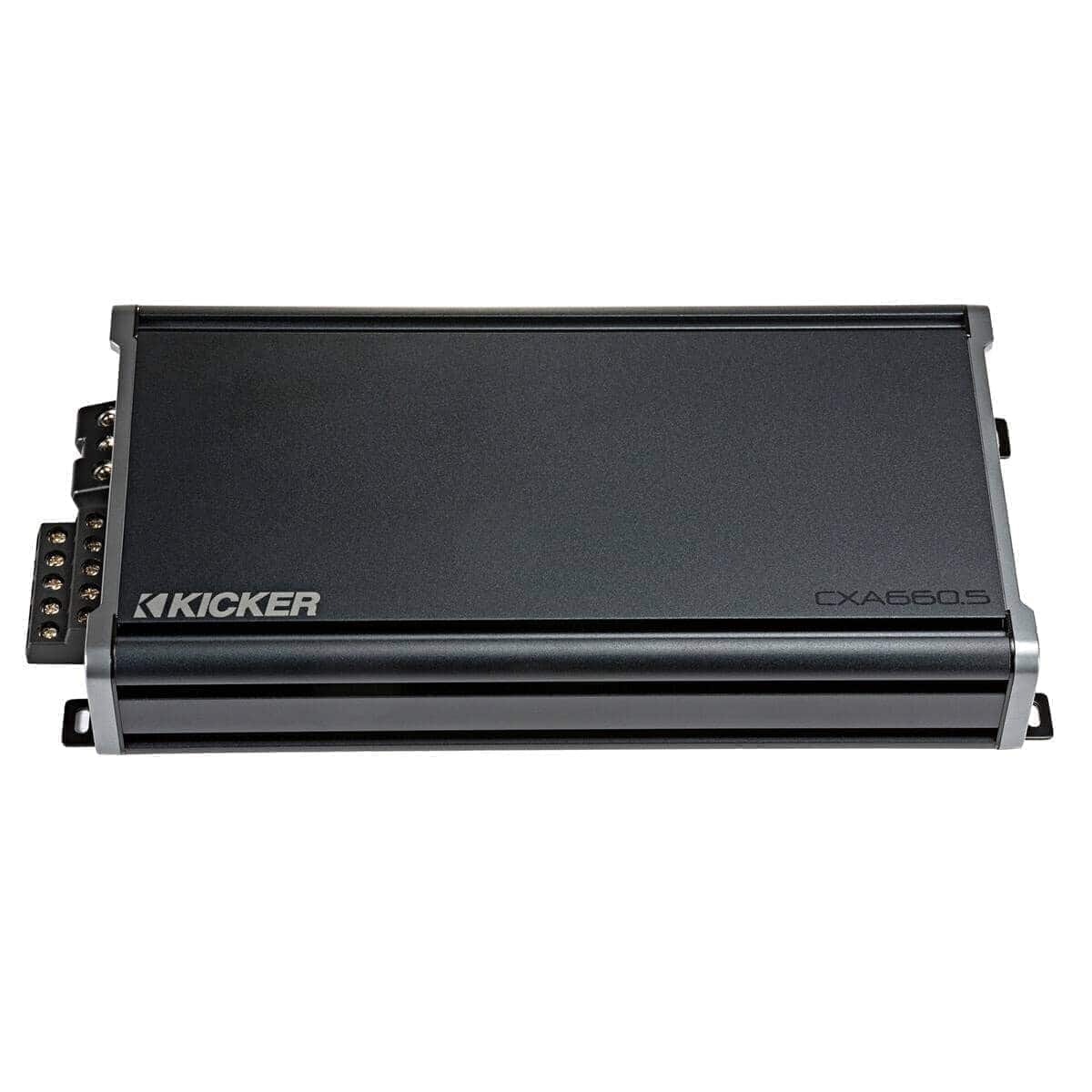
KICKER - CXA660.5 5-Channel 90 Watts A/B & D Class Amplifier - Black
SKU: JXHZRTJZSZbest amp over owned...I love this amp. I have always loved kicker products.
See all Multi-Channel AmpsProduct Description
A powerful black 5-channel amplifier with Class A/B and D technology, variable bass boost, and advanced integration.Your price for this item is $449.99 -
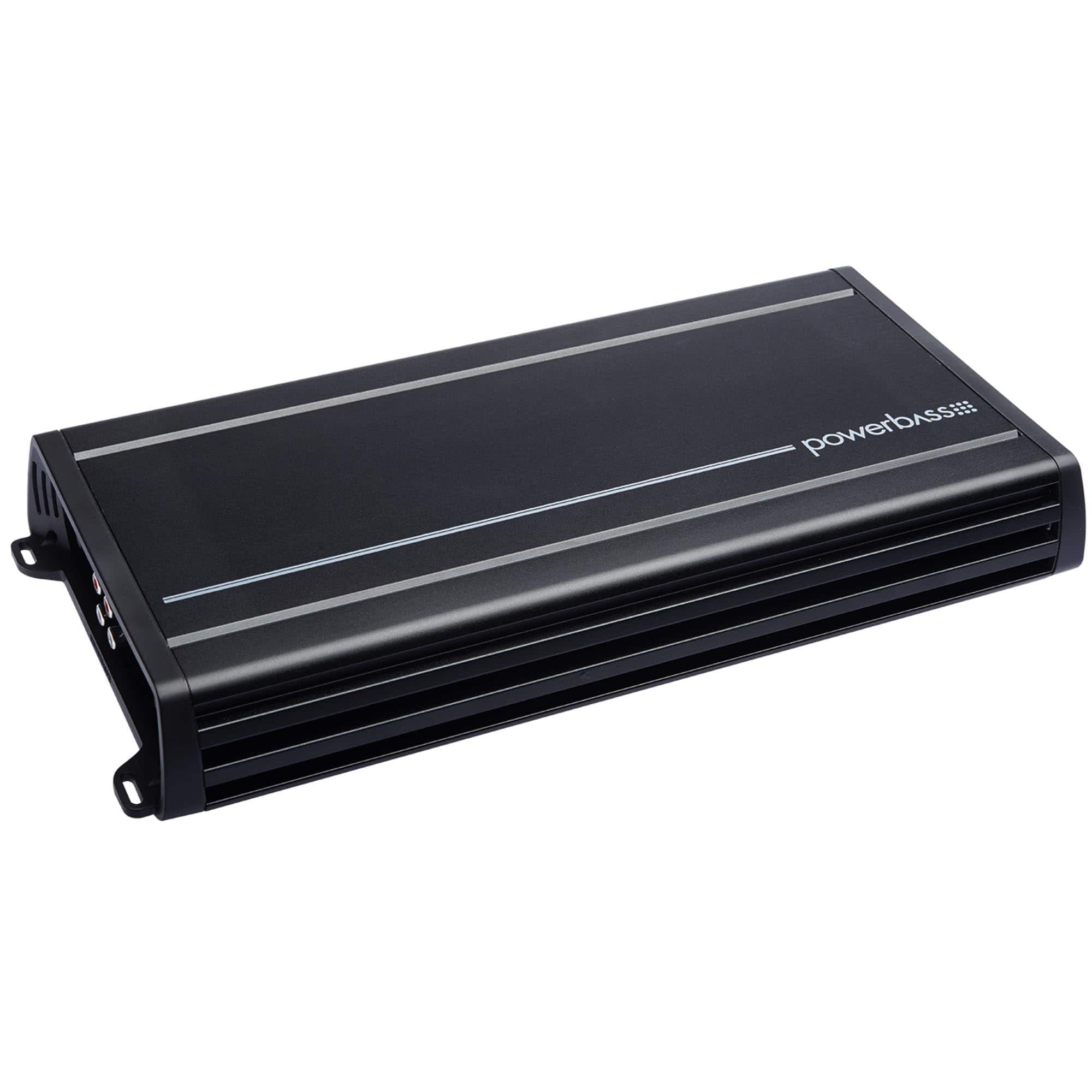
Powerbass - ACS-4120 - 120 Watt x 4 @ 2-Ohm Amplifier - Black/Gray
SKU: J3YVRYKP8PSee all Car AmplifiersProduct Description
A black-and-gray four-channel Class A/B amplifier delivering 120 watts per channel at 2 ohms, with crossovers.Your price for this item is $149.00
Best Sellers
Related Pages


FAQ
Class A amplifiers operate with the output device conducting throughout the entire input signal cycle, offering high fidelity and low distortion. Class B amplifiers, on the other hand, use two devices that each conduct for half of the input signal, making them more energy efficient but potentially introducing crossover distortion.
Class A amplifiers are ideal for high-fidelity audio applications such as studio monitors, audiophile home systems, and professional sound equipment where sound accuracy and minimal distortion are top priorities.
Class B amplifiers can be used in home audio systems, especially where efficiency and lower power consumption are important. However, they may introduce slight distortion, so they are often preferred in applications where ultra-high fidelity is not critical.
Class A amplifiers are known for their excellent linearity, minimal signal distortion, and consistent performance. These characteristics make them a popular choice for audiophiles and professionals seeking the purest sound reproduction.
Yes, some amplifier designs, such as Class AB amplifiers, combine the characteristics of both Class A and Class B to balance sound quality and efficiency. These hybrid designs are commonly used in home and professional audio systems.