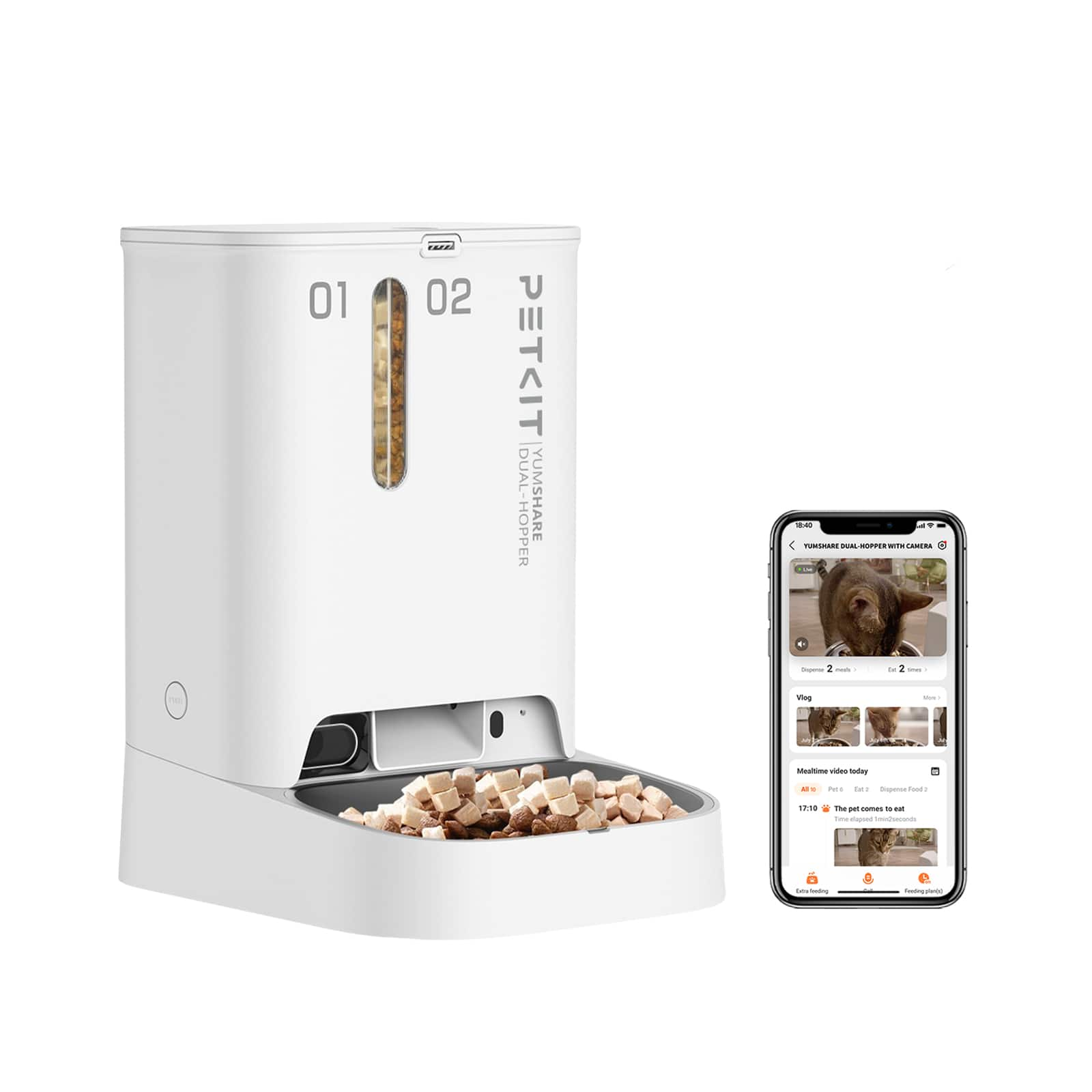
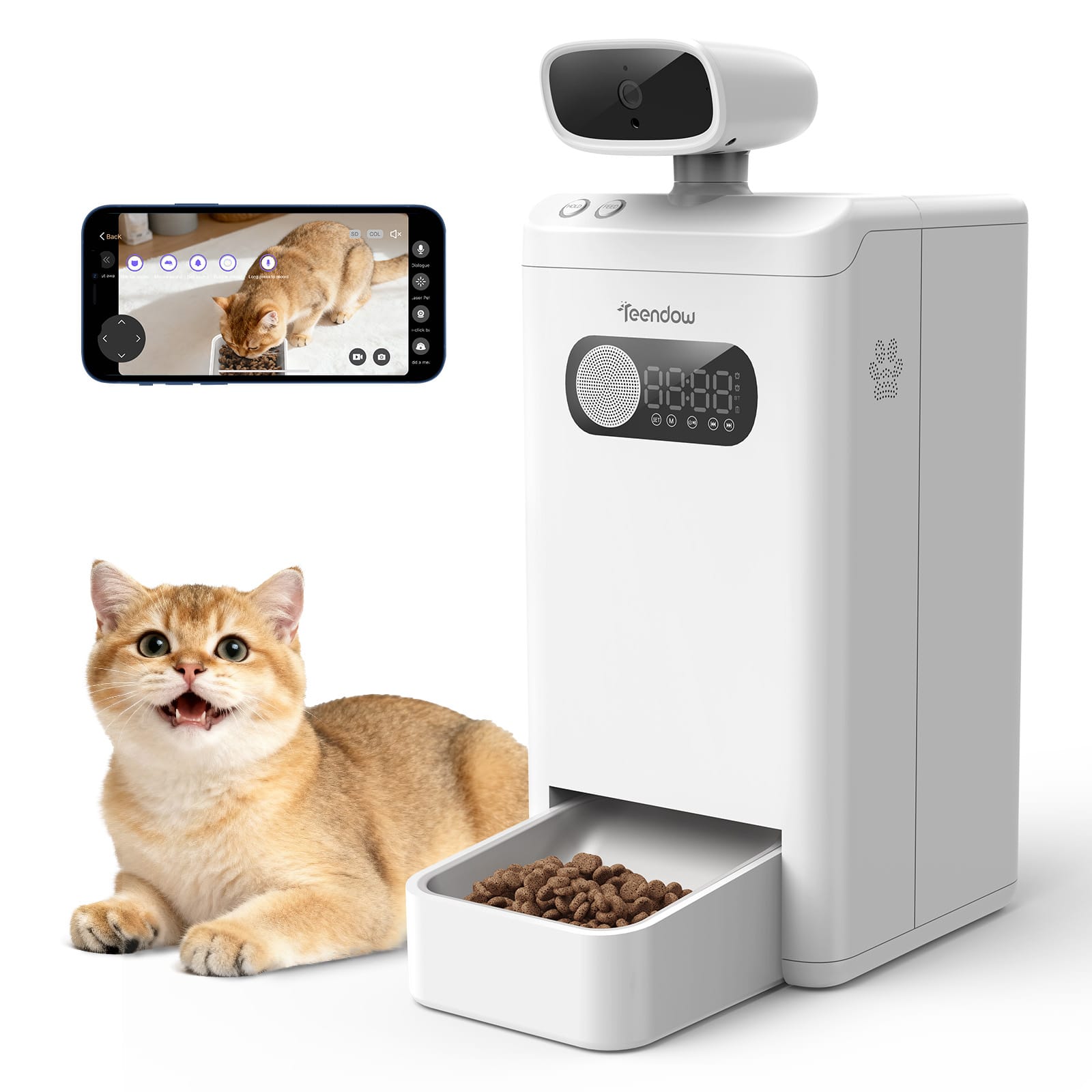
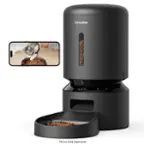
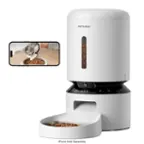
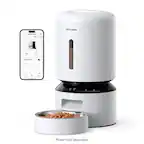
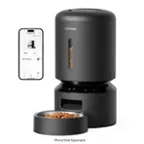
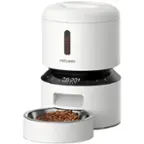
Smart pet automated feeders bring a little more predictability to the part of the day that cats and dogs tend to remember best: mealtime. For households exploring smart pet technology around Cyber Monday, these feeders combine food storage and scheduled dispensing with connected features that vary by design. A programmable feeder releases measured amounts at set times, while a Wi-Fi-connected model may also support app-based scheduling, meal notifications, and remote adjustments. Some designs include a camera, microphone, or recorded meal call, giving pet parents another way to check the feeding area or provide a familiar cue. Those functions can be useful when an early commute overlaps with breakfast, an evening meeting runs long, or a cat expects its first meal before anyone else wakes up. Automation supports a routine rather than replacing daily attention, fresh water, exercise, or arrangements for a caregiver during travel. The best fit depends on the pet’s food, feeding habits, and household setup. Dry-food dispensers typically specify a compatible kibble size and shape because pieces that are too large, unusually shaped, or sticky can interfere with the dispensing mechanism. Timed compartment feeders work differently, opening access to individual servings rather than dropping food from a hopper; certain designs accommodate wet food when used within their stated temperature and storage limits. Refrigerated designs and models using cooling packs have different requirements, so wet-food compatibility does not automatically mean food can remain safely inside indefinitely. Capacity also means more than the size of the storage bin. A small cat eating several modest meals has different needs from a larger dog, and an oversized hopper may hold more food than a household can use while it remains fresh. Portion increments, the number of scheduled meals supported, and the shape of the eating area all influence everyday usefulness. For pets with prescribed diets or health-related feeding schedules, automated portions should follow veterinary recommendations, with dispensing accuracy checked against the amount the pet actually needs.
Materials and construction matter because an automatic pet feeder is both a small appliance and a dish that gets used repeatedly. Removable stainless steel bowls offer a smooth eating surface that is generally durable and easy to wash, although dishwasher compatibility depends on the manufacturer’s instructions. Plastic components can make a feeder lighter and easier to move, but scratched food-contact surfaces deserve attention because residue can collect in damaged areas. Ceramic bowls, when included in a design, add weight and a different feel, though chips or cracks can make replacement necessary. Rounded corners, accessible dispensing chutes, and removable hoppers simplify the less glamorous side of pet care: clearing kibble crumbs, washing away food oils, and drying everything before refilling. The motor housing and electrical connections typically need different treatment from detachable bowls, and should not be submerged unless expressly designed for it. A tight-fitting lid helps limit exposure to household dust and humidity, while secure closures can discourage a curious paw from reaching the food supply. Neither feature makes stored food indefinitely fresh or guarantees that a determined pet cannot get inside. A broad base, nonslip feet, and protected cord placement can be especially helpful with enthusiastic eaters that nudge a bowl across the floor. Physical fit deserves just as much attention as storage capacity. A feeder needs room for its lid to open, its bowl to slide out, and the pet to approach comfortably without squeezing between furniture. Bowl depth and width affect access for different muzzles, and some cats appear more comfortable eating from a shallower, wider dish. In a multipet home, separate feeders do not necessarily prevent one animal from finishing another’s meal. Designs with compatible microchip or collar-tag access may help manage that problem, but recognition methods, opening dimensions, and pet acceptance differ. A quiet corner away from a busy doorway can make scheduled meals less stressful, particularly when a cautious pet is getting used to the sound of food dropping into a bowl.
Connected features are most useful when they match the way a household actually cares for its pets. App controls can make it easier to adjust a schedule without crouching beside the feeder, while clear onboard buttons remain valuable for everyday operation. Network requirements vary, and some smart feeders connect only to a compatible 2.4 GHz Wi-Fi network. Reliable reception at the feeding spot matters more than a strong signal elsewhere in the house. Internet interruptions and power outages are also separate concerns: certain feeders retain schedules locally when connectivity drops, while battery backup may support dispensing during a power failure without keeping every camera or app feature active. These behaviors depend on the design and are worth understanding before relying on a routine. Meal alerts can confirm that a dispensing event occurred, but they do not always confirm that the intended pet ate the food. A built-in camera may provide helpful context, such as whether a dog approached the bowl or a second cat slipped in, yet visibility depends on the camera angle, lighting, and placement. For households using indoor cameras, account security, shared access, and recording preferences are part of a comfortable setup. Everyday maintenance still includes watching appetite, checking for jams, replacing backup batteries as needed, and keeping the feeding area clean. During the cooler months, when work schedules, school activities, and holiday gatherings can overlap, that combination of consistency and oversight can ease the handoff between family members. Smart pet feeders can also make thoughtful gifts for pet parents who appreciate practical technology, provided the feeder suits the animal’s diet and the recipient is comfortable with its setup and care requirements. For households interested in convenient meal routines for the people at home as well, Cyber Monday Deals On Electric Multi Cookers connects that interest with another category of kitchen appliances. For pet feeding itself, the lasting value is straightforward: dependable portions, manageable cleaning, comfortable access, and features that support attentive care rather than complicate it.