Deals for every list.It’s officially saving season.Shop now

Main Content
Skip to contentGo to Product Search

Deals for every list.It’s officially saving season.Shop now

Main Content

Desks With Soft-Close Cabinets

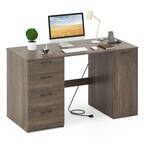
Desks with soft-close cabinets pair a work surface with enclosed storage and cabinet doors designed to close gently. Compare overall dimensions, usable desktop space and cabinet layout to find a desk that fits your workspace and keeps everyday supplies tucked away.

Read More
Categories & Filters
Results

Desks With Soft-Close Cabinets

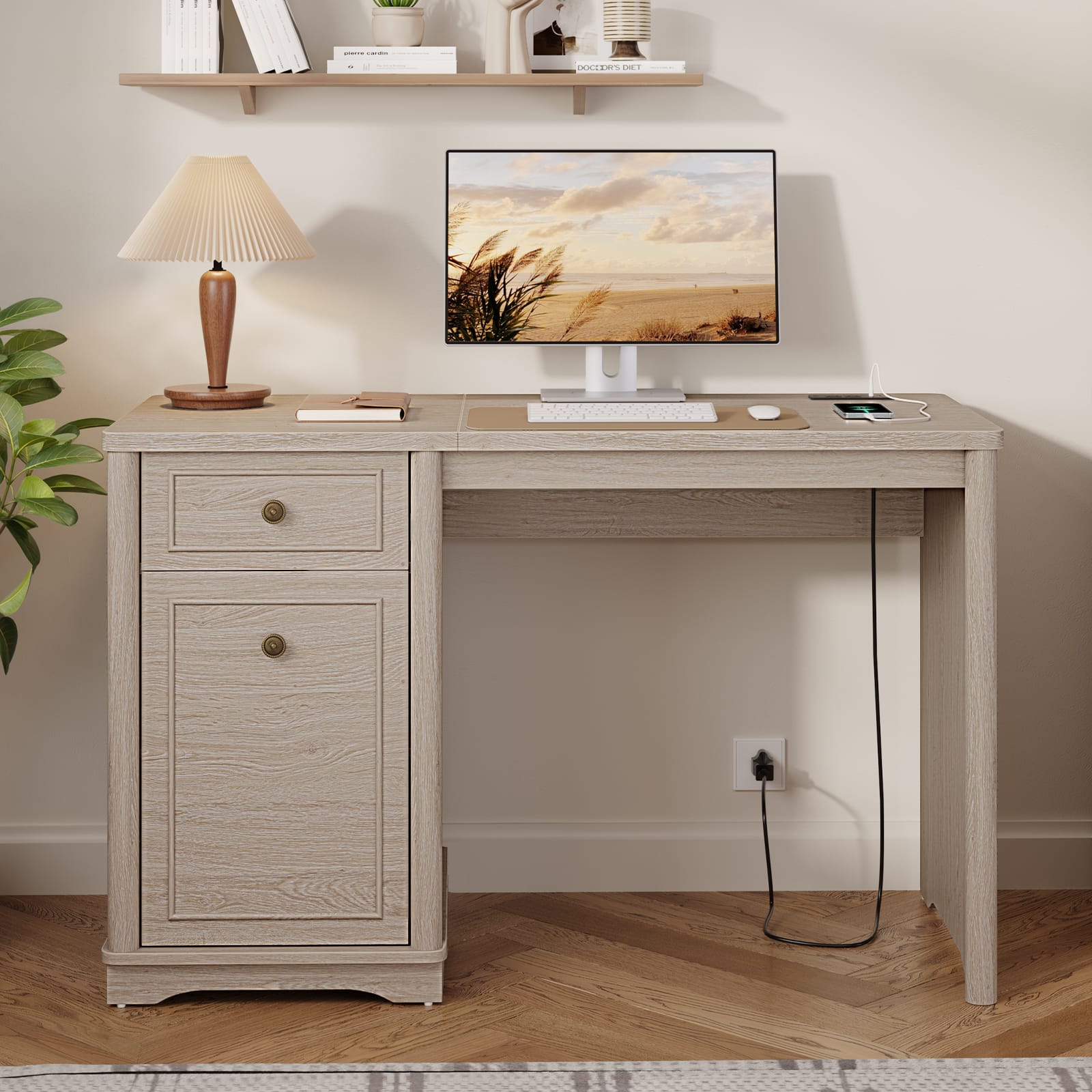
Desks with soft-close cabinets combine an everyday work surface with enclosed storage and a more controlled closing motion. A soft-close mechanism slows a cabinet door as it approaches the closed position, helping reduce the abrupt movement and noise associated with slamming. That can be especially useful in a shared home office, a bedroom workspace, or a study area near other household activities. Enclosed cabinets also keep office supplies, notebooks, and other work essentials out of sight, giving the workspace a less cluttered appearance when the workday ends. The most useful storage layout depends on what needs to fit inside: smaller supplies benefit from easy-to-reach compartments, while binders and bulkier accessories need enough interior height and depth. When comparing desks, look beyond the amount of storage to how that storage is arranged. A cabinet that suits your daily routine can make supplies easier to access without taking over the desktop or crowding the area around your chair.

The right desk size balances a comfortable work surface with cabinet access and room to move. Overall width and depth matter, but so do the open space beneath the desktop, the location of the cabinet, and the clearance needed for its doors to swing outward. A cabinet beside the seating area can keep essentials close at hand, while its placement on the left or right may affect how well the desk works against a wall or beside other furniture. For computer use, desktop depth helps determine whether there is enough space for a monitor, keyboard, and mouse without pushing everything to the front edge. A setup that includes writing or paperwork may need additional clear surface area beyond the computer equipment. Compare the desk’s dimensions with both the room and your chair, including armrest clearance and knee space. A compact footprint is most practical when the cabinet remains accessible and the work surface still supports the tasks you use it for.

Style and construction details help determine how naturally a desk fits into the room and how well it supports everyday use. Cabinet fronts, hardware, and surface finishes contribute to the overall look, whether the workspace is a dedicated office or part of a living area. For a cohesive setup, consider how the desk’s proportions and finish relate to nearby shelving, seating, and other furniture rather than choosing by color alone. Practical details deserve equal attention: interior cabinet dimensions, shelf configuration, surface care requirements, assembly requirements, and stated weight limits can all influence the fit. If you plan to use a monitor arm or keep electronics inside a cabinet, check the relevant mounting clearances, cable access, and ventilation needs. Review which components have soft-close hardware, since that feature on a cabinet does not necessarily extend to every drawer or door. A well-chosen desk brings together the quieter cabinet action, usable storage, and work surface space that suit your routine.

Read More

FAQs