Deals for every list.It’s officially saving season.Shop now

Main Content
Skip to contentGo to Product Search

Deals for every list.It’s officially saving season.Shop now

Main Content

Sideboards With Soft-Close Doors

Find sideboards with soft-close doors to keep tableware and serving essentials organized while helping reduce door slamming. Browse these storage cabinets with your space in mind, comparing dimensions, interior layouts, and door clearance to choose a sideboard that fits your dining room or living area.

Read More
Categories & Filters
Results
Main Results

Sideboards With Soft-Close Doors

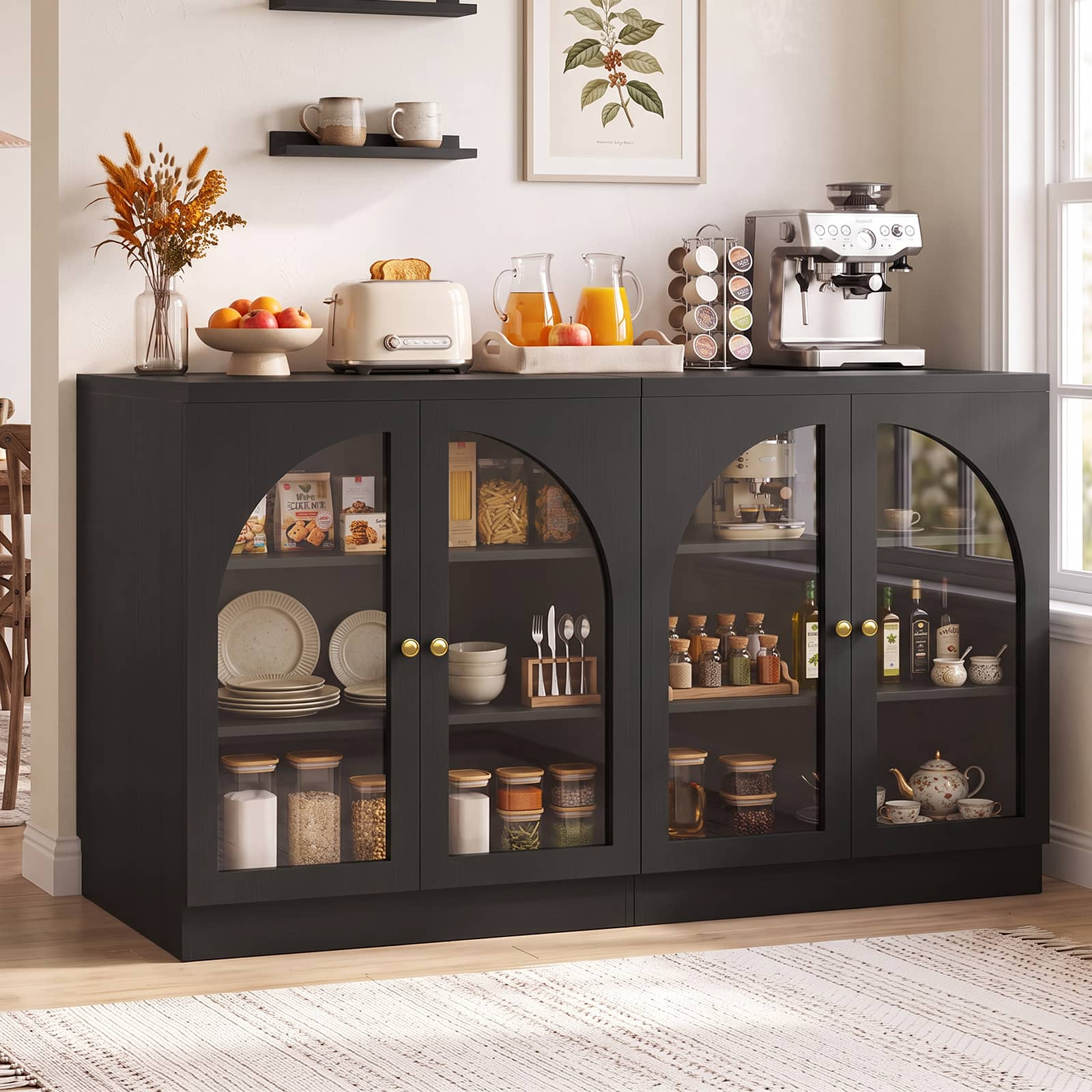
Sideboards with soft-close doors combine concealed storage with a gentler closing action, making them a practical choice for dining rooms, living areas, and multipurpose spaces. Soft-close hardware slows the door near the end of its movement, helping reduce the abrupt impact and noise of a door slamming against the cabinet. That detail can be especially appealing in an open floor plan, where dining storage shares space with conversation, television viewing, or a home office. Beyond the closing mechanism, a sideboard provides a place to organize everyday essentials while keeping its contents out of view. Dinnerware, serving pieces, table linens, and board games are all potential uses, depending on the cabinet’s dimensions and storage layout. The top surface can also provide room for decorative accents or occasional serving, within the furniture’s stated weight and care guidelines. For shoppers who want useful storage without the visual busyness of open shelving, a sideboard offers a balance of accessible organization and a more streamlined appearance.

The right sideboard should suit both the space it occupies and the items it needs to hold. Overall width and height affect how the cabinet relates to a dining table, sofa, or nearby wall décor, while depth determines how far it extends into the room. Door clearance matters just as much as the cabinet’s footprint, particularly beside dining chairs or along a walkway. Inside, usable shelf dimensions can be more informative than exterior measurements when storing tall pitchers, wide platters, or stacks of dishes. Adjustable shelving may be worth prioritizing if storage needs are likely to change, while separate compartments can help keep frequently used items apart from pieces reserved for entertaining. Pay attention to the door hardware as well: soft-close operation is a distinct feature from push-to-open access, and soft-close doors do not necessarily mean that any drawers have the same mechanism. Comparing these details helps distinguish the convenience of the closing action from the cabinet’s broader storage capabilities.

Style and everyday upkeep also play a role in choosing a sideboard that feels at home in the room. Consider how its color, finish, door detailing, and hardware will coordinate with existing furniture, whether the goal is a subtle backdrop or a more noticeable accent. A lower profile can leave more wall space above the cabinet, while a taller design may better suit shoppers who prioritize storage over display space. Leg height and base design influence the cabinet’s appearance and the ease of cleaning underneath it. For dining use, review surface-care instructions before placing serving dishes or drinks on top, and use appropriate protection against heat and moisture. For living-room storage, think about the size and frequency of use of the belongings going inside; enclosed storage intended for books or games may not be suitable for operating electronics without appropriate ventilation. Assembly requirements, furniture weight, delivery access, and any manufacturer-specified anchoring instructions are useful final considerations when selecting a sideboard for long-term use.

Read More

FAQs