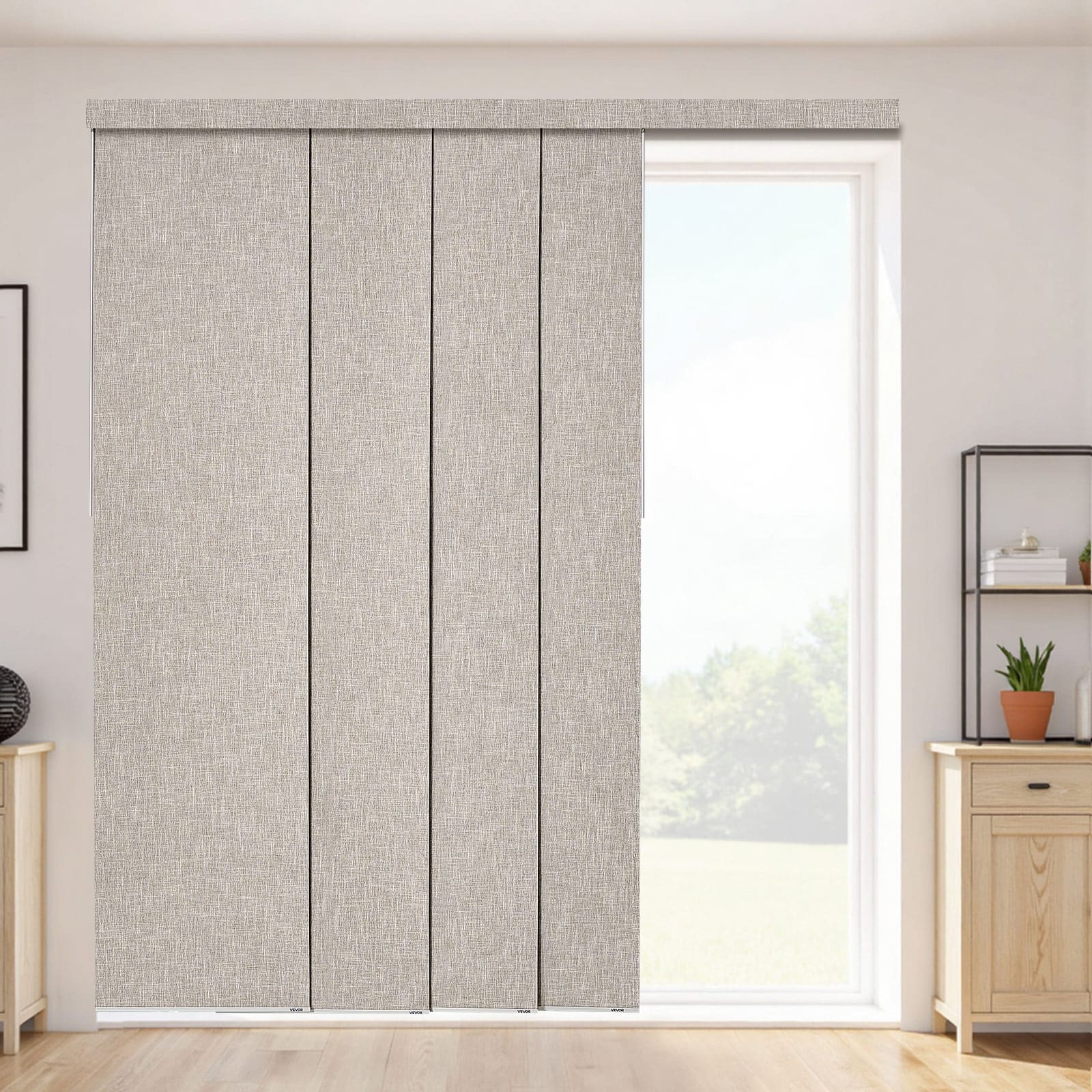
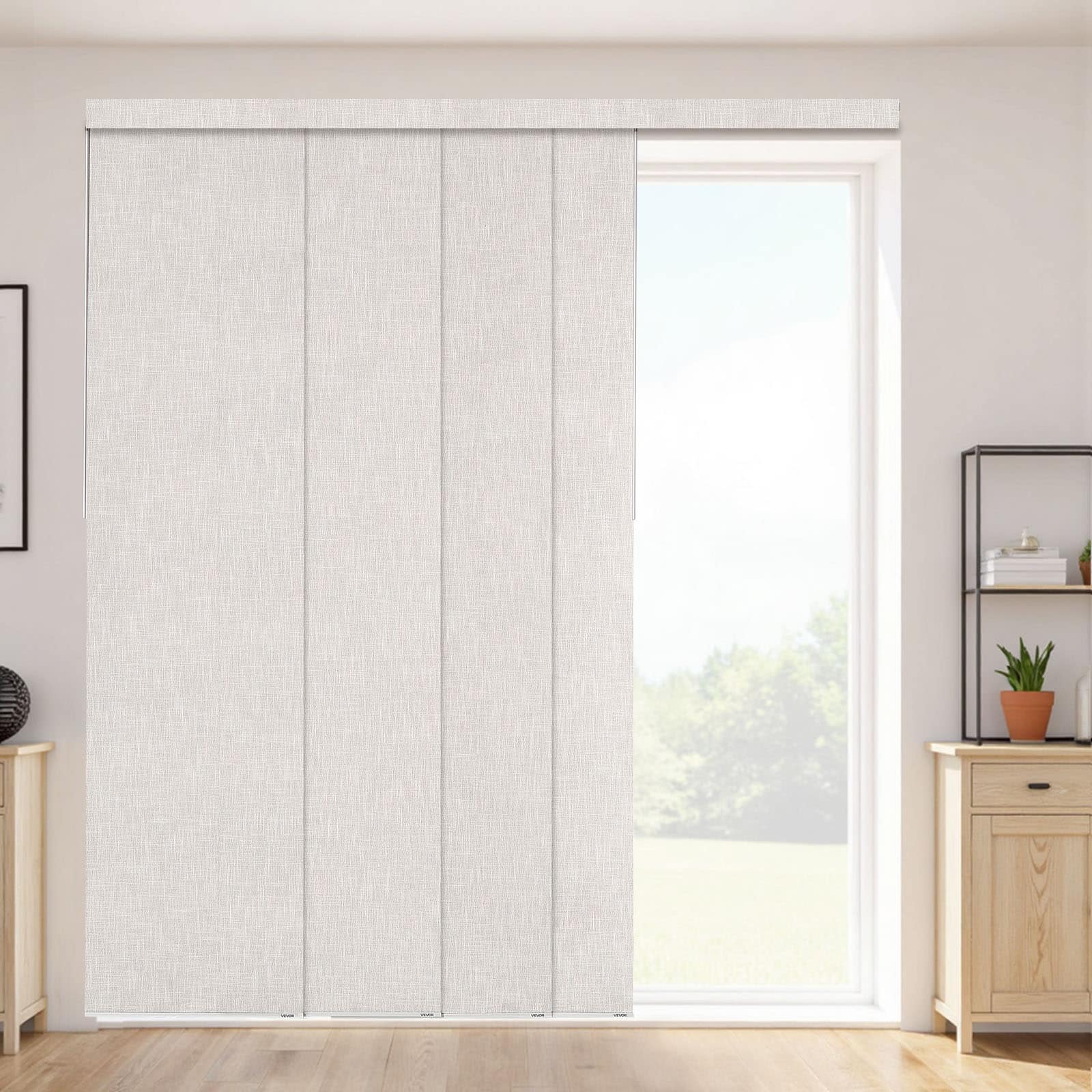
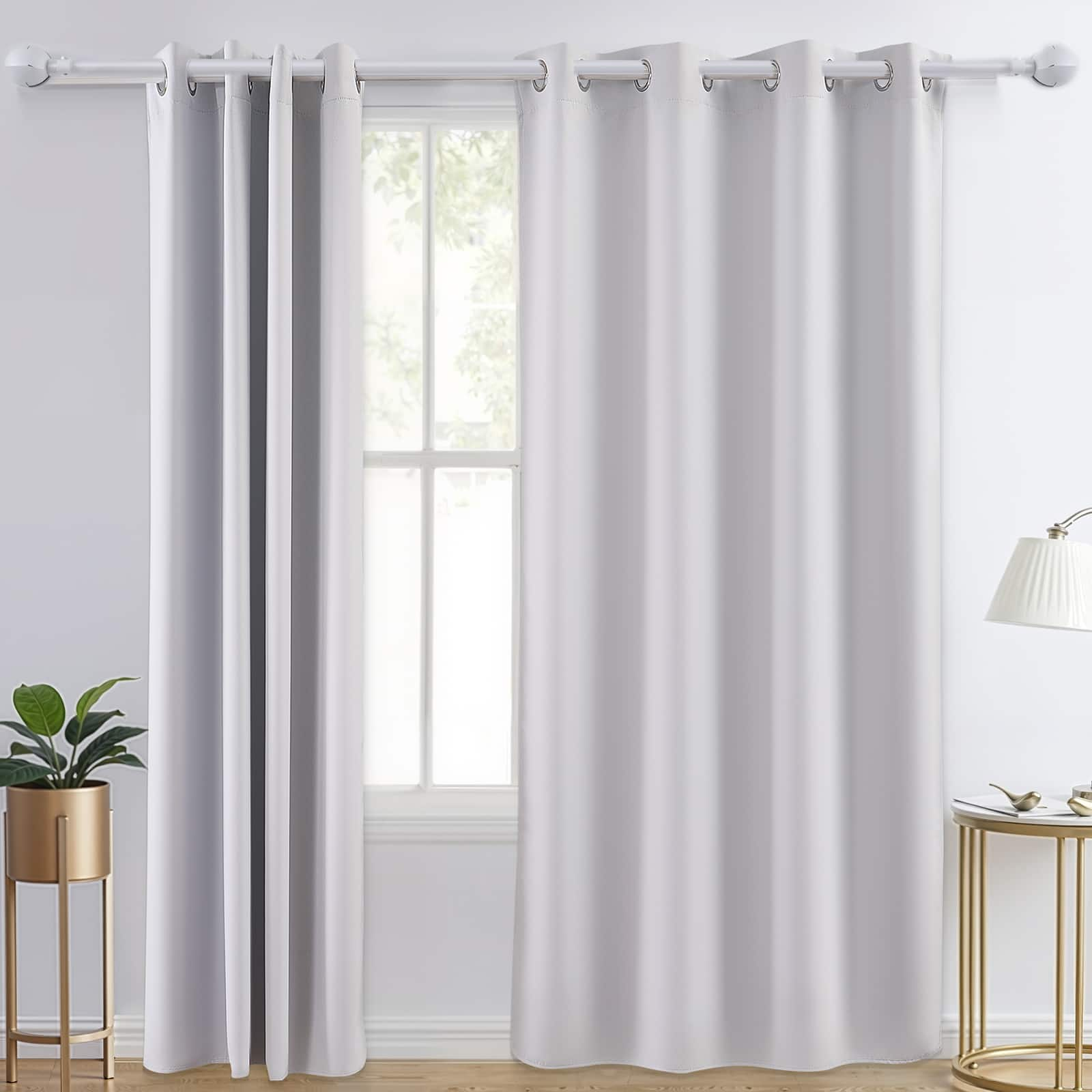
Extra long blackout curtains bring light control to tall windows while giving a room a finished, floor-length look. Their extended proportions can frame high ceilings, balance a wide expanse of glass, or make a modest window feel more substantial when the curtain rod is mounted above the frame. In a bedroom, the added coverage helps create a darker space for daytime rest or an earlier bedtime. In a living room or media room, it can reduce distracting light across a television or projection screen. The fabric does not have to be black to provide blackout performance: light neutrals, deeper colors, and patterned fabrics can all incorporate a light-blocking construction. What matters is the combination of the face fabric, backing or lining, and overall coverage. Some blackout curtains use densely woven layers, while others rely on a separate lining or applied backing to limit light transmission. Polyester is common because it can offer durability, wrinkle resistance, and relatively straightforward care, although the requirements vary by construction. Linen-look weaves add visible texture without necessarily having the same care needs as natural linen, while velvet-style fabrics create a fuller, more substantial drape. Smooth fabrics tend to emphasize clean lines; textured surfaces give broad panels more visual depth. These differences matter on extra long curtains because there is more fabric on display, especially when the panels are closed. A soft, relaxed weave can suit an informal bedroom, while a structured pleat and heavier fabric may feel more at home in a formal living area. Blackout and room-darkening descriptions are not interchangeable, so the stated light-blocking performance deserves attention alongside the color and texture. Even a highly effective blackout fabric cannot eliminate light that enters around an uncovered edge. For someone sleeping after an overnight shift, settling a child for a nap, or watching a movie before dark, the most useful combination is fabric designed for the desired level of darkness and dimensions that cover the window generously.
The fit of extra long blackout curtains depends on more than the height of the glass. Rod placement, the attachment style, and the distance to the floor all affect where the finished hem will land. Grommet panels, rod-pocket curtains, back tabs, and panels suspended from rings or hooks can hang differently from the same mounting point, so the listed measurement needs to be considered with the intended hardware. A hem that just clears the floor offers a tailored appearance and is less likely to collect dust or catch beneath a vacuum. A slight break at the floor creates a softer line, while a pronounced puddle adds fabric that can be less practical near walkways, pets, or frequently opened doors. Width is equally important. Panels stretched flat across a window may cover the glass but leave little fullness, and narrow coverage can expose gaps when the fabric shifts. Generous width allows folds to remain visible when the curtains are closed and gives the center edges room to overlap. The outer edges also benefit from coverage beyond the window frame, particularly where light can slip between the curtain and the wall. For a shorter window or a different room, 54 x 84 blackout curtains offer another size category to consider against the planned mounting height and panel arrangement. Curtain dimensions may refer to an individual panel rather than the combined width of a pair, making panel count an important part of understanding overall coverage. Extra length also adds weight, especially with substantial linings, so rods, brackets, and mounting hardware need to suit both the fabric and the wall surface. A stable installation helps the top edge hang evenly and supports smoother opening and closing. Near a sliding door or another frequently used opening, enough space beside the glass allows the gathered fabric to sit clear of the passage. For households with children, secure mounting and cord-free operation are important considerations, and curtain panels should remain out of reach of cribs and other climbing points.
Everyday use helps determine which fabric and construction will remain practical over time. Bedroom curtains that stay closed for long stretches have different demands from living room panels drawn back and forth several times a day. Reinforced headers, secure seams, neatly finished hems, and well-attached grommets or tabs all contribute to durability where the fabric bears weight or receives repeated handling. Heavier fabric may produce deeper folds, but it also requires more effort to move and can be cumbersome to take down for cleaning. Machine-washable construction can be convenient, although a washable face fabric does not automatically mean every lining or backing tolerates the same treatment. Care instructions should govern water temperature, detergent, drying, ironing, and steaming, since some blackout coatings can be damaged by high heat or aggressive cleaning. Regular dust removal with an appropriate soft attachment can help keep long panels looking fresh between deeper cleanings. Hems close to the floor deserve particular attention in homes with pets, where hair and dust can gather along the bottom edge. Light-colored fabrics may show marks from frequent handling, while some darker, smoother finishes make lint more noticeable. A textured weave can be forgiving visually, but its surface should still suit the household’s cleaning routine. For rooms used throughout the day, blackout curtains can work alongside sheer panels on separate rods, allowing filtered light when privacy is wanted and fuller coverage when darkness is preferred. Tiebacks or holdbacks can keep the fabric neatly away from the glass, provided their placement does not strain the panels. Soft furnishings may also reduce some reflected sound within a room, but blackout construction alone does not make curtains soundproof. The strongest match is a curtain that looks right at its full length, moves comfortably on its hardware, and fits the way the room is used. That balance makes extra long blackout curtains a practical finishing touch for bedrooms, shared living spaces, and dedicated entertainment rooms without sacrificing the scale and softness that full-length fabric brings.