Living Room Blackout Curtains
Living room blackout curtains help block outside light for more comfortable TV viewing and a darker space when you want it. Browse window treatments with your room’s layout and decor in mind, and compare panel dimensions, hanging styles, and care instructions to find the right fit for your windows.
Read More-
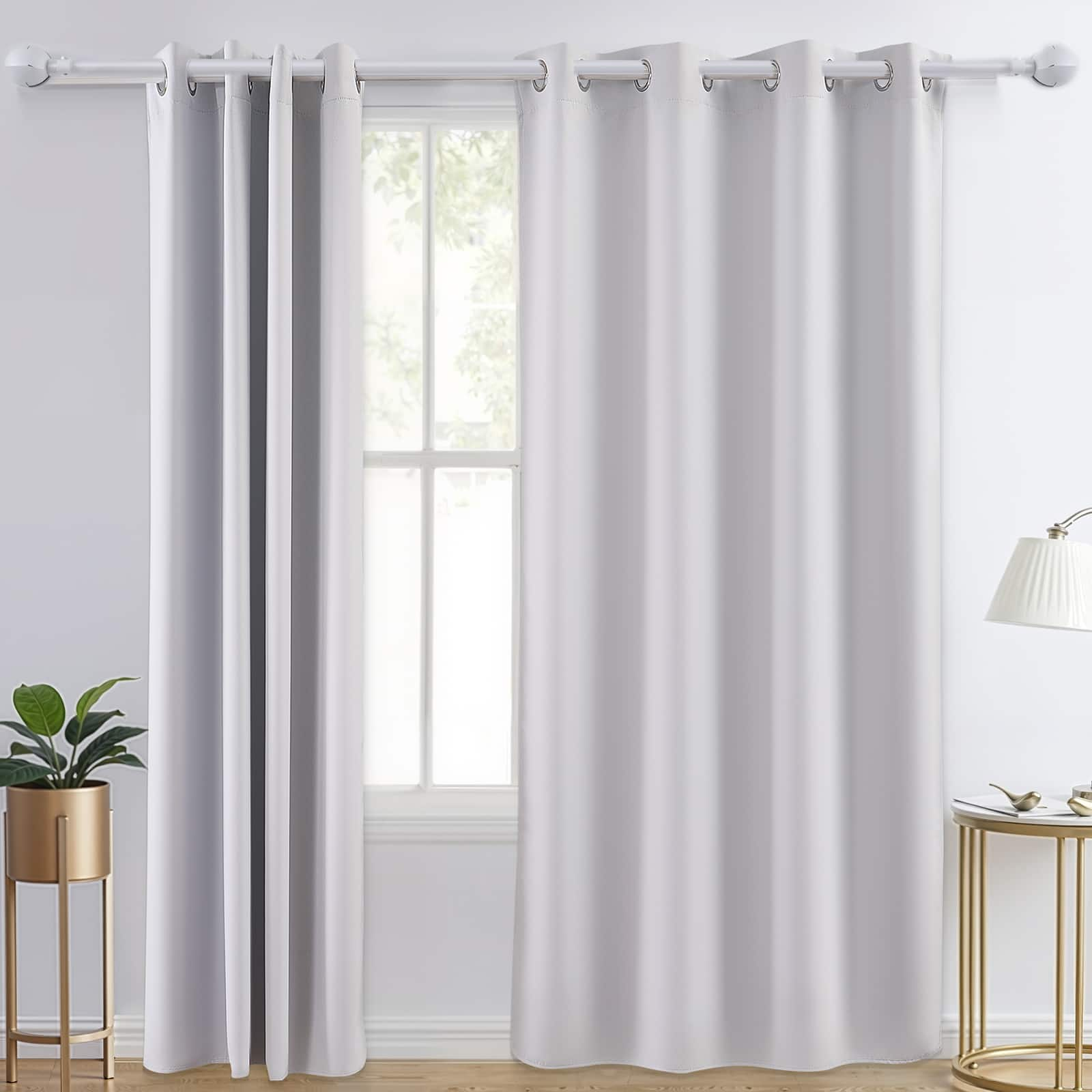
VEVOR - Blackout Curtains, Blocking Drapes for Bedroom and Living Room, 2 Panels Set Grommet Room Darkening Curtain - White
SKU: JJGHKZKRZHSee all Curtains & DrapesProduct Description
A pair of white polyester blackout curtains with rustproof grommets, offering privacy and year-round temperature control.$18.28 Your price for this item is $18.28Save $3Was $21.90The previous price was $21.90 -
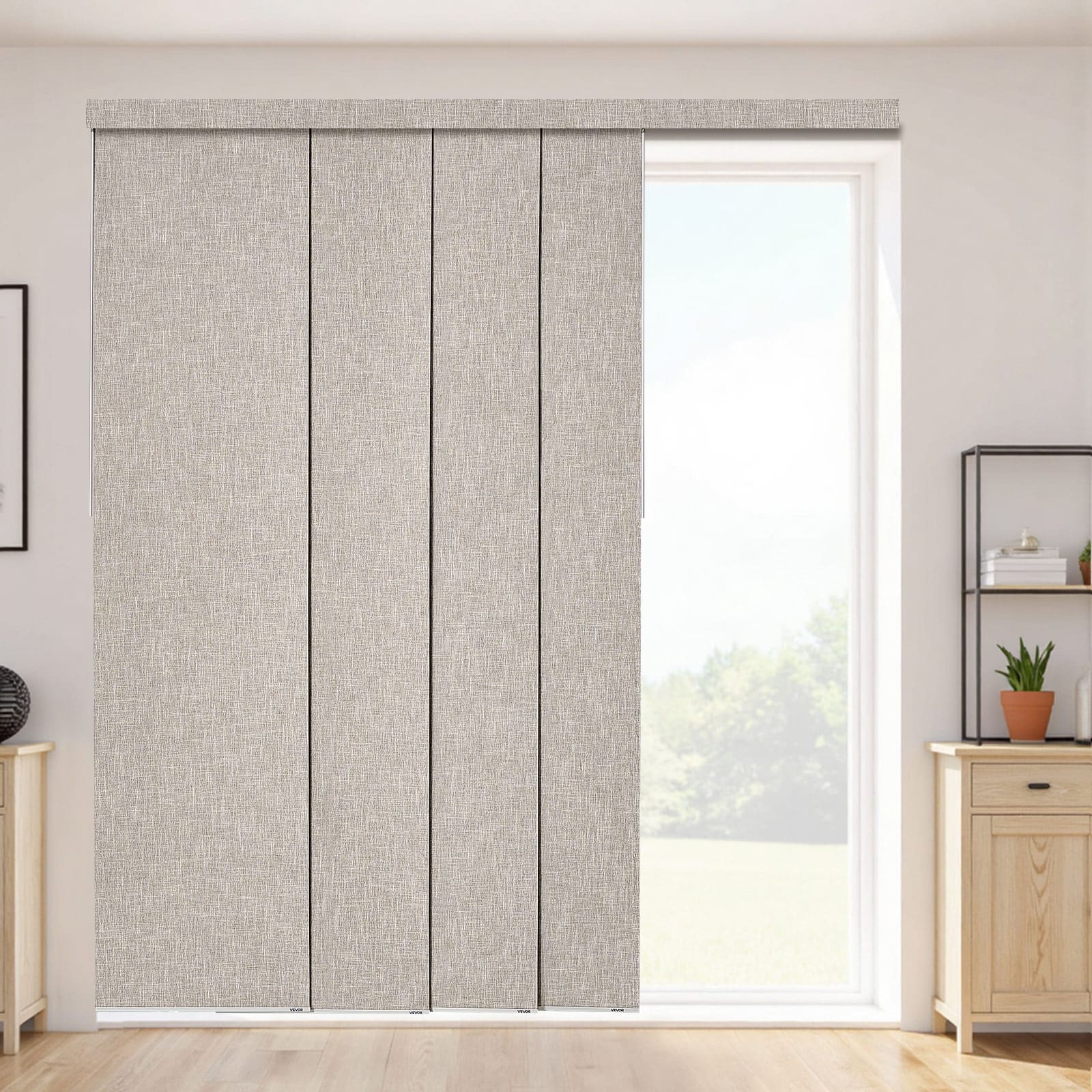
VEVOR - Panel Track Blinds,Extendable Track from 45.8 in to 86 in W,Trimmable Panel Curtains Up to 96 in H,Blackout Panel Blinds - Brown
SKU: JJGHK4WS6VWe did a lot of research prior to making the purchase and these came in at a great price point, others...Overall, these were a great find and we would highly recommend them to others....These blinds were...
See all DecorProduct Description
A brown blackout panel blind made of polyester and aluminum alloy, blocking 99% of light for privacy.$95.97 Your price for this item is $95.97Save $16Was $112.90The previous price was $112.90 -
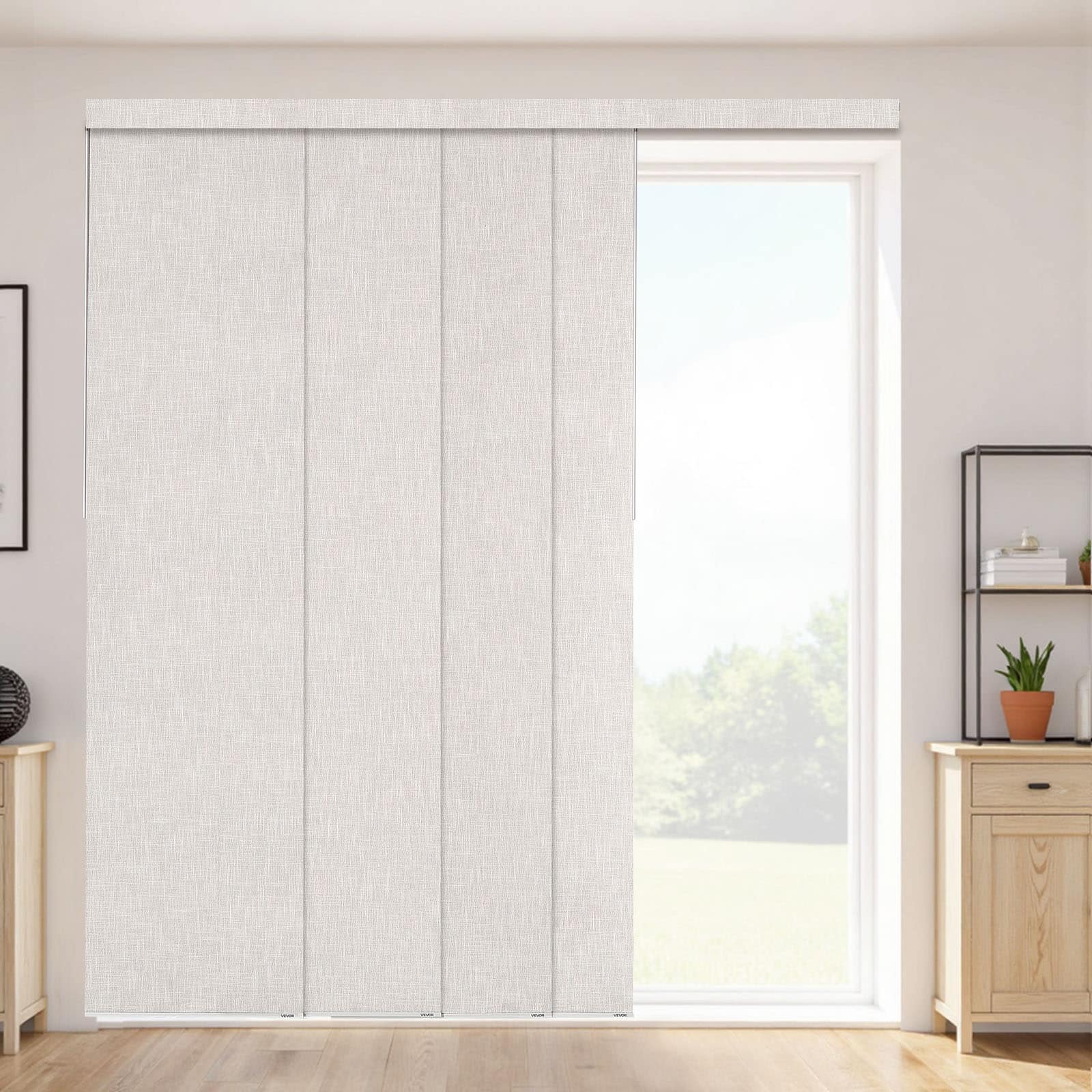
VEVOR - Panel Track Blinds, Extendable Track from 45.8 in to 86 in W, Trimmable Panel Curtains Up to 96 in H, Blackout Panel - Light Gray
SKU: JJGHK4WS9WSee all DecorProduct Description
A light gray blackout panel track blind made of durable polyester and aluminum alloy for enhanced privacy and style.$101.05 Your price for this item is $101.05Save $10Was $111.90The previous price was $111.90 -
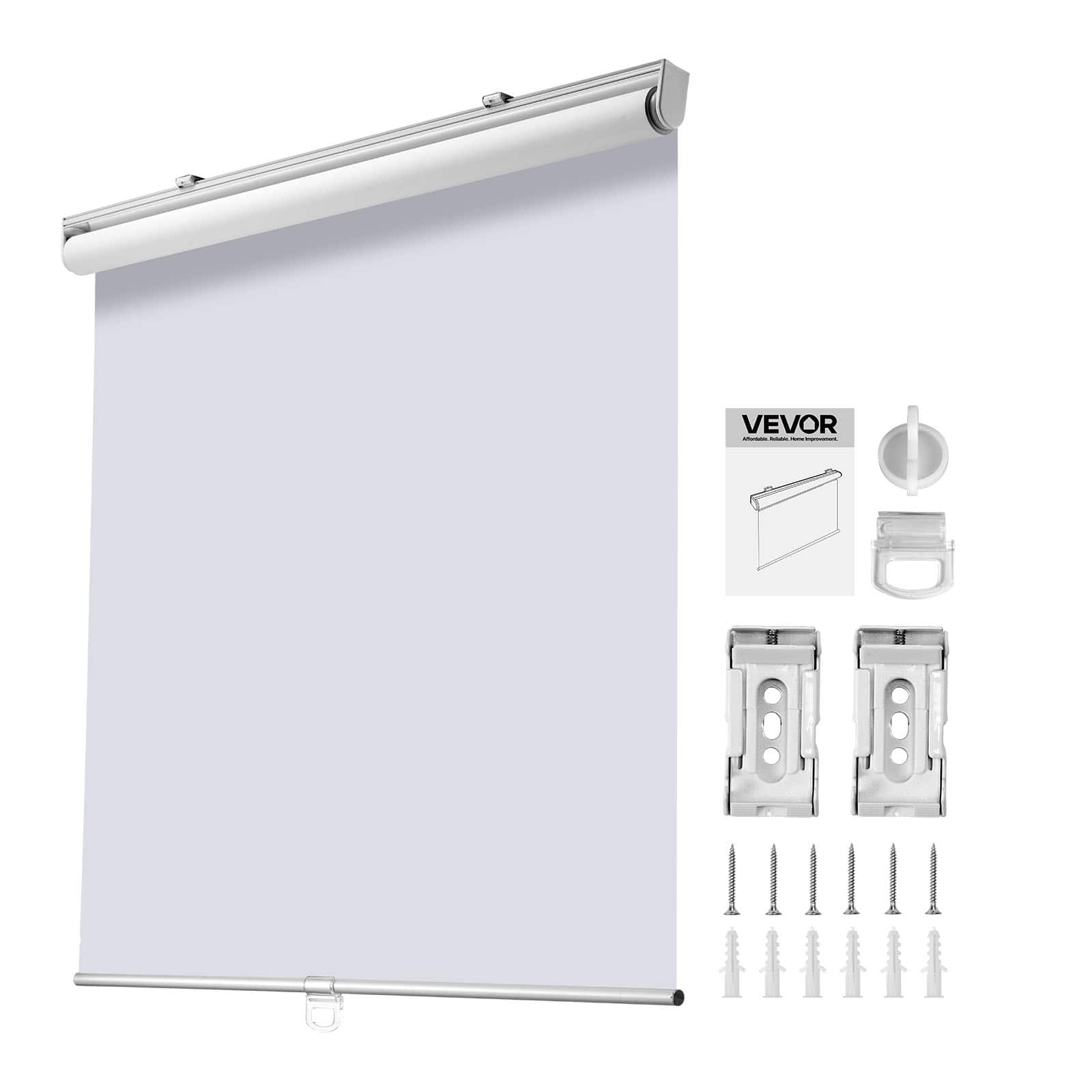
VEVOR - Cordless Roller Shades, 34 x 72 in, Pull Down Blackout Blinds for Windows Room Darkening, Thermal Insulated - White
SKU: JJGHK45R86See all DecorProduct Description
A cordless white blackout roller shade with thermal insulation, waterproof polyester fabric, and sturdy aluminum rails.$32.79 Your price for this item is $32.79Save $4Was $36.90The previous price was $36.90 -
Living Accents - Vinyl 1 in. Blinds 35 in. W X 72 in. H Alabaster Cordless - Brown
SKU: J363J8G8WFSee all DecorProduct Description
A cordless vinyl blind in alabaster that blocks light and heat for added household safety.$38.81 Your price for this item is $38.81 -
Living Accents - Vinyl 1 in. Blinds 32 in. W X 64 in. H Cordless - White
SKU: J363J8G8VPSee all DecorProduct Description
A white vinyl window blind with cordless adjustment, waterproof construction, and effortless light and privacy control.$32.93 Your price for this item is $32.93 -
Living Accents - Vinyl 1 in. Blinds 27 in. W X 64 in. H Alabaster Cordless - Brown
SKU: J363J8G8L4See all DecorProduct Description
A cordless vinyl window blind in brown, offering complete privacy while filtering natural light.$33.77 Your price for this item is $33.77 -
Living Accents - Vinyl 1 in. Blinds 34 in. W X 64 in. H Cordless - White
SKU: J363J8G8GLSee all DecorProduct Description
A white vinyl window blind with 1-inch slats and cordless adjustment for light and privacy control.$33.61 Your price for this item is $33.61 -
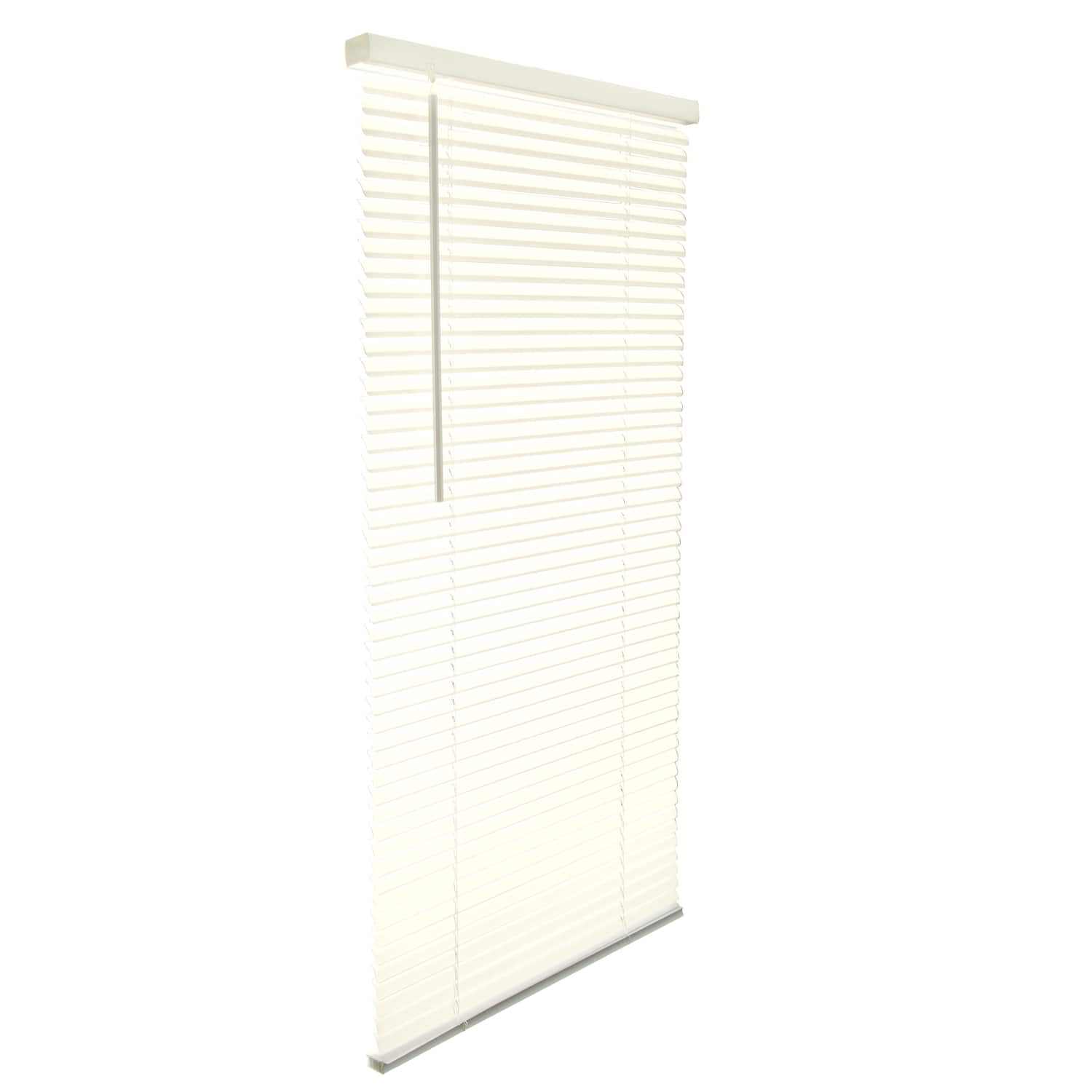
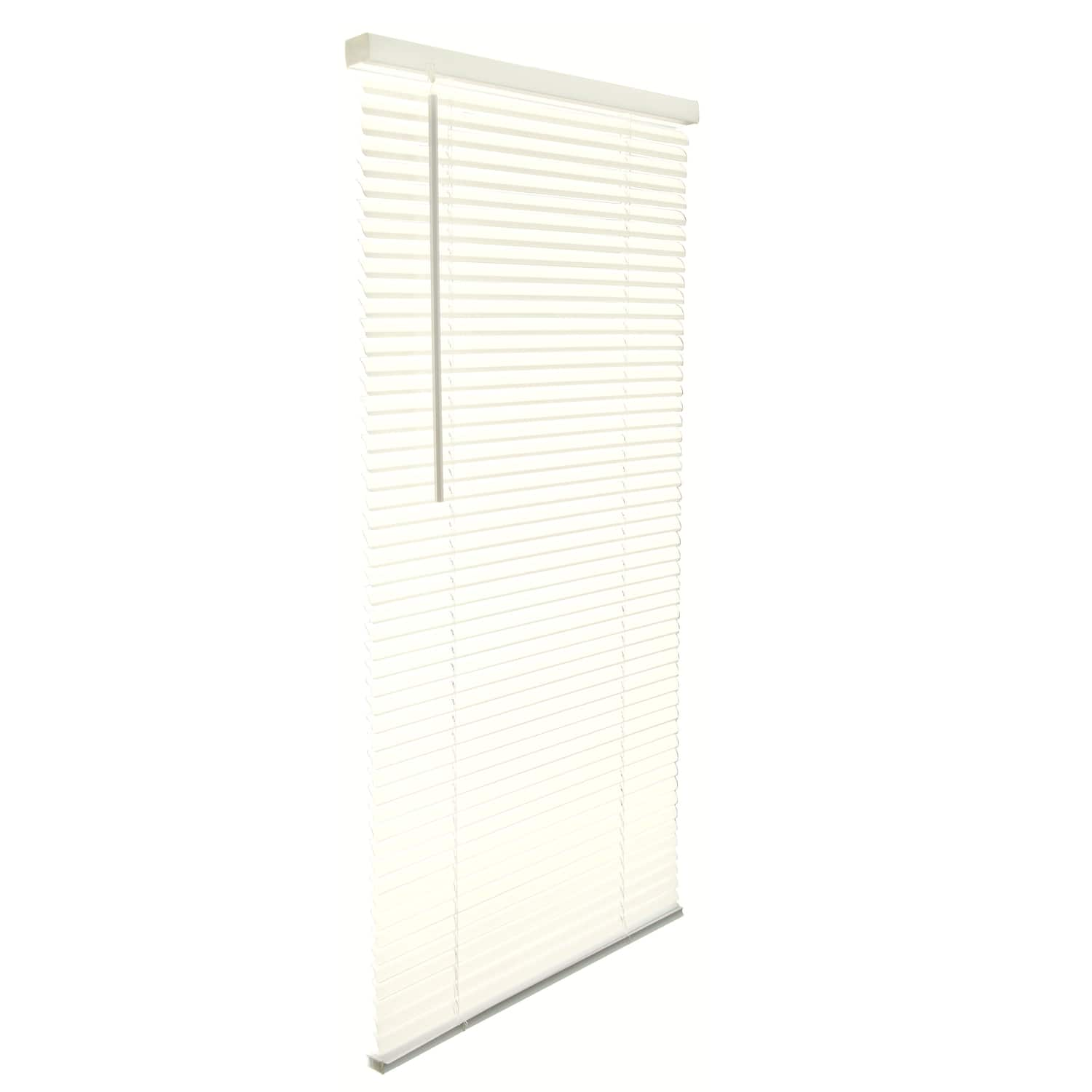
Living Accents - Vinyl 1 in. Blinds 39 in. W X 64 in. H Cordless - White
SKU: J363J8GG7QSee all DecorProduct Description
A white vinyl window blind with cordless operation for convenient privacy and light control.$37.17 Your price for this item is $37.17 -
Living Accents - Vinyl 1 in. Blinds 43 in. W X 64 in. H Cordless - White
SKU: J363J8G86JSee all DecorProduct Description
A white vinyl window blind with cordless operation for light control, privacy, and a clean look.$72.54 Your price for this item is $72.54
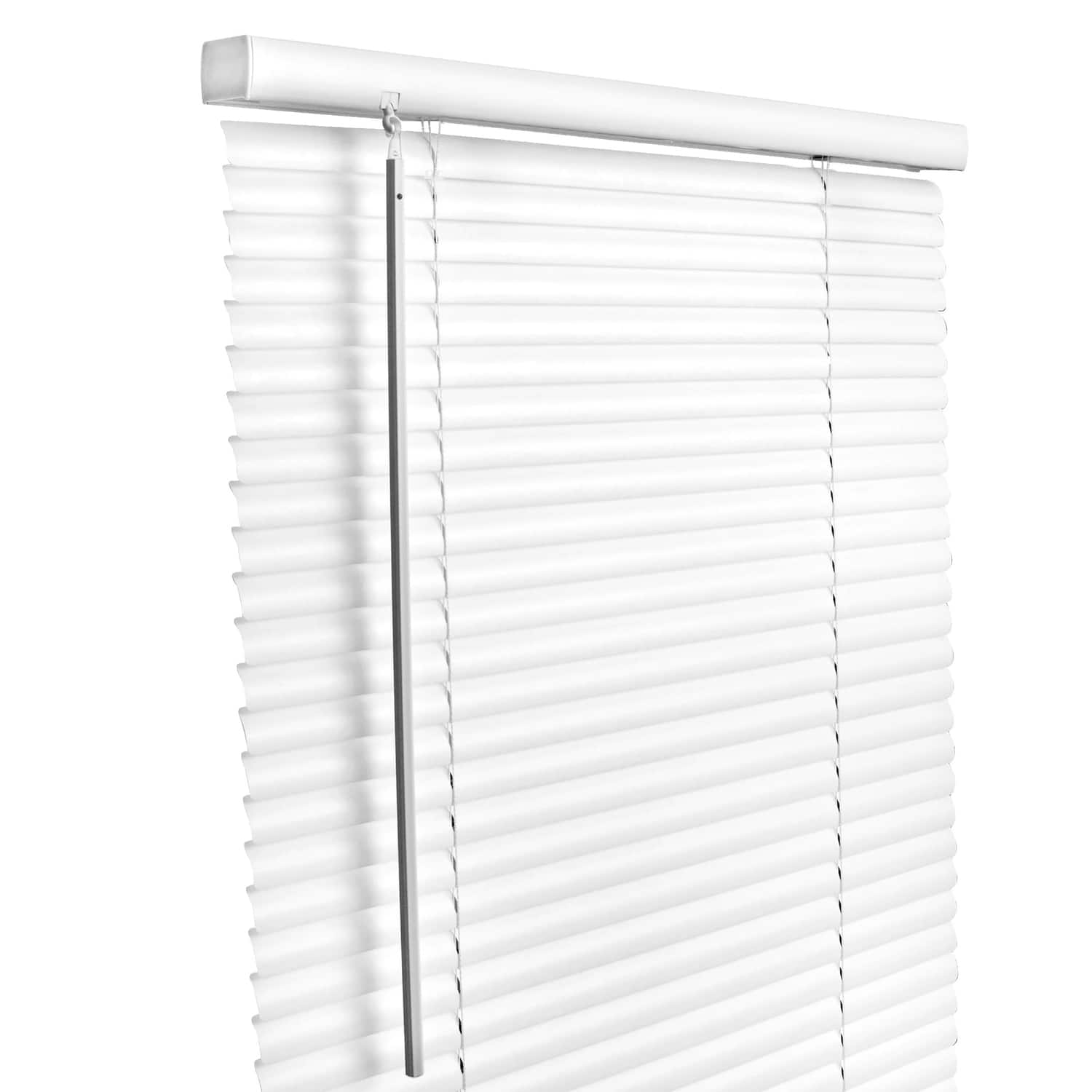
Living room blackout curtains help limit incoming light, reduce glare on TVs and other screens, and add privacy to a space used for everything from afternoon movies to evening conversations. Their light-blocking construction can make dark scenes easier to see without sunlight washing out the picture or reflecting across the screen. They can also help create a dimmer setting for a projector or a quieter-looking backdrop when the living room doubles as a home office. Blackout describes the curtain’s ability to block light, not its color: light-colored panels can have an opaque lining or backing that provides substantial light control. The overall result depends on both the fabric and the way the curtains cover the window, since light can still enter around the top, sides, and center opening. Blackout and room-darkening curtains are not necessarily interchangeable, either. Room-darkening fabric typically reduces light while allowing some to pass through, whereas blackout construction is intended to prevent light from passing through the fabric itself. Materials and construction influence how the panels look, feel, and function. Polyester and polyester blends are common options because they can offer durability, wrinkle resistance, and relatively straightforward care. Cotton blends can provide a softer, more casual appearance, while textured, linen-look fabrics bring visual depth without necessarily having the same care requirements as natural linen. Dense woven fabrics, attached linings, and coated backings are different approaches to light blocking, so surface texture alone does not establish blackout performance. A substantial curtain may drape in broad folds, while a lighter face fabric with a separate blackout layer can create a softer appearance. Multiple fabric layers may offer insulating benefits, although performance varies with construction and window coverage. Curtains can also absorb some reflected sound within a room, making hard surfaces feel less acoustically sharp, but they should not be treated as soundproofing or a reliable barrier against outside noise.
Fit has as much influence on the finished effect as fabric choice. Curtain measurements need to account for the installed rod, the desired finished length, and enough combined panel width to form folds when closed. Panels stretched flat across a window can look skimpy and may separate more easily at the center; additional fullness creates a more substantial appearance and gives the fabric room to overlap. The appropriate fullness depends on the header style and fabric weight, so sizing information is more useful than assuming every panel needs the same width allowance. Extending the rod beyond the window frame can help reduce light at the sides and let open curtains stack away from the glass. A rod mounted above the frame may improve top coverage, although the header design still affects how much light escapes. Grommet curtains form pronounced, even folds and usually slide directly on a compatible rod, but their openings can allow light near the top. Rod-pocket panels have a gathered appearance and may be better suited to windows where the curtains remain in place for longer periods. Back tabs, rings, and other hanging methods create different spacing between the fabric and the wall, which can affect both movement and light control. Finished length is measured from the point where the fabric actually hangs, not always from the top of the rod. Floor-skimming curtains give a living room a tailored look without excess fabric collecting underfoot. For tall windows, elevated rod placements, or rooms with high ceilings, Extra Long Blackout Curtains can provide the additional length needed for balanced proportions. Hardware also matters: the rod, brackets, anchors, and center supports need to accommodate the combined curtain weight and the wall construction. Adequate clearance helps panels move past window handles and trim, while furniture placement should leave enough room to open and close them without pulling fabric across a sofa arm or trapping it behind a cabinet.
Blackout curtains can become a strong visual element in a living room, especially when they cover a large window or sliding glass door. A solid neutral can blend with the walls and keep attention on artwork, a media console, or a favorite chair. A deeper color can frame the window more distinctly, while a subtle woven texture adds interest without introducing another pattern beside a rug or upholstered furniture. The appearance of the reverse side matters as well, particularly where the curtains are visible from outside or through an adjacent window. Layering blackout panels with sheers allows more flexibility: the sheers soften the view and admit daylight when the blackout layer is open, while the heavier panels close for movies or greater privacy. Sheers alone do not provide dependable privacy after dark when interior lights are on. For a frequently used living room, easy movement and manageable care are practical considerations, not just finishing details. Curtains that open smoothly are more convenient for households that alternate between screen viewing and daylight throughout the day. Durability depends on sound stitching, secure headers, and a lining or backing that remains intact through repeated handling. Care requirements can differ substantially, even between curtains with similar face fabrics. Some panels are machine washable, while others require spot cleaning or professional cleaning; coated blackout layers may need particular care to avoid damage. Following the care label helps protect the fabric, backing, and finished dimensions. Regular gentle vacuuming with an upholstery attachment can remove surface dust when the care instructions permit it, and prompt attention to spills can help prevent lasting marks. Ironing or steaming also needs to follow the label, especially around coated surfaces. Curtains should remain clear of heaters, vents, and open flames, and their placement should not interfere with doorways or essential window access. With suitable coverage, secure installation, and an appearance that complements the room, living room blackout curtains support everyday privacy and comfortable screen viewing while still looking like an intentional part of the furnishings.
Best Sellers
Related Pages
FAQ
Living room blackout curtains commonly feature polyester, polyester blends, velvet, or linen-look fabrics. Some have a separate backing or lining, while others use a multilayer woven construction. Fabric choice affects the curtains’ texture, drape, and care requirements.
Blackout curtains come in a variety of colors, including white, beige, gray, navy, and jewel tones. Patterns may include geometric designs, florals, stripes, and subtle woven textures. The term blackout describes the curtain construction, not the fabric color.
Choose a color that complements your sofa, rug, or accent pillows for a cohesive look. Solid curtains pair well with patterned furnishings, while printed curtains can add visual interest to a neutral room. Linen-look textures suit casual spaces, and velvet adds a more formal touch.
Common header styles include grommet, rod pocket, back tab, and pinch pleat. Grommet curtains have visible rings, rod-pocket styles gather along the rod, and back tabs create a concealed hanging detail. Pinch-pleat curtains offer a tailored appearance and typically use hooks or rings.
Follow the care label, since cleaning methods vary by fabric and backing. Some blackout curtains are machine washable, while others require spot cleaning or dry cleaning. Check the care instructions before ironing or steaming, and gently dust or vacuum with an upholstery attachment between cleanings.