Skip to contentGo to Product Search
Main Content
Categories & Filters

Fast Laptops For Programming

Fast laptops for programming are essential tools for developers who need reliable performance and efficiency. Whether you're coding, compiling, or running multiple applications at once, the right laptop can help streamline your workflow and boost productivity. Explore a selection of fast laptops for programming designed to keep up with demanding tasks and support your creative projects, all while offering the speed you need to stay ahead.

Read More
Results
Main Results
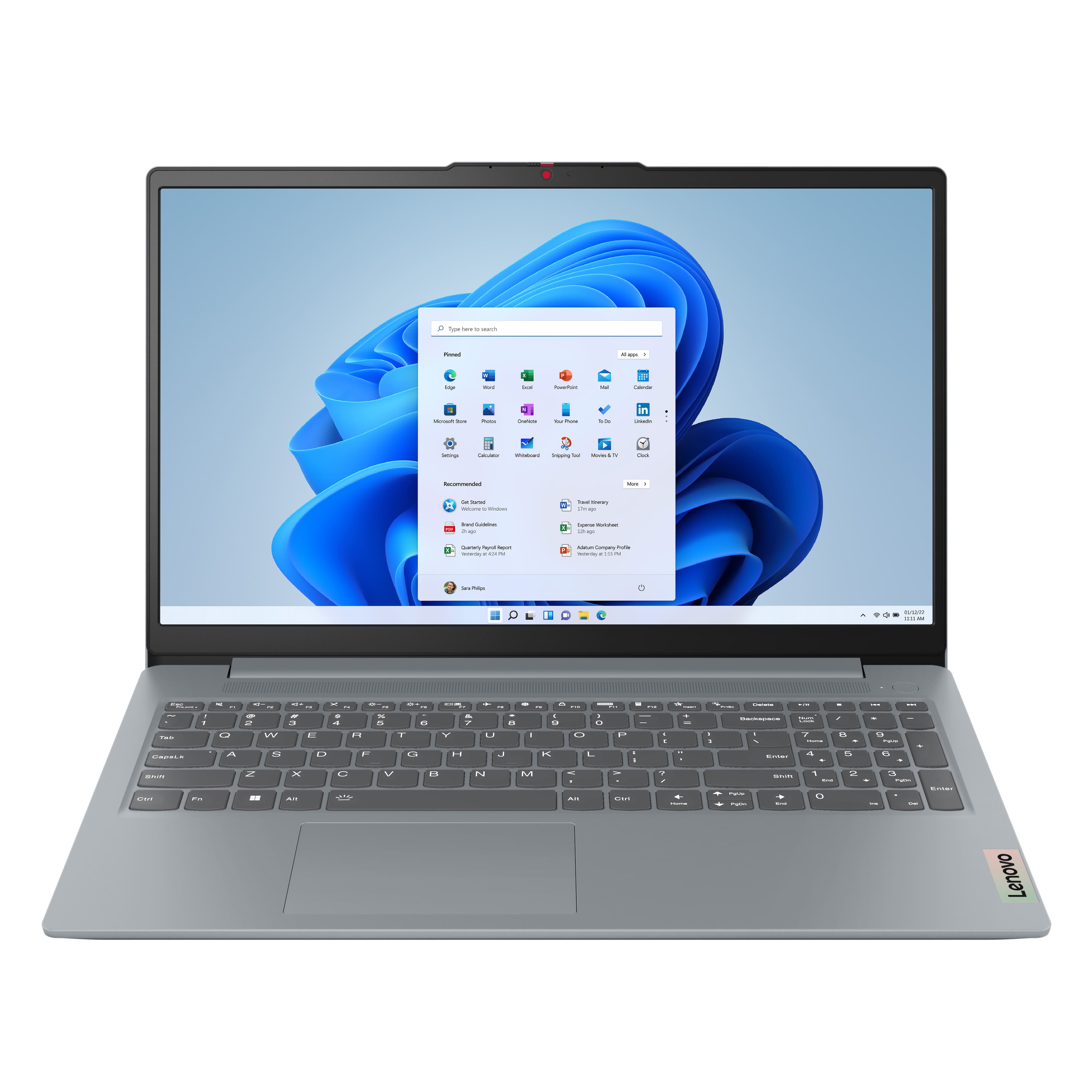
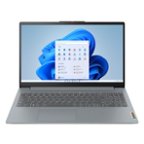
  1. Lenovo - IdeaPad Slim 3 15.6" Full HD Touchscreen Laptop - AMD Ryzen 7 5825U 2022 - 16GB Memory - 512GB SSD - Arctic Grey

    SKU: JJGSH2ZQWS

    Love this laptop...Love this computer, made a great selection. No complaints...Great laptop. Fast. Good battery. Love the design and look.

    Product Description

    A slim Arctic Grey touchscreen laptop with AMD Ryzen 7, 16GB memory, and 512GB SSD for versatile use.
    See all All Laptops
    Your price for this item is $679.00
    Save $70
    The previous price was $749.99
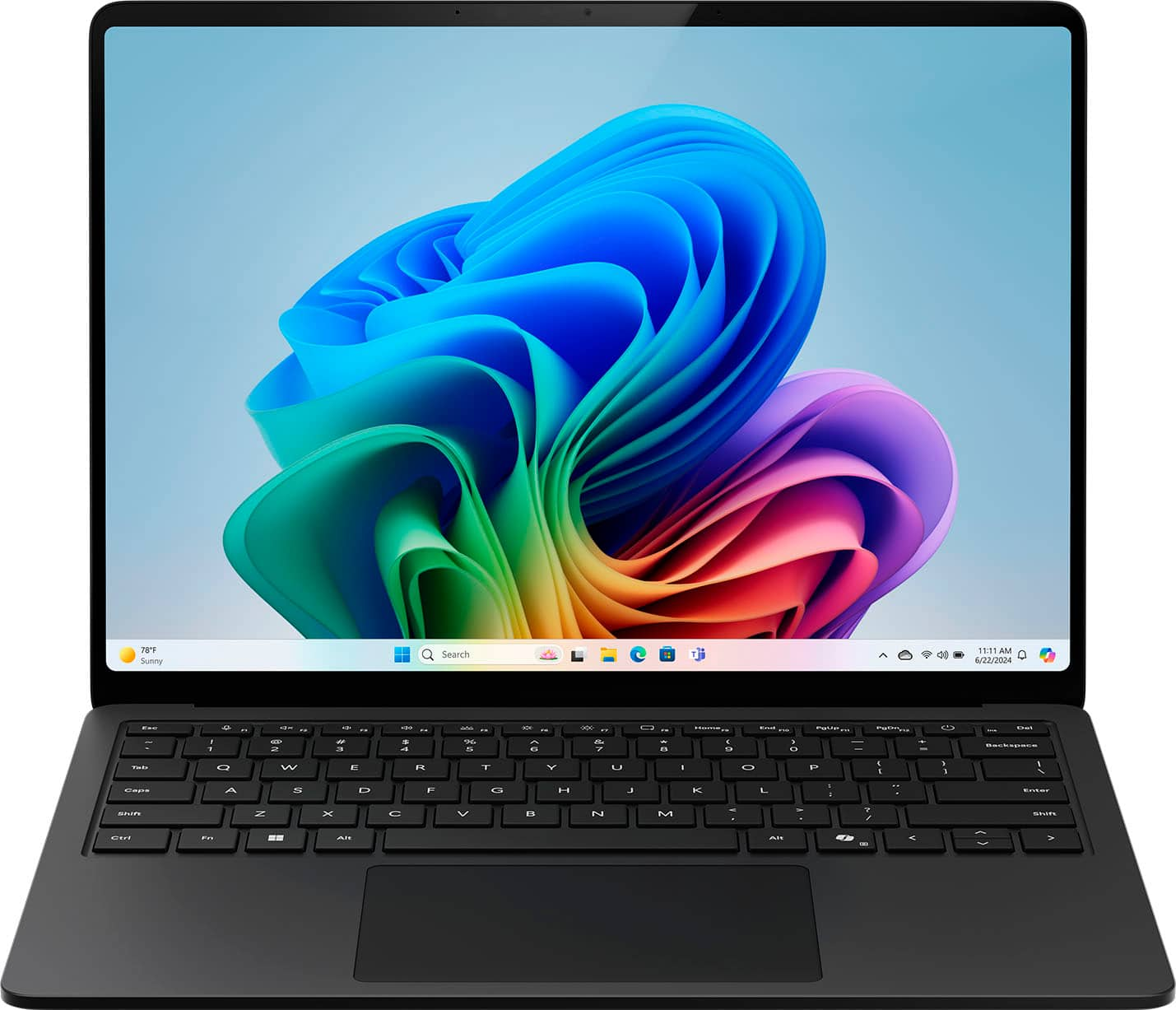
  2. Microsoft - Surface Laptop - 13.8" 2K Touchscreen - Snapdragon X Elite 2024 - 16GB Memory - 512GB Storage (7th Ed) - Copilot+ PC - Black

    SKU: JJGXPX72SL

    Product Description

    A sleek black laptop featuring a 13.8" touchscreen, Snapdragon X Elite processor, 16GB RAM, and 512GB SSD.
    See all Windows Laptops
    Your price for this item is $1,217.98
    Save $482
    The previous price was $1,699.99
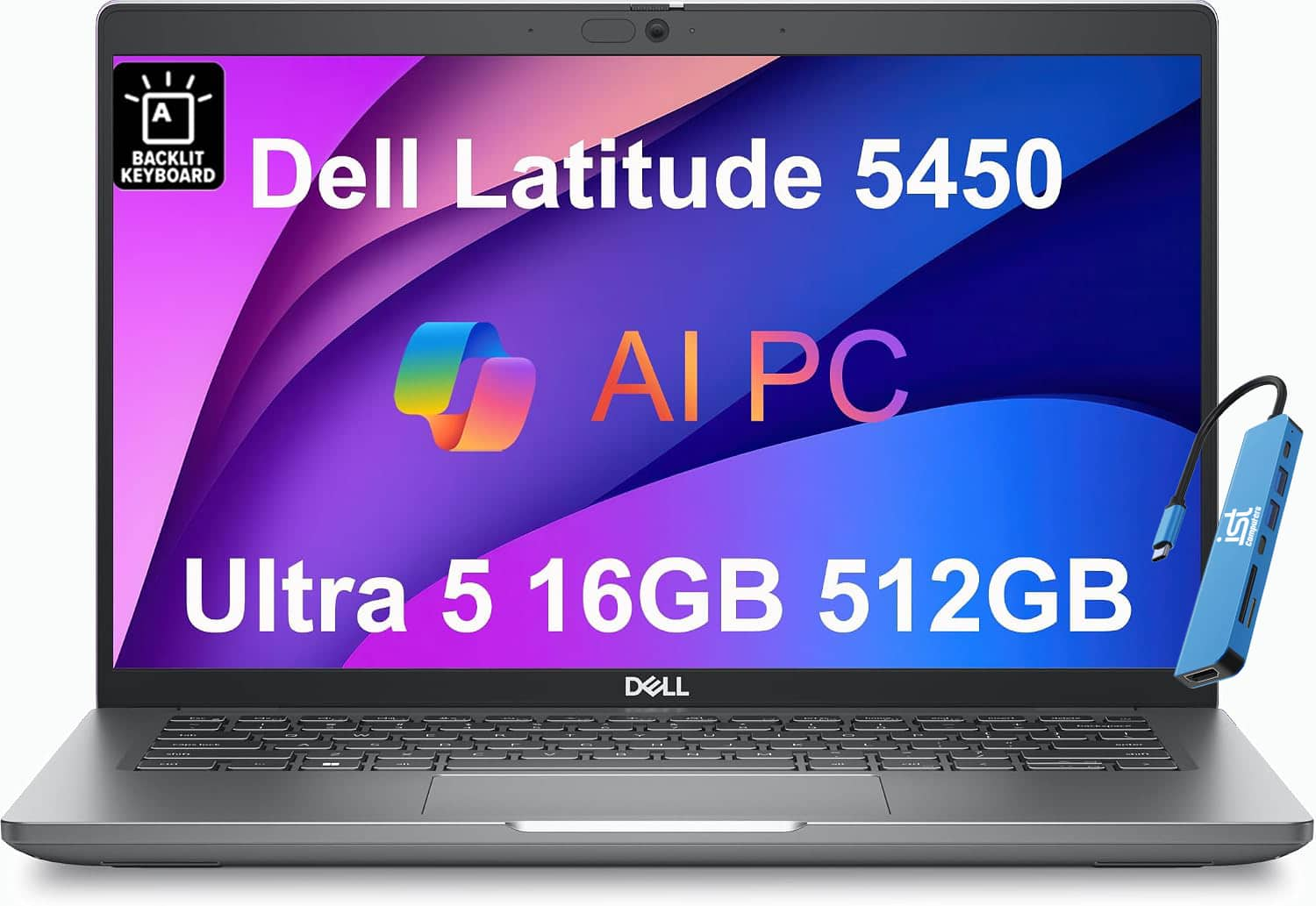
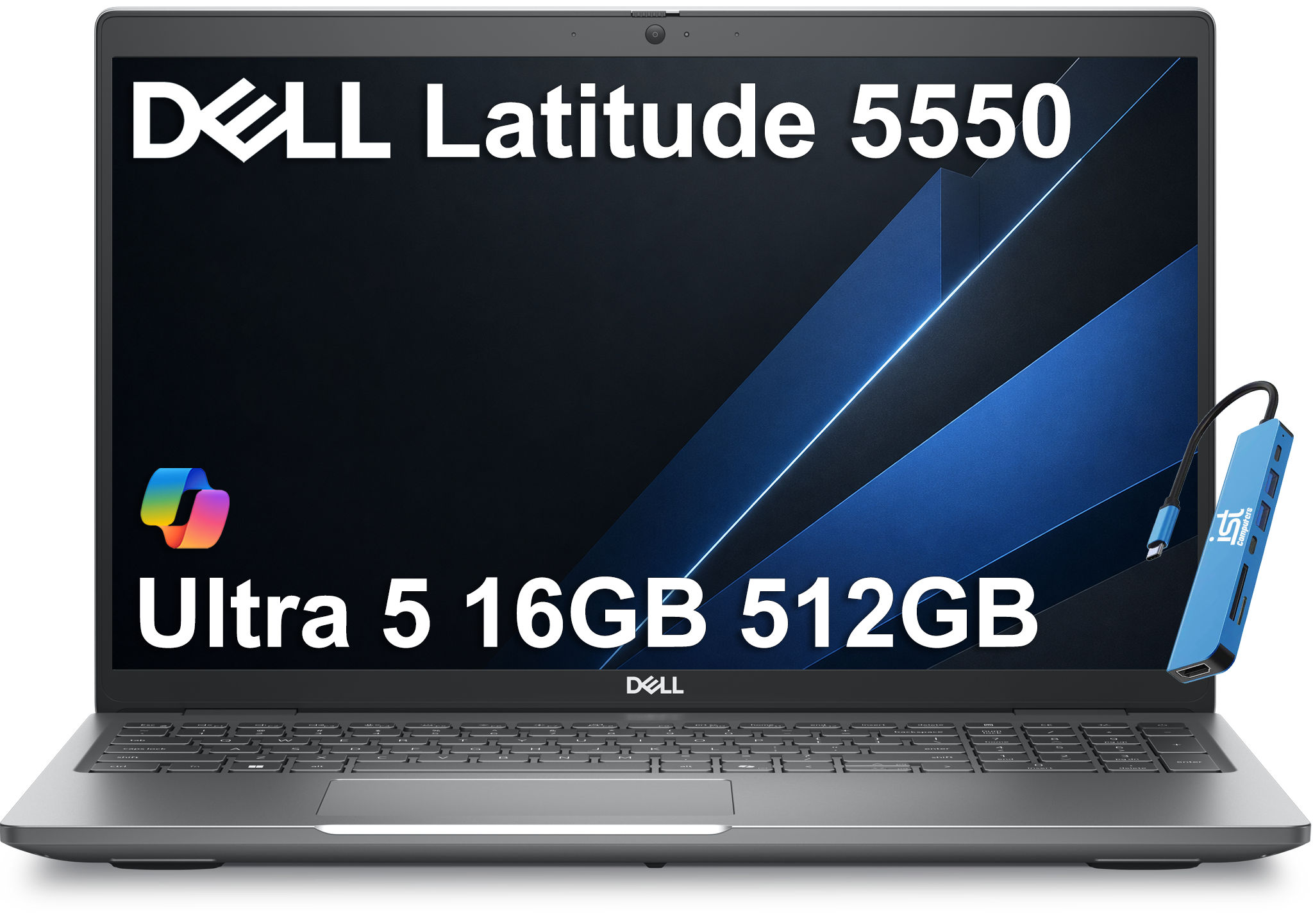
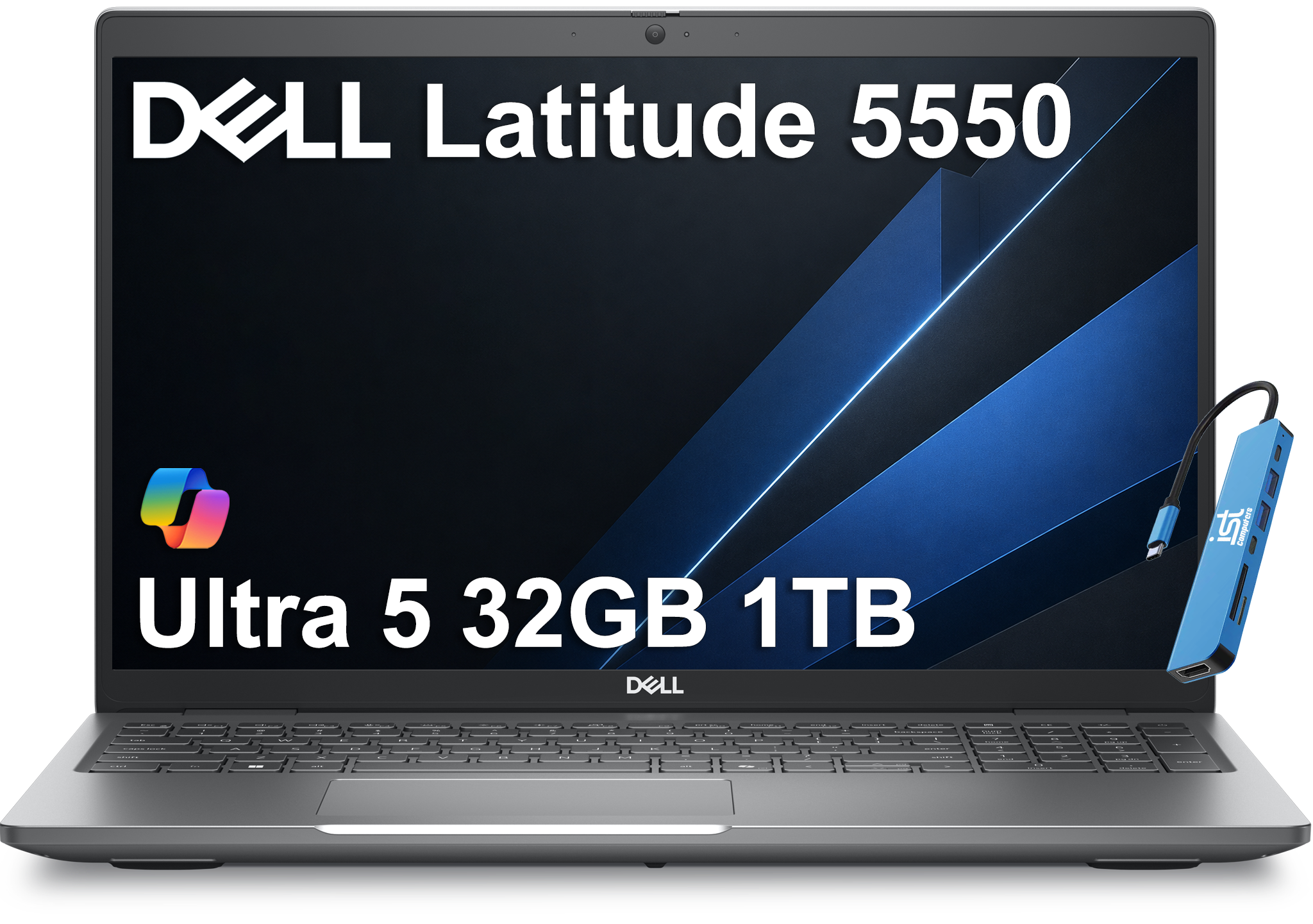
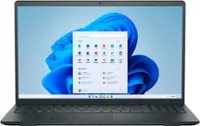
  3. Dell - Upgraded - Latitude 5450 14" FHD Business Laptop - Intel Core Ultra 5 - 16GB RAM - 512GB SSD - Thunderbolt - Backlit - Win 11Pro - Titans Grey

    SKU: J3GWQRFPRP

    Great computer

    Product Description

    A sleek Titans Grey laptop with Intel Core Ultra 5, 16GB RAM, 512GB SSD, and Thunderbolt 4.
    See all All Laptops
    Your price for this item is $1,049.99
  4. Your price for this item is $699.99
    Save $50
    The previous price was $749.99
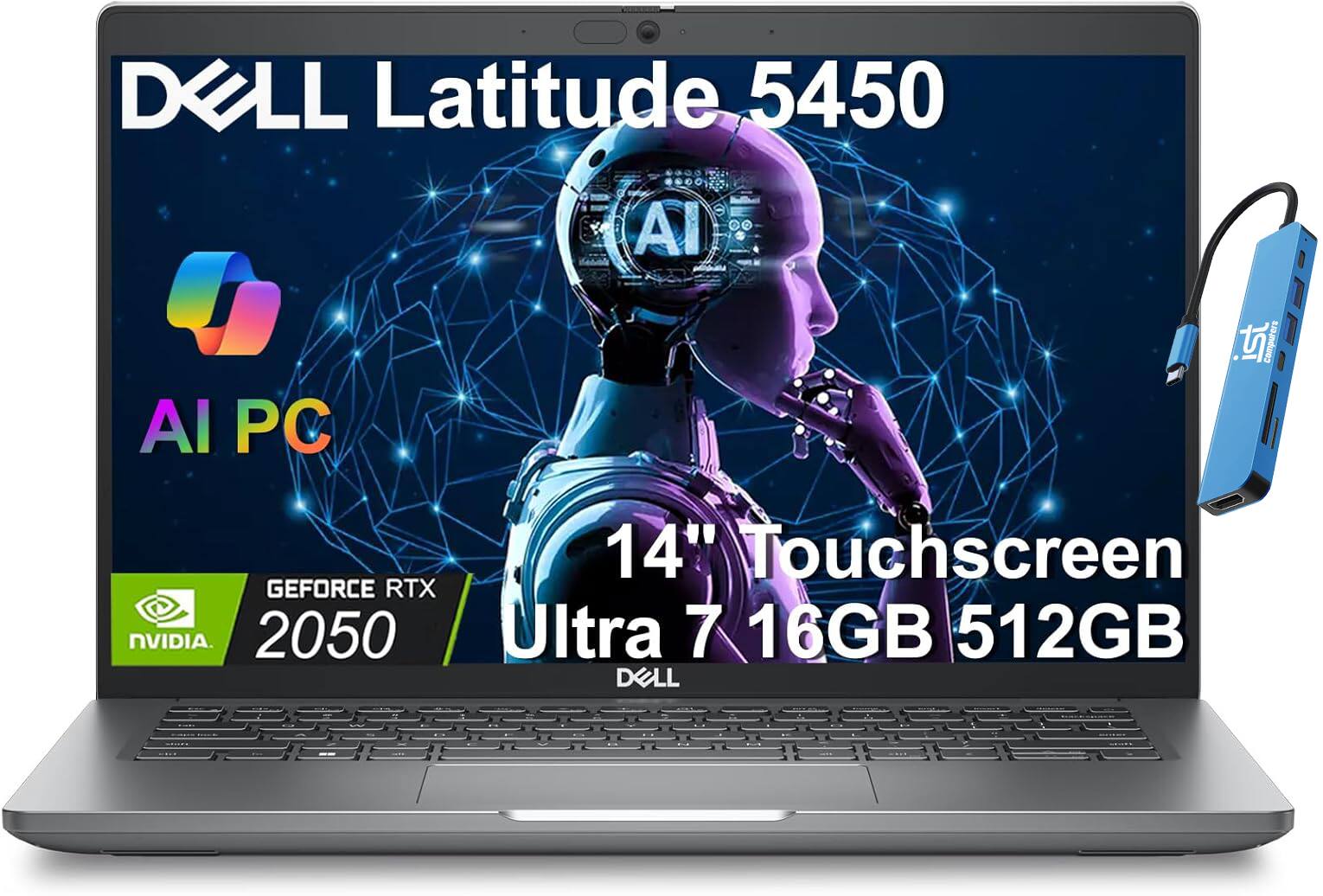
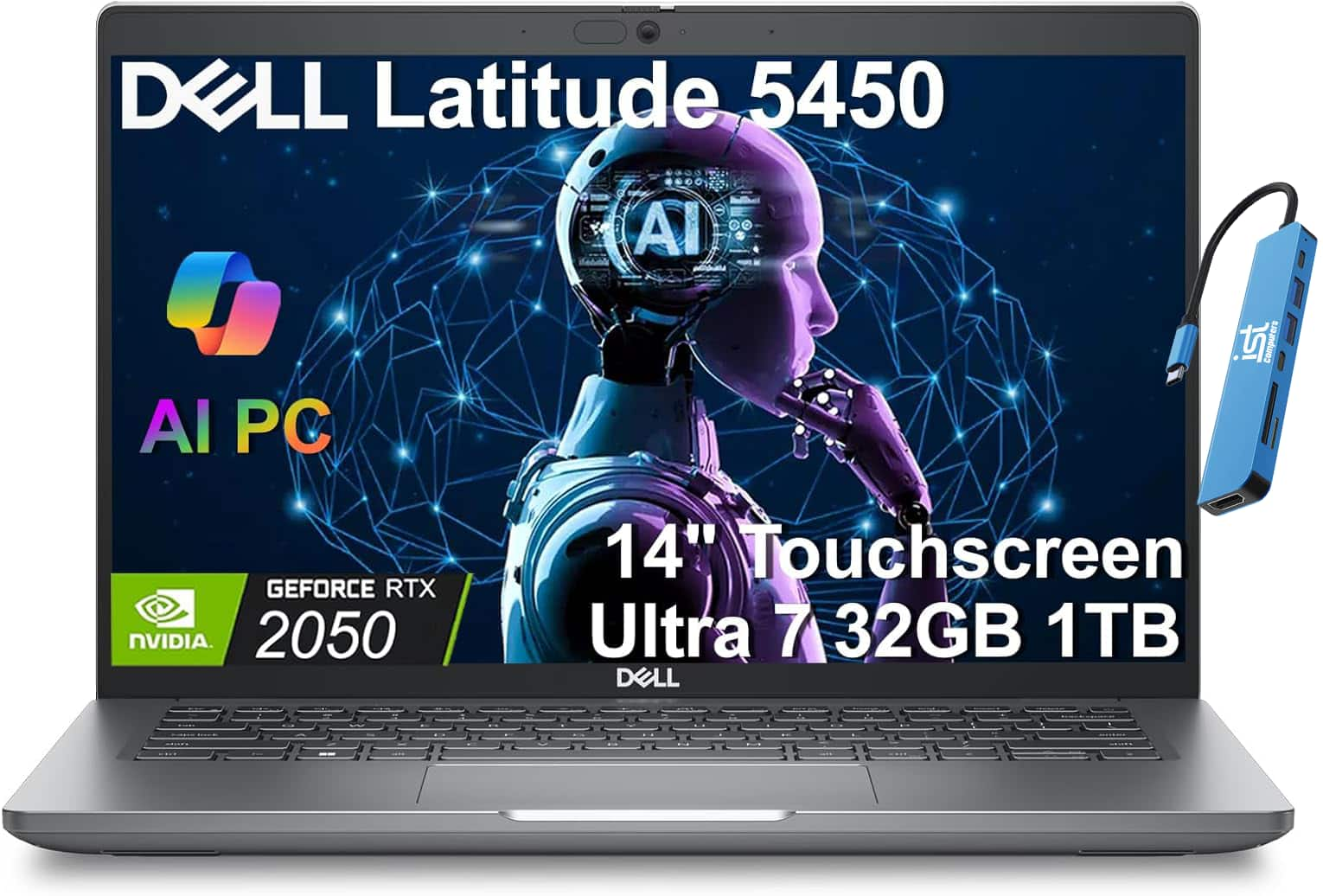
  5. Dell - Upgraded - Latitude 5450 14"FHD Touchscreen AI Business Laptop - Intel Ultra7 - NVIDIA RTX2050 - 32GB RAM - 1TB SSD - Win11Pro - Titans Gray

    SKU: J3GWQRFPWC

    Product Description

    A powerful gray touchscreen business laptop with Intel Ultra7, NVIDIA RTX2050, 32GB RAM, and 1TB SSD.
    See all All Laptops
    Your price for this item is $1,699.99
  6. Your price for this item is $1,199.99
  7. Your price for this item is $1,399.99
  8. Your price for this item is $1,549.99
  9. Your price for this item is $1,159.00
    Save $500
    The previous price was $1,659.00
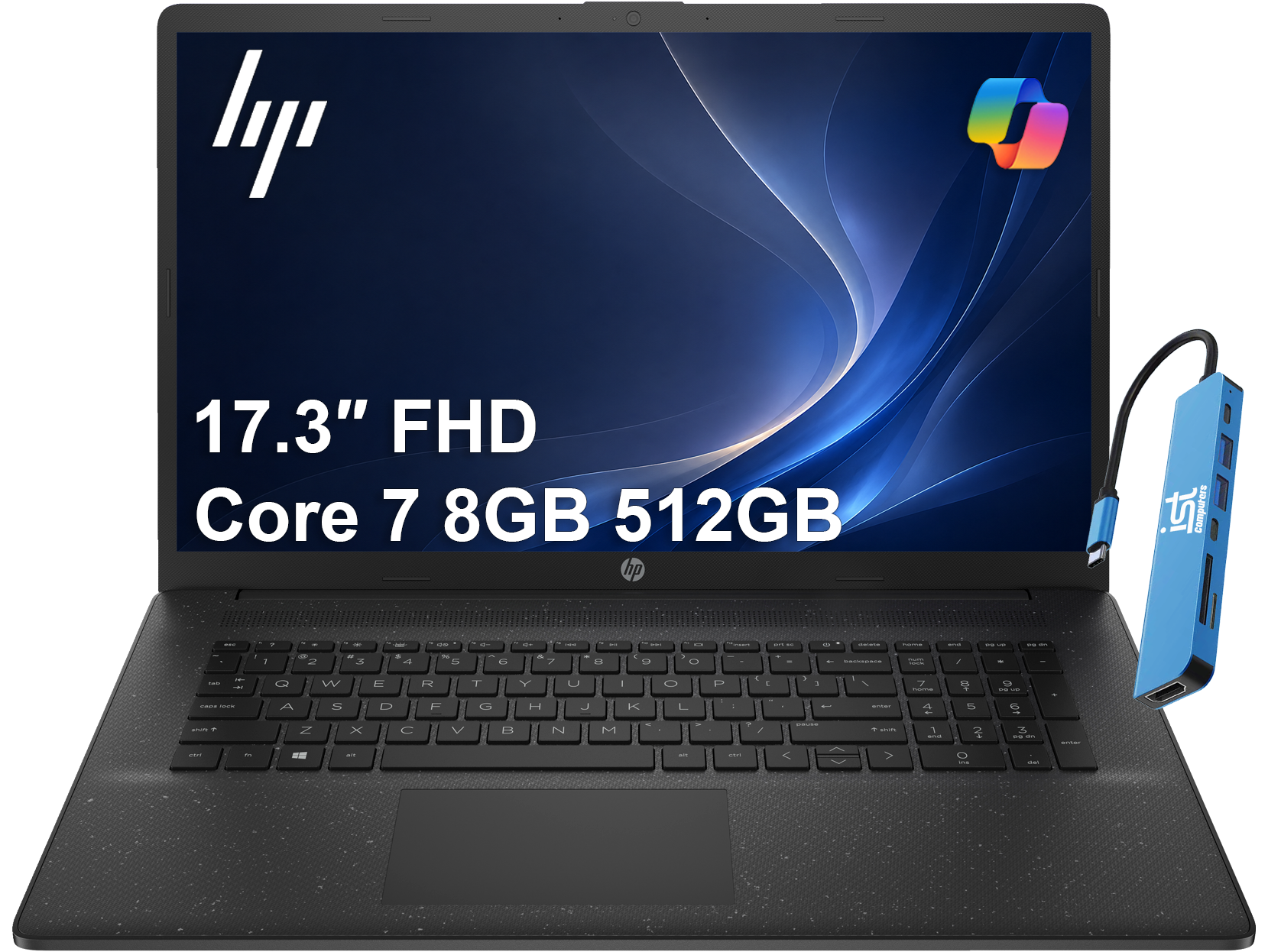
  10. Samsung - Upgraded - Galaxy Book4 15.6" FHD Laptop,Intel Core 7 150U,16GB RAM,512GB,Backlit,Fingerprint,Win 11 Pro - Silver

    SKU: J3ZYG27K7K

    Product Description

    A sleek silver business laptop featuring Intel Core 7, 16GB RAM, 512GB SSD, and Windows 11 Pro.
    See all All Laptops
    Your price for this item is $879.00
Fast laptops for programming are built to keep pace with the way developers actually work: an editor or integrated development environment open beside documentation, a browser filled with reference tabs, a local server running in the background and several terminal windows ready for testing commands. A responsive computer makes each part of that routine feel more fluid, from launching a project and searching a codebase to compiling an application and switching between tools. The processor is the foundation of that experience. Look for a modern multi-core processor that can handle parallel tasks efficiently, especially if your work includes compiling large projects, running emulators, processing data or managing several applications at once. Higher-performance processor families are helpful for demanding development environments, while efficient chips can provide a strong balance of speed, quiet operation and battery life for people who move between a desk, classroom, library or shared workspace. Memory is equally important because programming workloads can expand quickly. While 16GB is a practical baseline for many developers, additional memory is valuable when running containers, virtual machines, mobile-device simulators, databases, creative applications or multiple local services. A laptop with 24GB, 32GB or more can provide extra breathing room for advanced coursework and professional projects, helping prevent slowdowns when a development environment is open alongside communication tools, browsers and testing utilities. Fast solid-state storage also makes a noticeable difference. A 512GB SSD can suit smaller projects and cloud-based workflows, while a 1TB drive gives more room for software development kits, repositories, virtual environments, design assets, games and personal files. Since some programming tools and operating systems take substantial space, checking both the storage capacity and the possibility of future expansion can make a laptop more useful over its full lifespan.

The best fast laptop for programming depends on the type of development, preferred operating system and daily working habits. Web developers may prioritize quick startup, smooth multitasking and a sharp display for comparing code with a live browser preview. Mobile app developers can benefit from enough processing power and memory to run emulators without interrupting other work, while game developers and students working with 3D tools may need stronger graphics performance in addition to a fast processor. People exploring data science, artificial intelligence or machine learning should consider a system with ample memory, generous storage and graphics capabilities suited to their software; some workloads may be better handled through remote servers or cloud platforms, so dependable connectivity is also useful. Software compatibility matters just as much as raw performance. A familiar desktop operating system can simplify access to preferred development tools, while Unix-like environments are often appealing for command-line workflows and server-oriented projects. Windows laptops offer broad compatibility with applications, peripherals and development platforms, and many systems support tools that allow developers to work across multiple environments. Linux users should confirm hardware support for their preferred distribution, including wireless connectivity, graphics drivers, sleep behavior and peripheral compatibility. Beyond specifications, pay close attention to the keyboard and screen because programming often involves many hours of reading, writing and reviewing text. A firm, comfortable keyboard with useful key travel can make long sessions less tiring, and a full-size layout with dedicated navigation keys may be helpful for editing code. A bright, high-resolution, anti-glare display makes small text easier to read and can reduce reflections in rooms with windows or overhead lighting. Screen size involves a practical tradeoff: a larger display offers more room for split-screen work, while a compact laptop is easier to carry to class or a café. Battery capacity, charging speed, webcam quality, port selection and wireless performance round out the experience. USB-C connectivity, video output and support for external displays can turn a portable computer into a productive desktop setup, especially when paired with a comfortable keyboard, mouse and monitor.

Fast laptops for programming can be a thoughtful choice for a student beginning computer science, a self-taught developer building a portfolio, a professional maintaining production software or a creative problem-solver learning a new language. They can support everything from simple scripts and website projects to collaborative repositories, app prototypes and complex local development environments. For students, dependable performance and a comfortable design can make it easier to move from lectures to assignments without carrying a desktop setup, while a capable laptop can remain useful through changing courses and more advanced projects. Someone purchasing a gift may want to consider the recipient’s preferred operating system, school or workplace requirements, software licenses and the likelihood that they will run virtual machines or emulators. A lightweight model with a strong battery may suit a commuter, whereas a larger screen and robust cooling system may be more practical for someone who works primarily at home. Buyers comparing options for coursework can also explore Laptop For Programming Students for additional context around student-focused needs. During the cooler months, a portable laptop can move easily from a home office to a study area while keeping projects close at hand, and its usefulness extends well beyond seasonal gifting. Before choosing, compare processor generation, core count, memory, SSD capacity, display characteristics, keyboard comfort, weight, battery expectations, warranty coverage and upgrade options rather than relying on a single specification. It is also wise to check the recommended requirements for the programming languages, frameworks and tools you plan to use, since a laptop that feels fast for introductory web development may need more headroom for large codebases, virtualization or graphics-heavy projects. The right combination of responsive performance, comfortable ergonomics and dependable compatibility can make coding sessions feel more focused, whether you are fixing a small bug, preparing a class project or turning an ambitious idea into working software.

FAQ

When choosing a fast laptop for programming, consider a powerful processor (such as Intel Core i5/i7 or AMD Ryzen 5/7), at least 16GB of RAM, and a solid-state drive (SSD) for quick boot times and file access. A high-resolution display and comfortable keyboard can also enhance your coding experience.

A dedicated graphics card is not essential for most programming tasks, but it can be beneficial if you work with game development, machine learning, or graphics-intensive applications. For general software development, integrated graphics are usually sufficient.

For most programming needs, 16GB of RAM is recommended to ensure smooth multitasking and efficient performance. If you work with large projects or virtual machines, consider opting for 32GB or more.

An SSD (solid-state drive) significantly improves system responsiveness, reduces load times, and speeds up file transfers compared to traditional hard drives. This can make compiling code and running development environments much faster.

The best operating system depends on your development needs. Windows is versatile and supports many languages and tools; macOS is popular among developers working with iOS or web technologies; Linux offers flexibility and is favored for open-source development. Choose the OS that aligns with your workflow and preferred tools.