Low-Light DSLR Camera
-
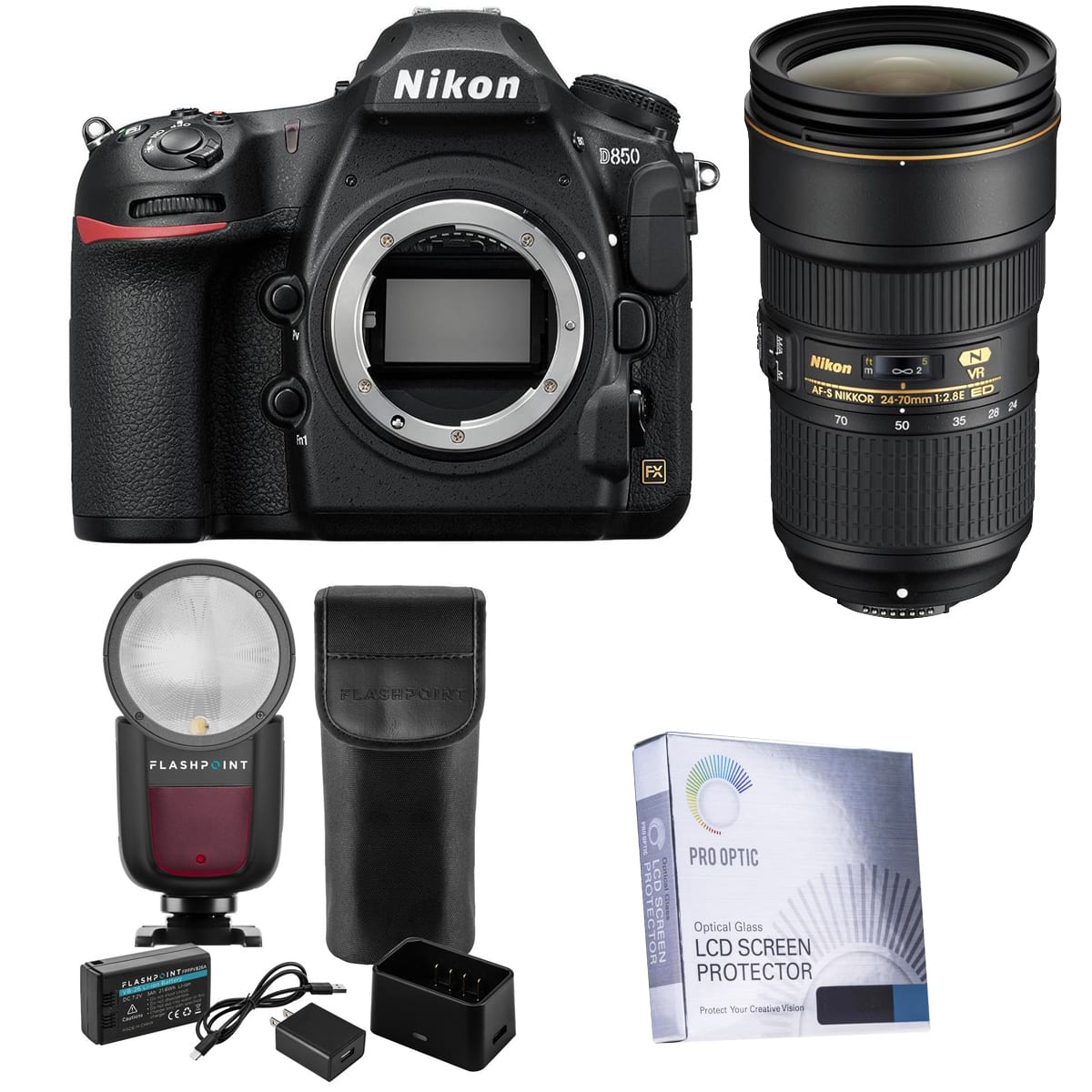
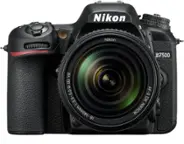
Bundle - Nikon - D850 DSLR Camera,w/24-70mm f/2.8E ED AF-S VR Lens On-Camera Flash
SKU: JJ89LHRXLQSee all DSLR Body & LensProduct Description
A professional black DSLR kit featuring a 45.7MP sensor, 4K video, fast autofocus, and on-camera flash.Your price for this item is $4,743.90Save $200The previous price was $4,943.90 -
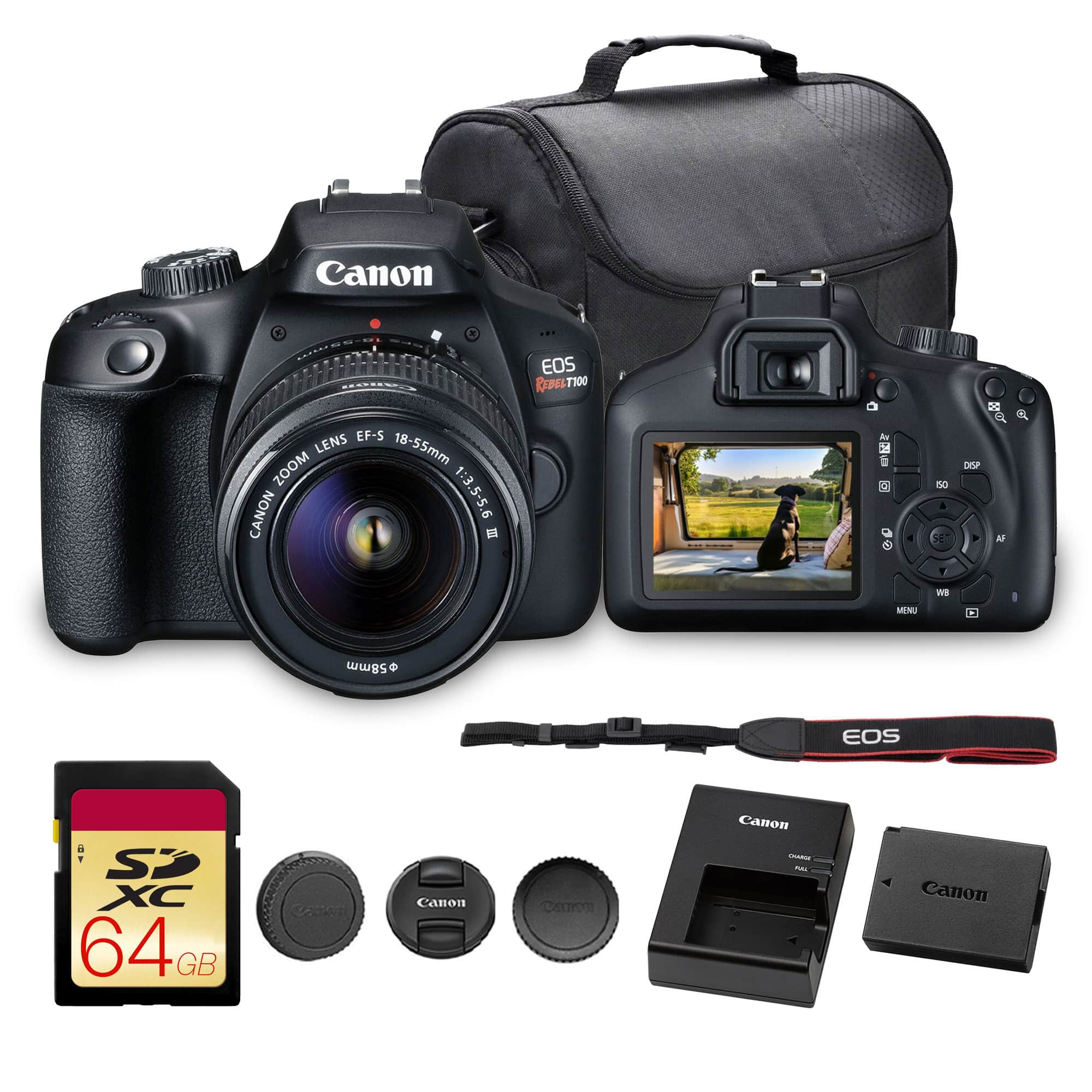
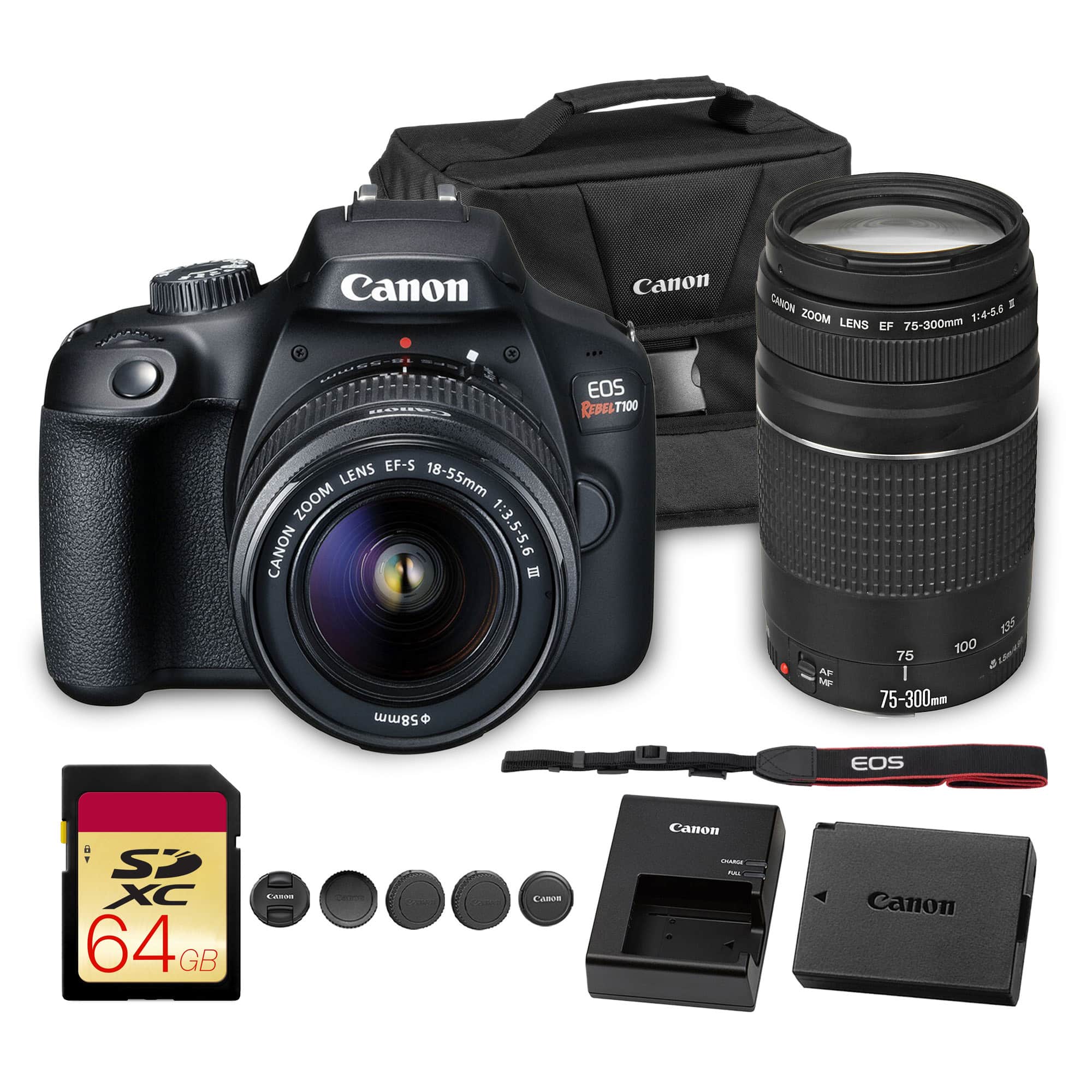
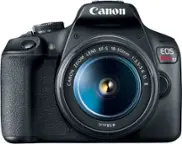
Canon - EOS Rebel T100 DSLR Camera 18-55mm Lens 64GB Bundle
SKU: J39TWTHJPGSee all DSLR Body & LensProduct Description
An intuitive DSLR bundle with 18MP CMOS sensor, Full HD video, 18-55mm lens, and built-in Wi-Fi.Your price for this item is $574.95 -
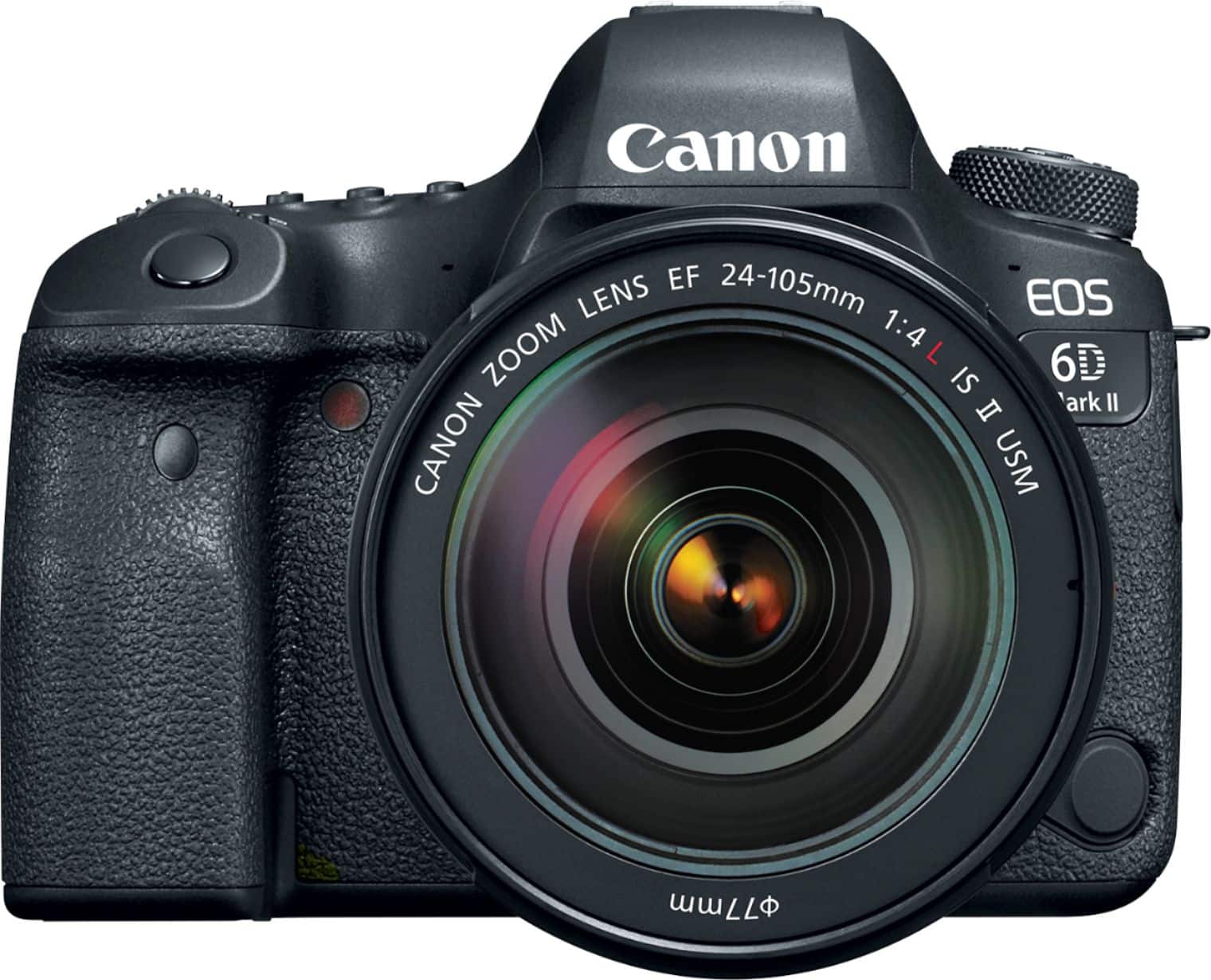
Canon - EOS 6D Mark II DSLR Video Camera with EF 24-105mm f/4L IS II USM Lens - Black
SKU: J7C86SPL9RGreat quality, great features, and very pleased....Great Camera
See all DSLR Body & LensProduct Description
A full-frame black DSLR with 26MP, optical viewfinder, and EF 24-105mm f/4L IS II USM lens.Your price for this item is $2,299.00 -
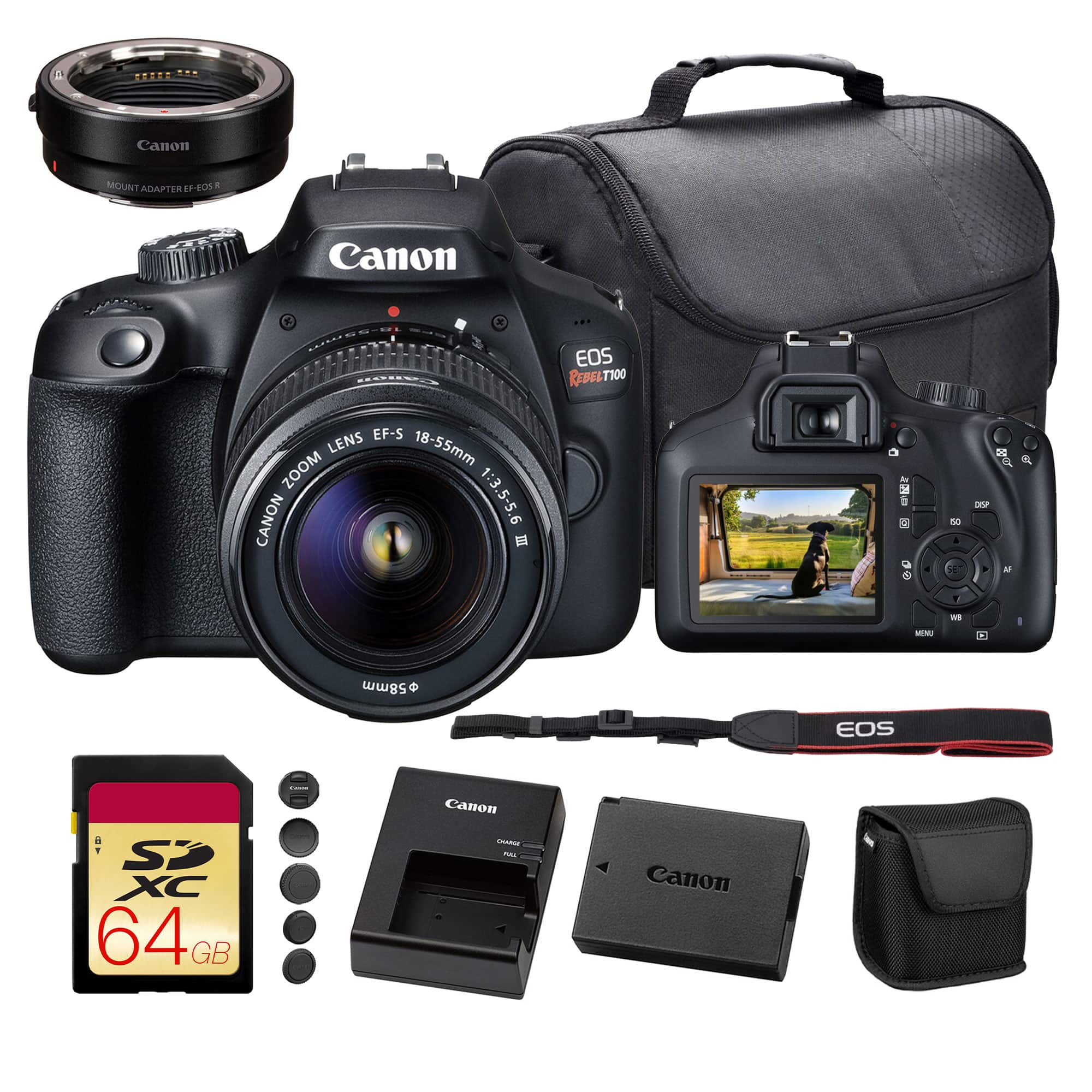
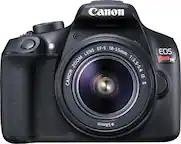
Canon - EOS Rebel T100 DSLR Camera Beginner Photo Kit Bundle
SKU: J39TWTHJPRSee all DSLR Body & LensProduct Description
A versatile DSLR kit with 18MP CMOS sensor, Full HD video, Wi-Fi, and an 18-55mm zoom lens.Your price for this item is $689.95 -
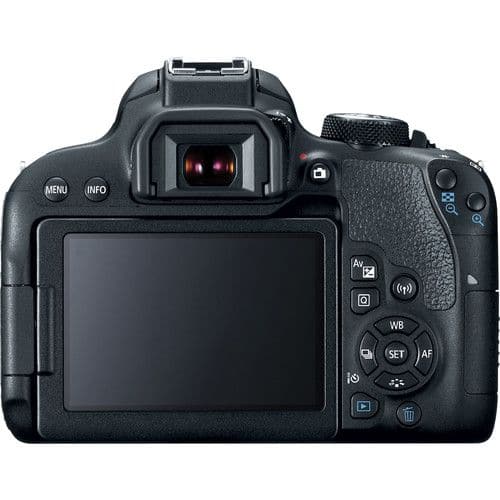
Canon - EOS Rebel T7 DSLR Camera (Body Only)
SKU: J7C86S73L6See all DSLR Body OnlyProduct Description
An entry-level DSLR camera body with 24MP sensor, optical viewfinder, Bluetooth, and EF lens compatibility.Your price for this item is $395.00 -
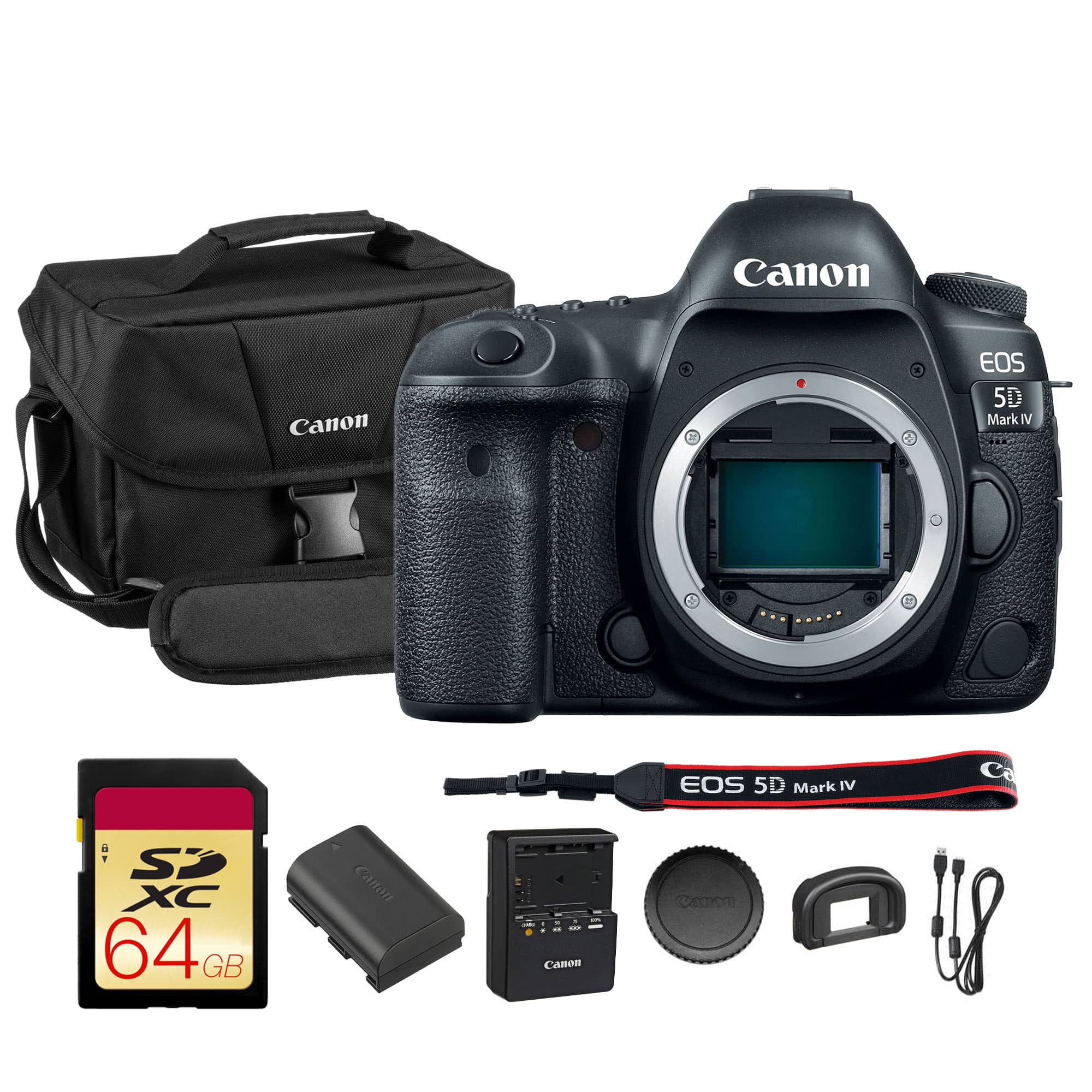
Canon - EOS 5D Mark IV DSLR Camera (Body Only) + More - Black
SKU: J3R856VX5RSee all DSLR Body OnlyProduct Description
A professional-grade black DSLR offering a 30.4MP full-frame sensor, 4K video, and Dual Pixel autofocus.Your price for this item is $1,999.00 -
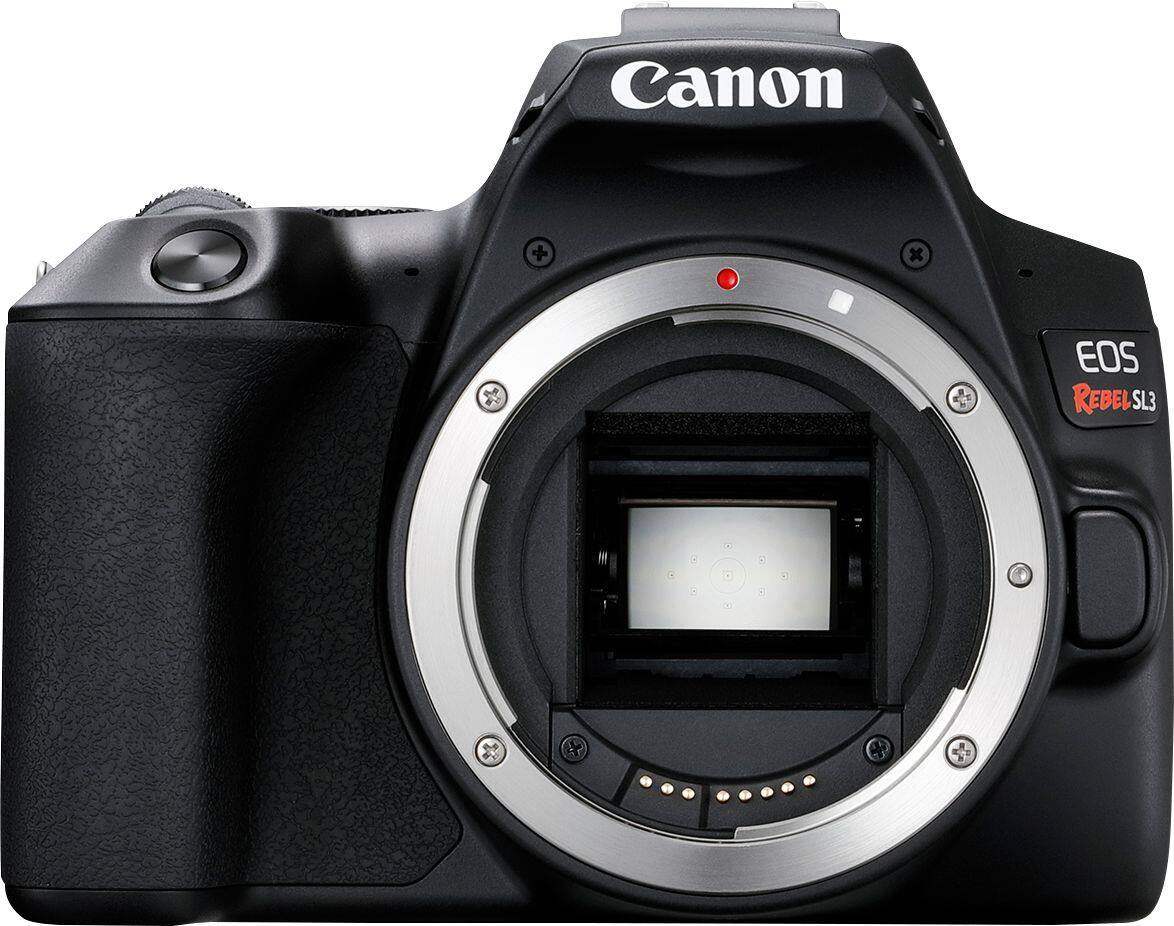
Canon - EOS Rebel SL3 DSLR Camera (Body Only) - Black
SKU: J7C86S9J6WGreat price
See all DSLR Body OnlyProduct Description
A lightweight black DSLR camera body with 24.1MP CMOS sensor, DIGIC 8 processor, and 4K video capability.Your price for this item is $1,149.95 -
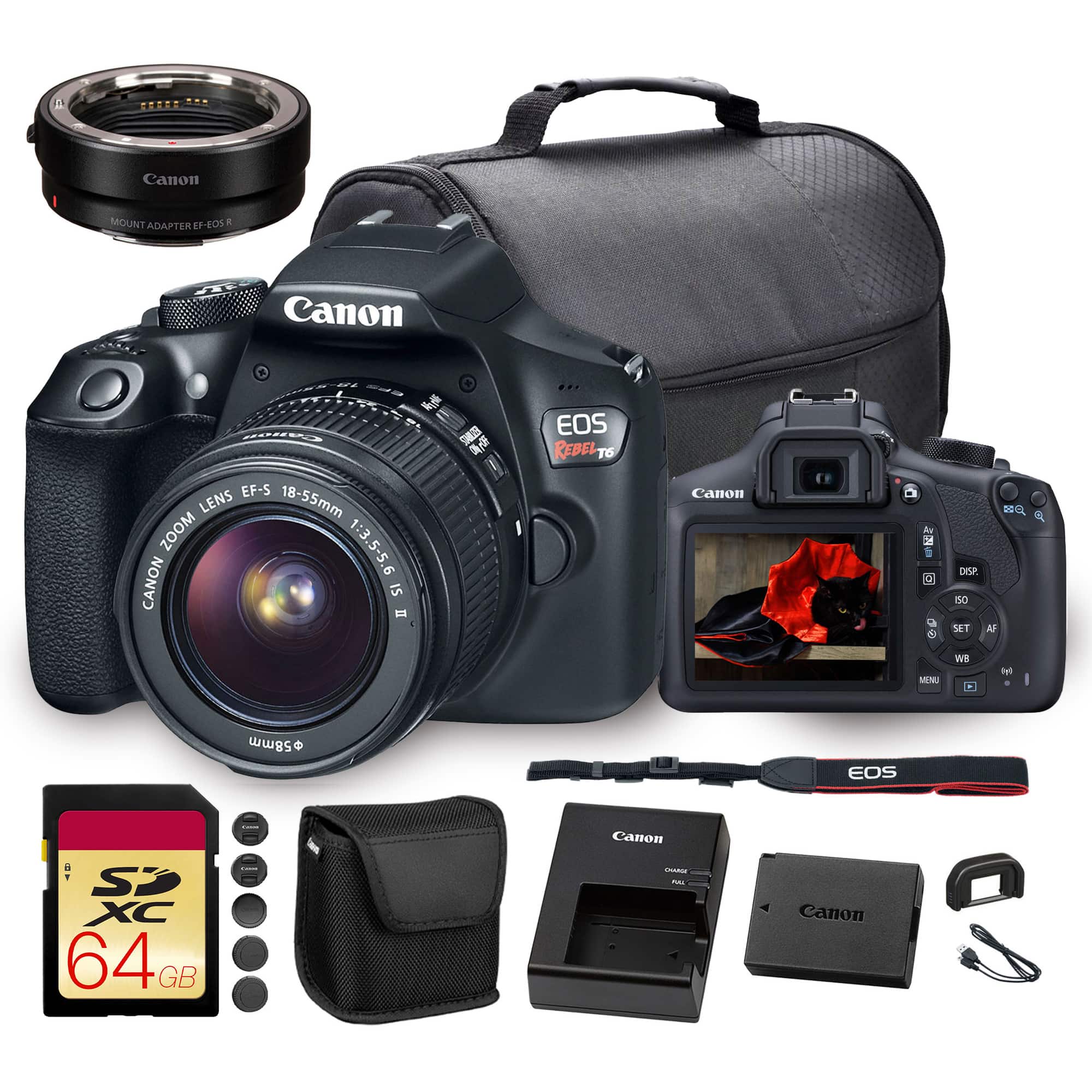
Canon - EOS Rebel T6 DSLR Camera Beginner Photography Bundle
SKU: J39TWTHJT7See all DSLR Body & LensProduct Description
A user-friendly DSLR bundle with 18MP CMOS sensor, Full HD video, Wi-Fi, and versatile 18-55mm lens.Your price for this item is $939.95 -
Canon - EOS Rebel T100 DSLR Camera APS-C Starter Bundle
SKU: J39TWTHJSZSee all DSLR Body & LensProduct Description
An intuitive DSLR bundle with 18MP CMOS sensor, Full HD video, Wi-Fi, and two versatile zoom lenses.Your price for this item is $774.95 -
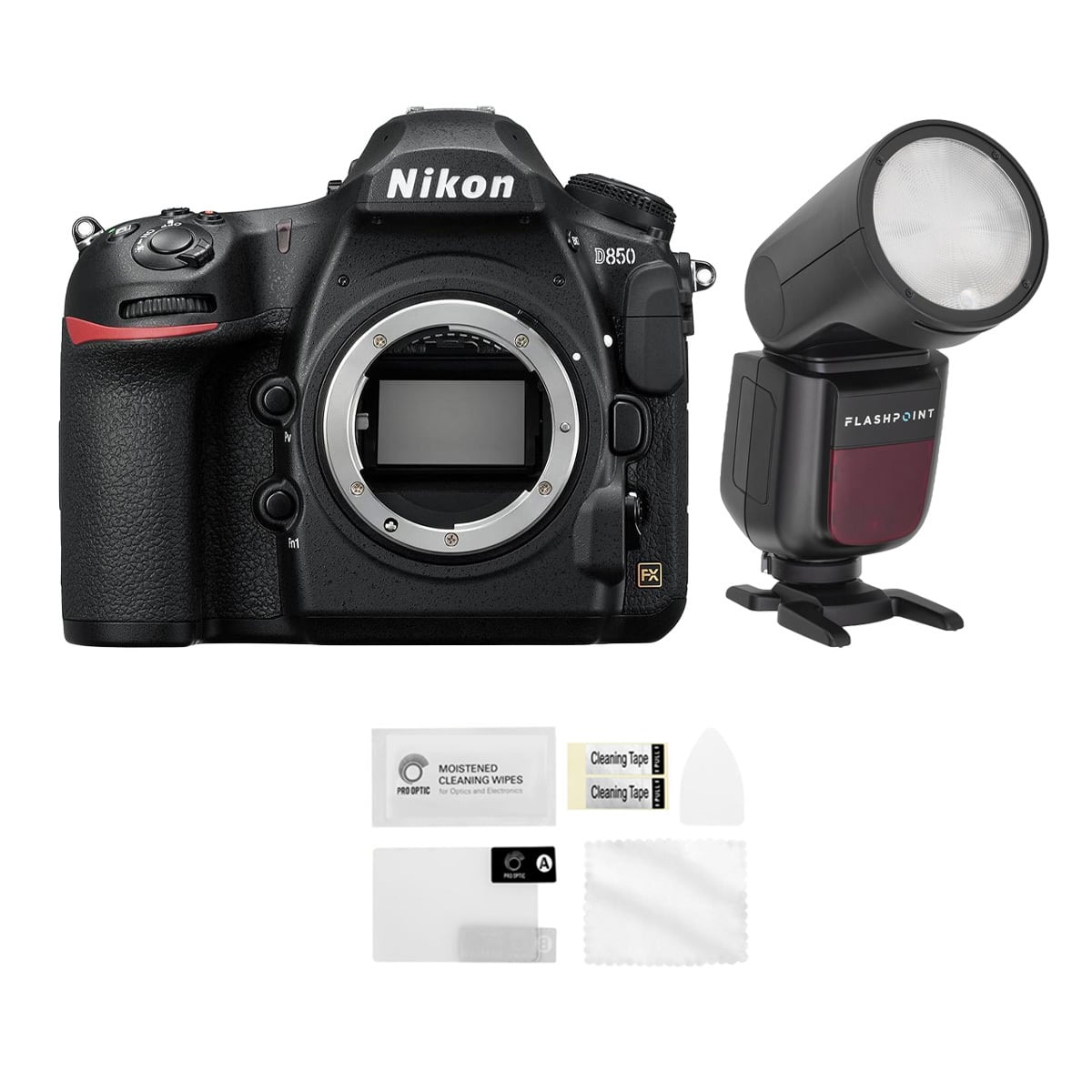
Bundle - Nikon - D850 DSLR Camera With FP Zoom Li-on X R2 TTL On-Camera Round Flash
SKU: JJ89LH3C38See all DSLR Body OnlyProduct Description
A high-resolution 46MP full-frame DSLR bundle with 4K video, Bluetooth, flash, and screen protector.Your price for this item is $2,496.95Save $200The previous price was $2,696.95
Best Sellers


Related Pages



FAQ
When choosing a low-light DSLR camera, look for features such as a large sensor size, wide ISO range, fast aperture lenses, advanced noise reduction technology, and a high-performing autofocus system that works well in dim environments.
ISO sensitivity determines how sensitive your camera's sensor is to light. Higher ISO settings allow you to capture brighter images in low-light conditions, but may also introduce more noise. Modern low-light DSLR cameras are designed to minimize noise even at higher ISO levels.
While kit lenses can capture decent low-light photos, investing in a lens with a wider maximum aperture (such as f/1.8 or f/2.8) allows more light to reach the sensor, resulting in better image quality and faster shutter speeds in dim settings.
For low-light photography, use a wide aperture, increase the ISO as needed, and consider using a slower shutter speed. Employing a tripod can help prevent camera shake when using slower shutter speeds. Additionally, shooting in RAW format allows for greater flexibility during post-processing.
DSLR cameras typically feature larger sensors, superior lenses, and advanced manual controls, all of which contribute to higher image quality in low-light conditions compared to most smartphones. DSLRs also offer greater flexibility with interchangeable lenses and external flashes.