Male To Female XLR Cables
-
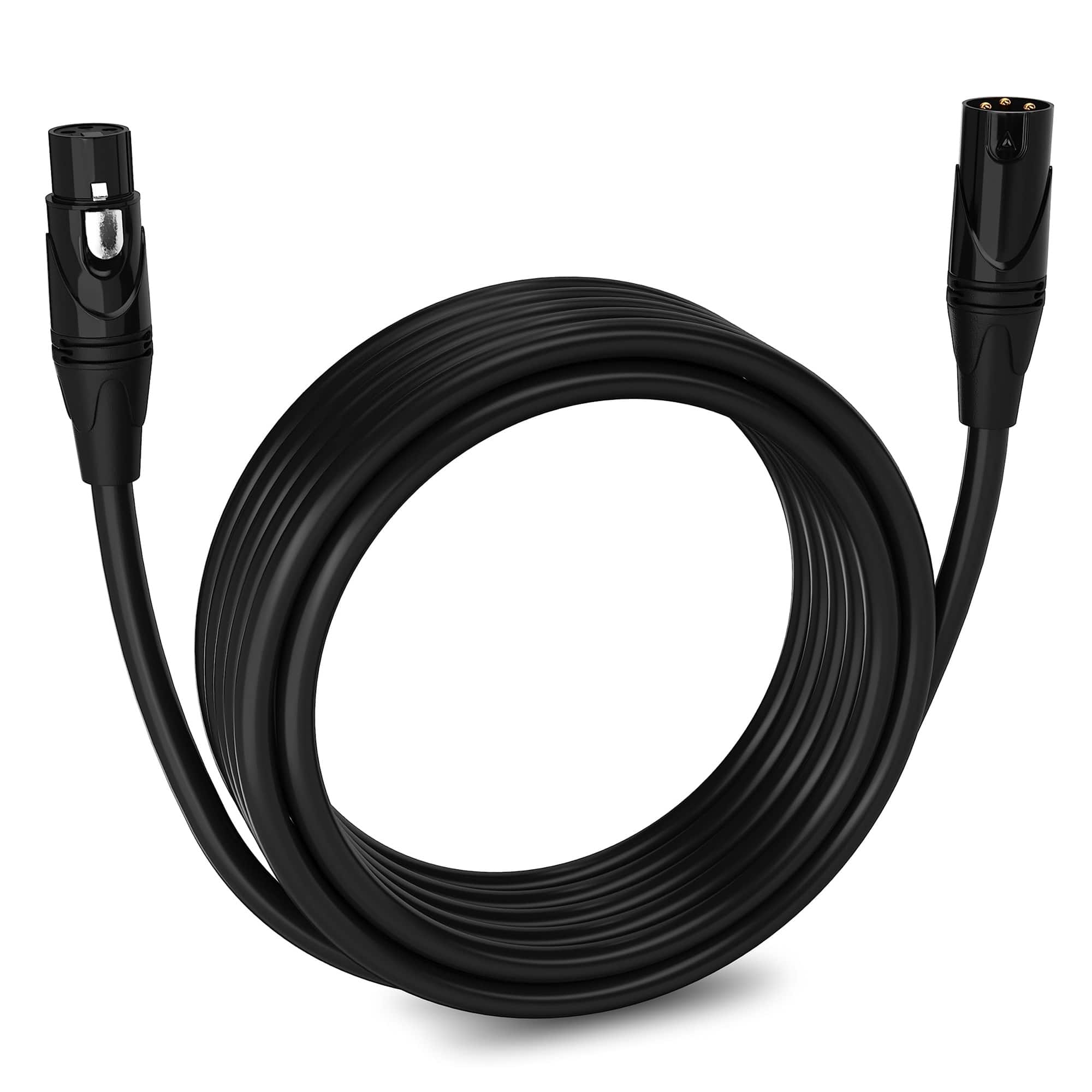
Lyxpro - 6 ft Balanced XLR Cable, Male to Female, 3 Pin Microphone Cable - Red
SKU: J39HJSP2ZVSee all Digital Audio CablesProduct Description
A durable red XLR cable with gold-plated contacts ensures clear audio and maximum noise rejection.Your price for this item is $16.99 -
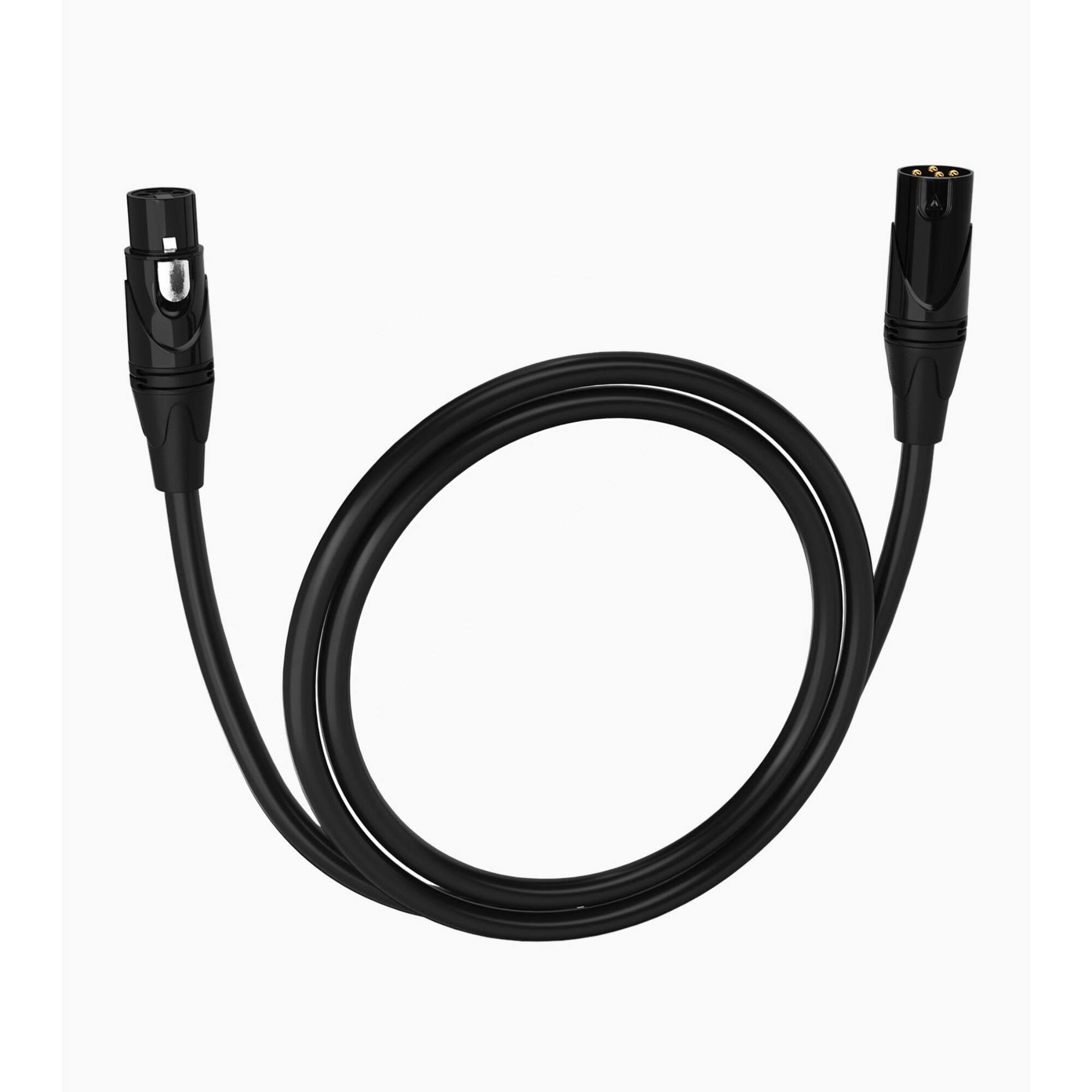
Lyxpro - Quad Series 3 ft XLR Cable, Male to Female 4-Conductor Balanced Microphone Cable - Black
SKU: J89XQHJVHPSee all Digital Audio CablesProduct Description
A durable black XLR male-to-female cable with oxygen-free copper and gold-plated connectors for clear audio.Your price for this item is $15.99 -
Lyxpro - 1.5 ft Balanced XLR Cable, Male to Female, 3 Pin Microphone Cable - Orange
SKU: J3688YJKQ8See all Digital Audio CablesProduct Description
An orange balanced XLR cable with gold-plated connectors ensures clear audio and maximum noise rejection.Your price for this item is $14.99 -
Lyxpro - 20 ft Balanced XLR Cable, Male to Female, 3 Pin Microphone Cable - Pink
SKU: J39HJSP2RZSee all Digital Audio CablesProduct Description
A durable pink XLR cable with gold-plated contacts ensures clear, noise-free audio signal transmission.Your price for this item is $24.99 -
Lyxpro - 15 Ft Right Angle XLR Cable, Female to Male, 3 Pin Microphone Cable - Black
SKU: J39HJSPXJ2See all Digital Audio CablesProduct Description
A durable black right-angle XLR cable with gold-plated contacts for clear, noise-free audio transmission.Your price for this item is $23.99 -
Lyxpro - Quad Series 100 ft XLR Cable, Male to Female 4-Conductor Balanced Microphone Cable - Black
SKU: J89XQHJVZCSee all Digital Audio CablesProduct Description
A durable black XLR cable with oxygen-free copper and gold-plated contacts for pristine, noise-free audio.Your price for this item is $61.99 -
Lyxpro - Quad Series 75 ft XLR Cable, Male to Female 4-Conductor Balanced Microphone Cable - Black
SKU: J3688Y2RS5See all Digital Audio CablesProduct Description
A durable black XLR cable with oxygen-free copper and gold-plated contacts for pristine, noise-free audio.Your price for this item is $51.99 -
Lyxpro - 50 ft Balanced XLR Cable, Male to Female, 3 Pin Microphone Cable - Red
SKU: J89XQHJVS3See all Digital Audio CablesProduct Description
A durable red XLR cable with gold-plated contacts ensures clear audio and maximum noise rejection.Your price for this item is $38.99 -
Lyxpro - Quad Series 50 ft XLR Cable, Male to Female 4-Conductor Balanced Microphone Cable - Black
SKU: J89XQHJVKZSee all Digital Audio CablesProduct Description
A durable black XLR cable with gold-plated connectors and oxygen-free copper for pristine, noise-free audio.Your price for this item is $40.99 -
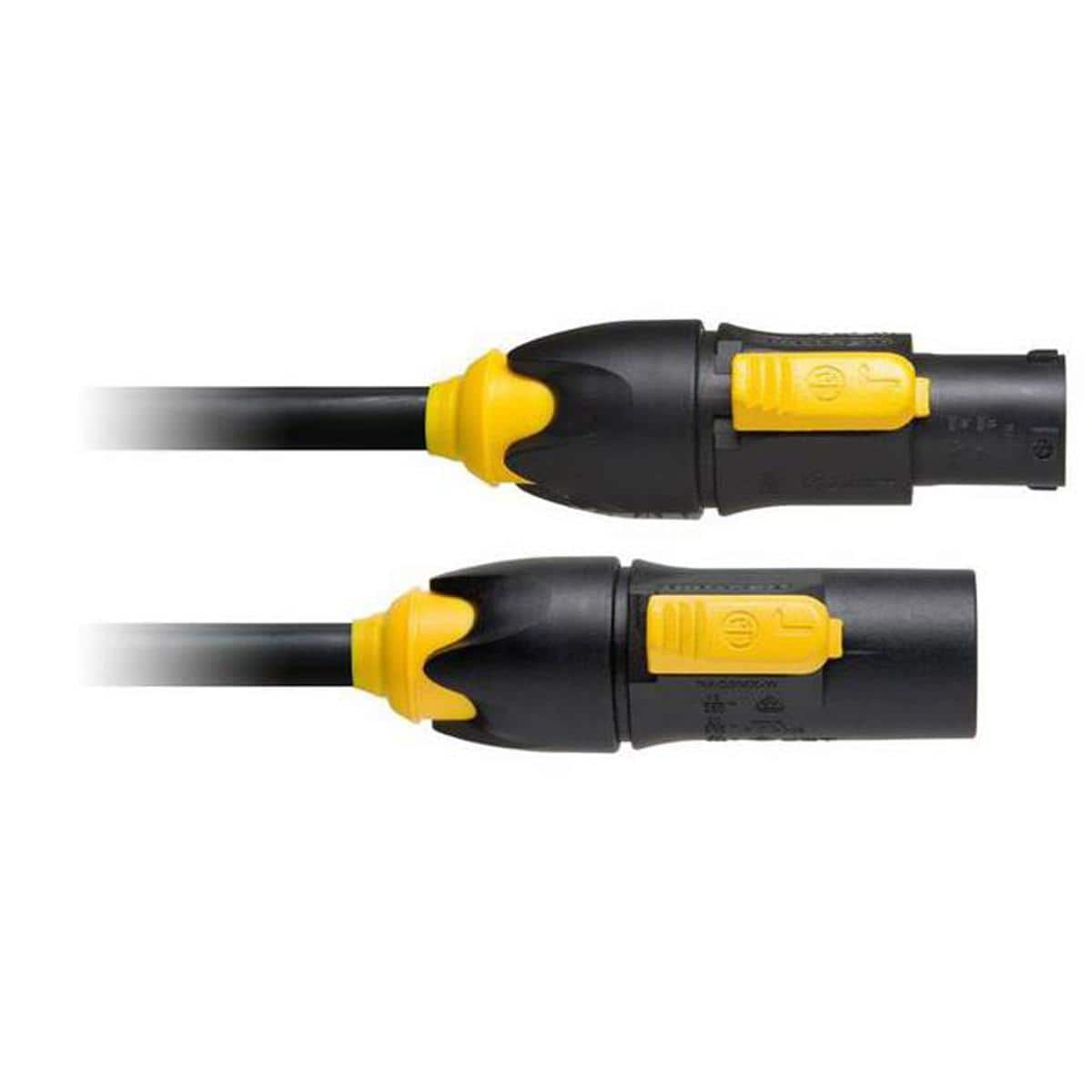
dB Technologies - PowerCon TRUE1 62.9" (160cm) Link Cable
SKU: BCZ839LPXJSee all Computer Power CablesProduct Description
A durable audio link cable featuring PowerCon TRUE1 connectors for secure, reliable equipment connections.Your price for this item is $145.00 -
Lyxpro - 300 ft Balanced XLR Cable, Male to Female, 3 Pin Microphone Cable - Pink
SKU: J3688Y2QPYSee all Digital Audio CablesProduct Description
A durable pink XLR cable with gold-plated contacts ensures clear, noise-free audio for professional setups.Your price for this item is $89.99 -
Lyxpro - Quad Series 20 ft XLR Cable, Male to Female 4-Conductor Balanced Microphone Cable - Black
SKU: J89XQHJVWGSee all Digital Audio CablesProduct Description
A durable black XLR cable with oxygen-free copper and gold-plated contacts for pristine, noise-free audio.Your price for this item is $25.99 -
HQRP - DMX 3-Pin XLR Female to 5-Pin XLR Male Adapter Cable 6 in Stage Lighting Turnaround - Black
SKU: J3ZSLC6Y32See all Cables & ConnectorsProduct Description
A black adapter cable with 3-pin XLR female to 5-pin XLR male connectors for DMX lighting integration.Your price for this item is $12.40 -
Monster - Prolink Studio Pro 2000 Microphone Cable: 10ft. Cable, Contact XLRs - Gold
SKU: JX466553FQSee all A/V Cables & ConnectorsProduct Description
A gold-finished microphone cable delivering clean, interference-free audio with durable, professional-grade XLR connectors.Your price for this item is $84.99 -
Prolink Monster Classic Microphone Cable: 20 ft, silver contact XLRs - Black
SKU: JX466553W8See all A/V Cables & ConnectorsProduct Description
A black microphone cable with silver contact XLRs that delivers clean, noise-free audio and vintage style.Your price for this item is $67.71 -
Lyxpro - 10 ft Male XLR to 1/4" TRS, Star Quad Microphone Cable with High End Sound Clarity - Black
SKU: J39HJSPXYLSee all Digital Audio CablesProduct Description
A durable black cable with gold-plated connectors ensures high-end sound clarity and maximum noise rejection.Your price for this item is $20.99 -
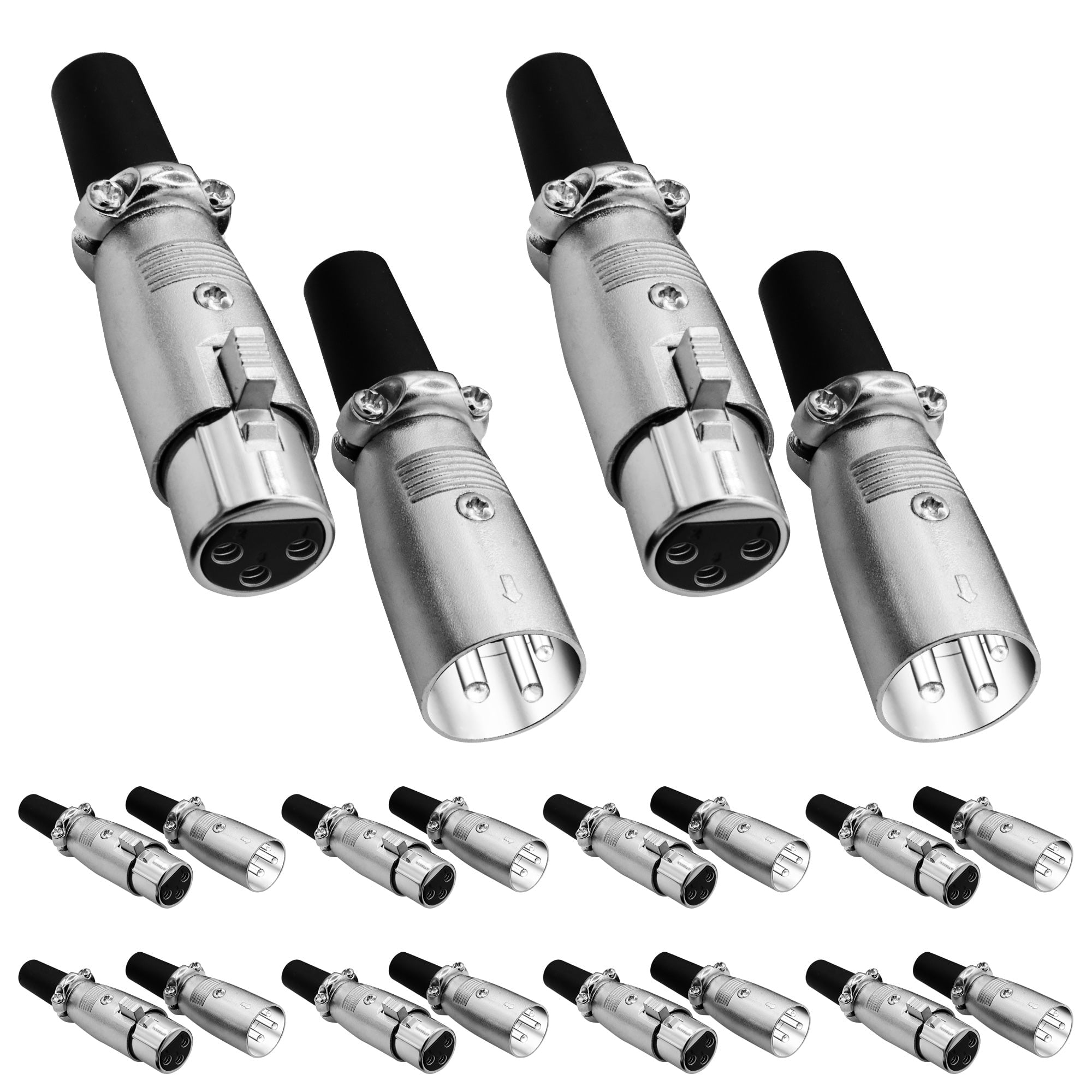
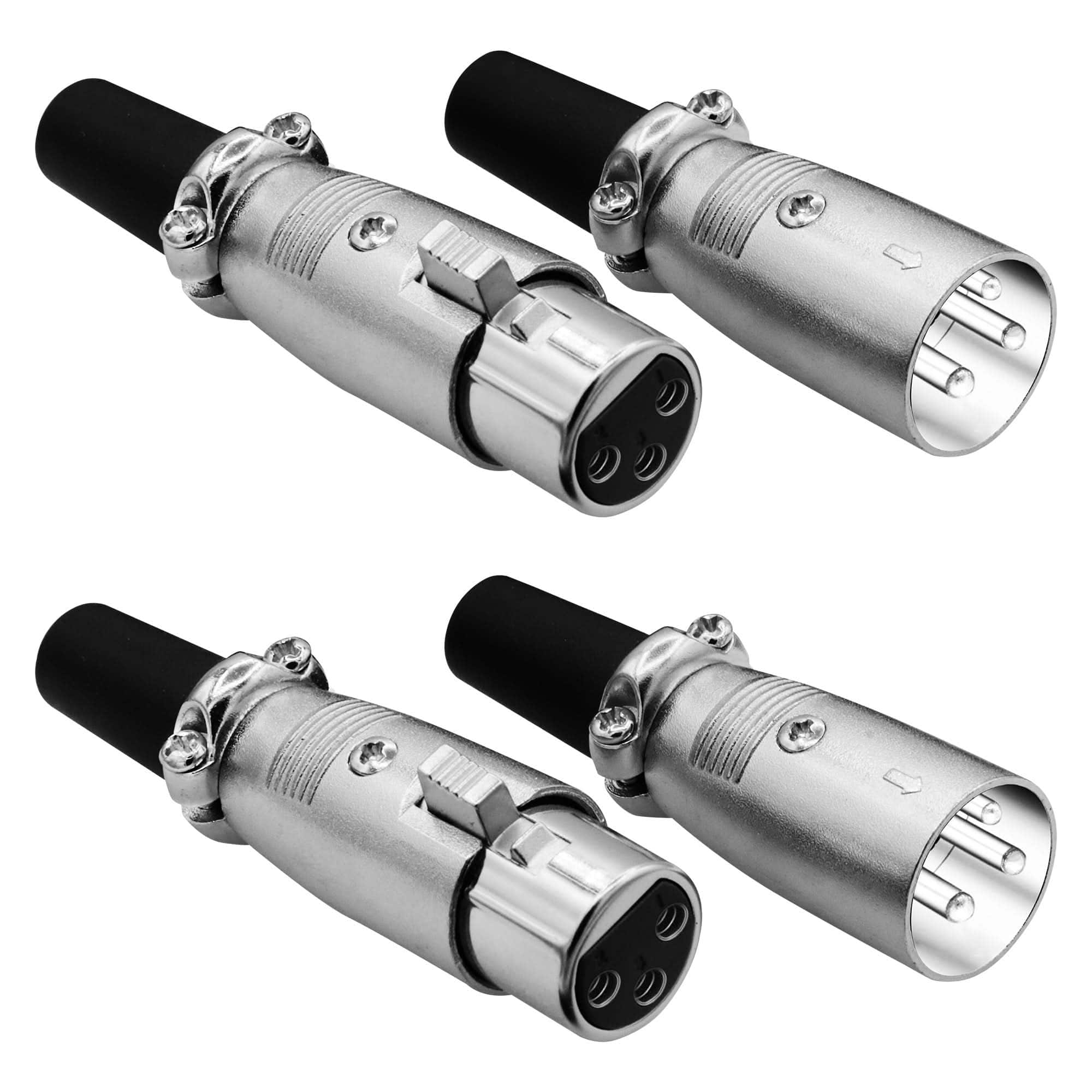
5 CORE - 5Core XLR Connector 20 Pair Male Female to 1/4 Audio Jack 3 Pin Secure Mic Plug w Locking Ends - Silver/Black
SKU: J3GWRS3YQ4See all A/V Cables & ConnectorsProduct Description
A durable silver and black XLR connector set with zinc alloy housing and secure locking for clear audio.Your price for this item is $17.34 -
Warm Audio - 6 FT Premier Series XLR-Female to TRS-Male Cable, Star-Quad Wiring for Great RFI Rejection, For Studio Interconnections
SKU: J3R8HHVQKVSee all A/V Cable Management & ConcealmentProduct Description
A durable, gold-plated XLR to TRS cable with star-quad wiring for superior interference-free audio connections.Your price for this item is $52.99 -
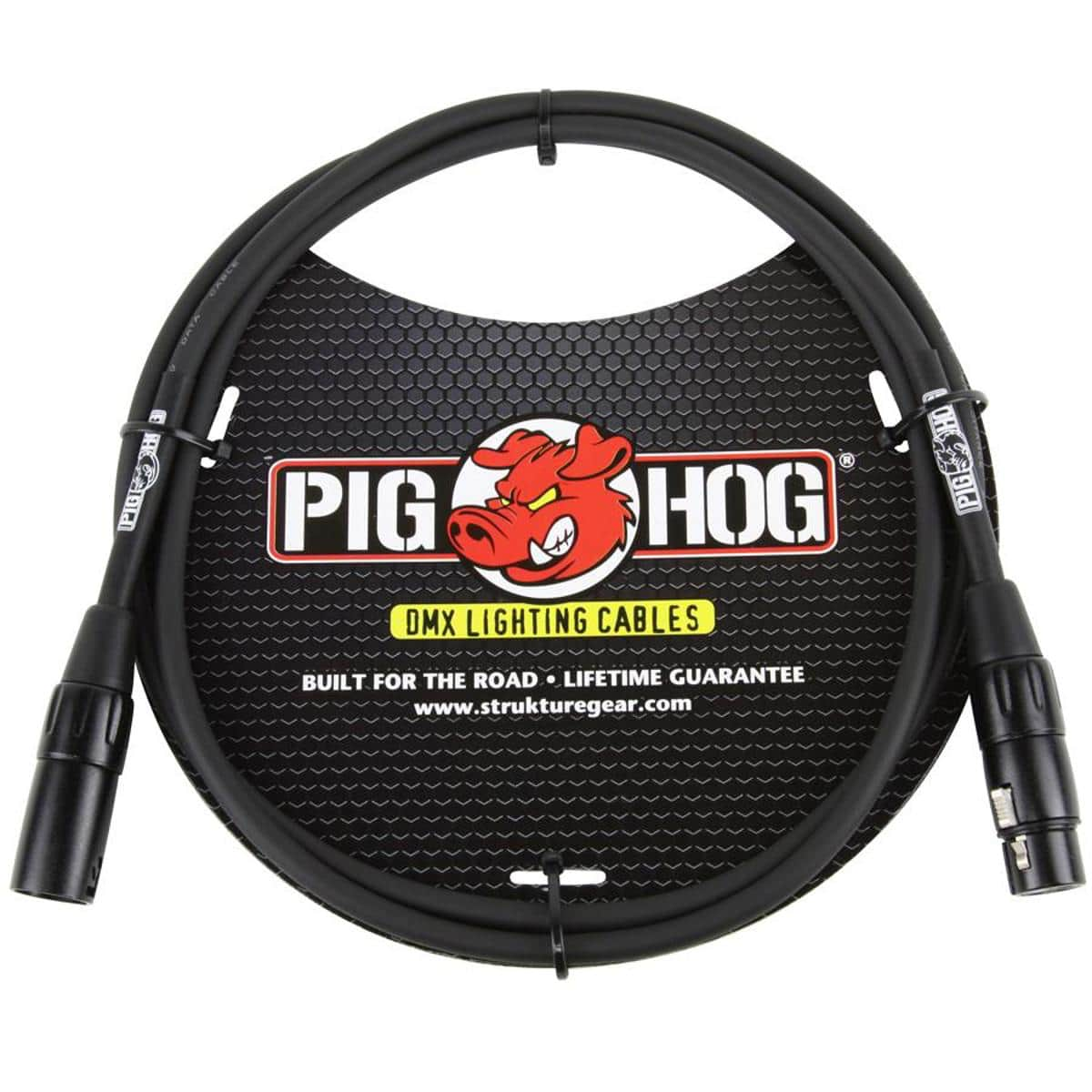
Pig Hog - 5' 3-Pin XLR DMX Lighting Cable
SKU: JXPX9993S8See all A/V Cables & ConnectorsProduct Description
A high-performance black DMX lighting cable with 3-pin XLR connectors and durable PVC outer covering.Your price for this item is $20.95 -
HQRP - 2-Pack DMX XLR Adapter Cable 3-Pin Female to 5-Pin Male 6 in for Blue Yeti Pro, Stage Lighting - Black
SKU: J3ZSLC6YV8See all Cables & ConnectorsProduct Description
A black 2-pack adapter cable connects 3-pin XLR female to 5-pin XLR male for DMX setups.Your price for this item is $17.95 -
5 CORE - 5Core XLR Connector 2 Pair Male Female to 1/4 Audio Jack 3 Pin Secure Mic Plug w Locking Ends - Silver/Black
SKU: J3GWLWVLXWSee all A/V Cables & ConnectorsProduct Description
A durable silver and black XLR connector set with secure locking ends for clear, noise-free audio transmission.Your price for this item is $8.14 -
Warm Audio - 3 FT Premier Series XLR-Female to TRS-Male Cable, Star-Quad Wiring for Great RFI Rejection, For Studio Interconnections
SKU: J3R8HHVQZ3See all A/V Cable Management & ConcealmentProduct Description
A professional-grade black braided cable with gold-plated connectors, star-quad wiring, and double shielding for interference-free audio.Your price for this item is $46.99 -
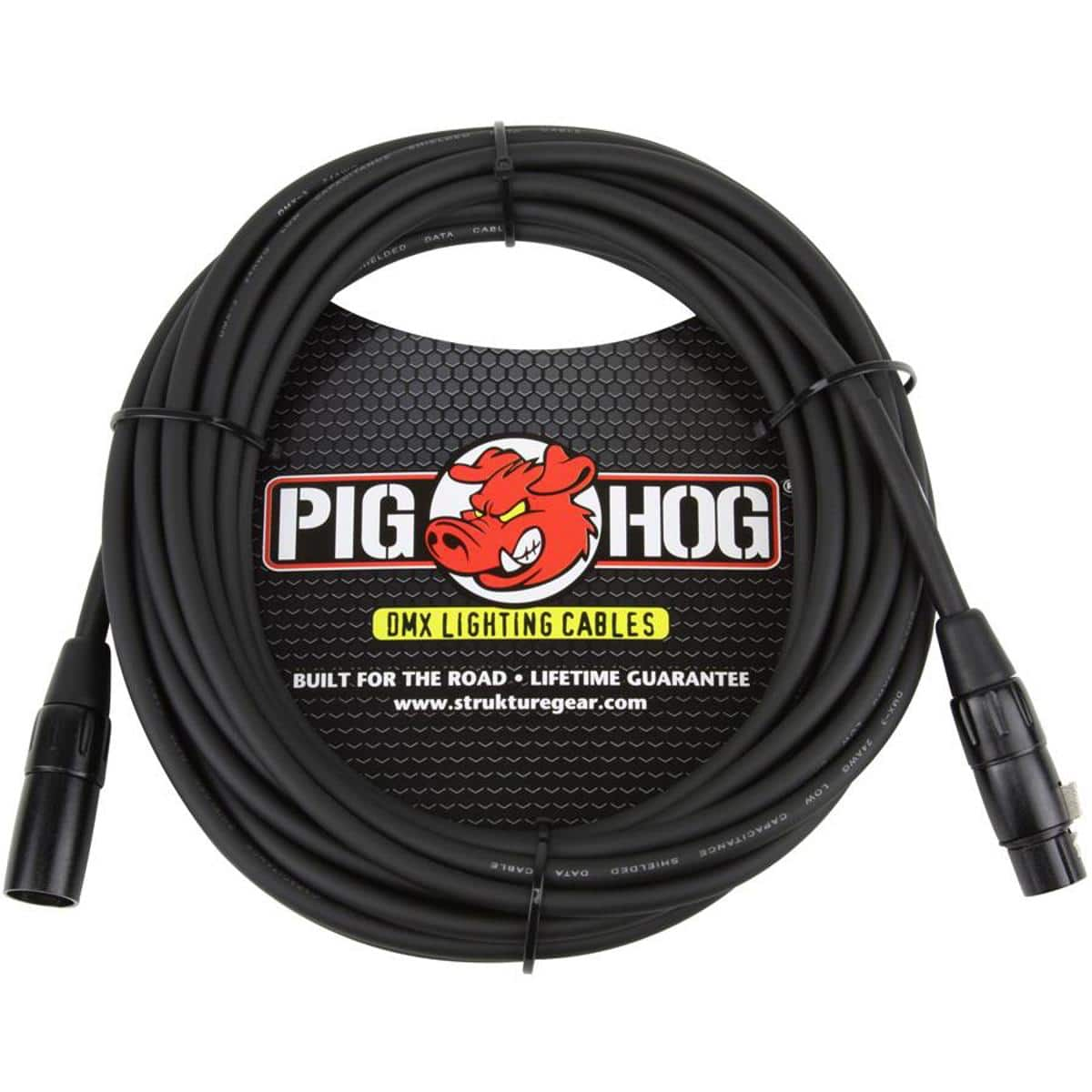
Pig Hog - 25' 3-Pin XLR DMX Lighting Cable
SKU: JXPX9993SZSee all A/V Cables & ConnectorsProduct Description
A high-performance black DMX lighting cable with 3-pin XLR connectors and durable PVC outer covering.Your price for this item is $34.95








Best Sellers

Related Pages


FAQ
A male-to-female XLR cable commonly connects microphones to mixers, audio interfaces, and other professional audio equipment. It can also connect compatible line-level audio devices or extend an existing XLR connection.
A male XLR connector has exposed pins, while a female XLR connector has matching sockets. In a typical microphone setup, the female end connects to the microphone’s output, and the male end connects to a mixer or audio interface input.
Standard three-pin male-to-female XLR audio cables are typically wired for balanced mono audio, with two signal conductors and a shield. Whether the connection operates as balanced audio also depends on the input and output circuitry of the connected equipment.
A properly wired standard three-pin XLR microphone cable can carry phantom power from a mixer or audio interface to a microphone that requires it. The cable does not generate power; the connected equipment supplies it.
XLR audio cables are designed for analog audio connections, while DMX cables are designed for digital lighting-control signals and typically have a characteristic impedance of 120 ohms. Some DMX equipment uses three-pin XLR connectors that resemble audio connections, but the cables have different electrical specifications and are not interchangeable by default.