Rechargeable Batteries For LED Lights
-
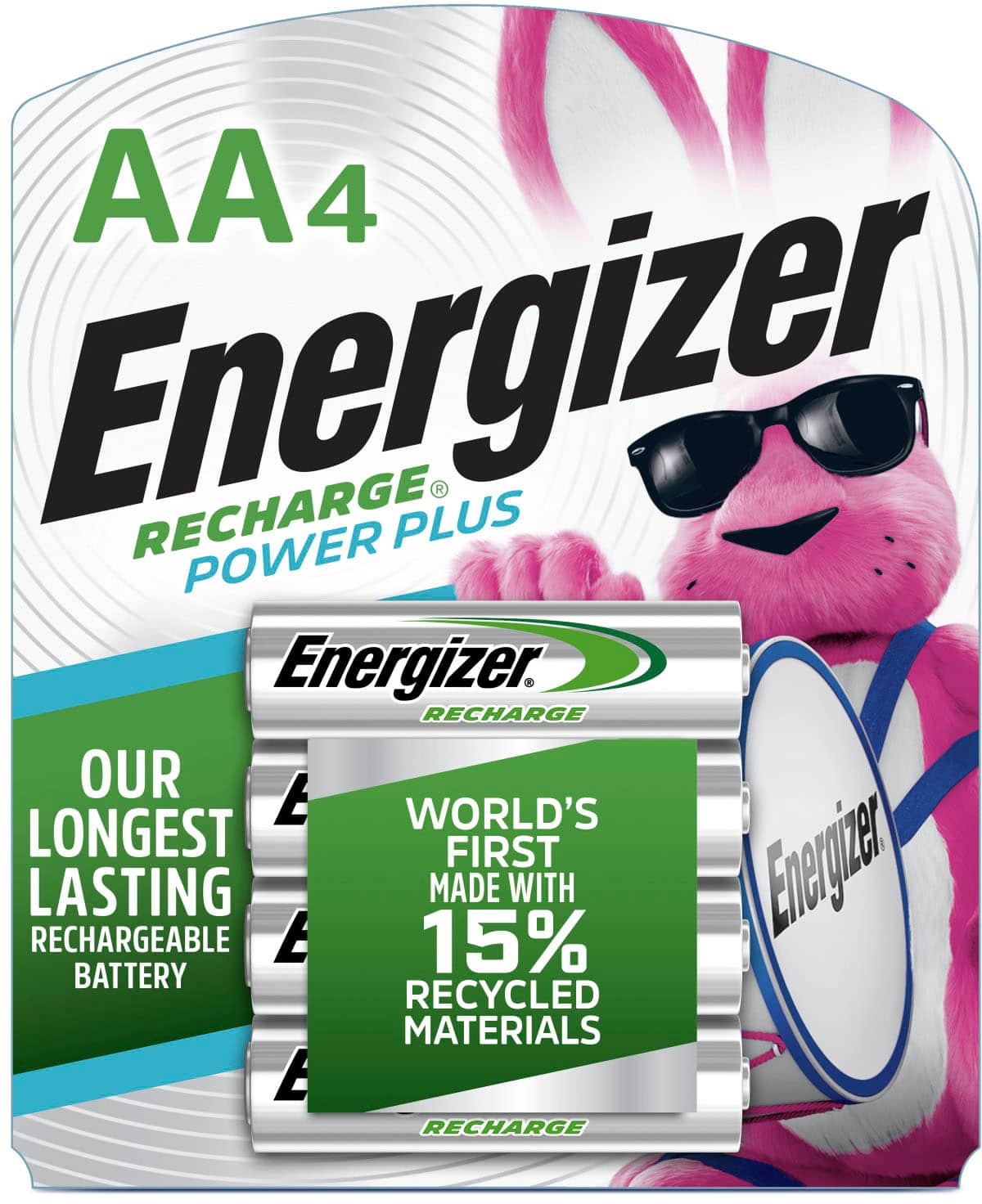
Energizer - Rechargeable AA Batteries (4 Pack), Double A Batteries
SKU: J78676JJX9Love these batteries.. I have had other name brands.. Find these the best overall....It’s the best thing I bought for myself and I love this product
See all Rechargeable BatteriesProduct Description
A pack of four silver rechargeable AA batteries made with 15% recycled materials for reliable, long-lasting power.Your price for this item is $18.99 -
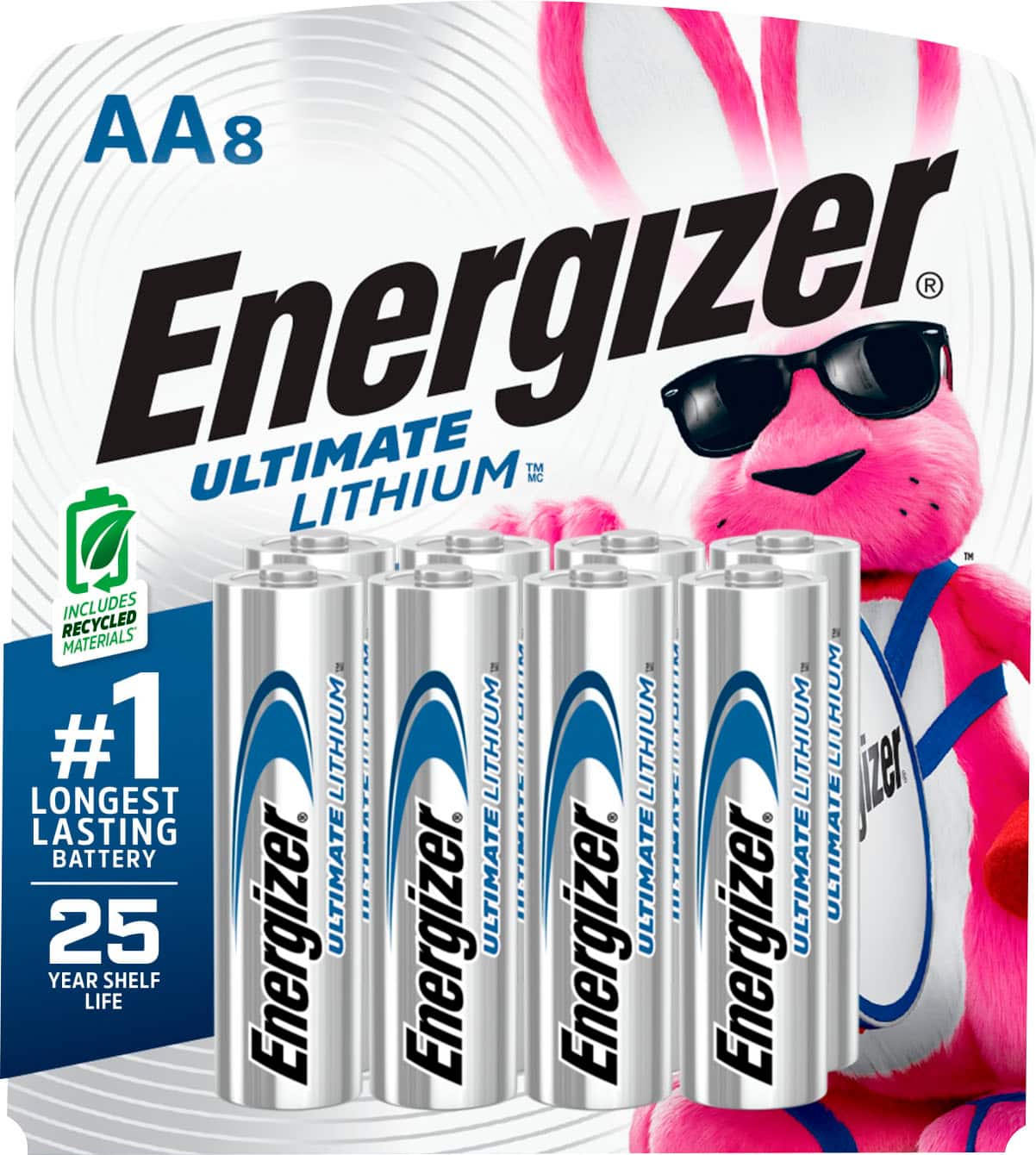
Energizer - Ultimate Lithium AA Batteries (8 Pack), Double A Batteries
SKU: J78676X76JBest batteries for your needs...Best trustworthy batteries....I love this brand especially because I always know my products will last much longer....Best...These are the best and most long lasting batteries...
See all Lithium BatteriesProduct Description
A pack of silver AA lithium batteries offering long-lasting power, leak resistance, and reliable performance in extreme temperatures.Your price for this item is $42.98 -
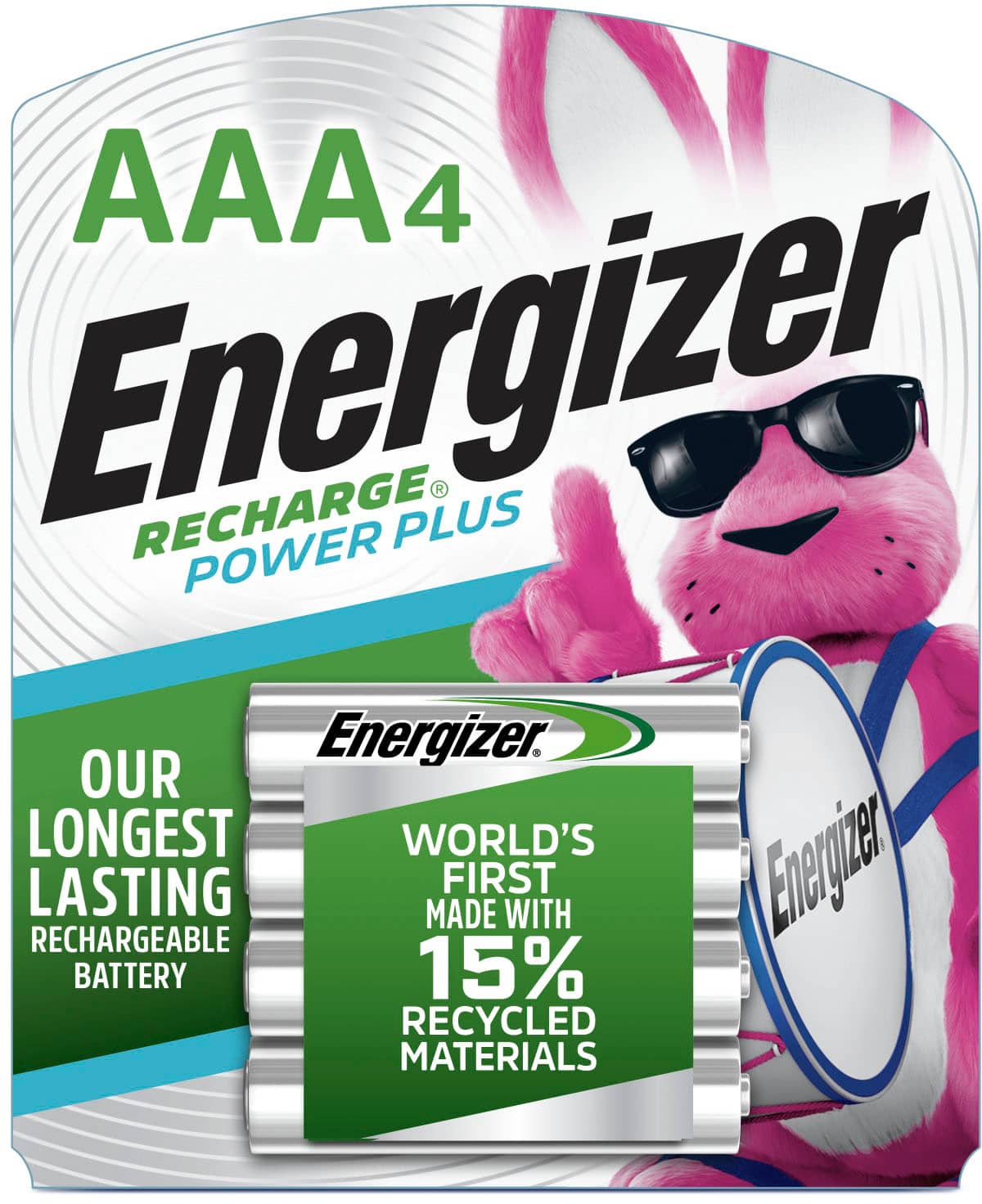
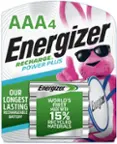
Energizer - Rechargeable AAA Batteries (4 Pack) 800 mAh Triple A Batteries
SKU: J78676J4CLGreat Product...I love Black Fridays and shopping at Best Buy........Love the batteries...Love it. It is the best I would totally recommend this place to anybody
See all Rechargeable BatteriesProduct Description
A pack of four silver AAA rechargeable batteries with 800mAh capacity, made from 15% recycled materials.Your price for this item is $18.99 -
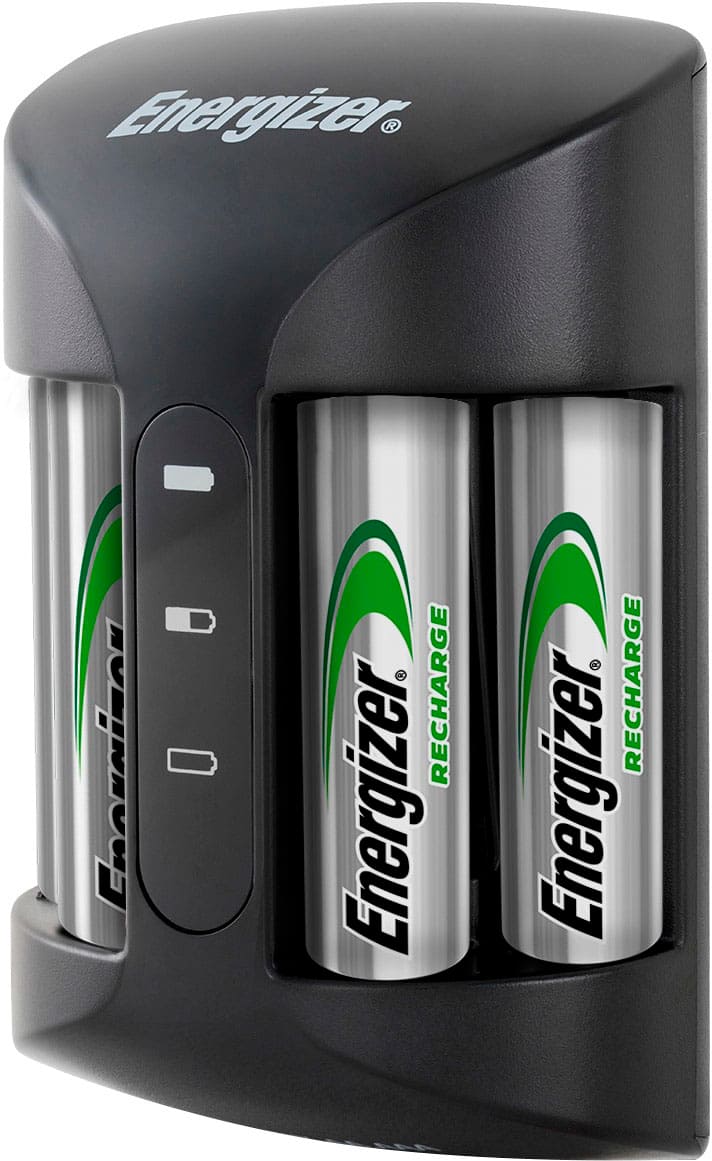
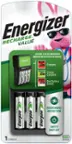
Energizer - Rechargeable AA and AAA Battery Charger (Recharge Pro) with 4 AA NiMH Rechargeable Batteries
SKU: J78676GWHTBEST BATTERY CHARGER FOR ANYBODY..LOVE IT............I love the rechargeable batteries. No need to go to stores to find more batteries....Price is right and Best Buy you are the best. Thank you.
See all Rechargeable BatteriesProduct Description
A black charger that powers four AA or AAA NiMH batteries with audio and visual charging alerts.Your price for this item is $25.99Save $4The previous price was $29.99 -
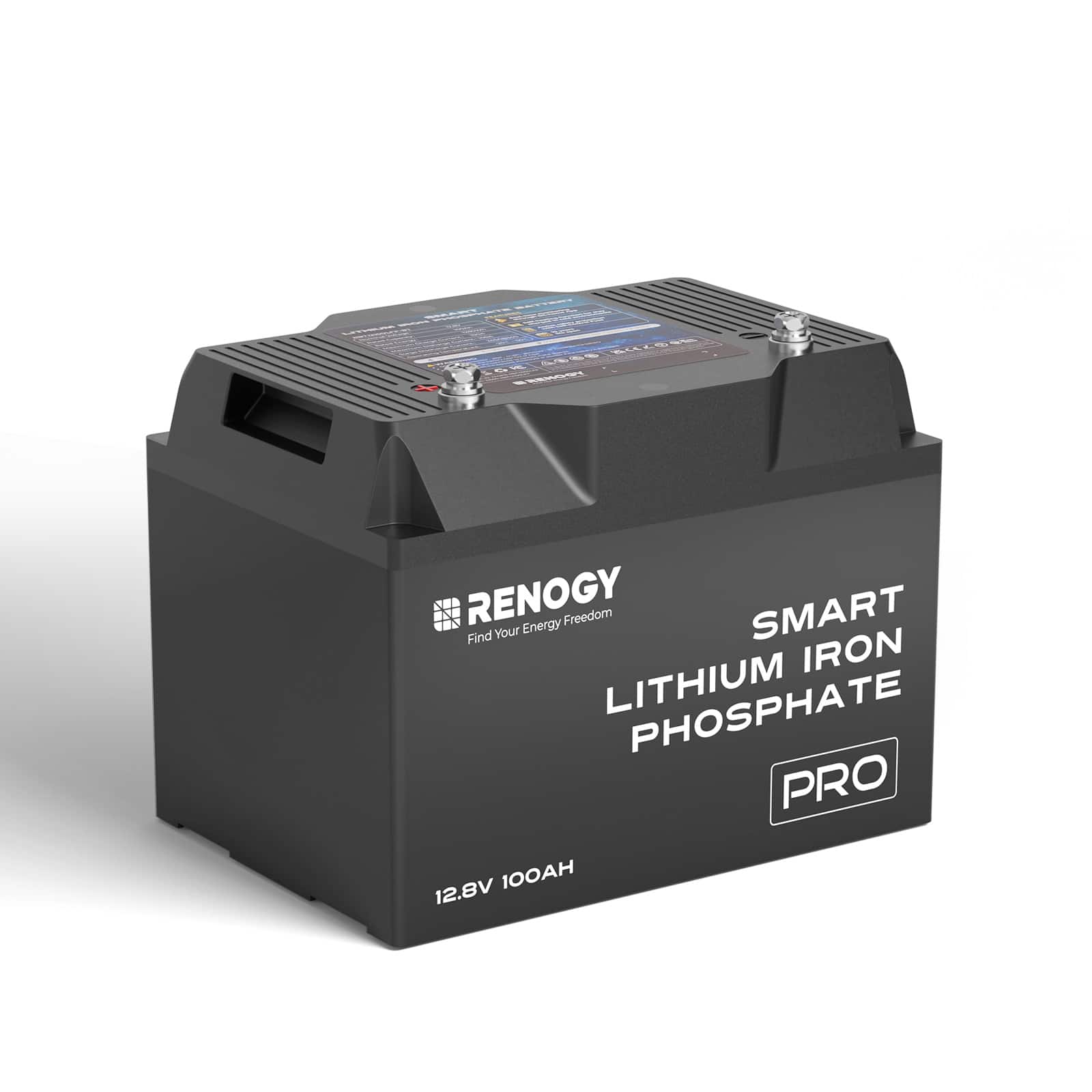
Renogy - 12V 100Ah Pro Smart Lithium Iron Phosphate Battery with Bluetooth & Self-Heating Function
SKU: J39HF8FWY6See all Lithium BatteriesProduct Description
A black rechargeable 12V lithium iron phosphate battery featuring Bluetooth connectivity and a self-heating function.Your price for this item is $708.02
Best Sellers


Related Pages



FAQ
LED lights commonly use nickel-metal hydride (NiMH) or lithium-ion rechargeable batteries. NiMH batteries are often found in lights with replaceable batteries, while lithium-ion batteries are common in lights with built-in rechargeable packs. Some solar LED lights use nickel-cadmium (NiCd) batteries.
Built-in rechargeable batteries are integrated into the light and typically charge through a port or docking connection. Removable rechargeable batteries can be taken out of the light, often for charging in a separate charger. The light’s design determines which arrangement it uses.
Charging methods vary by design. Some LED lights charge their batteries through a USB connection or a dedicated charging dock, while others use batteries that charge in an external charger. Solar-powered LED lights use a solar panel to recharge their batteries.
Rechargeable batteries are designed to be charged and reused, while disposable batteries are designed for a single discharge cycle before replacement. They also use different chemistries: common rechargeable options include NiMH and lithium-ion, while many disposable batteries use alkaline chemistry.
Many rechargeable batteries can be recycled through dedicated battery collection programs. Acceptance varies by battery chemistry and local program rules. For LED lights with built-in batteries, look for an electronics recycling program that accepts the complete device.