Safety Smoke Detectors
-
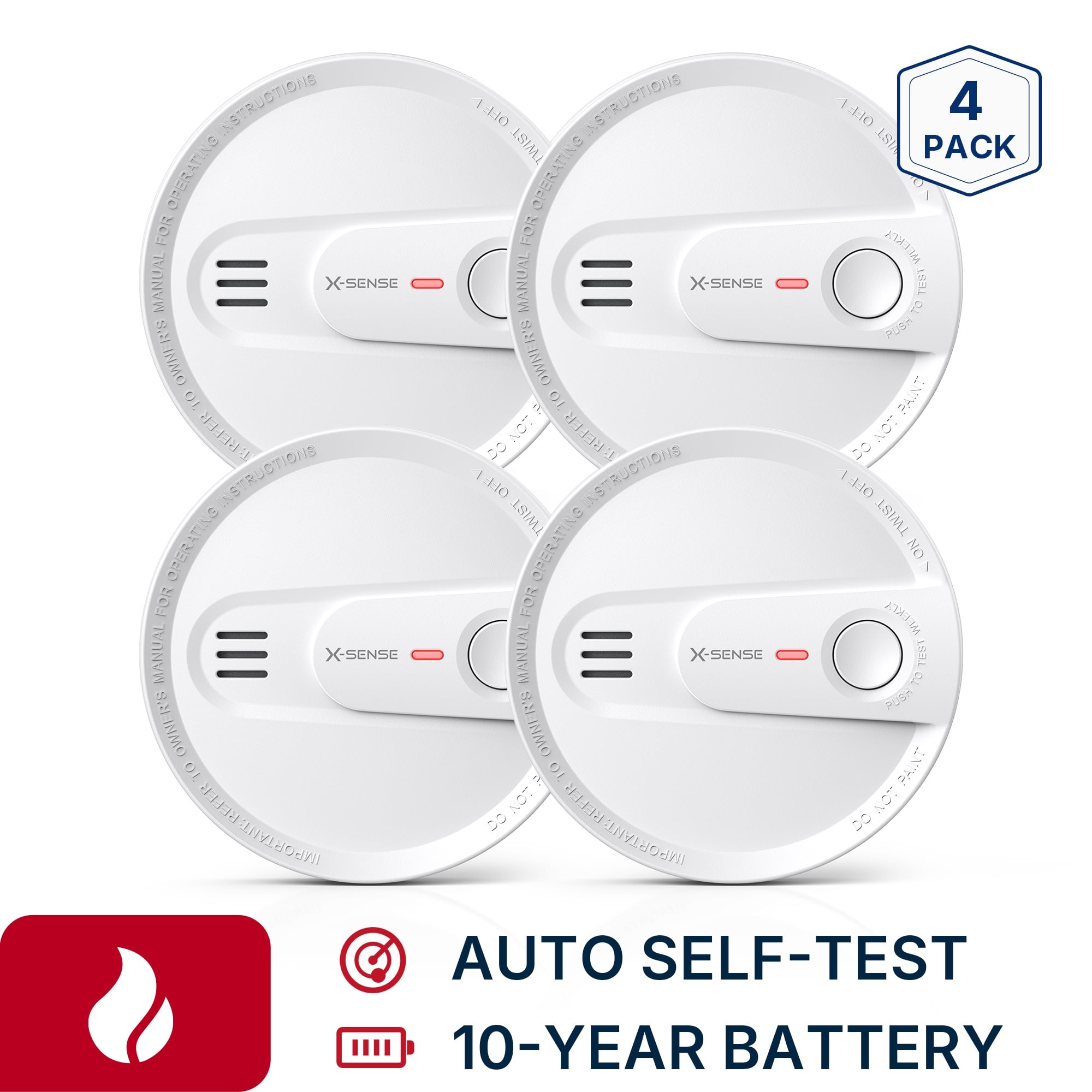
X-SENSE - 10-Year Battery Smoke Detectors with Photoelectric Sensor and LED Warning Light 4 Pack - White
SKU: J3Q5QR7C4FPerfect for what I was looking for great deal...Perfect for what I was looking for great deal and easy to install
See all Smoke & Carbon Monoxide DetectorsProduct Description
A four-pack of white, battery-powered smoke detectors featuring photoelectric sensors, LED warning lights, and 10-year batteries.Your price for this item is $68.99 -
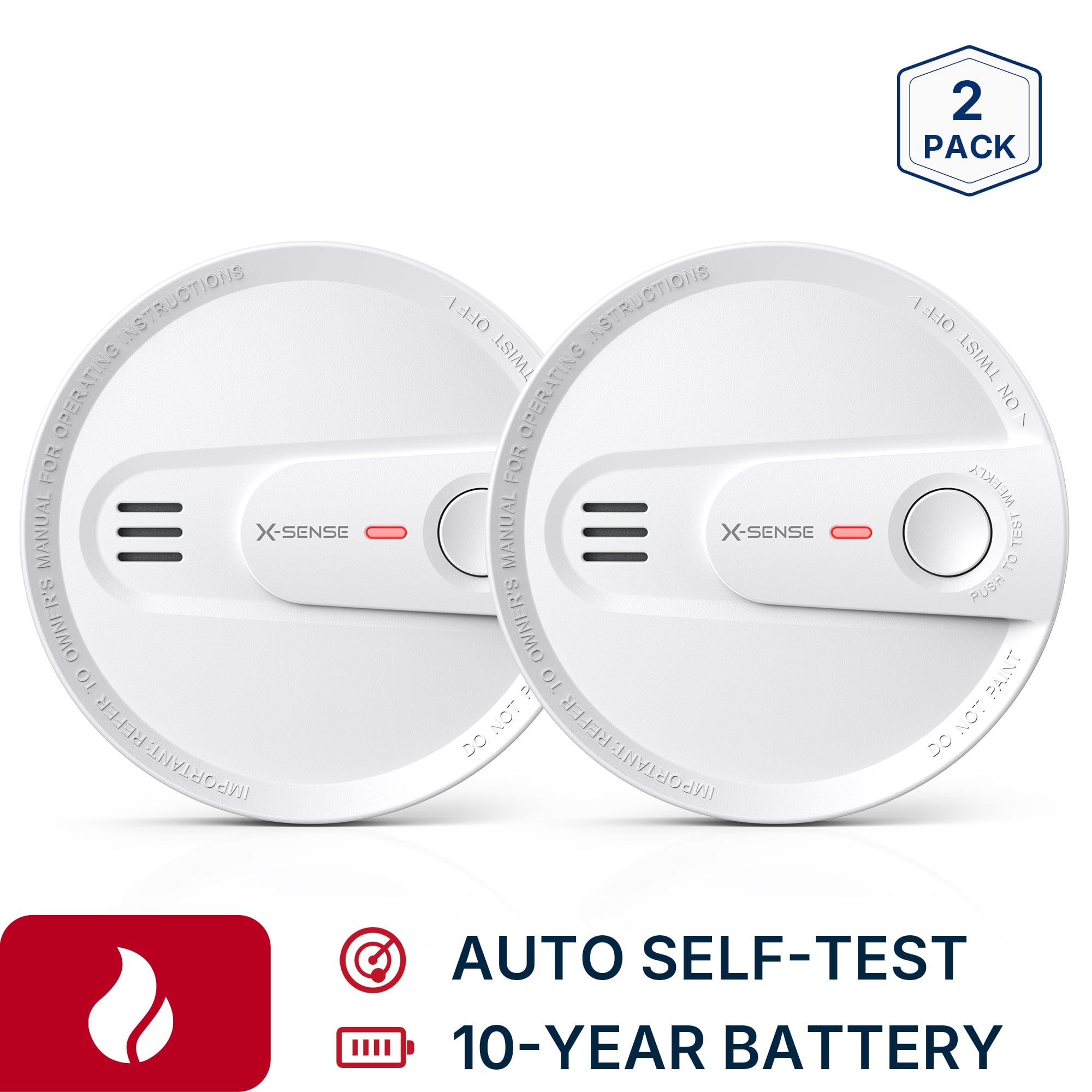
X-SENSE - 10-Year Battery Smoke Detectors with Photoelectric Sensor and LED Warning Light 2 Pack - White
SKU: J3Q5QR7CZTThese are great. The are packed nicely and protected from scratches....Great fit. Work as they need to.
See all Smoke & Carbon Monoxide DetectorsProduct Description
A two-pack of smoke alarms with 10-year batteries, photoelectric sensors, and LED warning lights.Your price for this item is $34.99 -
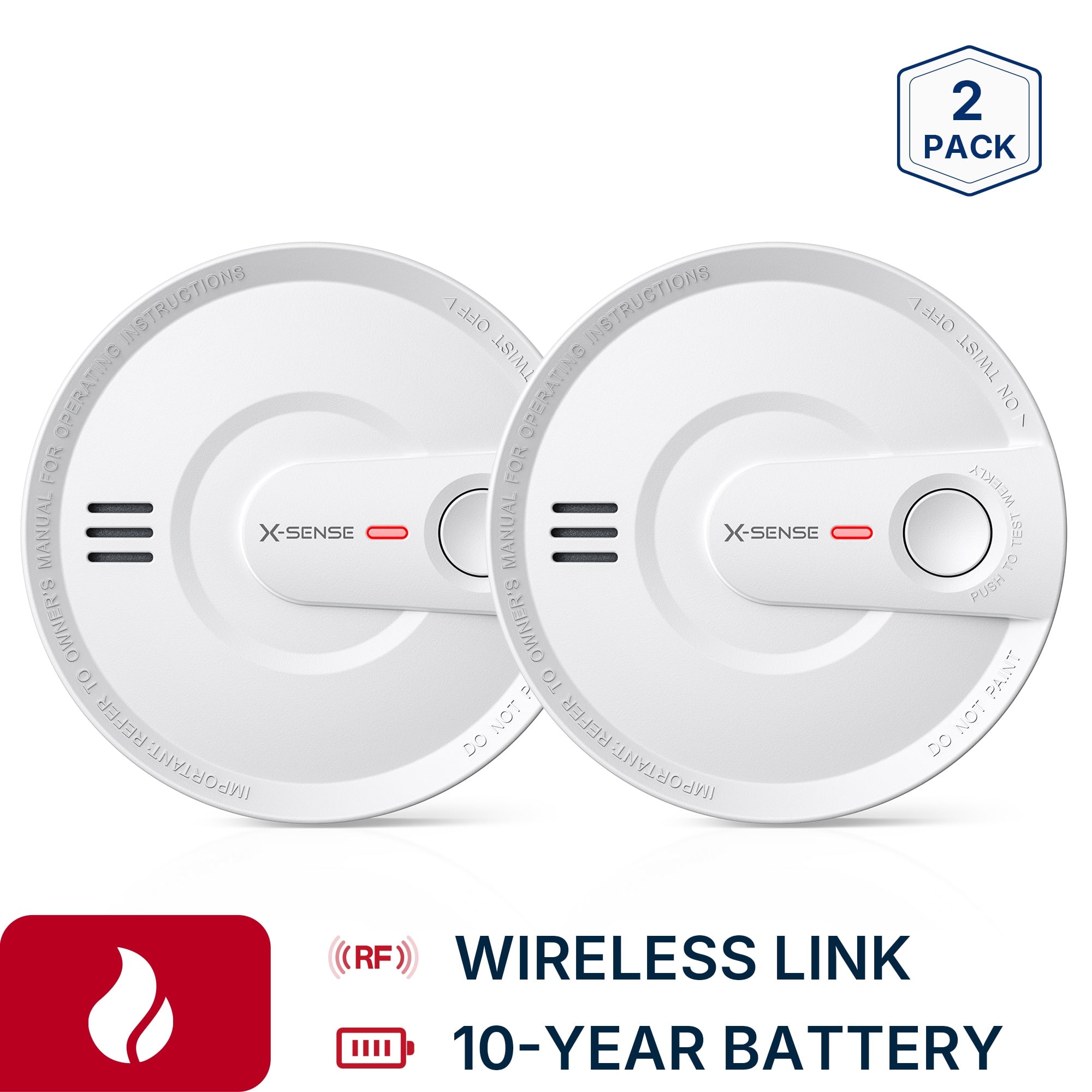
X-SENSE - 10-Year Battery Wireless Interconnected Smoke Detector with Photoelectric Sensor and LED Warning Light 2 Pack - White
SKU: J3Q5QR7C4HThey work great and the "controller" is a great tool to locating which detector sensed the smoke...They work great and the "controller" is a great tool to locating which detector sensed the smoke.
See all Smoke & Carbon Monoxide DetectorsProduct Description
A wireless interconnected smoke alarm pair with 10-year batteries, photoelectric sensors, and LED warning lights.Your price for this item is $53.99 -
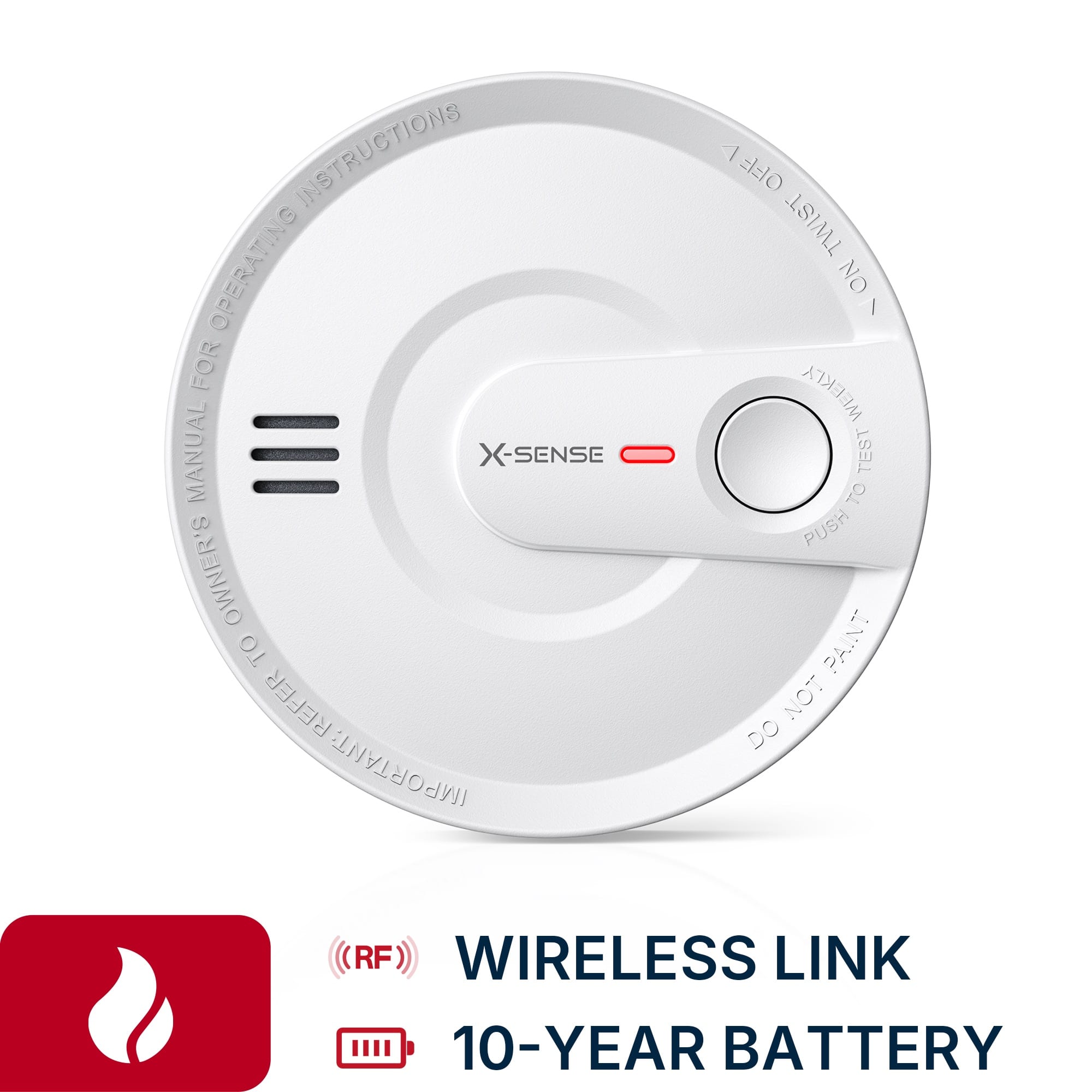
X-SENSE - 10-Year Battery Wireless Interconnected Smoke Detector with Photoelectric Sensor and LED Warning Light 1 Pack - White
SKU: J3Q5QR7CZ2BEST IN THE BUSINESS...WE LOVE THESE PRODUCTS. OUR CUSTOMERS LOVE THESE PRODUCTS!...They work great!
See all Smoke & Carbon Monoxide DetectorsProduct Description
A white, battery-powered smoke detector with photoelectric sensing, wireless interconnection, LED warning light, and 10-year battery.Your price for this item is $27.99 -
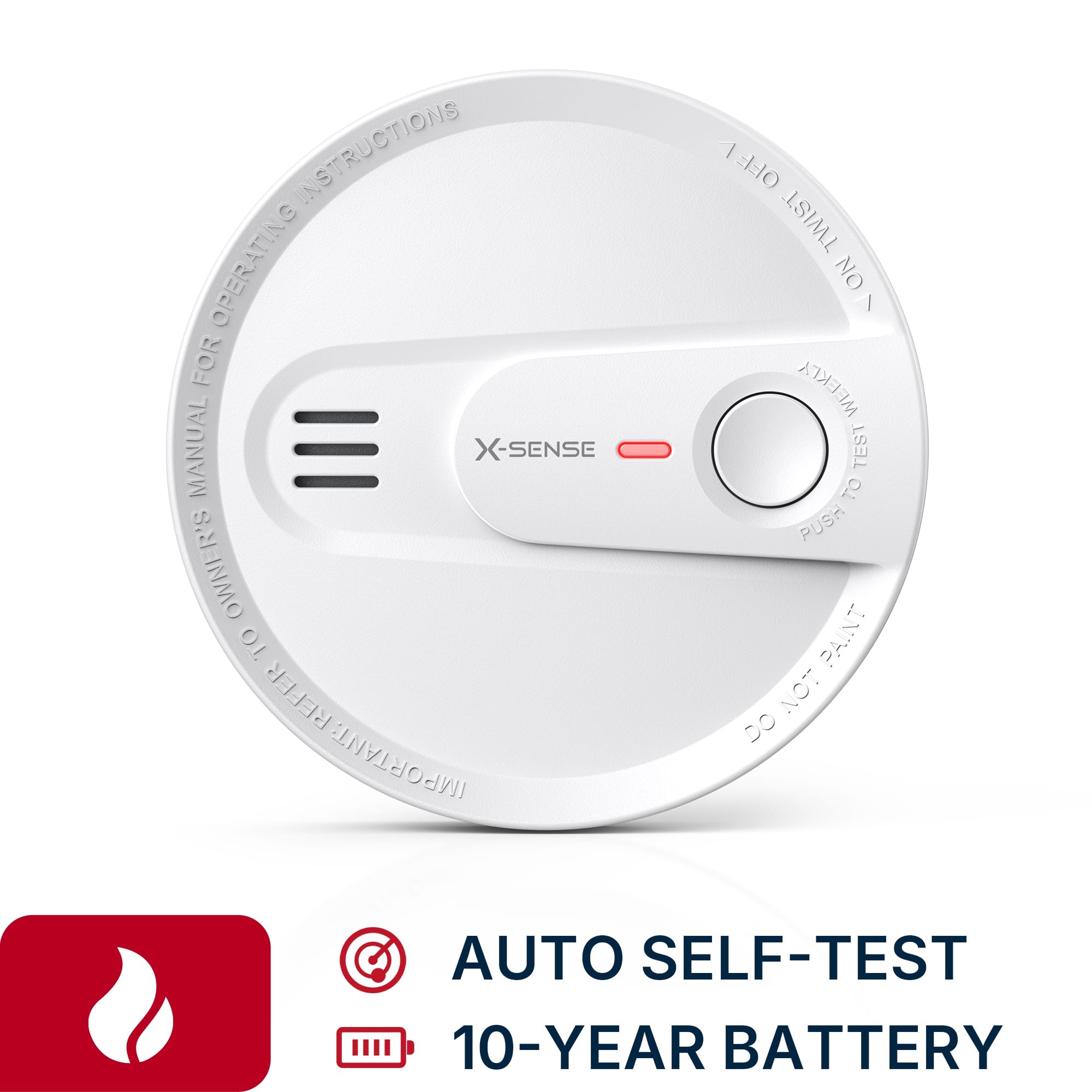
X-SENSE - 10-Year Battery Smoke Detector with Photoelectric Sensor and LED Warning Light 1 Pack - White
SKU: J3Q5QR7CKSBest value
See all Smoke & Carbon Monoxide DetectorsProduct Description
A photoelectric smoke alarm with a 10-year battery and LED warning light for dependable home safety.Your price for this item is $17.99 -
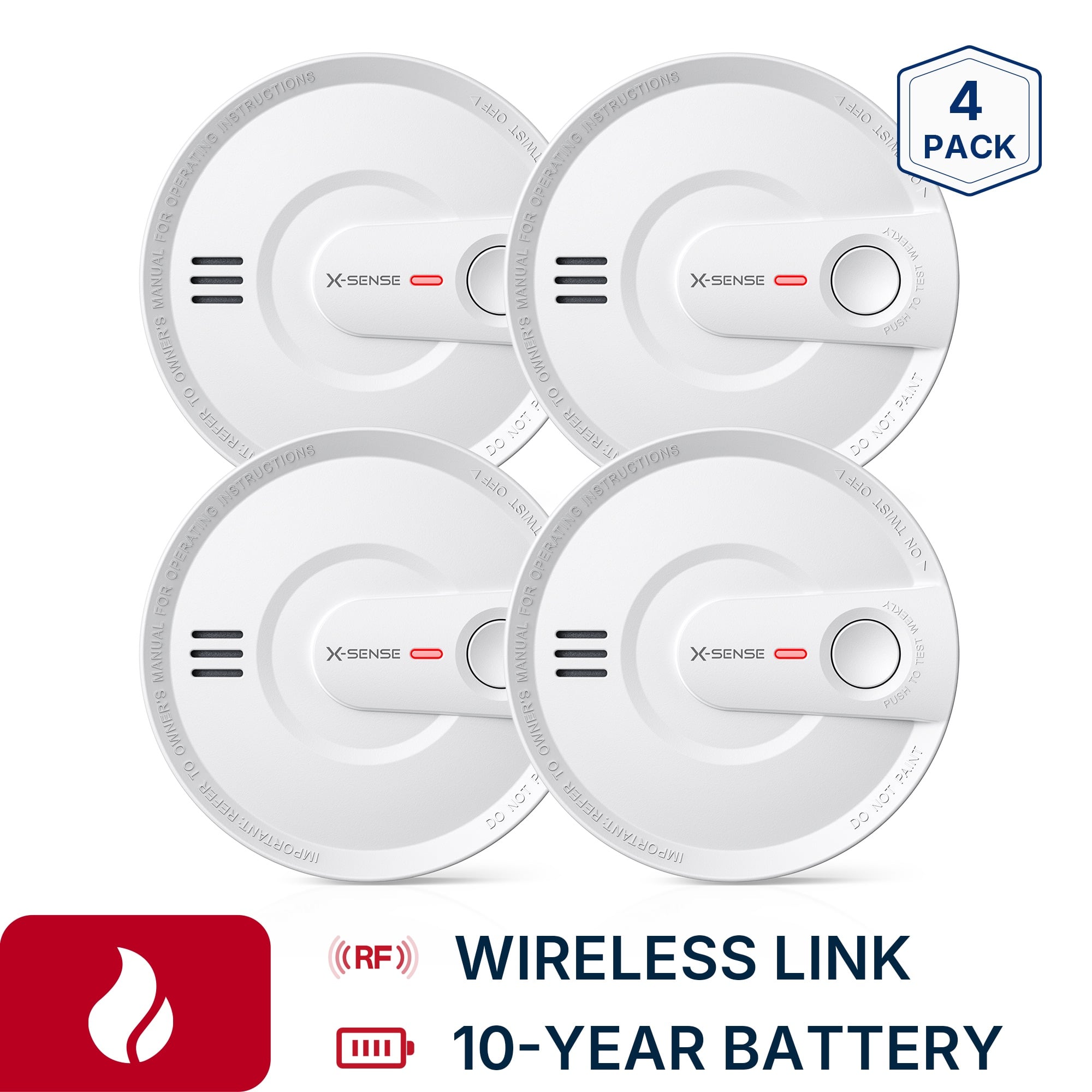
X-SENSE - 10-Year Battery Wireless Interconnected Smoke Detector with Photoelectric Sensor and LED Warning Light 4 Pack - White
SKU: J3Q5QR7C4YSee all Smoke & Carbon Monoxide DetectorsProduct Description
A white four-pack of wireless interconnected smoke detectors with photoelectric sensors, 10-year batteries, and LED warning lights.Your price for this item is $104.99 -
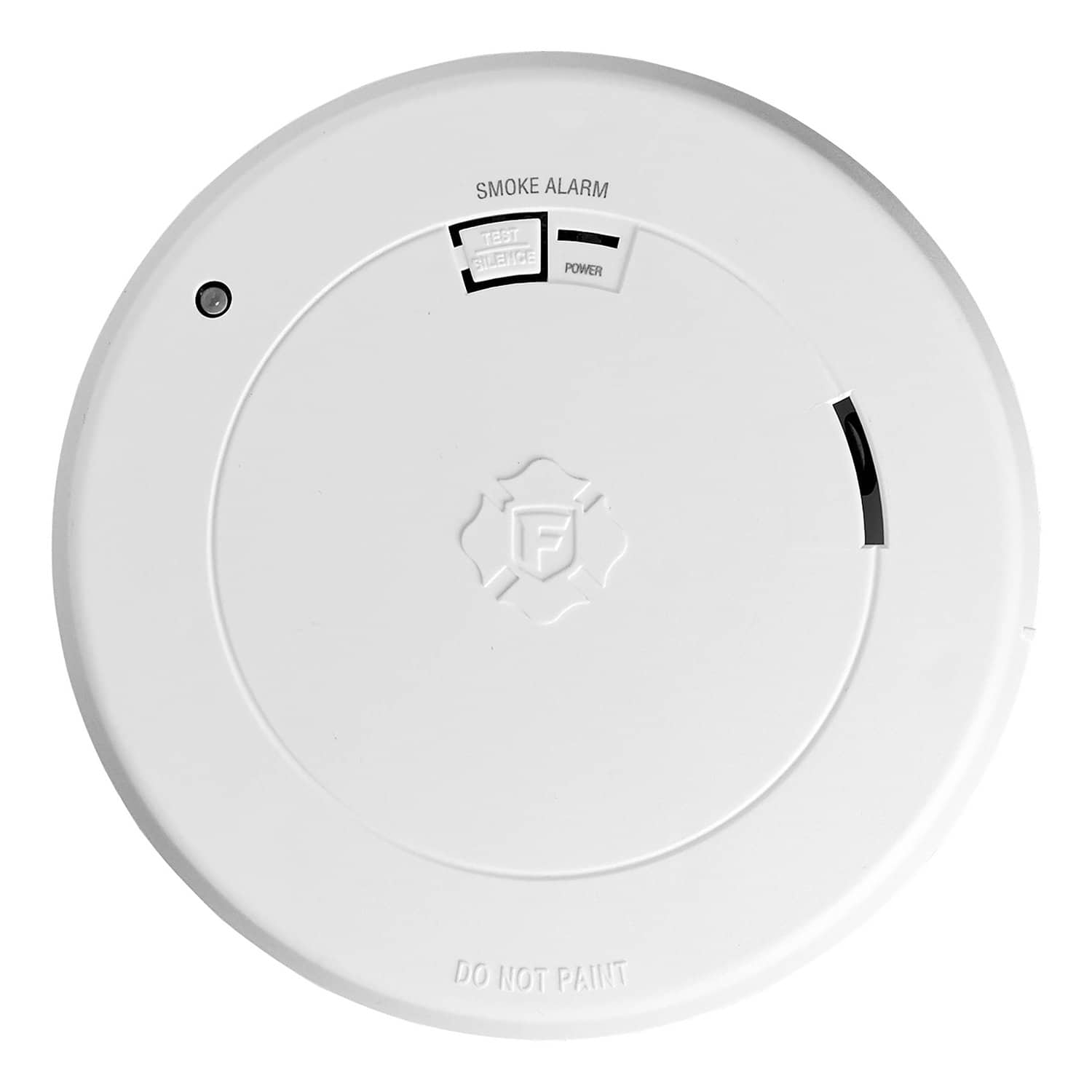
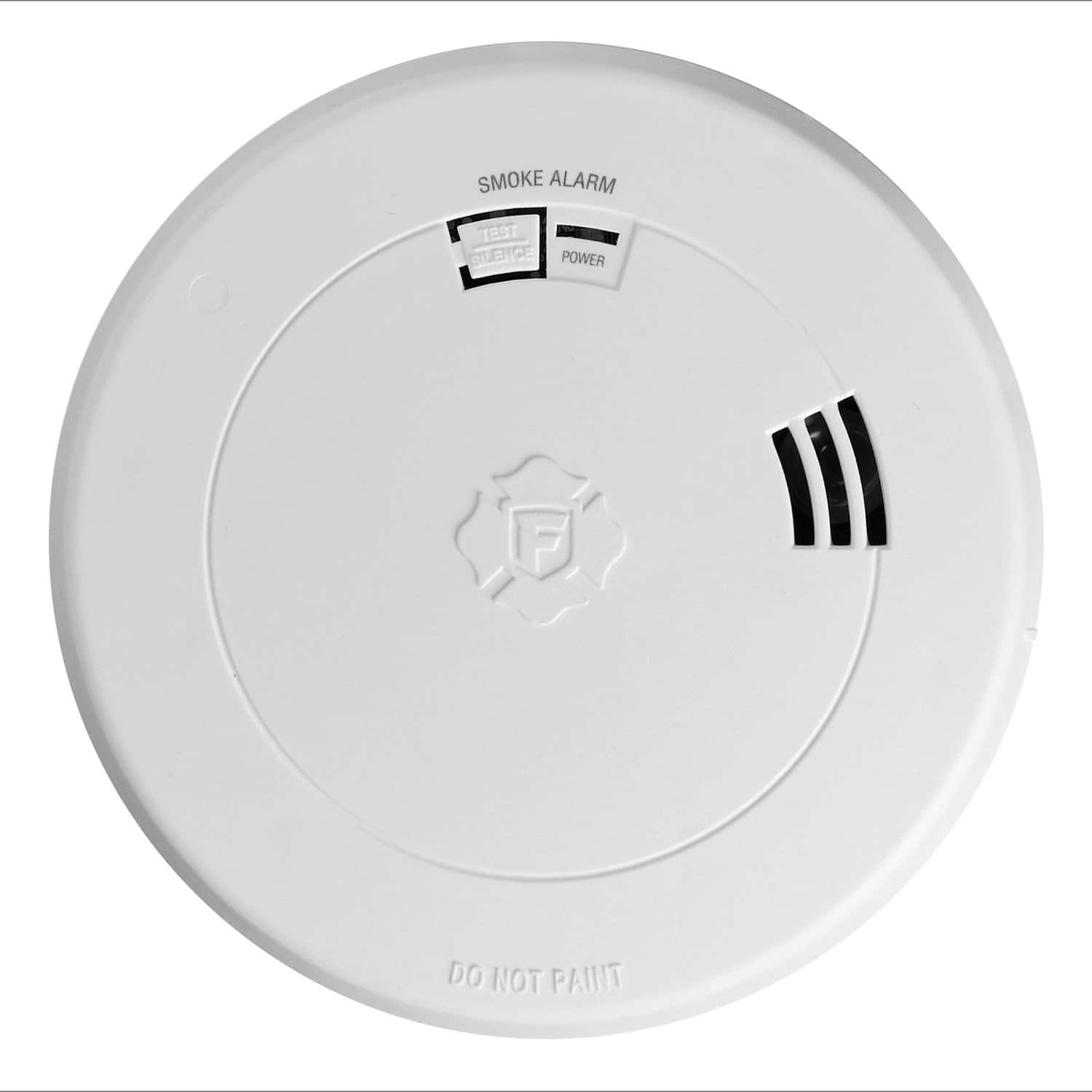
First Alert - SM210L Sealed 10-Year-Battery Smoke Alarm, Safety Path Light, Slim Profile - White
SKU: J7XK72GP7TSee all Smoke & Carbon Monoxide DetectorsProduct Description
A white, battery-powered photoelectric smoke alarm with a 10-year sealed battery and built-in path light.Your price for this item is $47.59 -
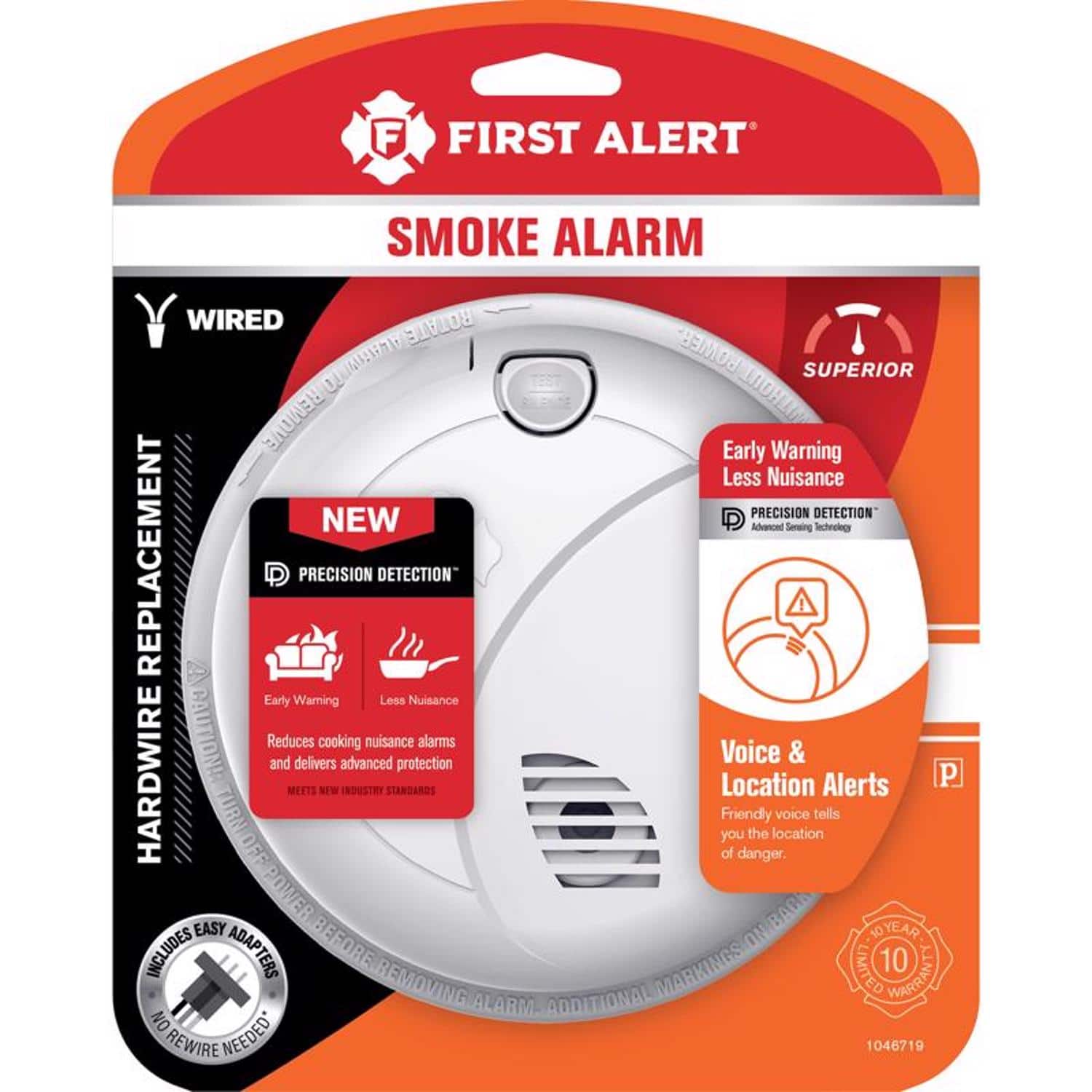
First Alert - Voice Alert Hard-Wired Photoelectric Smoke Detector 1 pk
SKU: J7XK72GYK8See all Smoke & Carbon Monoxide DetectorsProduct Description
A hardwired photoelectric smoke alarm with voice alerts, battery backup, and interconnect capability for enhanced safety.Your price for this item is $45.55Save $3The previous price was $49.15 -
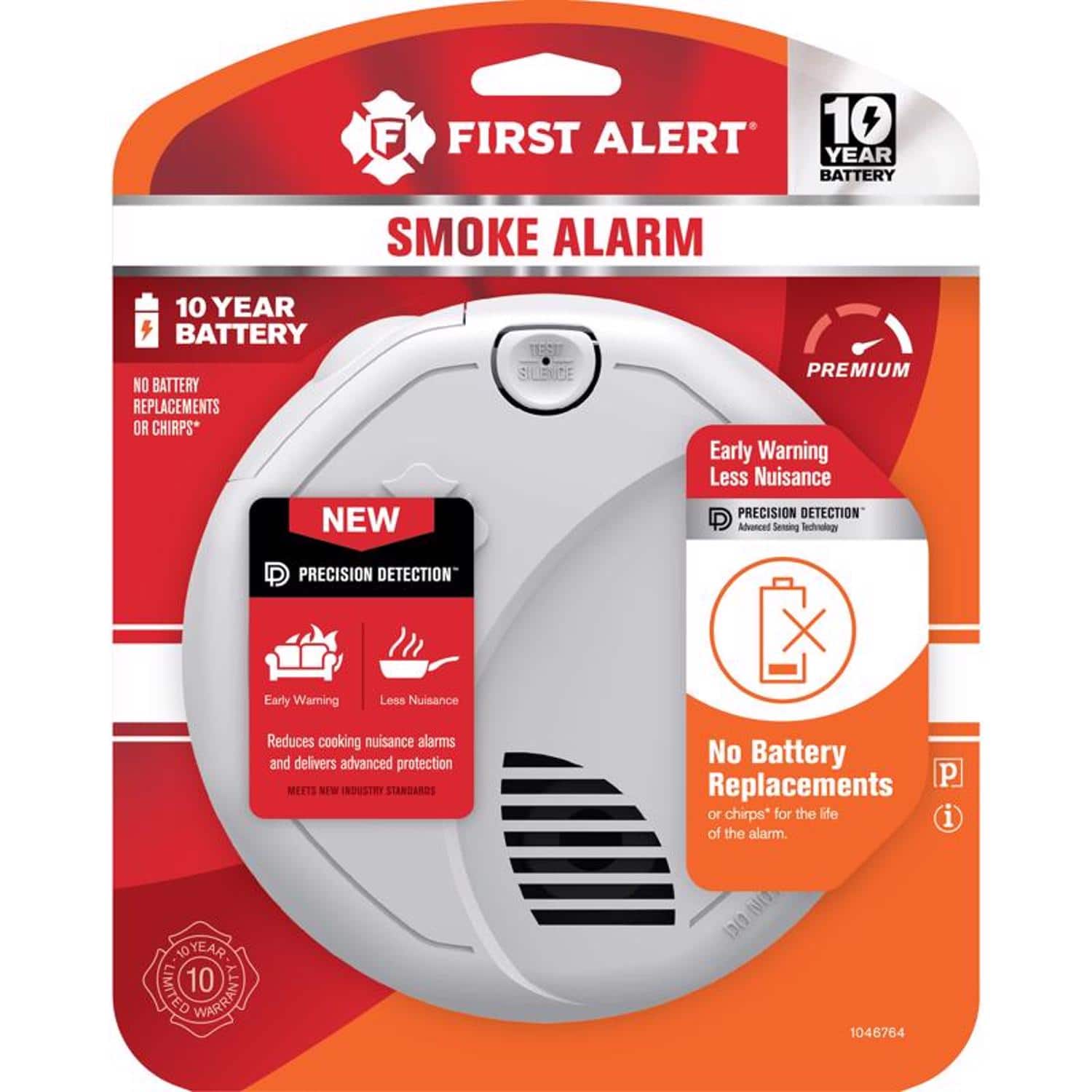
First Alert - Battery-Powered Ionization/Photoelectric Dual Sensor Smoke Detector 1 pk
SKU: J7XK72GPXCSee all Smoke & Carbon Monoxide DetectorsProduct Description
A dual-sensor smoke alarm with a 10-year sealed battery detects both fast and slow-burning fires.Your price for this item is $69.16Save $6The previous price was $75.37 -
First Alert - SM210V Sealed 10-Year-Battery Smoke Alarm, Voice and Location Alerts, Slim Profile - White
SKU: J7XK72GPC4See all Smoke & Carbon Monoxide DetectorsProduct Description
A white, slim-profile smoke alarm with 10-year sealed battery and voice location alerts for enhanced safety.Your price for this item is $46.99Save $2The previous price was $49.67
Best Sellers




Related Pages



FAQ
Smoke detectors come in various types, including ionization, photoelectric, and combination units. Ionization detectors are generally more responsive to flaming fires, while photoelectric detectors are better at detecting smoldering fires. Combination units offer both technologies in one device for comprehensive coverage.
Yes, many modern smoke detectors offer interconnectivity, either through hardwiring or wireless technology. When one interconnected detector senses smoke, all connected alarms will sound, providing an added layer of alert throughout your home.
Absolutely. Many smoke detectors now feature smart home compatibility, allowing you to connect them to systems like Google Home, Amazon Alexa, or Apple HomeKit. These smart detectors can send alerts to your phone and integrate with other smart devices for enhanced convenience.
Yes, it’s important to perform regular maintenance on your smoke detectors. This typically includes testing the alarm monthly and cleaning the unit to prevent dust buildup, which can interfere with performance. Always follow the manufacturer's instructions for optimal care.
When selecting a smoke detector, consider features such as battery backup, hush or silence button, low battery warning, easy installation, and interconnectivity options. Some models also offer carbon monoxide detection or voice alerts for added functionality.