Small Home Office Desks Under $200
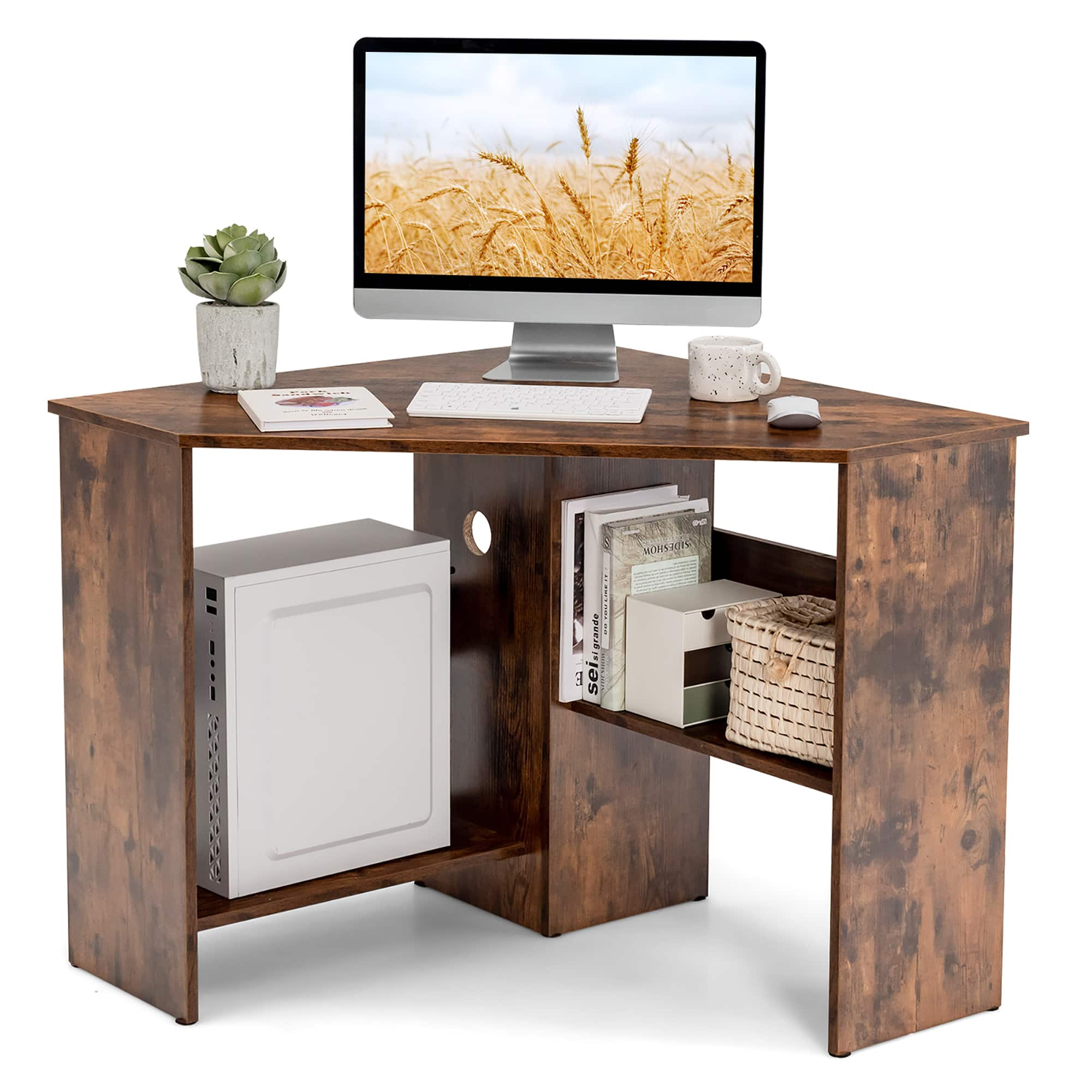
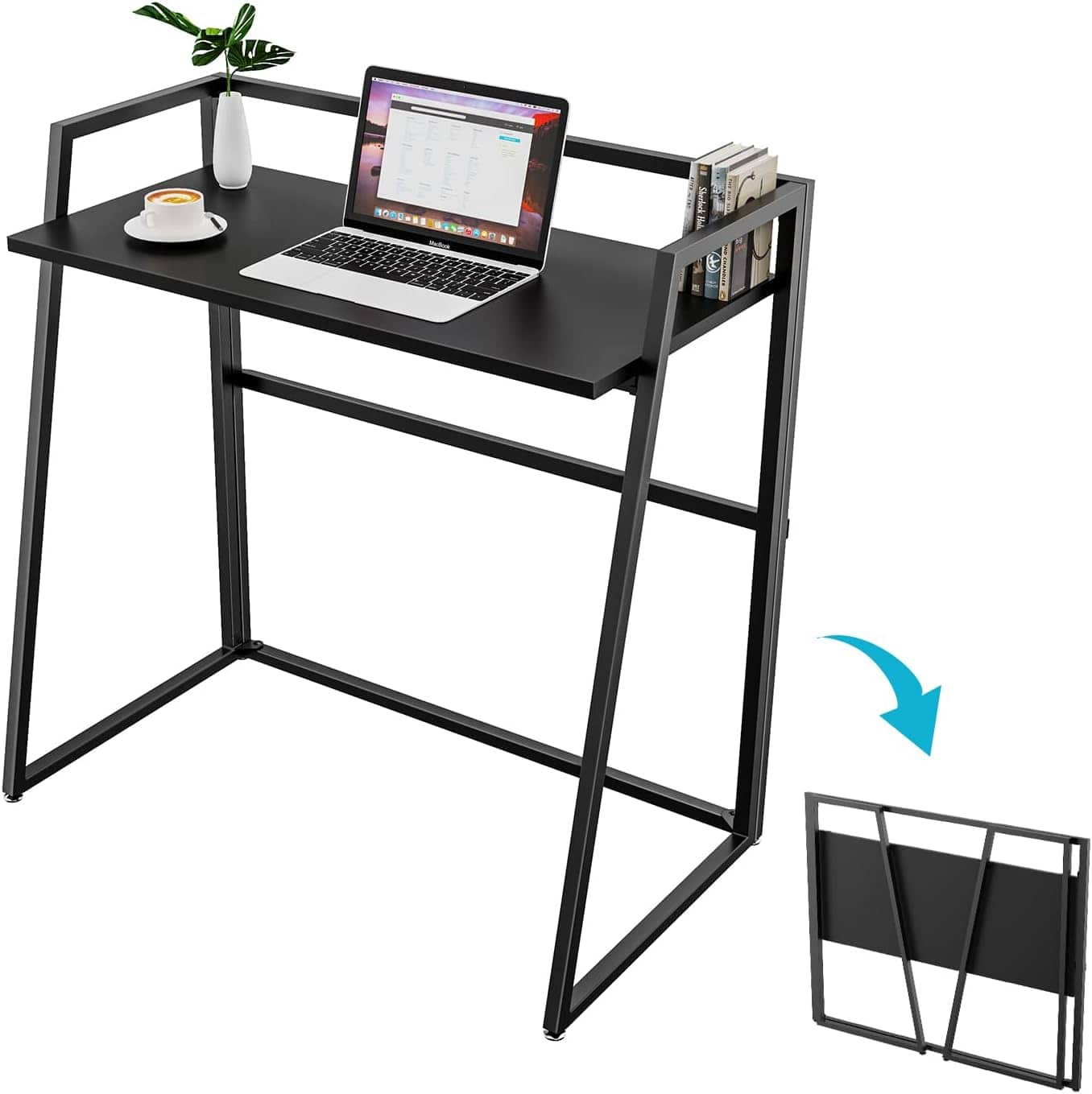
Find a small home office desk under $200 for a dedicated work spot in a bedroom, living area or home office. Compare compact computer and writing desks by usable desktop space, storage and legroom, keeping your laptop, monitor or paperwork needs in mind.



Measure your planned desk location, checking both desktop length and depth rather than relying on a compact label alone. Leave room to pull out a chair, open drawers and reach nearby outlets without blocking a walkway. If you're choosing seating too, compare office chairs under $200 with the desk's height, knee clearance and space for armrests in mind.
FAQs
Writing desks typically emphasize a straightforward work surface, while computer desks may add features such as keyboard trays, equipment shelves or cable-routing openings. The labels can overlap, so compare the actual layout and features with how you plan to work.
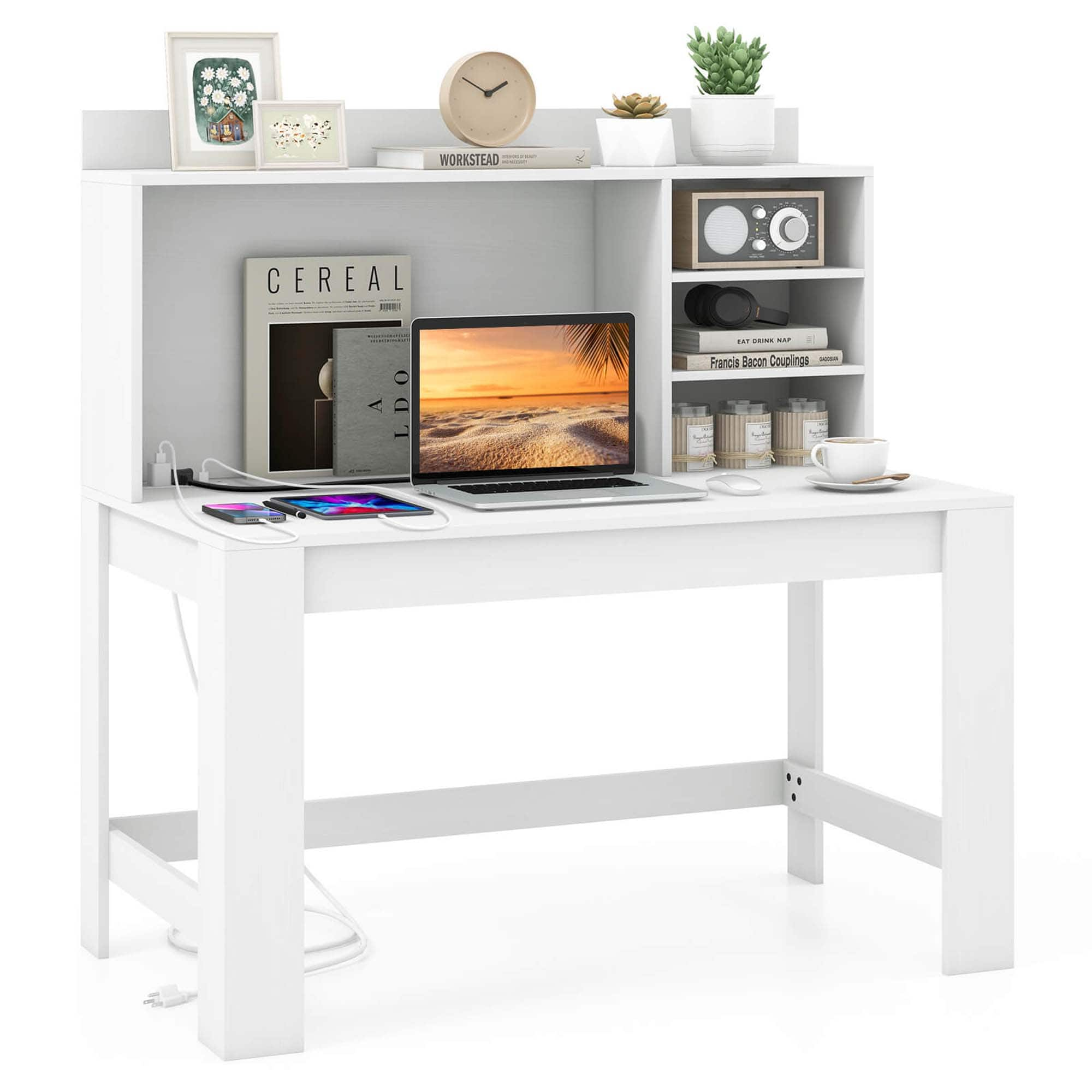
Drawers suit supplies you prefer to keep out of sight, such as stationery and spare cables. Open shelves make books and frequently used items easy to reach. Choose based on what you store and whether you prefer concealed organization or visible access.
Common options include engineered-wood desktops, wood-look finishes and metal frames. Some desks combine these materials. Read the material and finish details separately, since a wood-grain appearance does not necessarily mean solid-wood construction.
Look for listed features such as cable-routing holes, rear compartments or integrated charging connections. Consider where cords will exit and how they'll reach your devices and wall outlets. Check the connection types rather than assuming every charging feature supports the same devices.
Choose a finish and frame style that complement nearby furniture. Concealed storage can keep work supplies out of view, while an open design offers a simpler appearance. If the desk faces into the room, consider the look of its back panel and visible cords.