Deals for every list.It’s officially saving season.Shop now

Skip to contentGo to Product Search
Main Content
Skip to contentGo to Product Search

Deals for every list.It’s officially saving season.Shop now

Main Content

Solar-Powered Robot Building Kits

Explore solar-powered robot building kits for hands-on projects that combine construction, robotics, and renewable energy. Compare recommended ages, assembly requirements, and included components to find a kit that suits the builder’s interests and experience. Check each kit’s lighting and power requirements so you know what’s needed to operate the finished model.

Read More

Solar-Powered Robot Building Kits

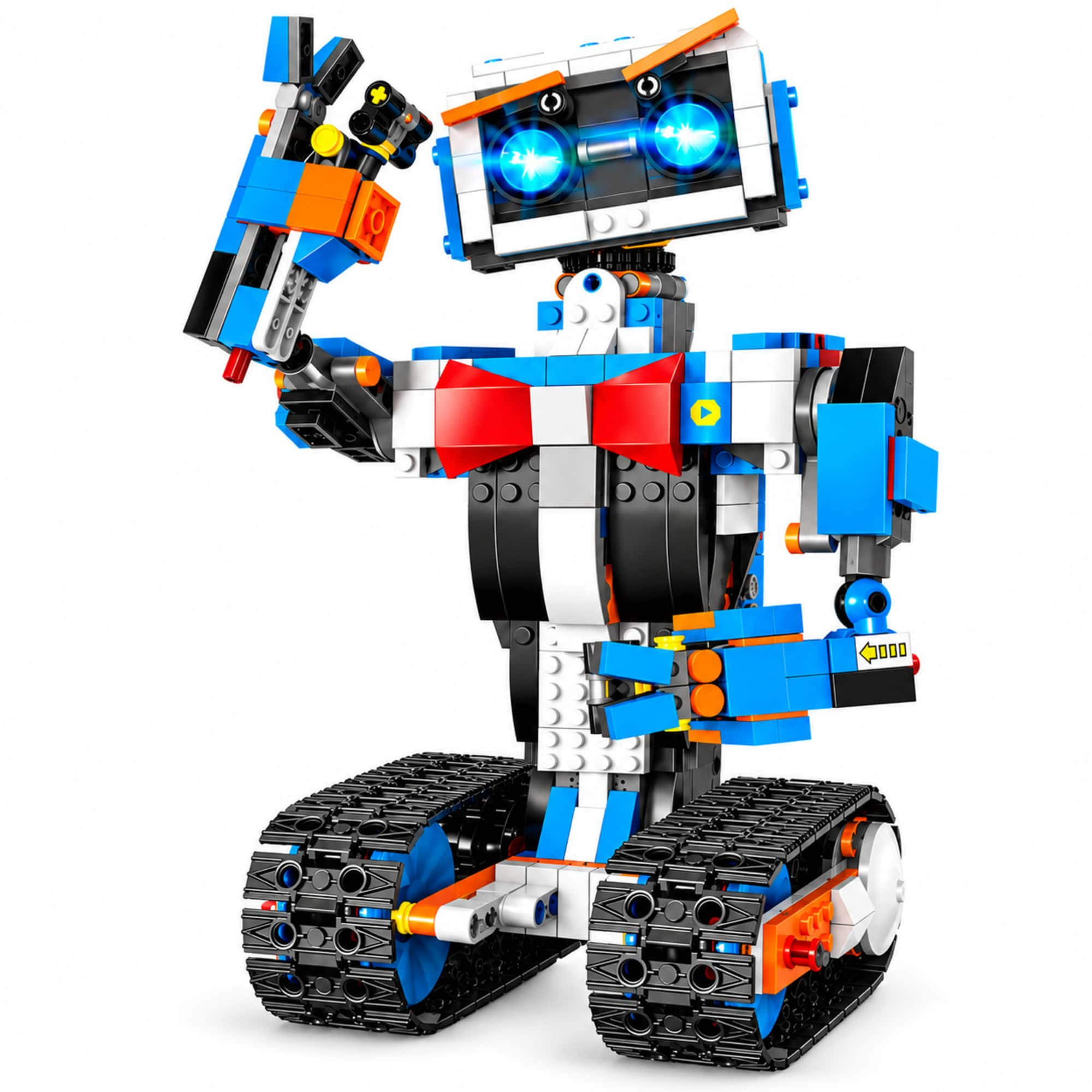
Solar-powered robot building kits bring construction, movement, and renewable energy together in a hands-on project. Building a robot gives curious learners a tangible way to explore how individual components work as a system, from the connections that hold a structure together to the mechanisms that transfer motion. A solar panel converts light into electricity, which can power a motor and bring the assembled creation to life under suitable lighting conditions. That connection between light and movement makes these kits especially engaging for anyone interested in robotics, engineering, or alternative energy. The building process also creates opportunities to practice following diagrams, recognizing parts, and checking how components fit together. For families, students, and hobbyists, the appeal extends beyond the finished robot: assembling, observing, and adjusting a design can be just as rewarding as watching it move.

When comparing solar robot kits, assembly complexity and the intended builder’s experience are useful starting points. Recommended age ranges, the number of assembly steps, and the detail of the instructions can help distinguish an approachable first project from a more involved build. Smaller components and precise connections may call for patience, fine motor control, or help from an adult, while a more experienced builder may welcome additional mechanical challenges. Consider whether the goal is to complete one design or return to the kit for further experimentation. If a kit supports multiple configurations, rebuilding can offer another way to explore how changes in structure affect movement. It is also worth reviewing the stated tool requirements, included components, and power setup before choosing. These details help set expectations for the time, workspace, and supervision needed without assuming every kit offers the same building experience.

Lighting conditions are an important part of choosing and enjoying a solar-powered robot building kit. A solar panel’s output depends on the light reaching it, so direct sunlight and ordinary indoor lighting should not be treated as interchangeable. Panel orientation, shade, and the demands of the assembled mechanism can all influence operation. Solar power also does not automatically mean that a kit stores energy for later use; the specified power design determines whether movement depends on light being available at that moment. For home learning, classroom enrichment, or a shared weekend activity, these characteristics can make the relationship between energy and motion easier to observe. As a gift, a solar robot kit is well suited to someone who enjoys constructing things, investigating how they work, and making adjustments along the way. Matching the kit’s complexity and lighting requirements to the recipient’s interests and available space helps make the project a thoughtful choice, whether the focus is a first introduction to STEM or another opportunity to explore mechanical design.

Read More

FAQs