Deals for every list.It’s officially saving season.Shop now

Main Content
Skip to contentGo to Product Search

Deals for every list.It’s officially saving season.Shop now

Main Content

Programmable Robot Toys for Kids

Explore programmable robot toys for kids that combine coding concepts with hands-on play. Compare recommended ages, programming methods, and any device or app requirements to find a coding toy that fits your child’s interests and experience level.

Read More
Results
Main Results

Programmable Robot Toys for Kids

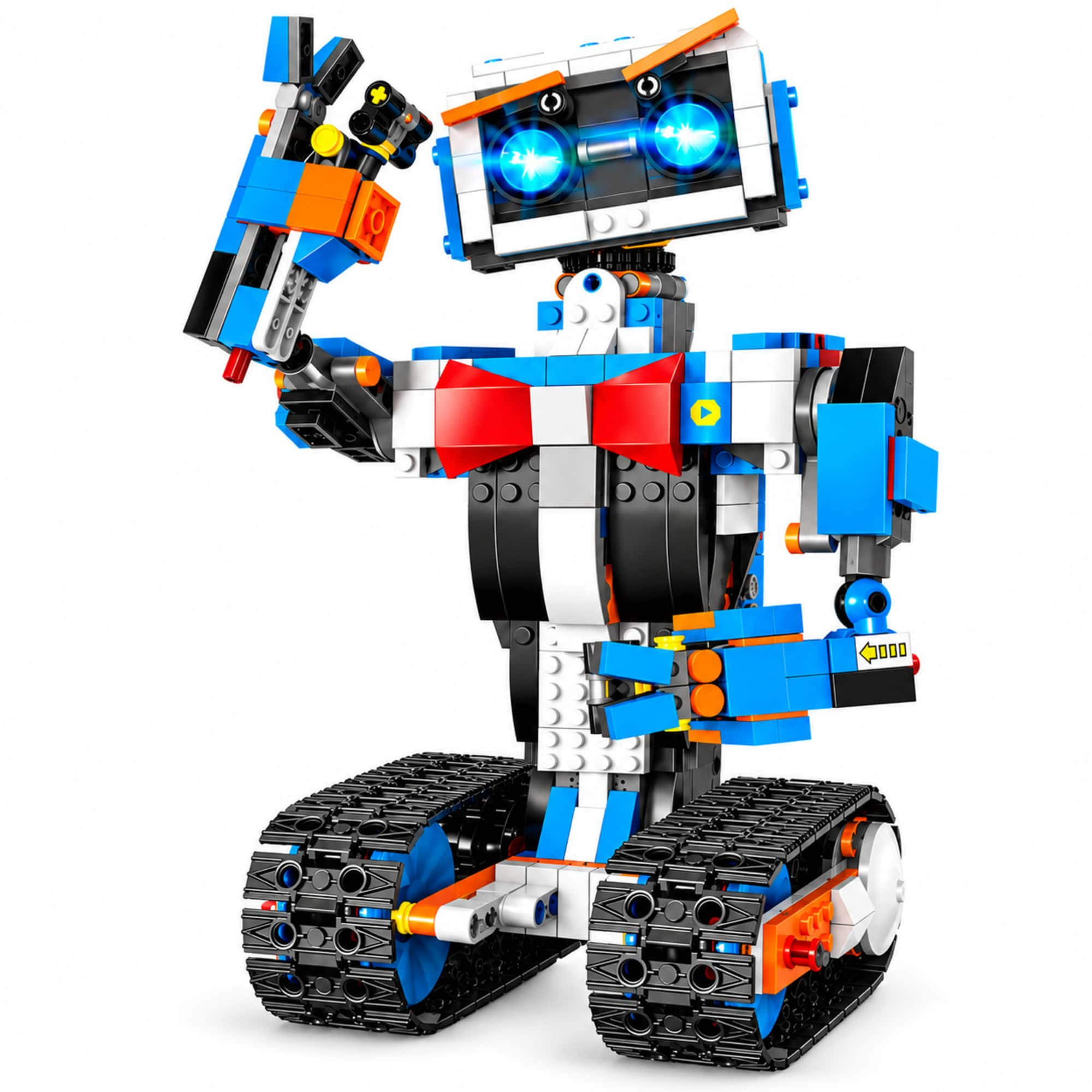
Programmable robot toys for kids bring coding concepts into hands-on play, connecting a child’s instructions with movements and actions they can see. Planning a route, arranging commands and changing a sequence give children opportunities to explore cause and effect while working toward a playful goal. Programming methods range from simple onboard buttons and physical command pieces to visual, block-based coding interfaces and more advanced software environments. Screen-free controls can make basic sequencing approachable, while app-connected designs may offer more room to experiment with longer programs and additional functions. Depending on the design, features such as lights, sounds and sensors can add ways to interact, create challenges or respond to surroundings. These toys can appeal to children interested in technology, building, puzzles or imaginative adventures, with different levels of complexity suited to different stages of learning. The best fit balances an engaging play experience with controls a child can understand and revisit as their confidence grows.

Age recommendations, reading requirements and programming complexity are useful distinctions when comparing coding robots for children. A younger beginner may find short command sequences and clear physical controls easier to navigate, while a child with coding experience may enjoy working with loops, conditional instructions or sensor-based responses where supported. Ready-to-use robot designs put the emphasis on programming and play, whereas build-and-code kits add an assembly component that can appeal to children who enjoy constructing things and exploring how parts work together. Assembly time, the size of individual pieces and the amount of adult help required can affect how well a toy fits a particular household or learning setting. For app-based programming, device compatibility and operating system requirements deserve attention, along with whether a phone, tablet or computer is needed during every play session. Battery type, charging arrangements and any required accessories also influence everyday convenience and the overall purchase.

The space and style of play matter as much as the coding interface. Robots programmed to travel need a suitable surface and enough room to move, and floor coverings, obstacles and changes in surface height can affect their motion. A compact tabletop activity creates a different experience from a robot that follows a route across an open floor. Children who prefer storytelling may enjoy incorporating programmed movements into pretend missions, while those drawn to puzzles may be more interested in navigating a course or refining a sequence until it works as intended. For a birthday, holiday or other gift occasion, matching the toy to the recipient’s interests and experience can be more meaningful than choosing the most complicated option. Clear starting activities can make the first session approachable, while flexible programming tools and open-ended challenges can provide reasons to return. A well-matched programmable robot toy gives children room to experiment, notice what happened and adjust their ideas through play.

Read More

FAQs