Tech Gift Ideas for Kids
Best Selling Products carousel(6 Items)
At a glance: tech gift ideas by category
When you're comparing technology gifts for kids, start with what you want the gift to do. From science kits and toys to practical devices, you’ll find a variety of options.
Kids smartwatches
Wearable devices can provide calling, messaging, location features and other age-appropriate functions without requiring a child to carry a full smartphone.
Kid-friendly headphones
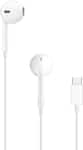
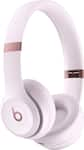
Volume-limited kids’ headphones provide a convenient way for kids to listen to music, audiobooks, videos and games while keeping listening levels easier to manage.
Kids tablets
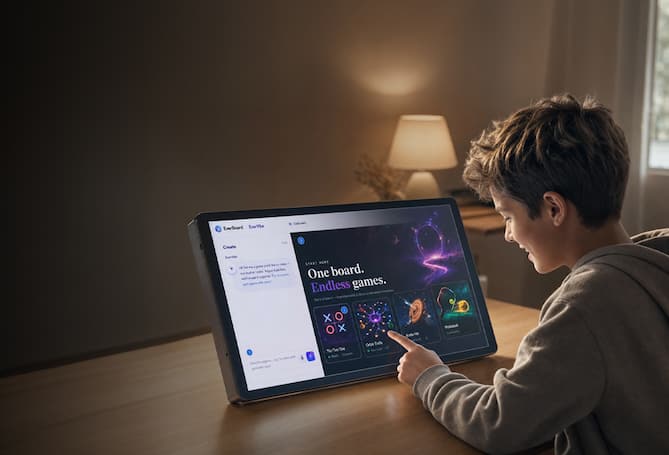
Tablets can support reading, educational activities, games, streaming and creative apps, particularly when parental controls are available.
STEM and building toys
Electronic building kits, circuit sets, engineering toys and other hands-on STEM products can introduce concepts such as problem-solving, logic and cause and effect.
Creative tech
Digital cameras, drawing tablets, microphones and music-making equipment give kids ways to make photos, art, videos and audio rather than simply consume content.
Interactive and screen-free technology
Audio players, interactive learning devices and other technology-focused toys can offer digital experiences without relying on a traditional tablet or phone.
The most appropriate tech gift depends on the child. Consider their interests, maturity level, existing devices and how much supervision the technology requires.
How to choose the right kids tech gift
Before comparing individual products, think about the purpose of the gift. For example, essential tech for school age children can look different than learning tech for teens. Technology can support communication, entertainment, creativity, learning or a combination of these.
Consider what you want the gift to encourage. A smartwatch may make sense for a child who is becoming more independent and needs a simple way to stay connected with family. Headphones can be useful for travel, schoolwork, music or gaming. A tablet can support both entertainment and educational activities, while a digital camera or drawing tablet can encourage creative projects.
STEM toys can be a good fit for kids who enjoy building, experimenting and figuring out how things work. For children who are not interested in programming, hands-on electronics and engineering projects can provide many of the same opportunities to practice logic and problem-solving without making coding the central focus.
When the purpose is clear, it becomes easier to narrow the choices.
Match the technology to the child. Age recommendations provide a starting point, but they don't tell the whole story. Consider your child's reading ability, patience, interests and comfort with technology.
A device with complicated menus may frustrate a younger child, while an older child may quickly outgrow a very simple toy. Also think about whether your child can follow household rules about screen time, online access and caring for electronics.
Consider your family's tech rules. Some kids' tech gifts are designed to work with apps, internet access or online services. Others can be used with little or no internet connectivity. Before buying, consider how much online access you are comfortable providing. Parental controls, restricted contacts, content filters and screen-time settings can make connected devices easier to manage.
Kids smartwatches: communication and independence
What do kids smartwatches offer?
Depending on the device, a kids smartwatch may include:
- Calling and messaging with approved contacts
- GPS location tracking
- Location-based alerts
- Emergency or SOS features
- Activity and step tracking
- Water resistance
- Basic games or other age-appropriate activities
The exact features vary considerably, so check what is included before buying.
Smartwatches for younger kids
For younger children, simplicity can be more useful than a long list of features. Look for:
- Large, easy-to-read icons
- Straightforward menus
- A comfortable and adjustable band
- Durable construction
- Parent-managed contacts
- Features focused on communication and safety
A watch that is difficult for a child to operate may not be useful when they actually need it. Parents should also review how contacts and settings are managed from the accompanying app or account.
What to look for in a kids smartwatch
When comparing kids smartwatches, consider:
- Cellular compatibility: Check whether the watch requires a separate cellular plan and whether it works with your preferred network.
- Parent controls: Look at how contacts, settings, location features and other functions are managed.
- Battery life: Frequent charging can become inconvenient, particularly if the watch is expected to be worn every day.
- Privacy: Review how location information and other personal data are handled.
- Comfort: A bulky or uncomfortable watch may end up sitting in a drawer instead of being worn.
- Durability: Water resistance and sturdy construction can be useful for everyday activity.
Kid-friendly headphones: listening at home and on the go
Kid-friendly headphones often include features designed around younger listeners, such as:
- Built-in volume limiting
- Adjustable headbands
- Cushioned ear cups
- Lightweight construction
- Wired and/or wireless connectivity
- Simple controls
A comfortable fit matters because headphones that are too tight, heavy or large may be difficult for a child to wear for very long.
Headphones for travel
For planes, car rides and other noisy environments, over-ear headphones can provide passive noise isolation. Some models also include active noise cancellation.
Reducing background noise can make it easier to hear audio without increasing the volume. If choosing noise-canceling headphones for a child, look for a comfortable fit and controls that are easy to understand.
How volume limiting works
Volume-limiting headphones are designed to restrict how loud audio can become. This can make it easier for parents to manage listening levels, although good listening habits still matter.
Encourage kids to take breaks from headphones and use moderate volume levels. Parents can also periodically check the volume and listen to the headphones themselves to make sure the level seems appropriate.
What to check before buying kids headphones
Before choosing a pair, check:
- The stated volume limit
- Whether the volume limit can be overridden
- Wired and wireless compatibility
- Bluetooth compatibility, if applicable
- Connector type for wired listening
- Ear cup size and headband adjustability
- Ease of cleaning
- Weight and overall comfort
Tablets for kids: learning, entertainment and creativity
A kids’ tablet can serve several purposes, from reading and educational activities to games, streaming and creative projects.
For younger children, look for devices and accessories that make parental controls easy to use. A durable case can also help protect the tablet from drops and everyday wear.
What to look for in a kids tablet
Consider:
- Parental controls: Check whether you can manage apps, websites, purchases and screen time.
- Storage: Games, videos, photos and apps can use storage quickly.
- Battery life: Longer battery life can be useful for travel and schoolwork.
- Durability: A protective case may be especially important for younger kids.
- Content: Check whether the available apps and services are appropriate for your child.
- Ease of use: Simple navigation can make a tablet more accessible to younger children.
A tablet can also become a creative tool when paired with drawing, photography, music or video apps.
Creative tech gifts for kids
Technology does not have to mean passive screen time. Creative devices give children opportunities to make something of their own.
Digital cameras
A kid-friendly digital camera can encourage children to experiment with photography, storytelling and video. Rugged construction and a point-and-shoot format can be useful for younger kids who are still learning how to handle electronics.
Older children can use cameras for photo journals, short videos, stop-motion projects or creative storytelling.
Crafting machines
Crafting machines can introduce kids to cutting, drawing, decorating and other creative projects. They can be particularly appealing to children who already enjoy making things by hand.
When choosing one, consider the machine's size, compatible materials and whether the included tools and software are appropriate for the child's age and experience.
Music and audio creation
USB microphones, beginner keyboards and other music-making accessories can turn a computer or tablet into a basic creative studio.
Kids can experiment with recording, music production, voice projects or podcasts. These gifts can be especially useful when a child enjoys performing or storytelling.
Stem tech toys: building, experimenting and problem-solving
STEM and educational toys can introduce children to science, technology, engineering and math through hands-on activities.
Don’t limit the STEM focus to coding toys. When choosing the best STEM toys for your kids, look for a variety of products that let kids build, test and modify their own projects.
Electronics and circuit kits
Beginner electronics kits can introduce concepts such as switches, lights, motors and simple circuits. Some use components that connect together without requiring traditional soldering, making them more approachable for younger learners.
These projects can help kids see cause and effect in a physical way: connect one component, change another and observe what happens.
Engineering and building sets
Engineering-focused building sets can challenge kids to construct bridges, vehicles, machines and other structures. They can then test their designs and make changes.
These activities encourage spatial reasoning, planning and problem-solving while allowing children to learn through experimentation.
Interactive learning technology
Some educational technology combines physical objects with digital activities. These products can introduce subjects such as science, math, geography and logic through guided challenges and games.
For younger kids, look for activities that are easy to understand and provide room for experimentation rather than requiring advanced technical knowledge.
What stem tech toys can teach
Hands-on STEM activities can help kids practice:
- Problem-solving: Children figure out what went wrong and try another approach.
- Logical thinking: They learn how individual actions affect the outcome.
- Persistence: Projects may require multiple attempts before they work.
- Creativity: Open-ended activities allow children to design their own solutions.
- Collaboration: Building and experimentation can become shared activities with siblings, friends or parents.
The goal does not have to be preparing a child for a technology career. STEM toys can simply give kids another way to explore how the world works.
Interactive and screen-free tech gifts
Some children enjoy technology but do not need another traditional screen.
Audio players, interactive story devices and other screen-free technology can provide music, stories, games or educational content without relying on a tablet or smartphone display.
These products can be particularly useful for younger children or families that want to limit recreational screen time while still giving kids access to technology.
Tech gifts for kids by age
Age can help narrow the choices, but interests and maturity should also guide the decision.
Ages 3–5
Younger children may enjoy:
- Simple audio players
- Basic headphones with volume limiting
- Screen-free interactive technology
- Beginner building sets
- Simple cameras designed for young children
Look for large controls, durable construction and activities that don't require advanced reading skills.
Ages 6–7
Children in early elementary school may be ready for:
- Kids smartwatches with parent-managed communication
- Kid-friendly tablets
- Creative cameras
- Drawing tablets
- Beginner electronics and building kits
- Interactive learning devices
At this age, simple technology can still provide plenty of room for exploration.
Ages 8–12
Buying educational toys for children ages 8-12 may include:
- More advanced tablets
- Creative photography and video equipment
- Music-making tools and instruments
- Electronics and engineering kits
- More capable headphones
- Technology for school projects
Children in this age range may also have more specific interests, so consider whether the gift supports something they already enjoy.
Teens
Teenagers may be ready for technology with more advanced capabilities, including:
- Full-featured headphones
- Tablets or computers for school and creative projects
- Digital cameras
- Music production and recording equipment
- More sophisticated electronics and engineering projects
- Smartwatches with features appropriate for their level of independence
As kids get older, consider not only the device itself but also privacy, online access and how it fits into their existing technology.
Checklist for choosing the right kids tech gift
Age and maturity
Consider how your child handles technology, frustration and responsibility.
Ask yourself:
- Can they follow household technology rules?
- Are they comfortable learning new controls?
- Do they tend to lose or break small electronics?
- Will they need help setting up or using the device?
- Are they interested in the activity the gift supports?
A simpler product may be more useful than a feature-heavy one if it matches the child's abilities and interests.
Safety and parental controls
For connected technology, look at what parents can control.
Depending on the product, this may include:
- Approved contacts
- Apps and websites
- Purchases
- Screen time
- Location sharing
- Content access
- Communication features
Read the manufacturer's information about parental controls before buying so you understand what can and cannot be restricted.
Battery life and durability
For frequently used technology, battery life can affect how practical the gift is.
Look for products with:
- Battery life appropriate for typical use
- Rechargeable batteries where practical
- Sturdy construction
- Water or splash resistance where useful
- Replaceable accessories or parts when available
A protective case can also extend the useful life of tablets and other portable electronics.
Kids tech gifts FAQ
What are good tech gifts for kids?
Good tech gifts for kids can include smartwatches, headphones, tablets, digital cameras, drawing tablets, audio players and hands-on STEM toys.
The right category depends on what the child enjoys and what you want the technology to encourage. Communication, creativity, entertainment and hands-on learning can all be good reasons to choose a technology gift.
What age should kids get a smartwatch?
There is no single age that applies to every child. Some families introduce a kids smartwatch when a child begins spending more time away from home independently, such as walking to school, attending activities or visiting friends.
Consider whether the child can follow basic safety and technology rules and whether the watch's communication features are appropriate for your family.
Are kids headphones safe?
Choosing the right headphones for kids can support safer listening when they include volume-limiting features and fit comfortably. Children should still be encouraged to listen at moderate levels and take regular breaks.
Parents can also check the volume periodically rather than relying solely on the headphone's volume limit.
Are STEM toys worth it?
You might be wondering how STEM toys work to teach kids math and science. STEM toys can provide hands-on ways for kids to explore not just math and science, but also technology, engineering and other skills. Building, experimenting and testing different solutions can help children practice problem-solving, logical thinking and persistence.
The most useful STEM gift is one that matches the child's interests and that they are likely to use repeatedly.
What are good alternatives to coding robots?
Kids who enjoy technology do not necessarily need a coding robot to explore STEM concepts. Electronics kits, circuit-building sets, engineering projects, interactive learning devices and construction-based technology toys can all provide hands-on learning.
These activities can teach concepts such as cause and effect, sequencing, measurement, design and problem-solving without making programming the primary focus.
How do I choose a tech gift for a child?
Start with three questions: What does the child enjoy? What do you want the technology to encourage? How much supervision or parental control is appropriate?
From there, consider age, durability, battery life, compatibility, privacy, parental controls and ongoing costs. Matching the technology to the child's actual interests can make a larger difference than simply choosing a device with more features.
What tech gifts encourage creativity?
Digital cameras, drawing tablets, microphones, crafting machines, beginner music equipment and creative tablets can all encourage kids to make things with technology.
Look for products that give children opportunities to experiment and produce something of their own, whether that's artwork, photographs, music, videos or stories.
What tech gifts can reduce screen time?
Screen-free portable audio players, interactive learning devices, hands-on electronics kits, building sets and cameras can provide technology-focused activities without requiring children to spend all their time looking at a screen.
For families trying to manage recreational screen use, these devices can provide another way for kids to interact with technology.