Studio Flashes
-
Neewer - 400Ws TTL Outdoor Flash - 2.4G/HSS with Bowens Mount & Battery for Studio & Location
SKU: CZLV9F2VH9See all Camera FlashesProduct Description
A black battery-powered flash with TTL, HSS up to 1/8000s, Bowens mount, and 30W modeling lamp.Your price for this item is $360.99Save $44The previous price was $404.99 -
Flashpoint - Studio Pro 800 III-V 800Ws R2 Professional Studio Flash with LED Modeling Lamp, Godox DP800III-V
SKU: JJ89LHPXQ4See all Studio Lighting & FlashesProduct Description
A professional 800Ws studio monolight with 30W LED modeling lamp, Bowens compatibility, and 2.4GHz wireless control.Your price for this item is $349.00 -
Neewer - 300Ws Outdoor Studio Flash - Cordless Monolight with 2.4G Trigger & Long-Lasting Battery
SKU: CZLV9F2VHKSee all Camera FlashesProduct Description
A cordless black studio flash with 2.4G wireless trigger and long-lasting 7800mAh battery for photography.Your price for this item is $280.99Save $35The previous price was $316.79 -
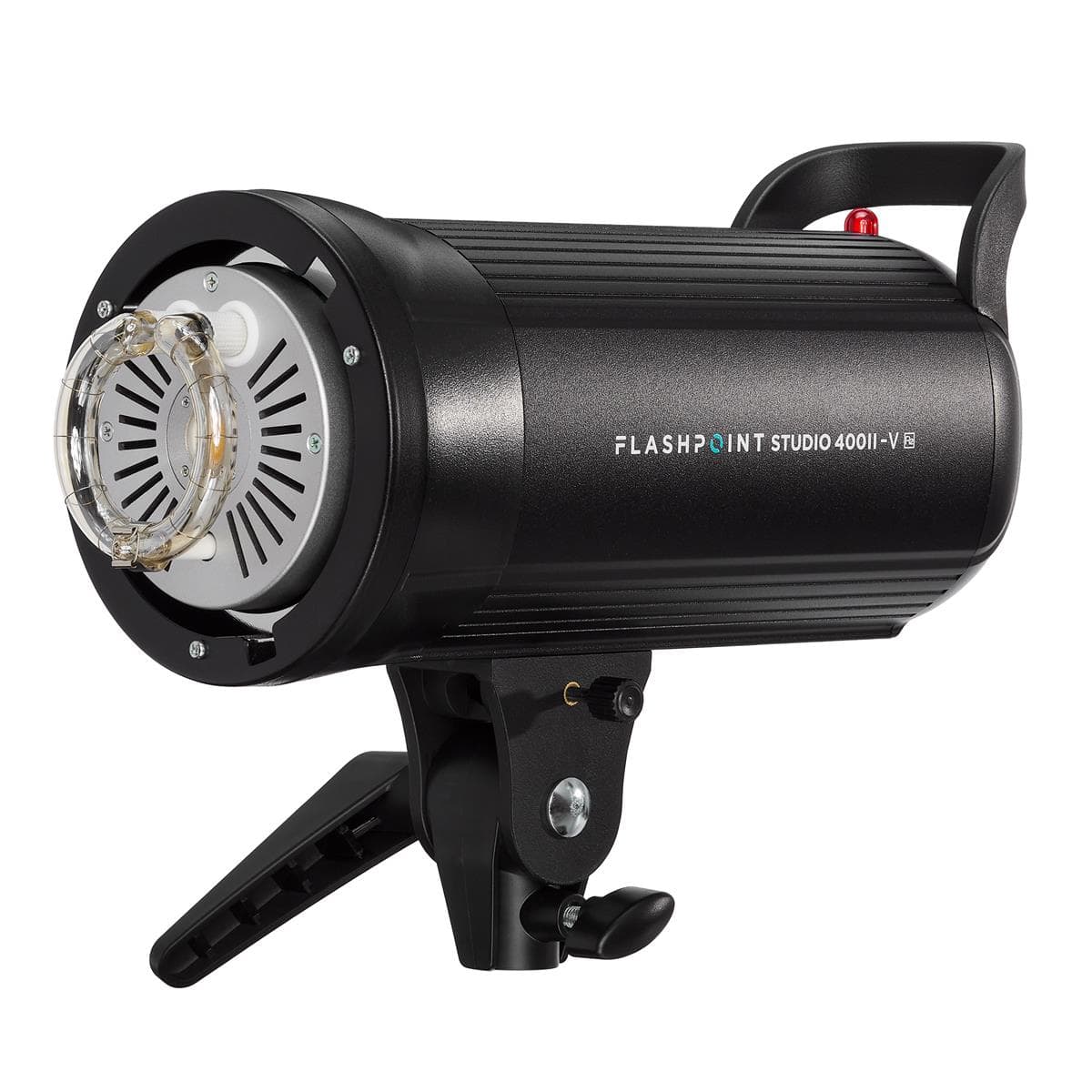
Flashpoint - Studio 400 II-V R2 Studio Flash Monolight with LED Modeling Lamp, Godox SK400II-V
SKU: JJ89LHHWR5See all Studio Lighting & FlashesProduct Description
A studio flash monolight with 400-watt output, 10W COB LED modeling lamp, and wireless R2 control.Your price for this item is $169.00 -
Westcott - FJ400 II 400Ws Flashes Touchscreen Strobe +8" Arm +64GB Bundle
SKU: J3GW3TR27CSee all Camera FlashesProduct Description
A powerful plug-in touchscreen strobe bundle with 8" arm and 64GB storage for creative photography.Your price for this item is $649.90 -
Westcott - FJ800 800W Compact Touchscreen Strobe with FJ Pro AC and DC Battery
SKU: J3GWPZTXSJSee all Camera FlashesProduct Description
A professional 800Ws strobe with a full-color touchscreen, fast recycle times, and AC/DC battery options.Your price for this item is $999.90




Best Sellers


Related Pages




FAQ
When choosing a studio flash for portrait photography, consider features like adjustable power output, fast recycling times, consistent color temperature, and compatibility with light modifiers such as softboxes or umbrellas. Wireless triggering and TTL (Through-The-Lens) metering can also enhance convenience and control during shoots.
Yes, many studio flashes are designed to be compatible with a wide range of camera brands. They typically connect via a standard sync cable, wireless trigger, or hot shoe adapter. Be sure to check the product specifications for compatibility with your specific camera model.
A monolight is a self-contained flash unit with its own power source and controls, making it portable and easy to set up. A pack-and-head system separates the power pack from the flash head, allowing for multiple heads to be connected to a single power source, which can offer more flexibility in complex studio setups.
Studio flashes typically offer adjustable power settings, allowing you to increase or decrease the flash intensity. You can also modify the light output by using diffusers, softboxes, reflectors, and grids to shape and soften the light according to your creative needs.
Many modern studio flashes are designed with portability in mind, featuring lightweight construction and battery-powered options. These portable flashes are ideal for on-location shoots where access to electrical outlets may be limited, providing flexibility and professional-quality lighting wherever you go.