Tripods For Astrophotography
-
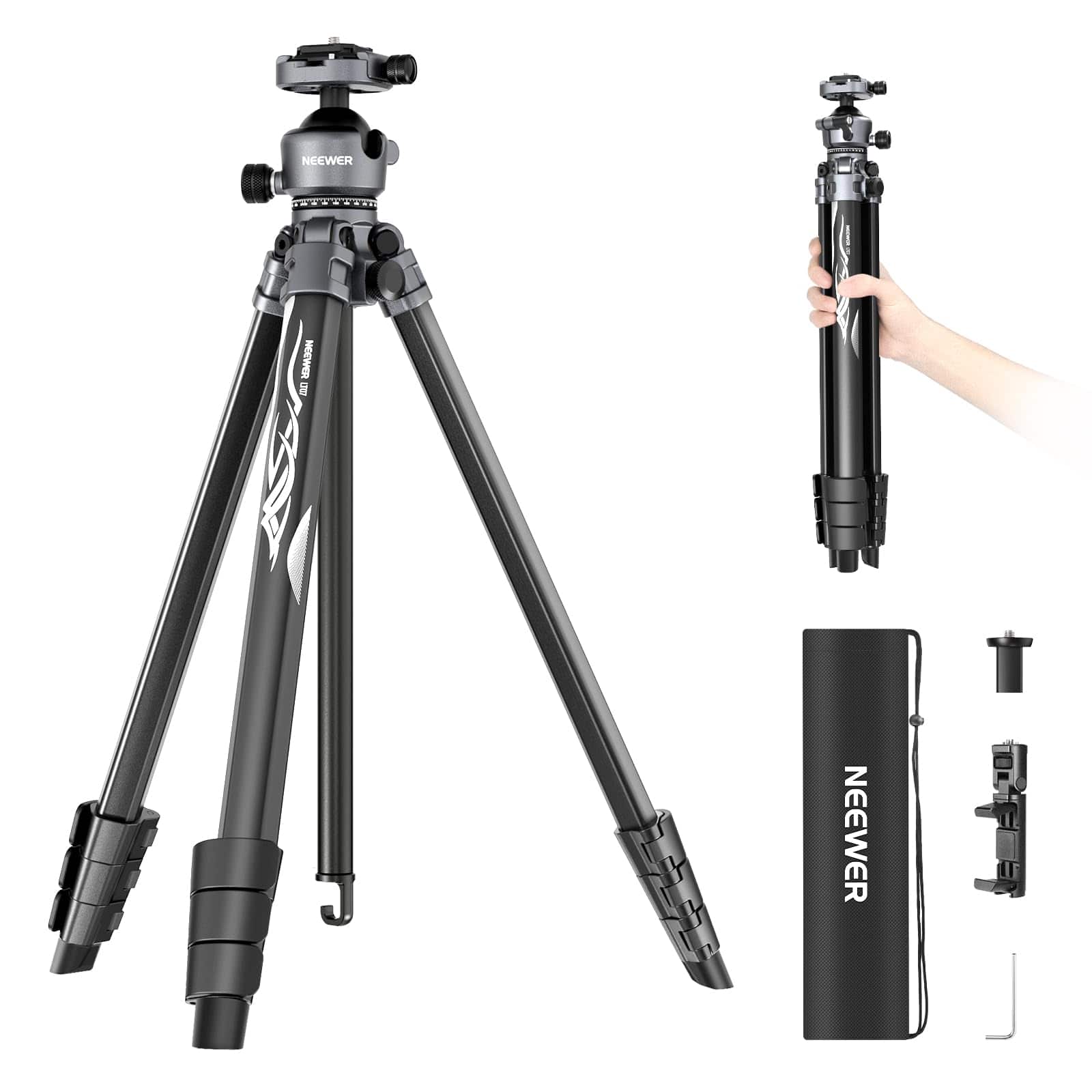
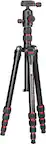
Neewer - LITETRIP LT07 61" Aluminum Travel Tripod with Ball Head, Arca QR Plate for Peak Design, 22lb Load
SKU: CZWCCR9WPPSee all Camera TripodsProduct Description
An aluminum alloy travel tripod with ball head, Arca QR plate, dual center axis, and 22lb load capacity.Your price for this item is $99.99 -
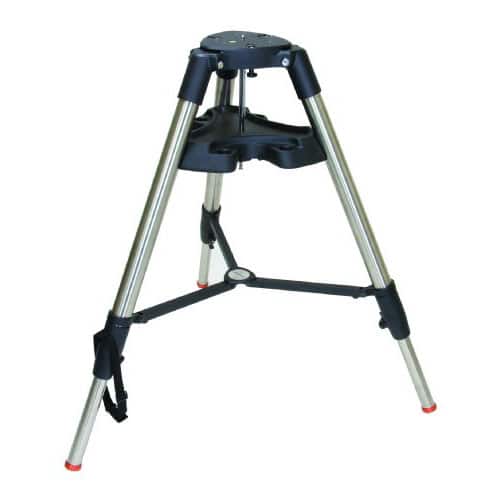
Celestron - Tripod Heavy Duty CPC 1100
SKU: J7L3KJPZ53See all Camera TripodsProduct Description
A heavy-duty aluminum tripod offering stable, smooth support for long telescope observing and precise GoTo operations.Your price for this item is $499.99 -
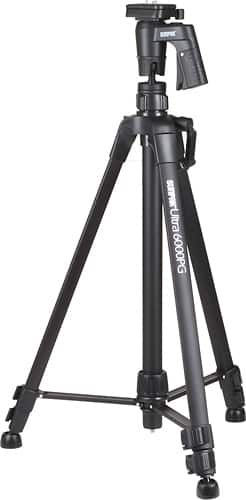
Sunpak - PlatinumPlus Ultra 6000PG 61" Tripod - Black
SKU: J7R4QTZ2GHGreat tripod for beginners...Fell in love with this product at the store it gets the job done and some more....Great recommendation by Best Buy staff...Love this tripod...This is the best tripod I’ve...
See all Camera TripodsProduct Description
A sturdy black aluminum tripod with self-leveling rubber feet, bull's-eye level, and easy height adjustments.Your price for this item is $54.99Save $20The previous price was $74.99 -
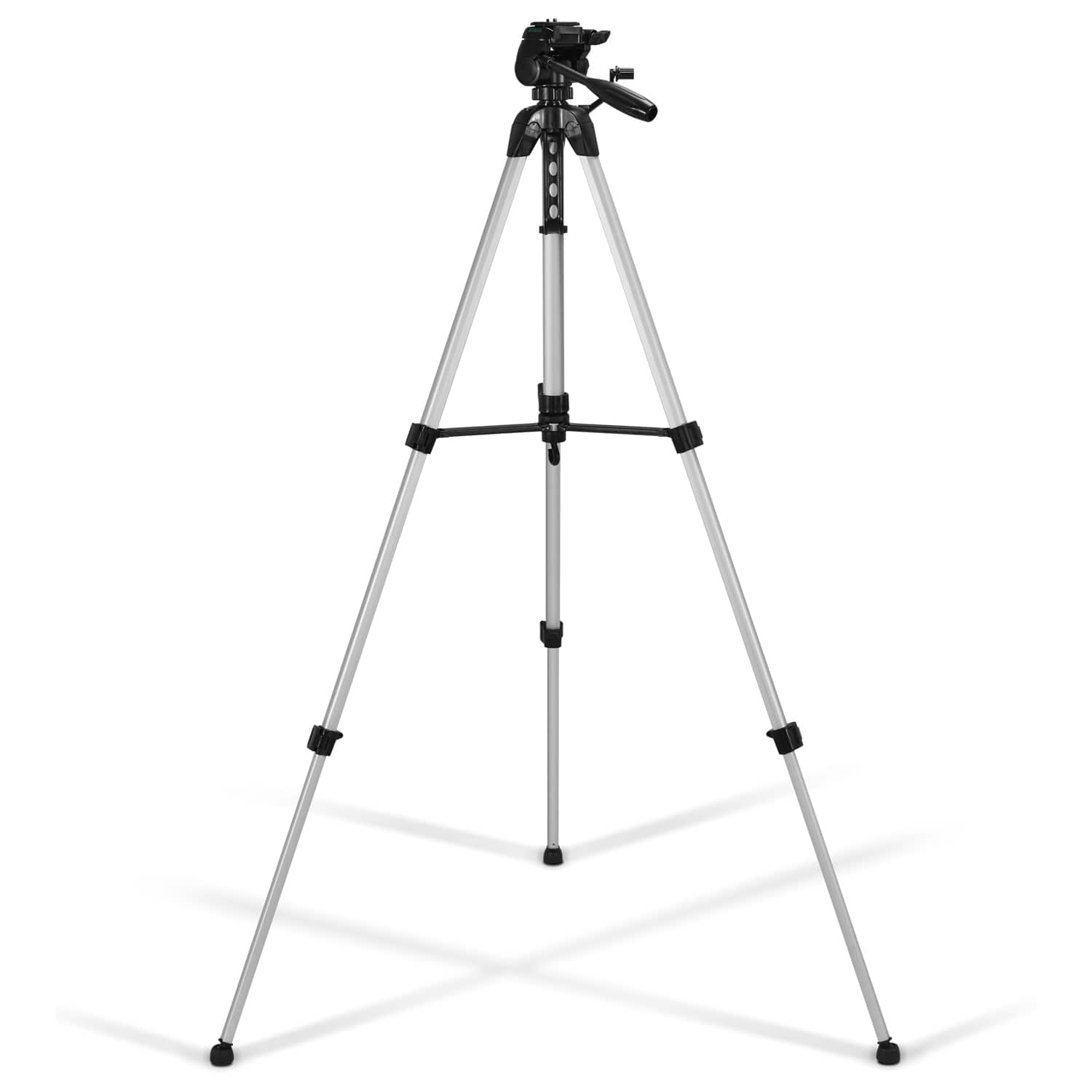
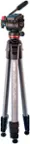
GPX - Tripod with 3-Section Flip-Lock Legs and Pan and Tilt Head, TPD627S
SKU: J7GWZ5G5V4Great stand for my projector family love this on movie night...Great stand...LOVE THIS!
See all Camera TripodsProduct Description
An aluminum tripod with 3-section flip-lock legs, pan and tilt head, and dual integrated bubble levels.Your price for this item is $54.99 -
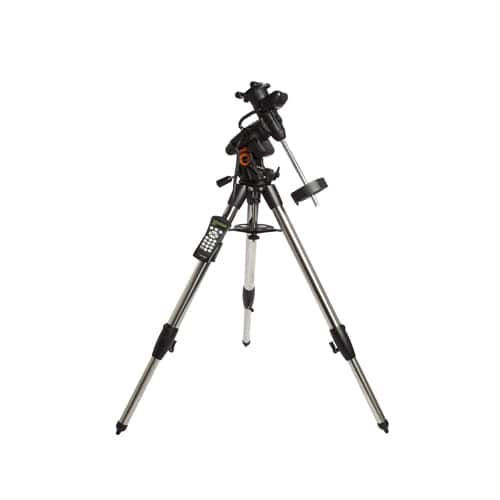
Celestron - Advanced VX GoTo Mount
SKU: J7L3KJYRGVSee all Camera TripodsProduct Description
An aluminum mount offering smooth, precise tracking for visual astronomy and long-exposure astrophotography.Your price for this item is $1,099.00 -
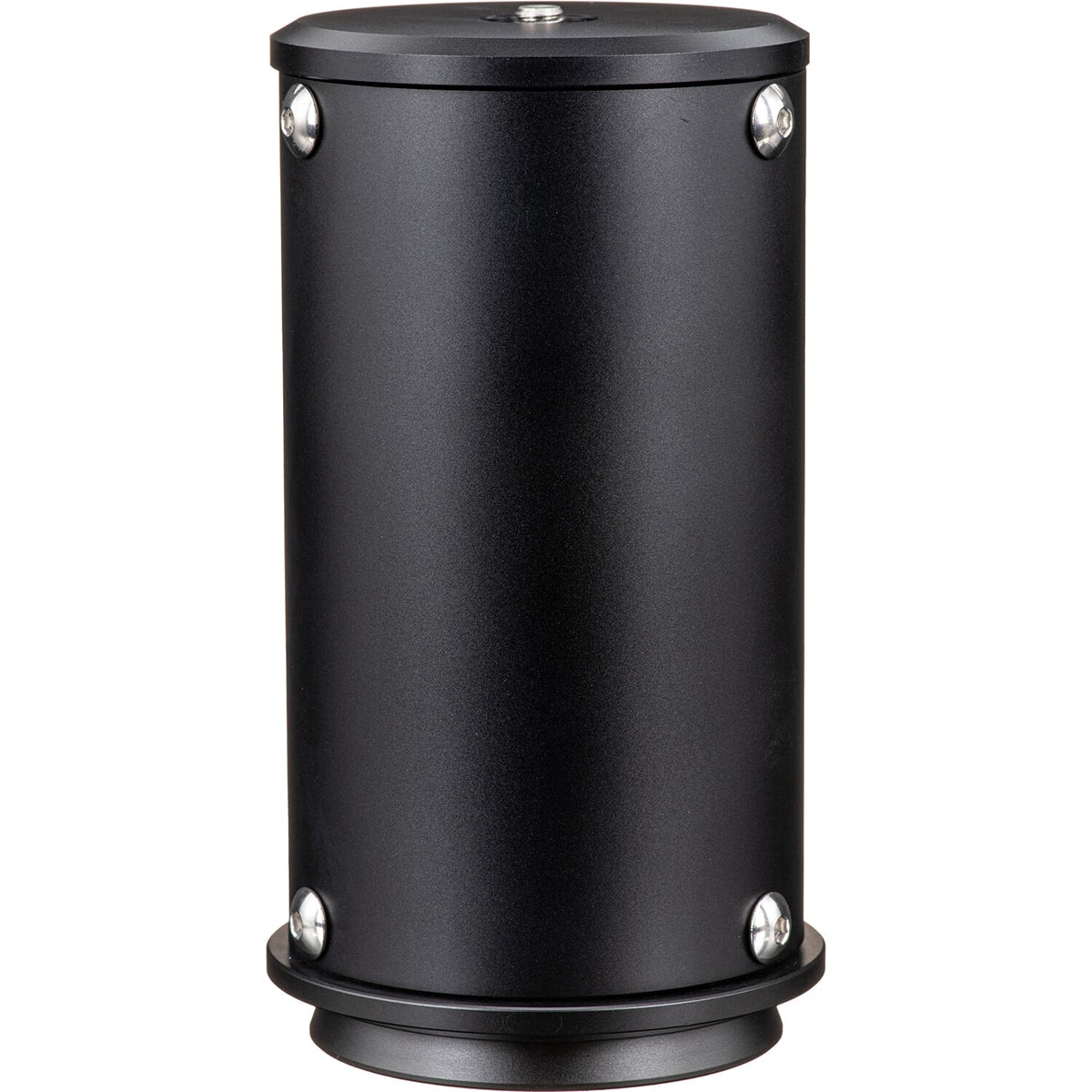
Sky-Watcher - Star Adventurer to Wave CF Tripod Adapter/Pier Extension Tube
SKU: J3GWX2Y278See all Tripod AccessoriesProduct Description
An adapter and extension tube that securely connects motorized mounts to a carbon fiber tripod for astrophotography.Your price for this item is $185.00
Best Sellers
Related Pages



FAQ
When choosing a tripod for astrophotography, look for features such as sturdy construction, high load capacity, adjustable legs, and a smooth pan-and-tilt or ball head for precise positioning. Vibration dampening and compatibility with your camera or telescope are also important.
Stability is crucial in astrophotography because long exposure times are often required to capture faint celestial objects. A stable tripod minimizes vibrations and prevents camera shake, resulting in clearer, sharper images of the night sky.
While some regular camera tripods can be used for basic astrophotography, dedicated astrophotography tripods often offer enhanced stability, higher weight capacity, and specialized features designed to support telescopes or heavy camera setups.
Ball heads and geared heads are popular choices for astrophotography. Ball heads offer quick and flexible adjustments, while geared heads provide precise, incremental movements, which are ideal for aligning your camera or telescope with celestial objects.
Yes, accessories like vibration suppression pads, remote shutter releases, and counterweights can enhance tripod performance during astrophotography sessions. These tools help reduce vibrations and allow for hands-free operation, resulting in sharper images.