TV Contrast
-
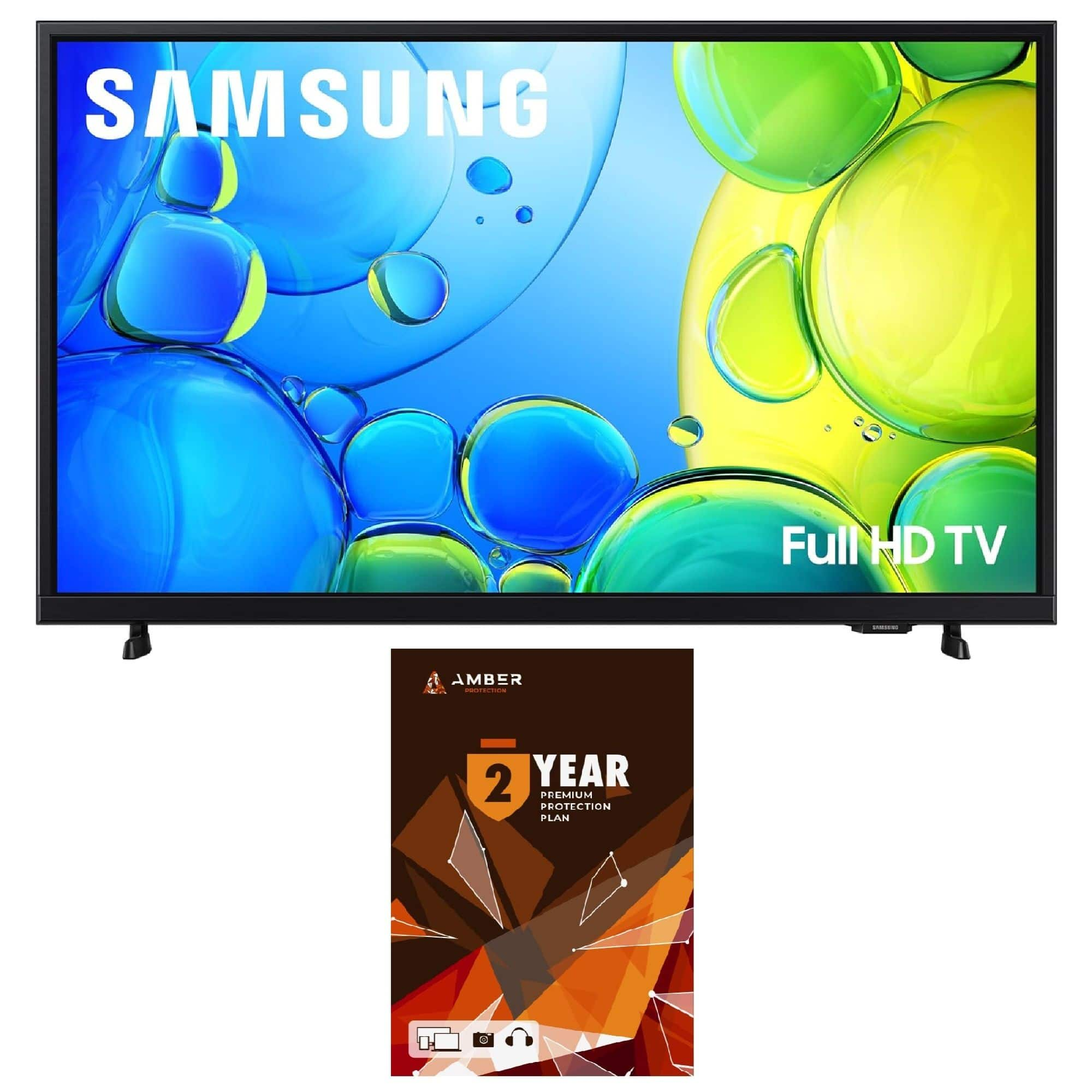
Samsung - UN32F6000FFXZA 32 Inch FHD Smart TV with Mega Contrast with a 2 Year Amber Protection Plan (2025)
SKU: J39TXHR7PCSee all All Flat-Screen TVsProduct Description
A sleek black FHD smart TV featuring HDR, Mega Contrast, Dolby sound, Tizen OS, and voice assistant.Your price for this item is $189.99 -
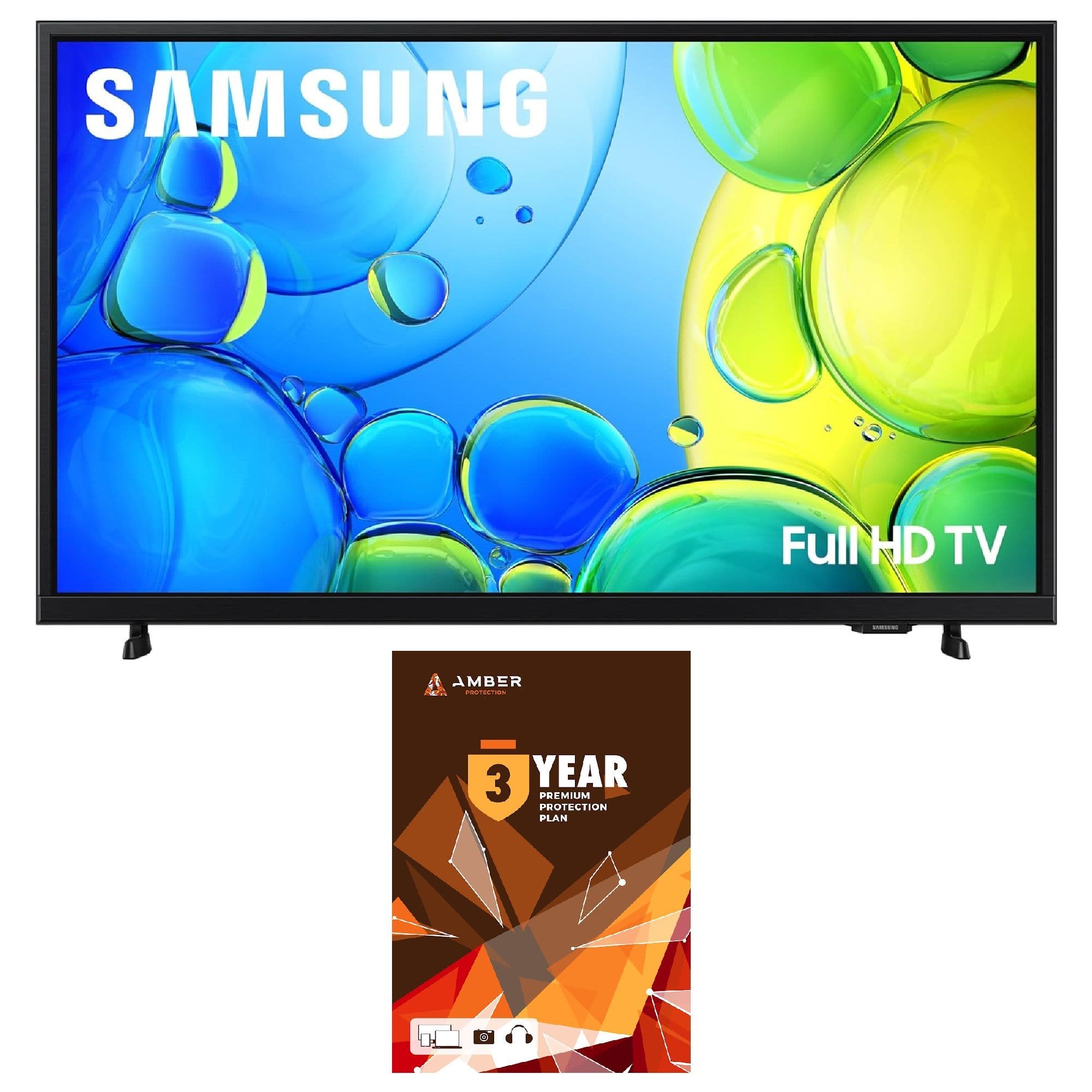
Samsung - UN32F6000FFXZA 32 Inch FHD Smart TV with Mega Contrast with a 3 Year Amber Protection Plan (2025)
SKU: J39TXHR7PKSee all All Flat-Screen TVsProduct Description
A sleek black FHD smart TV featuring HDR, Mega Contrast, Dolby sound, Tizen OS, and voice assistant.Your price for this item is $199.99 -
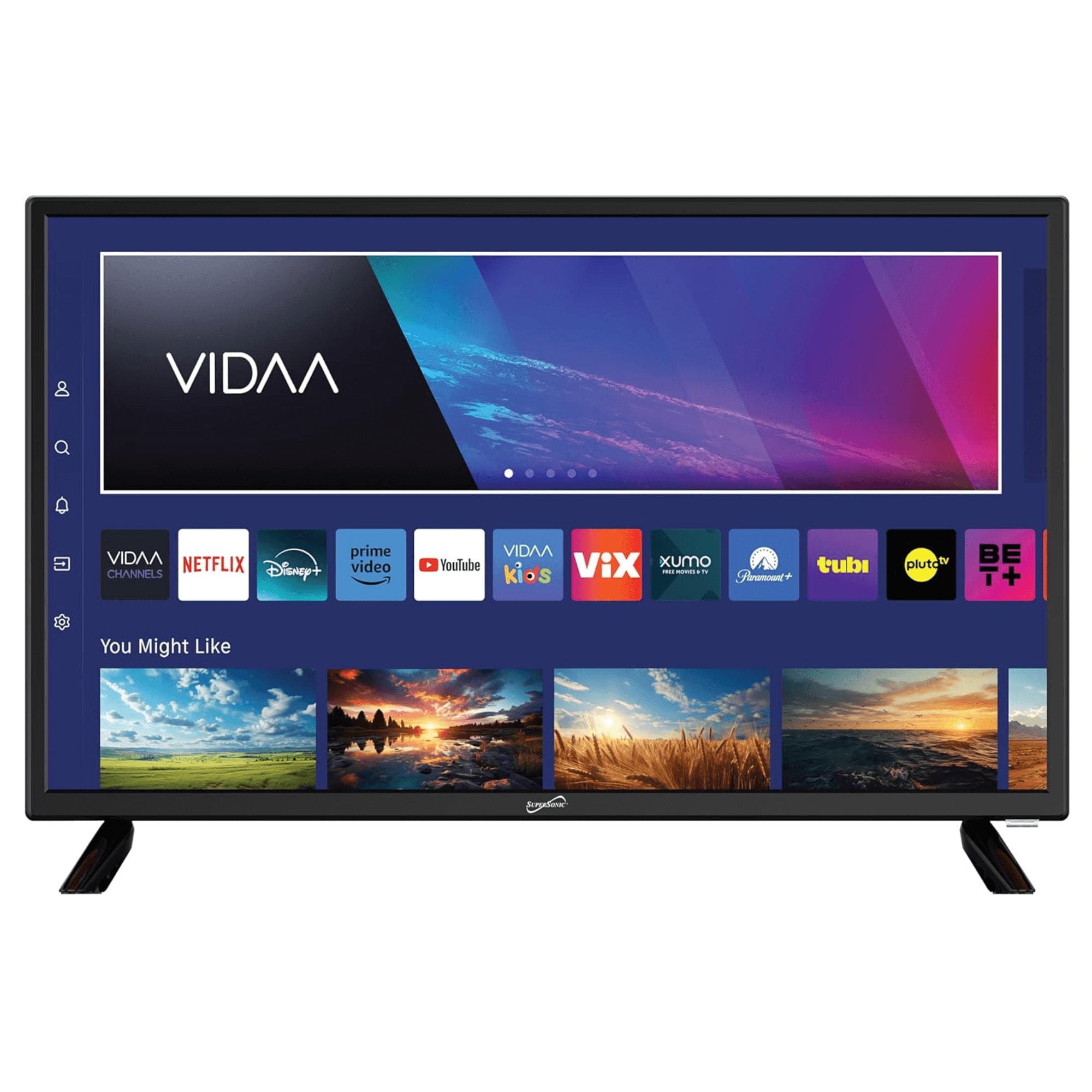
Supersonic - 24" VIDAA ACDC Compatible LED Smart TV with Built-In WiFi
SKU: JXXT57FLWYSee all All Flat-Screen TVsProduct Description
A smart LED TV with built-in WiFi, full HD resolution, and wide 178-degree viewing angle.Your price for this item is $199.99
Best Sellers


Related Pages




FAQ
TV contrast ratio refers to the difference between the darkest black and the brightest white a TV can display. A higher contrast ratio generally means deeper blacks, brighter whites, and more vibrant images, enhancing your overall viewing experience.
Contrast is crucial for picture quality because it helps reveal details in both dark and bright scenes. TVs with high contrast ratios provide richer colors and more lifelike visuals, making movies, shows, and games look more realistic.
OLED TVs are known for their exceptional contrast because each pixel emits its own light and can turn off completely to achieve true blacks. LED TVs use backlighting, which can sometimes result in less precise black levels, but advanced technologies like local dimming help improve their contrast.
Yes, the lighting in your room can impact how you perceive your TV's contrast. Watching TV in a dark room can enhance the appearance of contrast, while bright lighting may reduce the perceived depth of blacks and overall picture quality.
Most TVs offer picture settings that let you adjust contrast, brightness, and other parameters. You can access these settings through the TV’s menu to fine-tune the picture quality based on your preferences and viewing environment.