Vegetable Knives
-
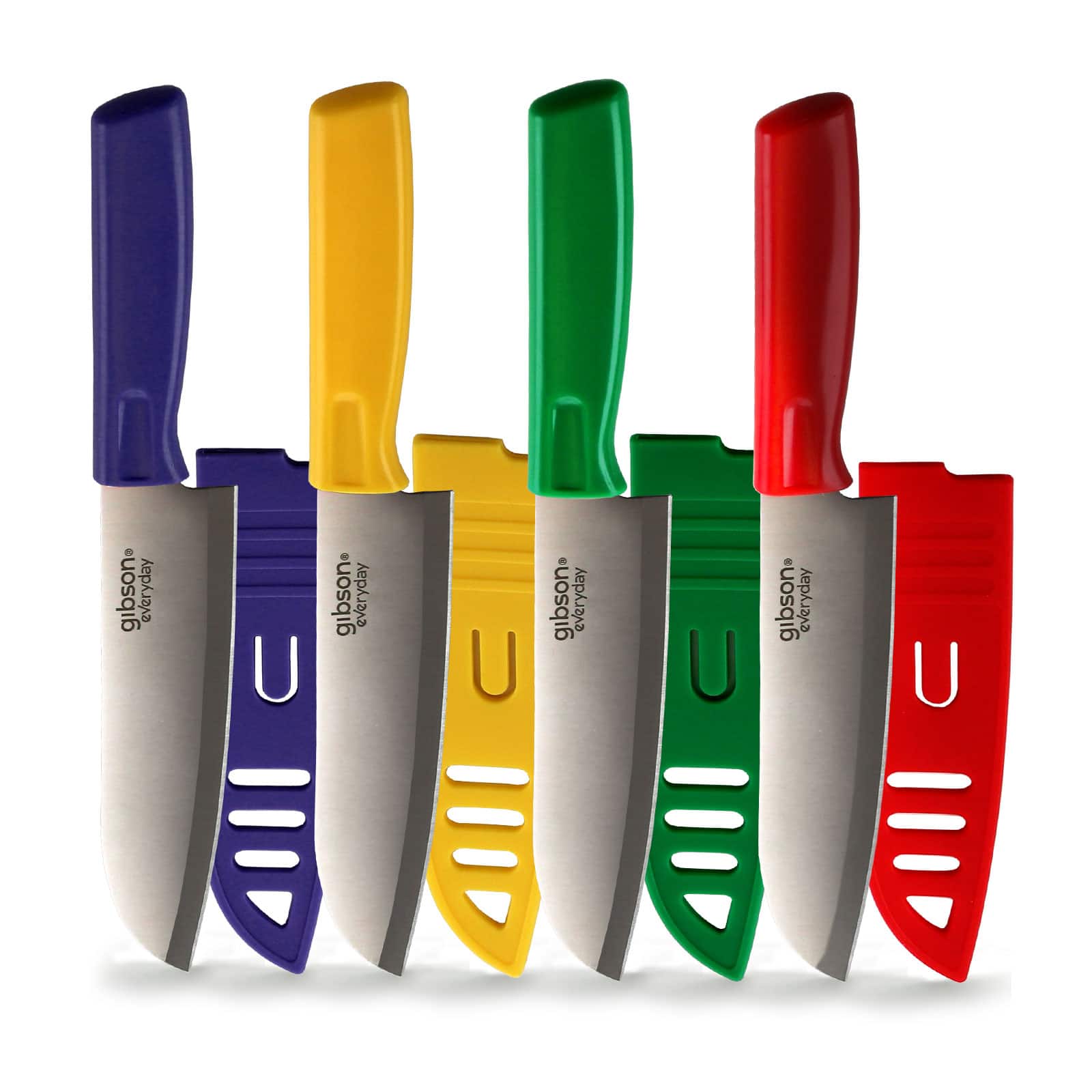
Gibson - Everyday Grantville 4 Piece 6 Inch Santoku Knife with Sheath Colors - Assorted
SKU: J76F9GKJFSSee all CutleryProduct Description
A versatile set of four assorted-color Santoku knives with protective sheaths for efficient meal prep.Your price for this item is $25.00 -
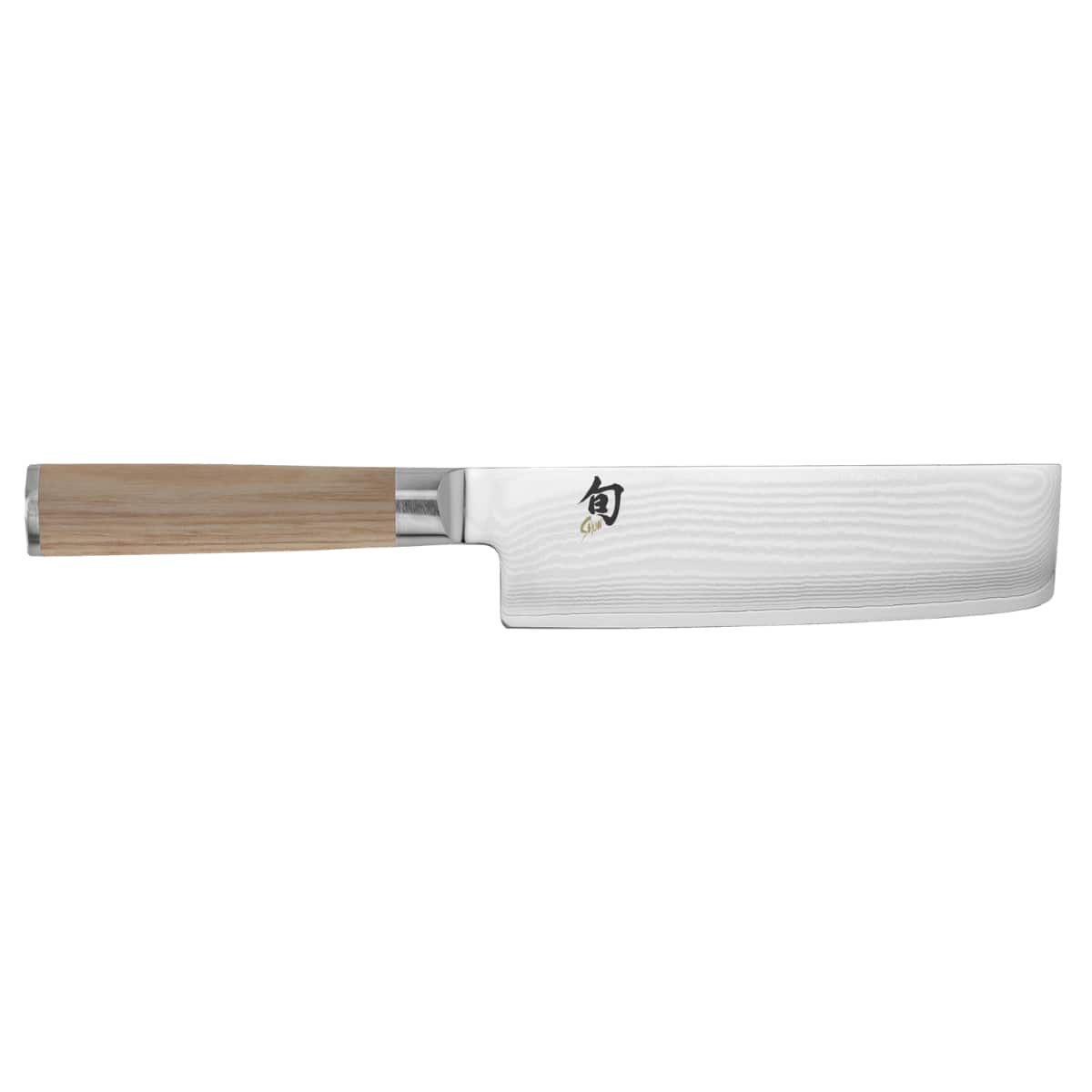
Shun - Classic Blonde 6.5 Inch Nakiri Knife - Silver
SKU: CG2JFV7GWXSee all CutleryProduct Description
A tan-handled Nakiri knife designed for precise and efficient vegetable slicing.Your price for this item is $189.95 -
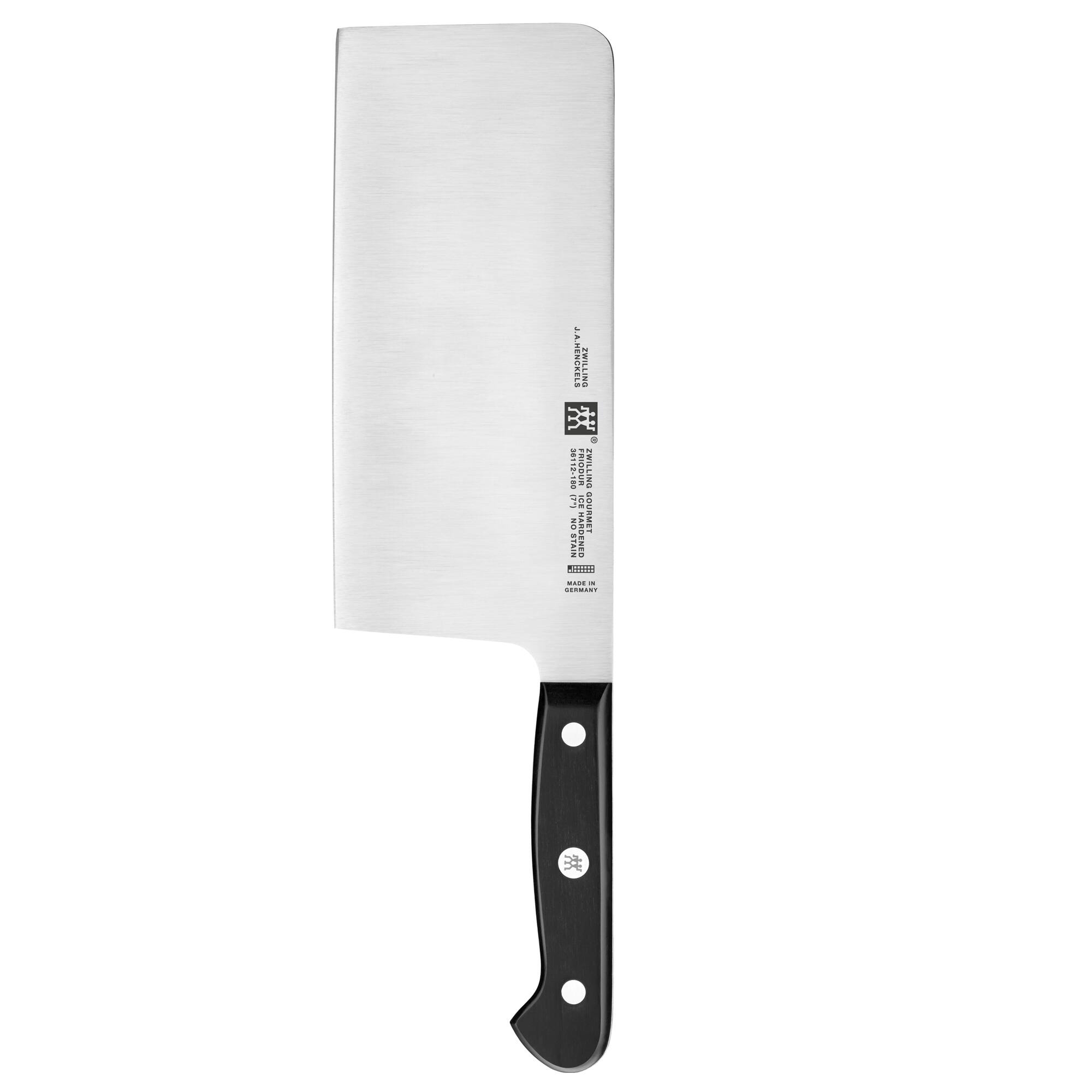
ZWILLING - Gourmet 7-inch Chinese Chef's Knife Vegetable Cleaver - Stainless Steel
SKU: J734VK2VLSSee all CutleryProduct Description
A stainless steel vegetable cleaver with an ergonomic handle and precision-stamped, ice-hardened blade for durability.Your price for this item is $119.99 -
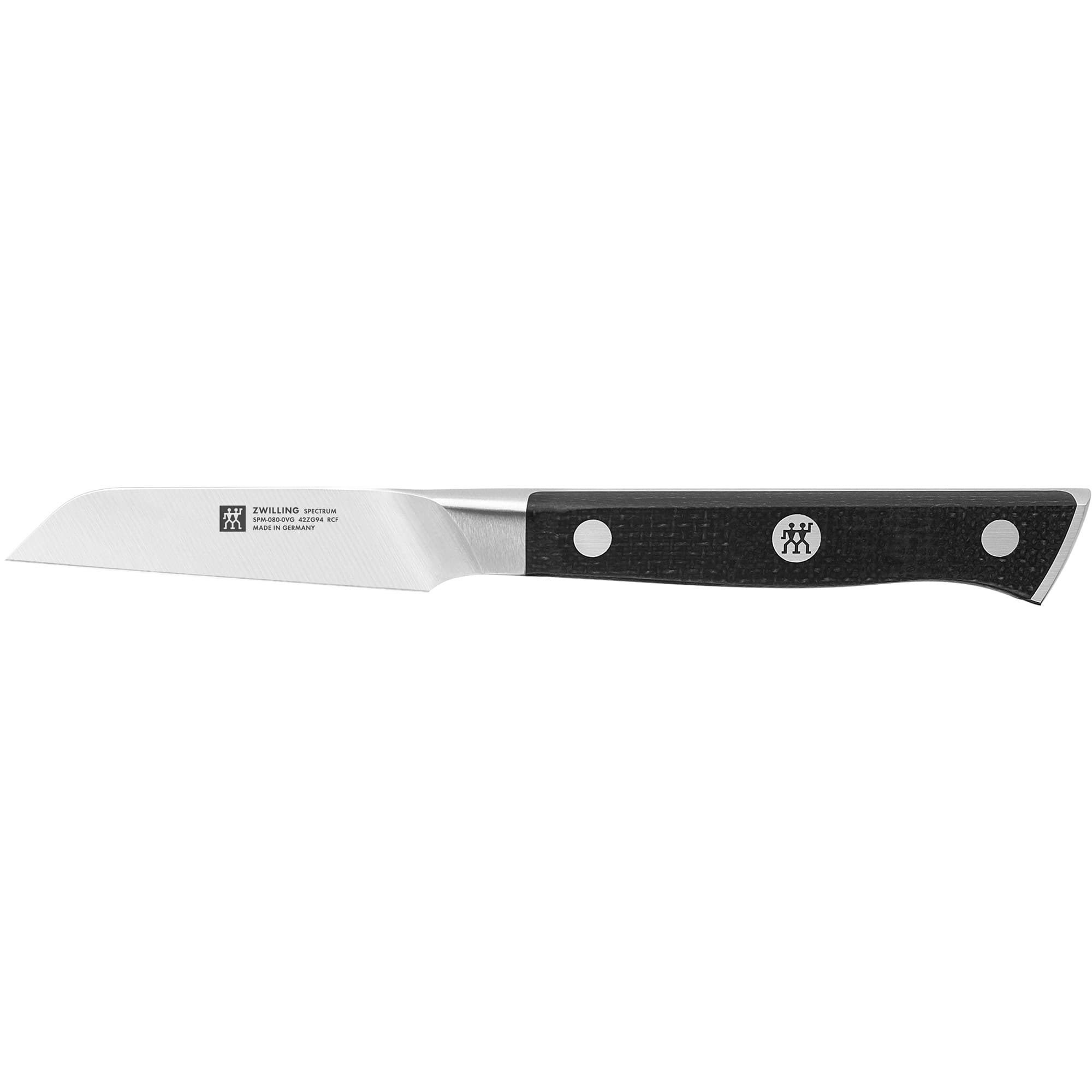
ZWILLING - Spectrum 3-inch Vegetable Knife - Black
SKU: J734VKFR29See all CutleryProduct Description
A black vegetable knife featuring a razor-sharp German blade and ergonomic, non-slip Micarta handle.Your price for this item is $114.99 -
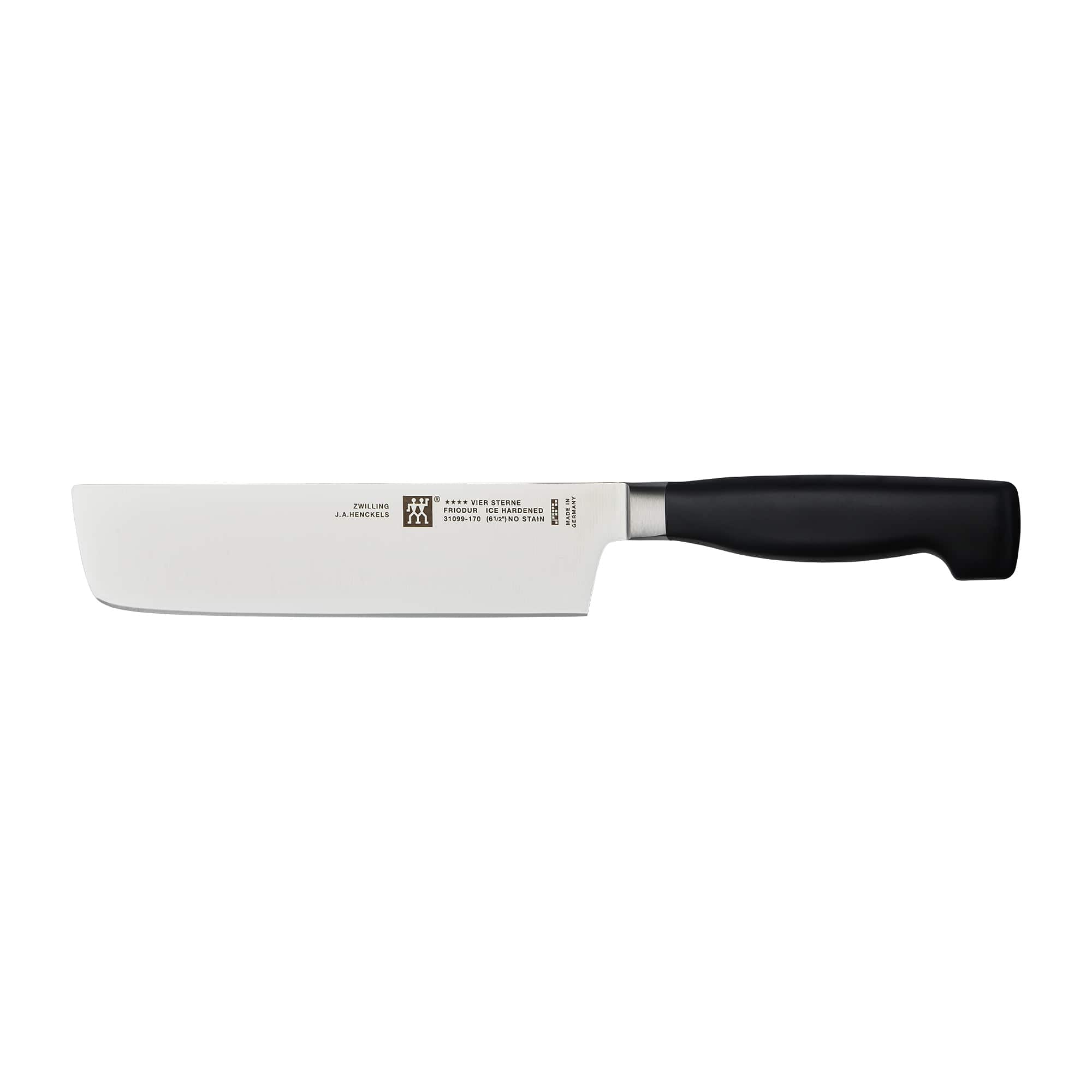
ZWILLING - Four Star 6.5-inch Nakiri Knife - Black
SKU: J734VK9P6YLove it!...Great for chopping veggies!!...Great knife! I love this chopping veggies. No struggling with tomatoes or peppers.
See all CutleryProduct Description
A stainless steel nakiri knife with an ultra-sharp, ice-hardened blade ideal for chopping vegetables.Your price for this item is $99.99 -
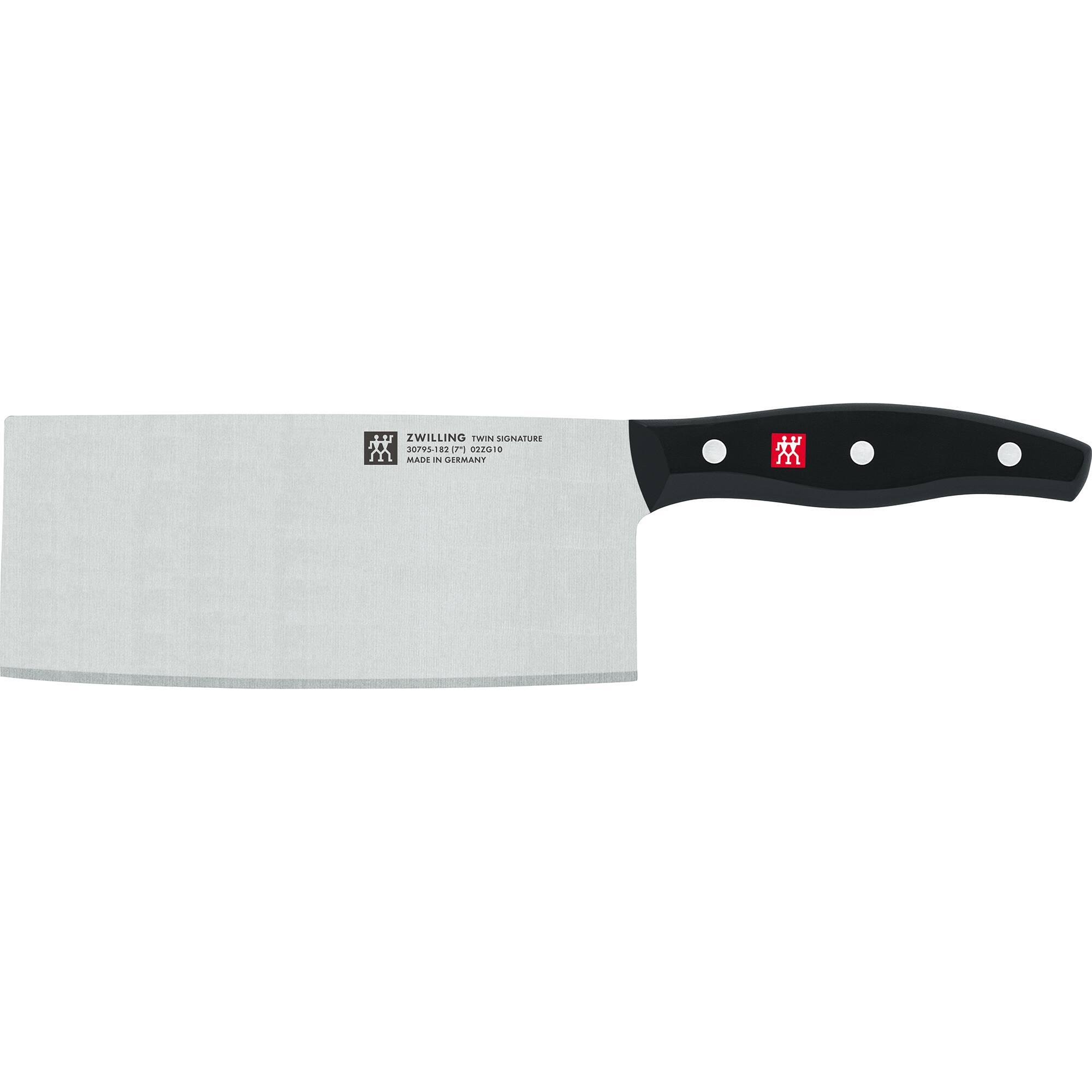
ZWILLING - TWIN Signature 7-inch Chinese Chef's Knife Vegetable Cleaver - Stainless Steel
SKU: J734VWQ6XKLove the feel of this knife. Can’t wait to use it on harder to cut vegetables like butternut squash....Love the preexisting and sharpness of the blade when cutting veggies for my soup and other meals.......
See all CutleryProduct Description
A stainless steel vegetable cleaver featuring a sharp, ice-hardened blade and durable three-rivet handle.Your price for this item is $119.95Save $0The previous price was $119.99 -
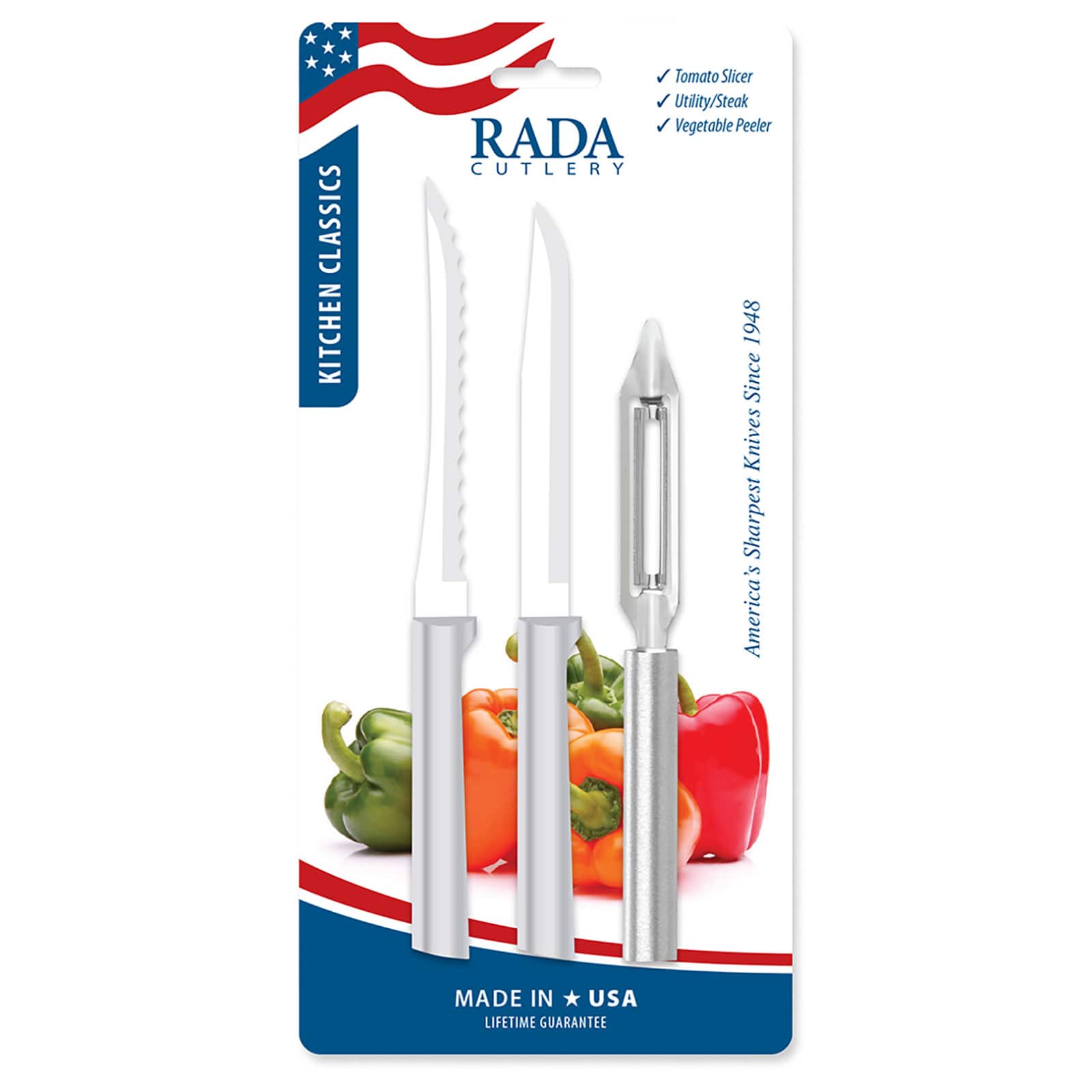
Rada - 3 Piece Knife Set ProPak with Tomato Slicer, Vegetable Peeler, and Utility Knife - Silver
SKU: J769TKSS2HThe best I've ever owned and used. A great gift for those who love neatly sliced ripe tomatoes!!!...Best knives around...Great cutlery at good prices, we love ours and use them daily.
See all CutleryProduct Description
A silver three-piece set featuring razor-sharp stainless steel tools for slicing, peeling, and trimming.Your price for this item is $38.96
Best Sellers


Related Pages




FAQ
When choosing a vegetable knife, look for features such as a sharp, thin blade for precise slicing, a comfortable and ergonomic handle for extended use, and a blade material like stainless steel or high-carbon steel for durability and easy maintenance.
Vegetable knives are specifically designed with a thinner, straighter blade to make clean, even cuts through vegetables. Unlike general-purpose knives, they often have a flat edge and a pointed or rounded tip for detailed work like peeling, chopping, and dicing.
Yes, vegetable knives are versatile and can be used for cutting fruits. Their sharp blades and precise control make them ideal for slicing, dicing, and peeling a variety of fruits as well as vegetables.
To maintain your vegetable knife, hand wash it with mild soap and water, dry it immediately to prevent rust, and store it in a knife block or on a magnetic strip. Regularly hone the blade to keep it sharp, and occasionally sharpen it as needed.
Yes, there are several types of vegetable knives, such as Nakiri and Usuba knives for precise slicing, paring knives for peeling and intricate work, and Santoku knives for general chopping and dicing. Each type is designed to excel at specific vegetable preparation tasks.