Violin Recording Microphone
-
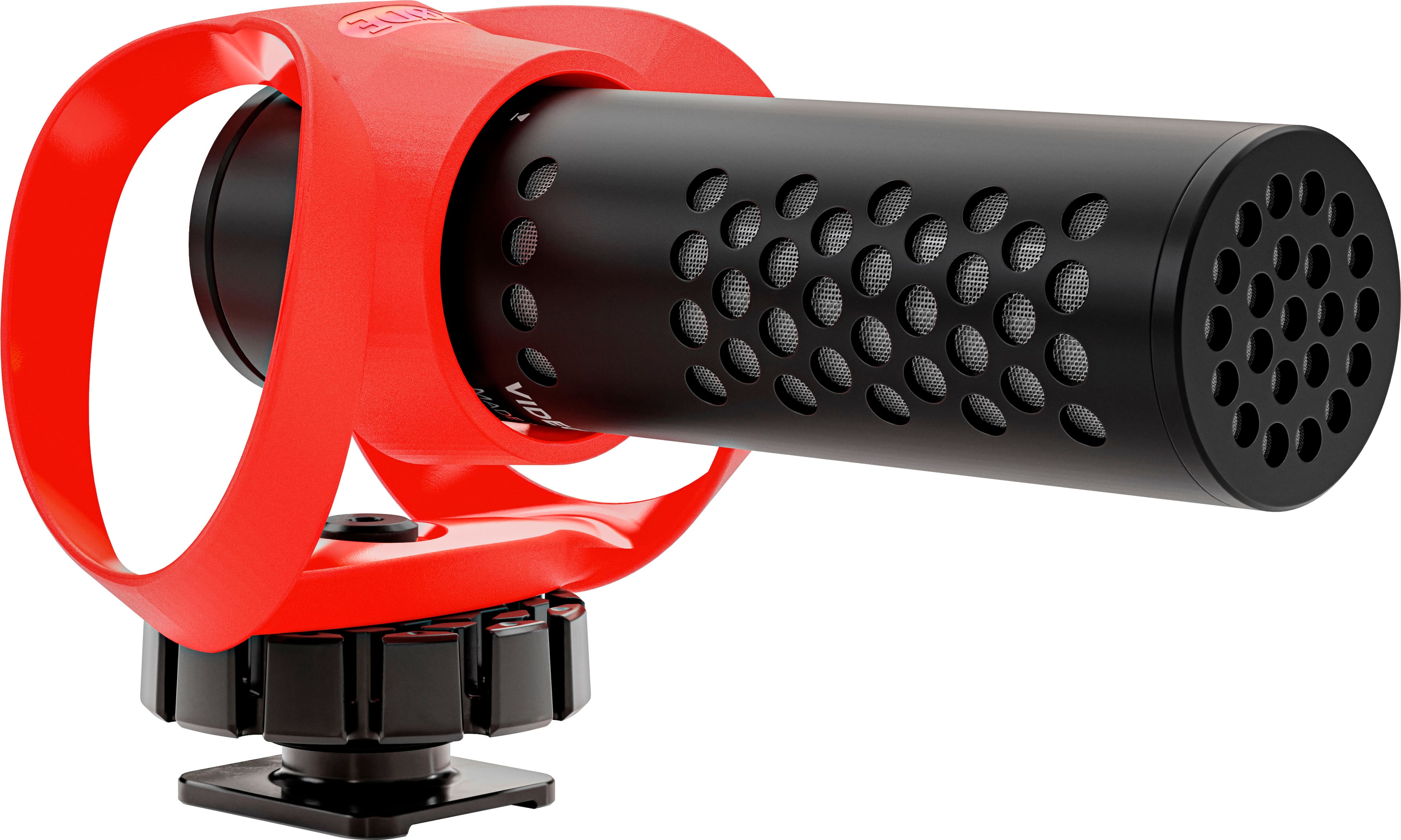
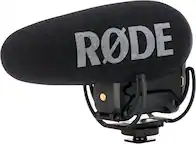
RØDE - VideoMicro II Wired Supercardioid Shotgun Microphone - Black
SKU: JXR9LSGQZXGreat, clear voice! I and use for recording I no have problem this is the best!...I love it. It's exactly what I wanted. It works great...Great!
See all Camera MicrophonesProduct Description
A compact black supercardioid shotgun microphone with rugged all-metal construction and advanced HELIX isolation mount.Your price for this item is $89.99 -
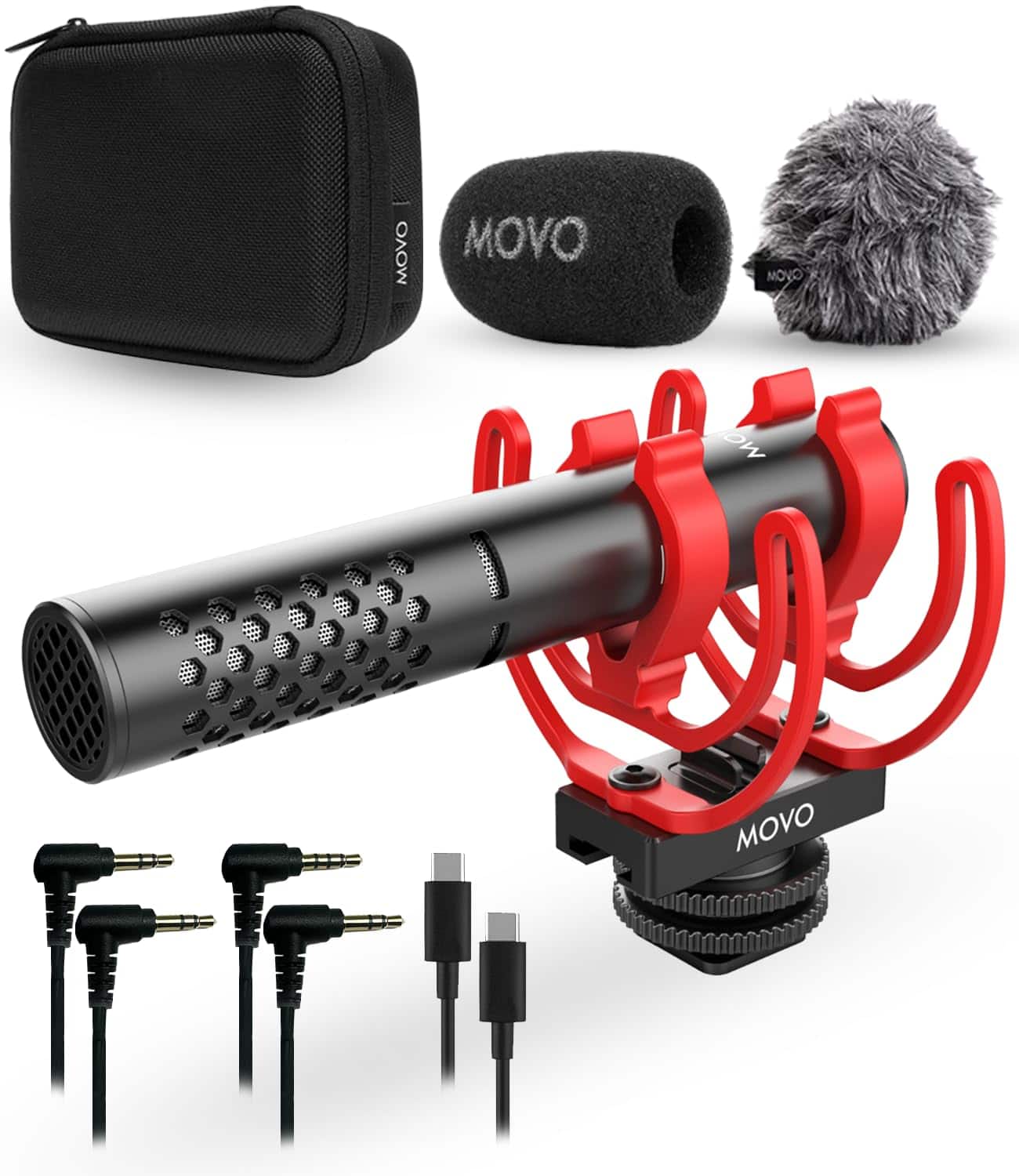
MOVO - X1-Mini Video Shotgun Mic for Camera - Supercardioid 3.5mm/USB-C Analog/Digital Camera Microphone for DSLR, iPhone
SKU: J3LVLQ3HKCSee all Camera MicrophonesProduct Description
A durable aluminum supercardioid microphone capturing high-fidelity audio for cameras, smartphones, and computers.Your price for this item is $69.95 -
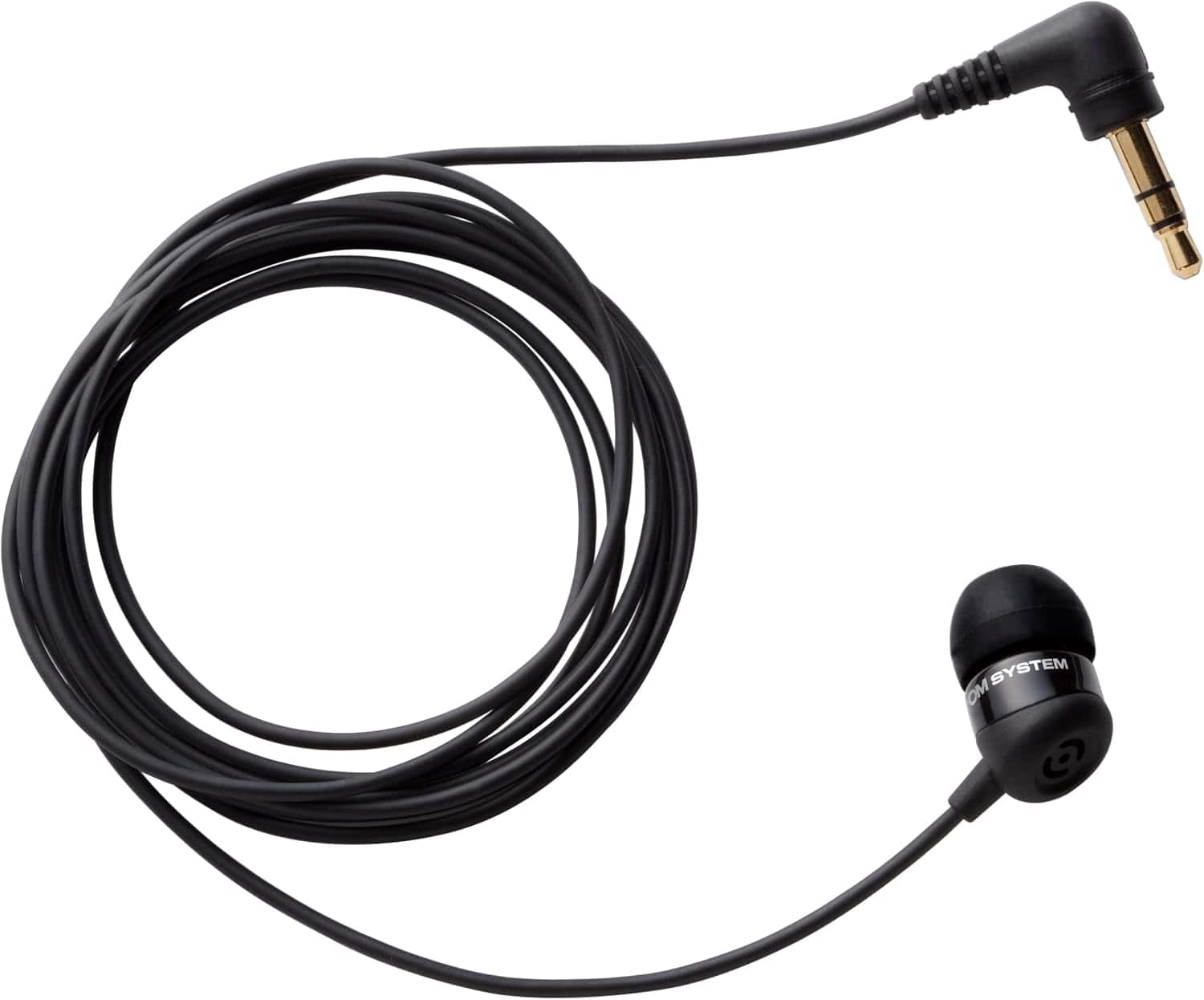
OM System - TP-8 Telephone Pick-Up Microphone for Landline & Cell Phone Voice Recording, 3.5mm Jack, Lightweight - Black
SKU: J7L8X7P9CHSee all Earbud & In-Ear HeadphonesProduct Description
A black omnidirectional telephone microphone with a 3.5mm jack records landline and cell phone conversations.Your price for this item is $31.98 -
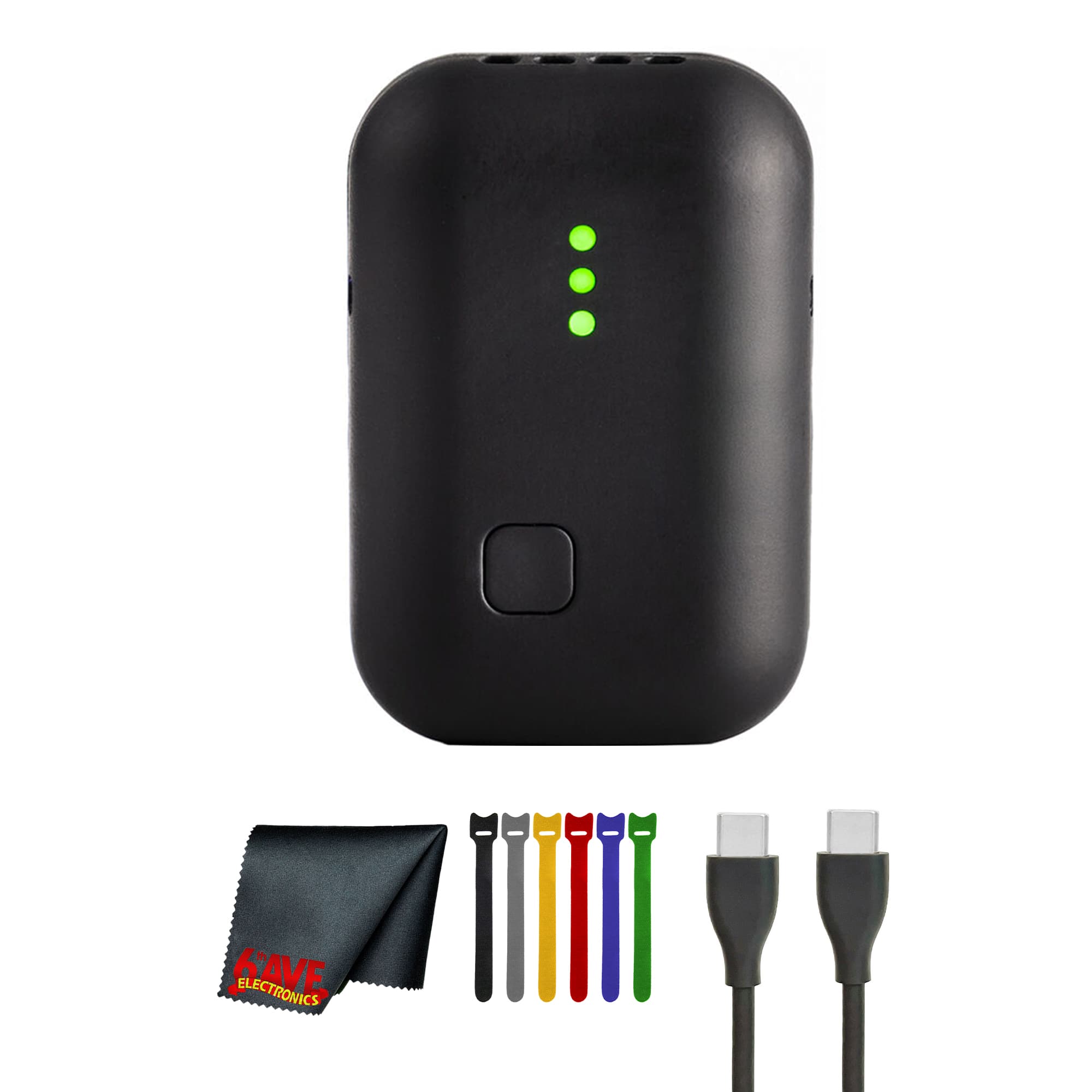
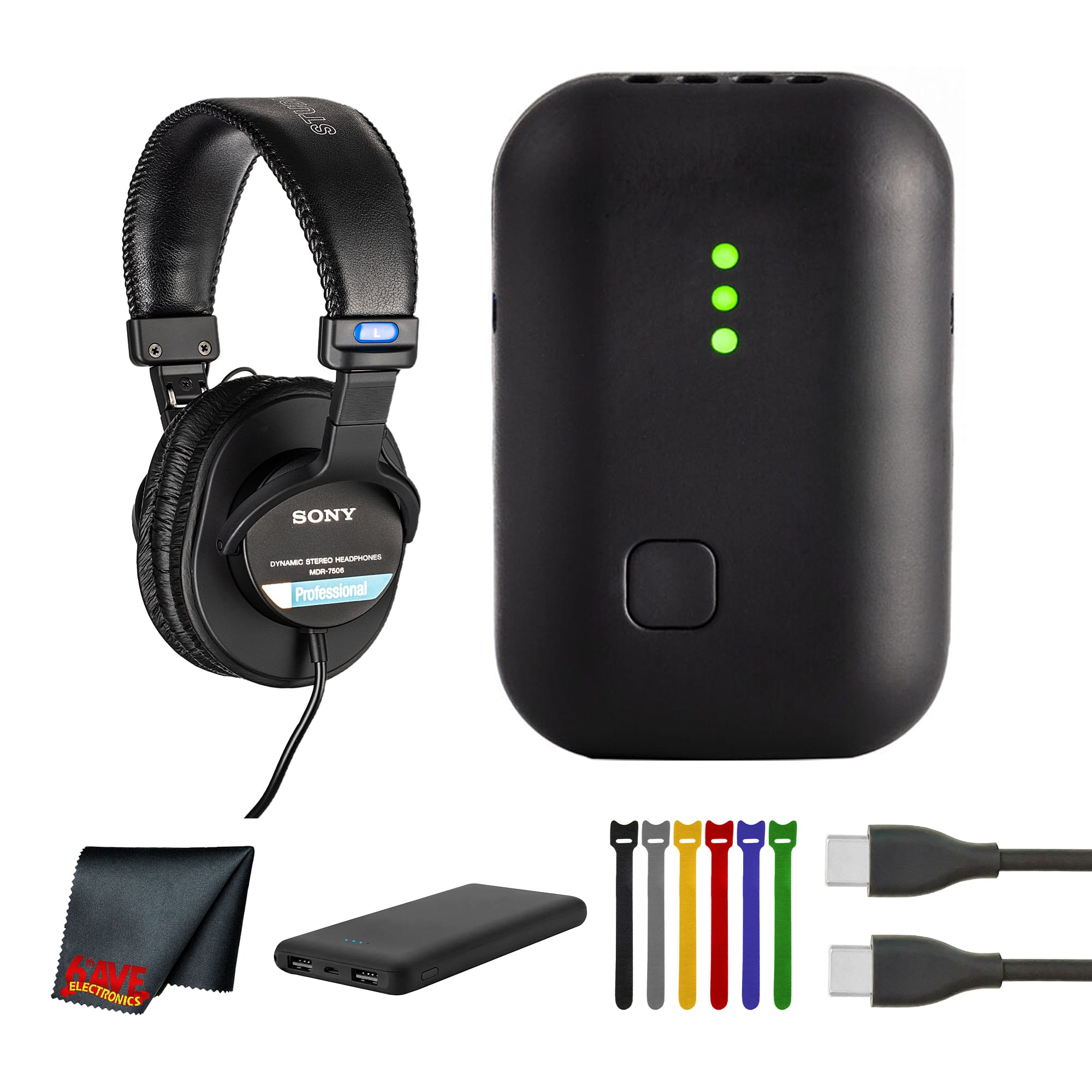
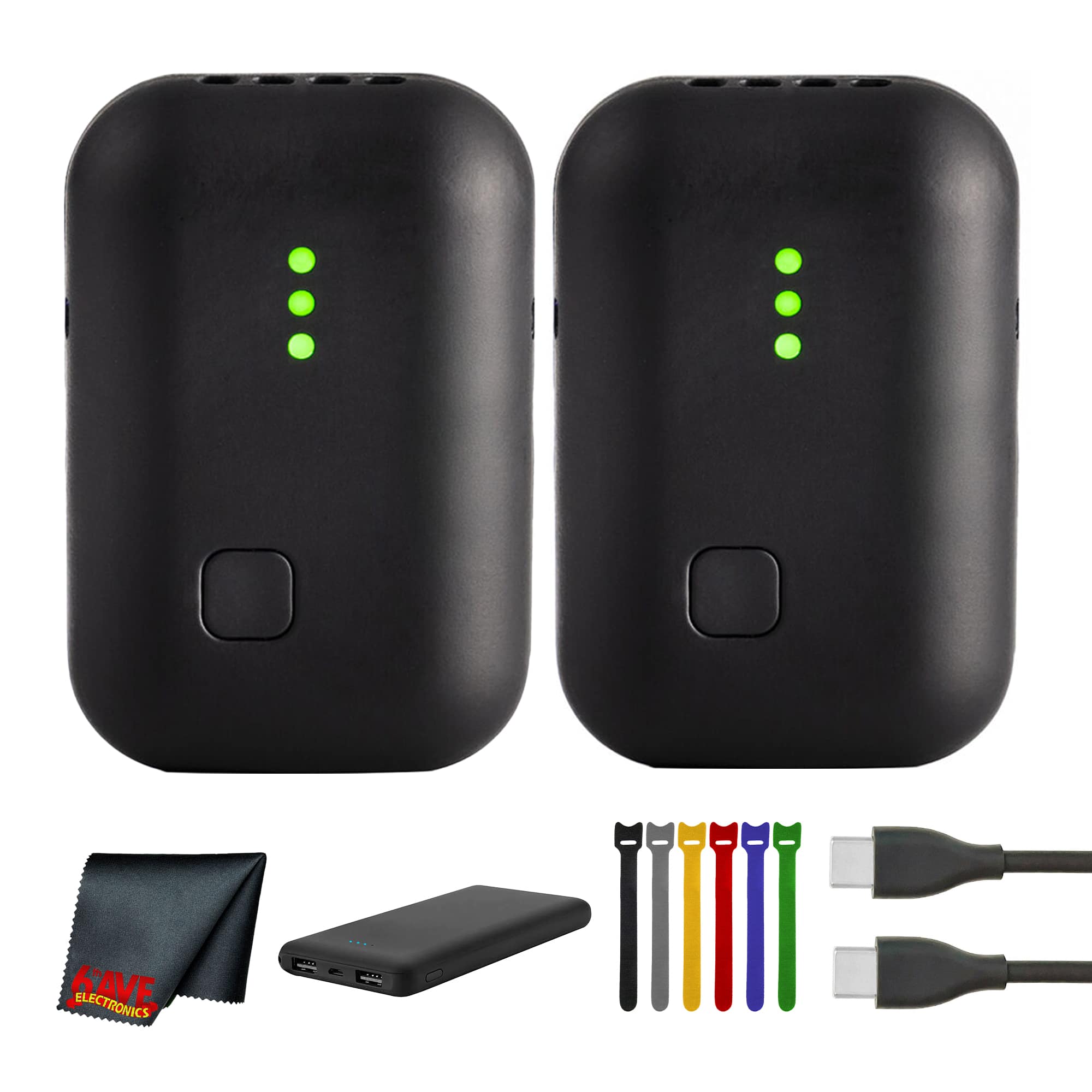
Zoom - Instamic Pro Plus C (Mono Model) Ultra-Compact Wearable 32-bit Float Recorder, & Wireless Microphone, IP67 Waterpro
SKU: JJGYT4C8CVSee all Voice RecordersProduct Description
An ultra-compact black wearable recorder and wireless microphone offering 32-bit float audio and IP67 waterproofing.Your price for this item is $219.95 -
Zoom - Instamic Pro Plus C (Mono Model) Ultra-Compact Wearable 32-bit Float Recorder, & Wireless Microphone, IP67 Waterpro
SKU: JJGYT4C828See all Voice RecordersProduct Description
An ultra-compact black wearable recorder and wireless microphone offering 32-bit float audio, IP67 waterproofing, and versatile mounting.Your price for this item is $319.95 -
Zoom - Instamic Pro Plus C (Mono Model) Ultra-Compact Wearable 32-bit Float Recorder, & Wireless Microphone, IP67 Waterpro
SKU: JJGYT4C826See all Voice RecordersProduct Description
An ultra-compact black wearable recorder and wireless microphone offering 32-bit float audio and IP67 waterproofing.Your price for this item is $224.95 -
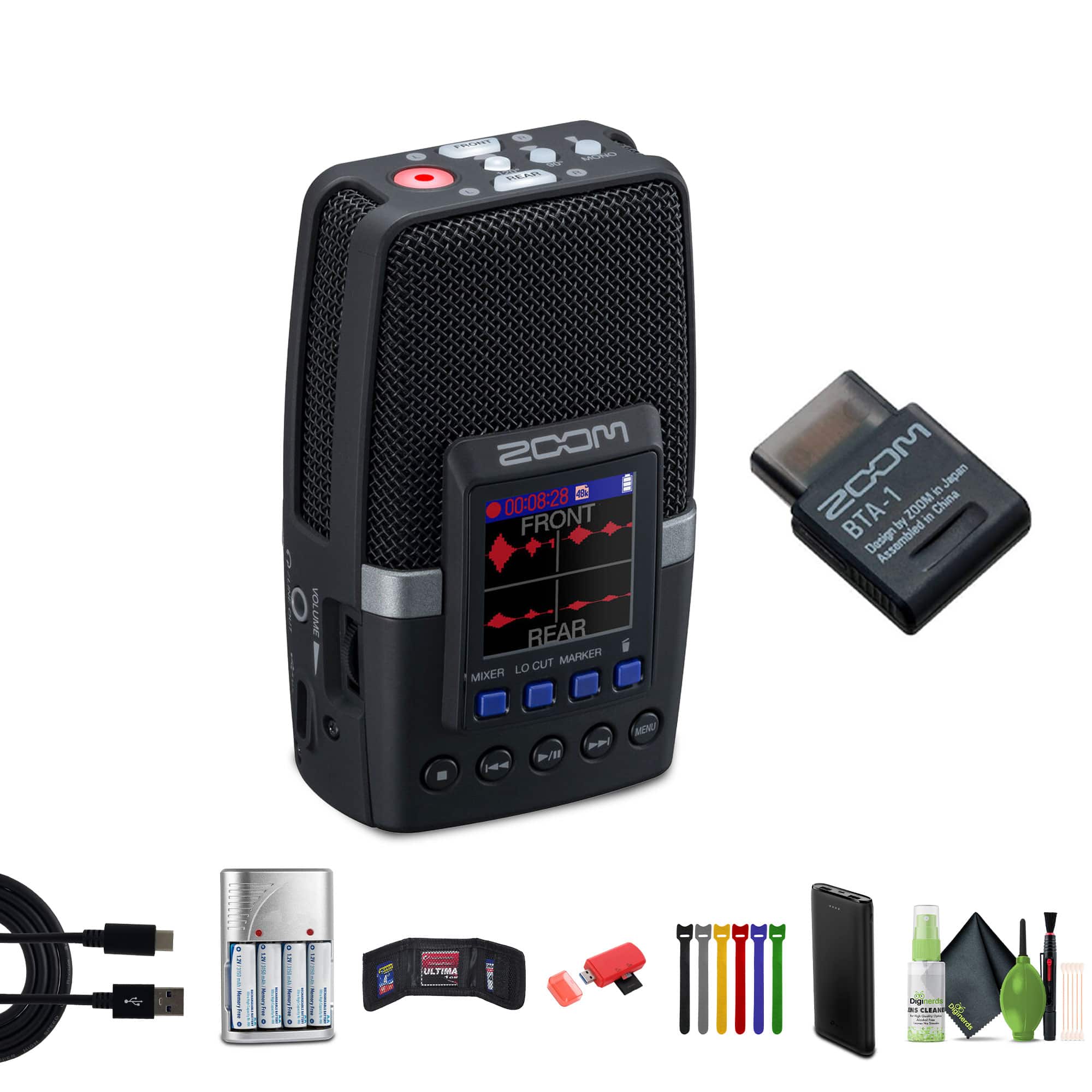
Zoom - H2essential Multi-Mic Handy Recorder, Bundle
SKU: JJGYT4JS3KSee all Voice RecordersProduct Description
A compact black recorder bundle with 32-bit float recording, three built-in microphones, and versatile connectivity.Your price for this item is $252.98
Best Sellers





Related Pages

FAQ
When choosing a microphone for recording violin, look for features such as a wide frequency response, high sensitivity, low self-noise, and a cardioid or omnidirectional pickup pattern. These features help capture the instrument's full tonal range and subtle dynamics.
Condenser microphones are generally preferred for recording violin because they offer greater sensitivity and accuracy in capturing the instrument's nuances and harmonics. Dynamic microphones can be used for live settings but may not capture as much detail in studio recordings.
Yes, you can use a USB microphone to record your violin, especially for home studios or quick setups. However, professional recordings often benefit from XLR condenser microphones paired with an audio interface for higher sound quality.
The ideal placement is typically 1 to 3 feet in front of the violin, slightly above the instrument and angled towards the f-holes. This position captures a balanced sound without picking up too much bow noise or room ambience.
Accessories like a shock mount, pop filter, and a stable microphone stand are helpful when recording violin. These items reduce unwanted vibrations, plosives, and ensure consistent microphone placement for the best sound quality.