Voice Recording Microphones
-
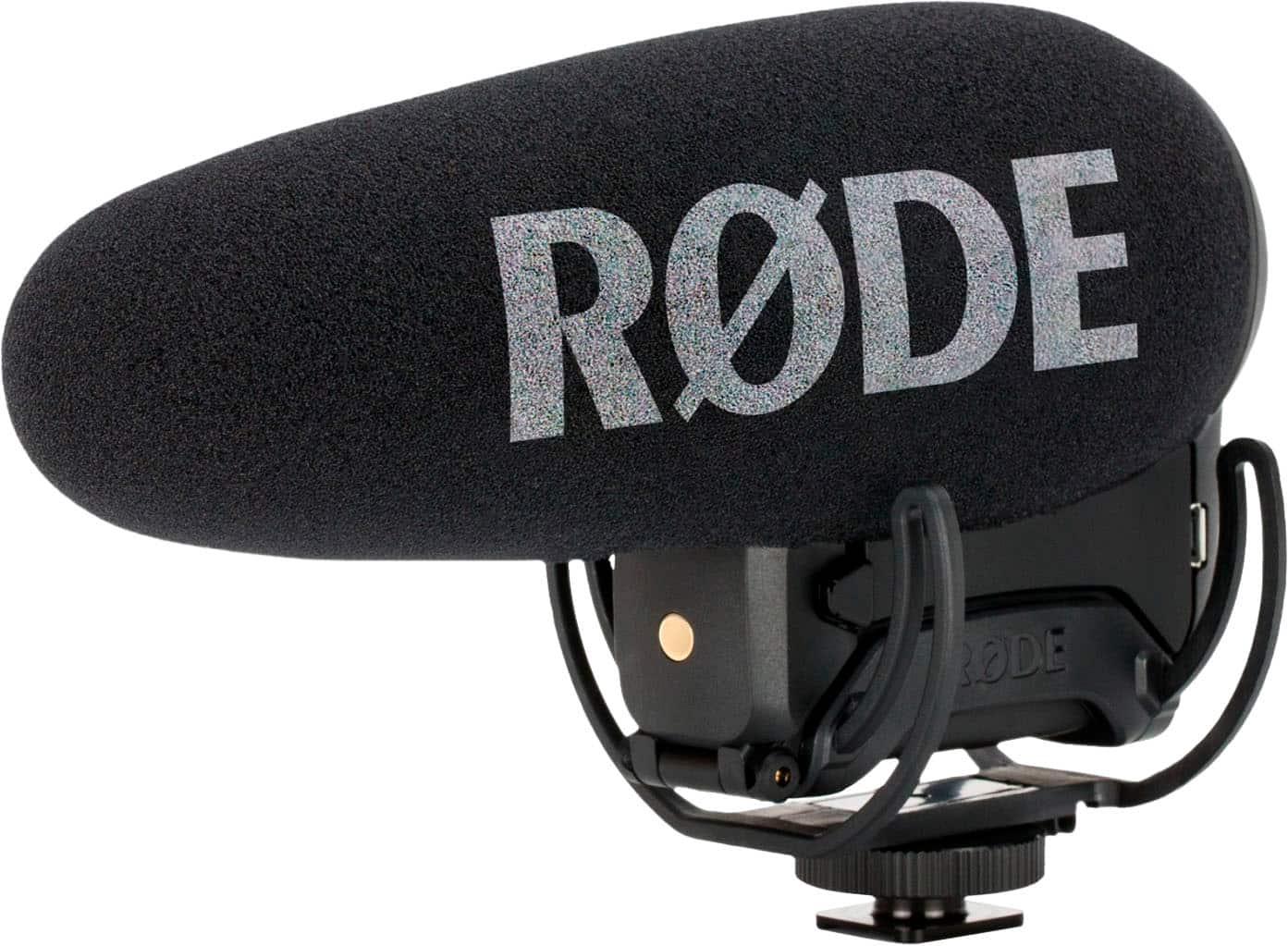
RØDE - VIDEOMIC PRO+ Premium On-Camera Microphone - Black
SKU: JXR9LSGGV3See all Camera MicrophonesProduct Description
A premium black on-camera shotgun microphone delivering broadcast-quality audio with auto on/off and long battery life.Your price for this item is $290.99Save $19The previous price was $309.99 -
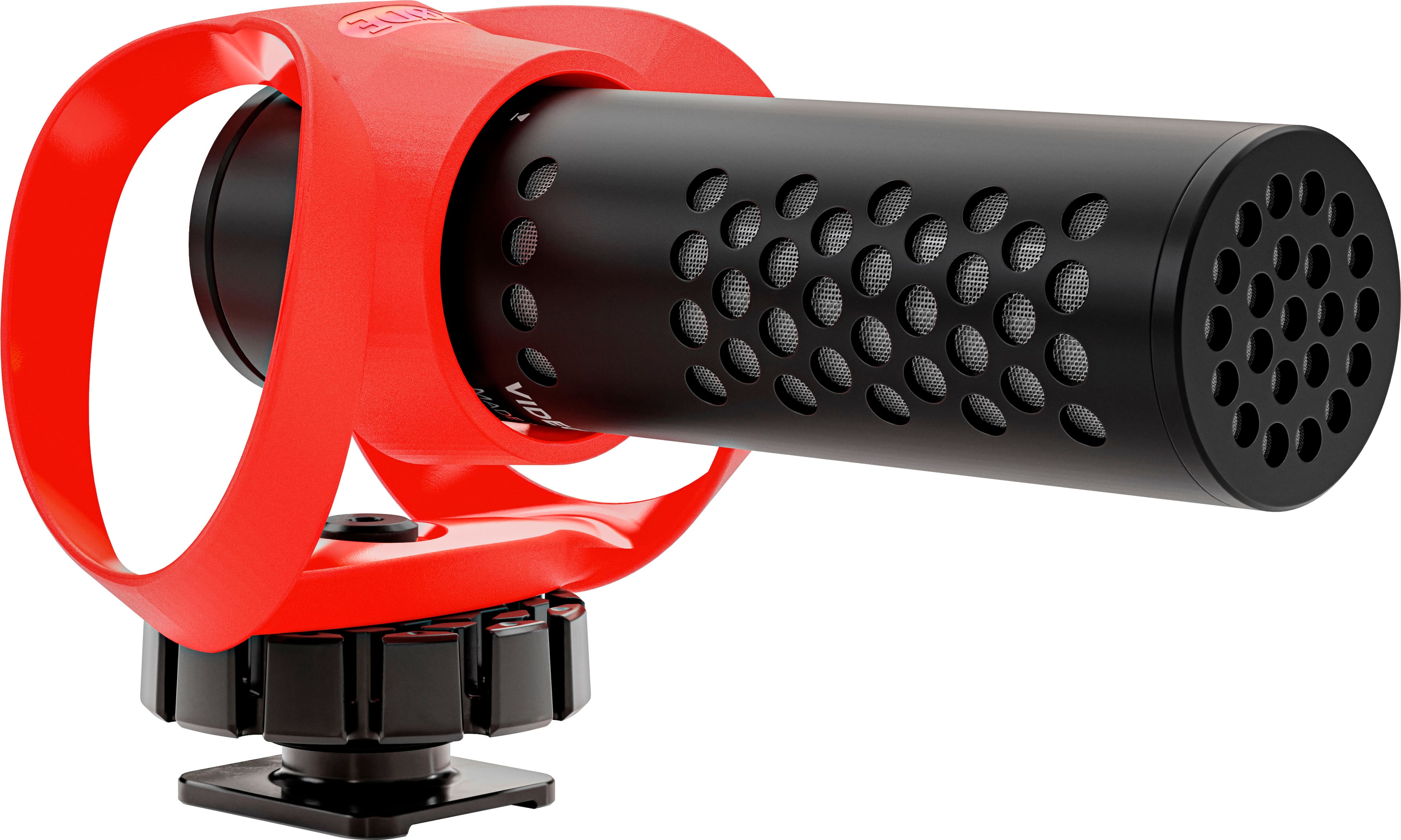
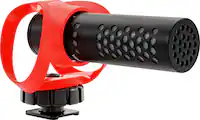
RØDE - VideoMicro II Wired Supercardioid Shotgun Microphone - Black
SKU: JXR9LSGQZXLove this microphone!...I was skeptical buying this microphone but I honestly love it. The quality on it is great!...Pretty good microphone for the price.
See all Camera MicrophonesProduct Description
A compact black supercardioid shotgun microphone with rugged all-metal construction and advanced HELIX isolation mount.Your price for this item is $89.99 -
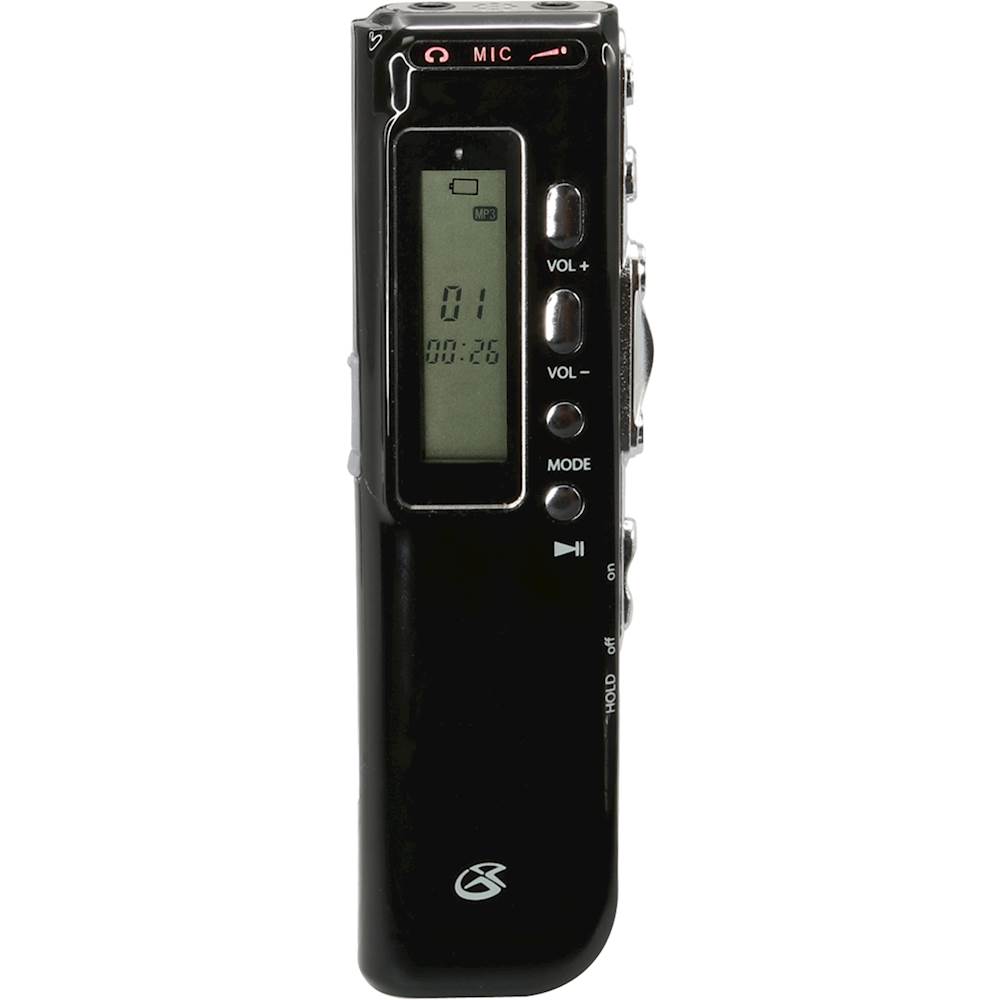
GPX - Digital Voice Recorder - Black
SKU: J7GWZ5G5K2See all Voice RecordersProduct Description
A compact black digital voice recorder with 4GB memory, voice-activated recording, and included earbuds.Your price for this item is $44.99Save $5The previous price was $49.99 -
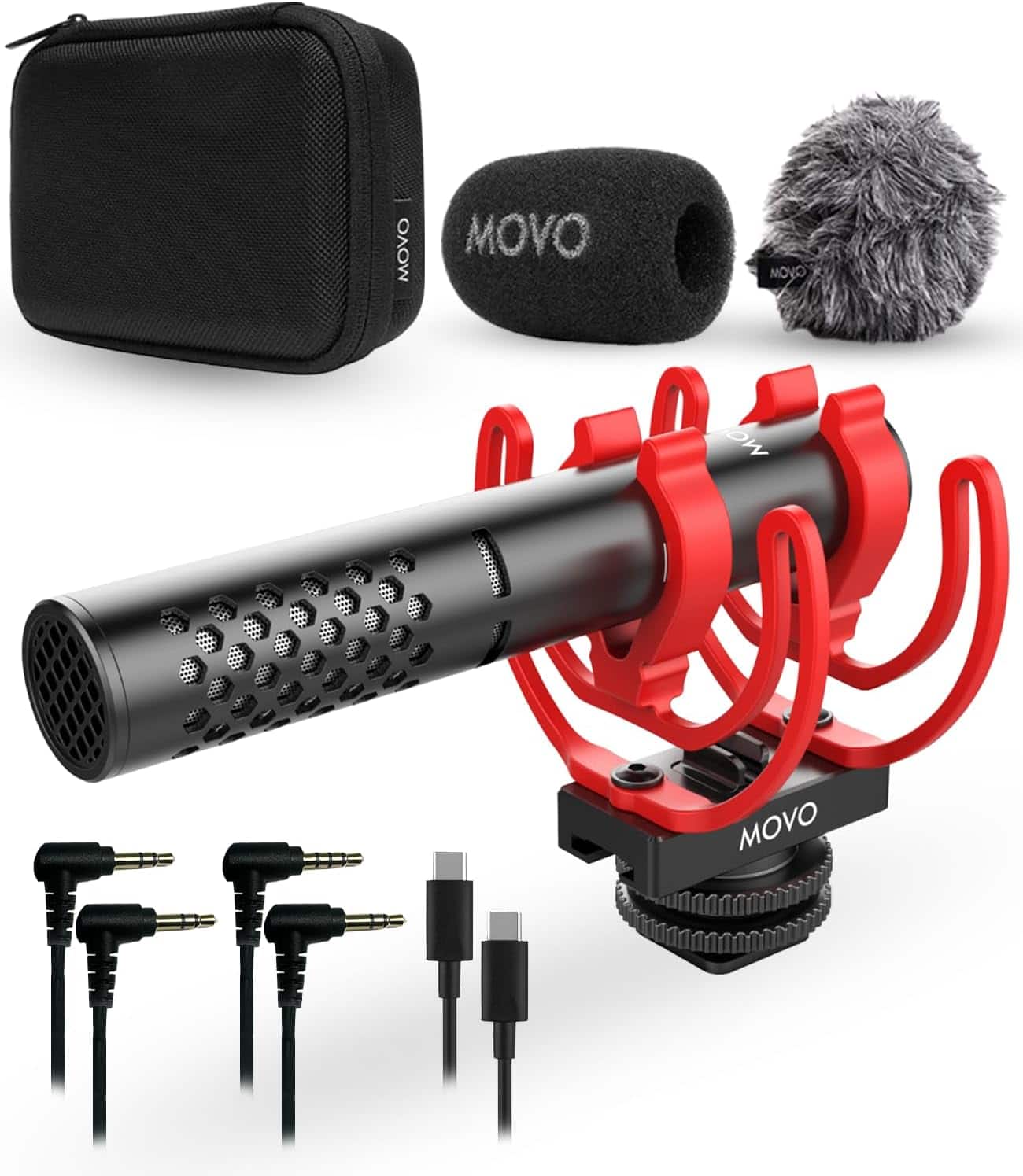
MOVO - X1-Mini Video Shotgun Mic - Supercardioid 3.5mm/USB-C Analog/Digital Microphone for Cameras, Smartphones, Computers
SKU: J3LVLQ3HKCSee all Camera MicrophonesProduct Description
A durable aluminum supercardioid microphone capturing high-fidelity audio for cameras, smartphones, and computers.Your price for this item is $69.95 -
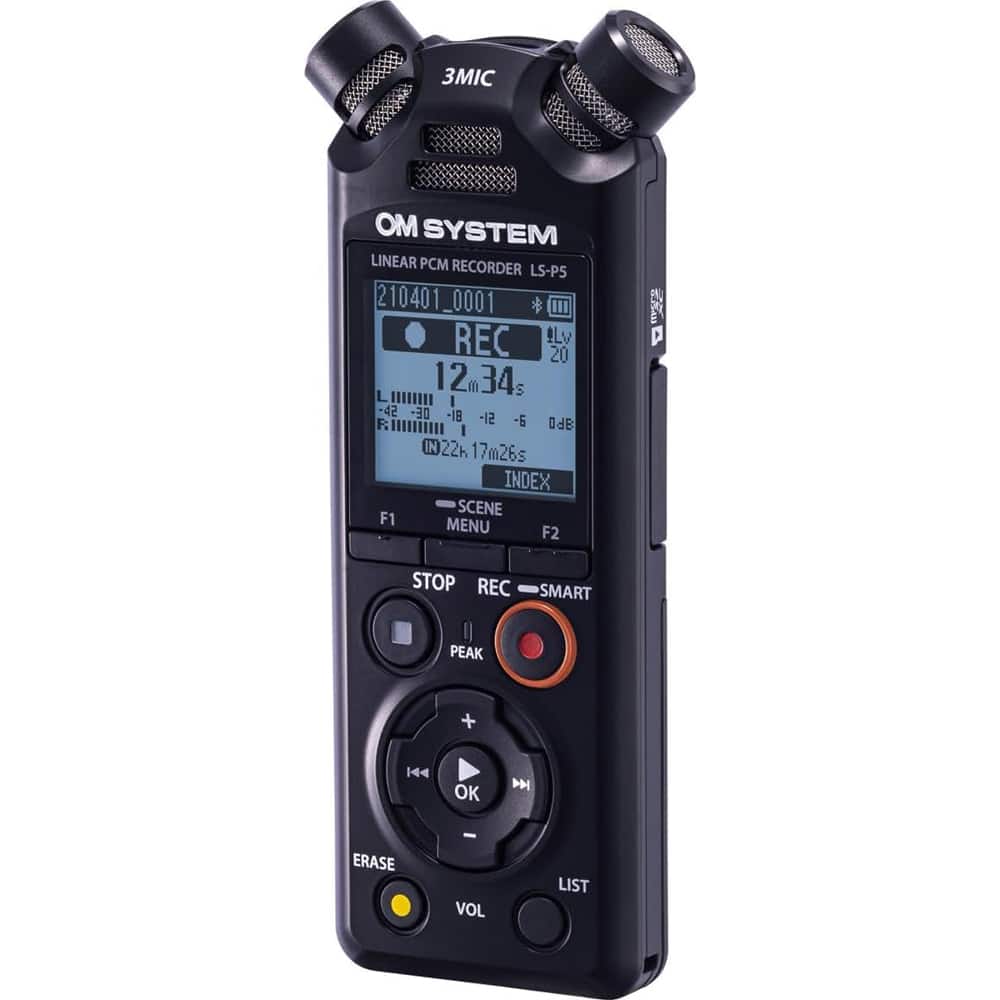
OM System - Pocket Recording Studio V409180BG000
SKU: J7L8X7PY3PSee all Voice RecordersProduct Description
A compact, Bluetooth-enabled handheld recorder with three microphones, WAV/FLAC support, and intelligent auto-adjustments.Your price for this item is $249.99 -
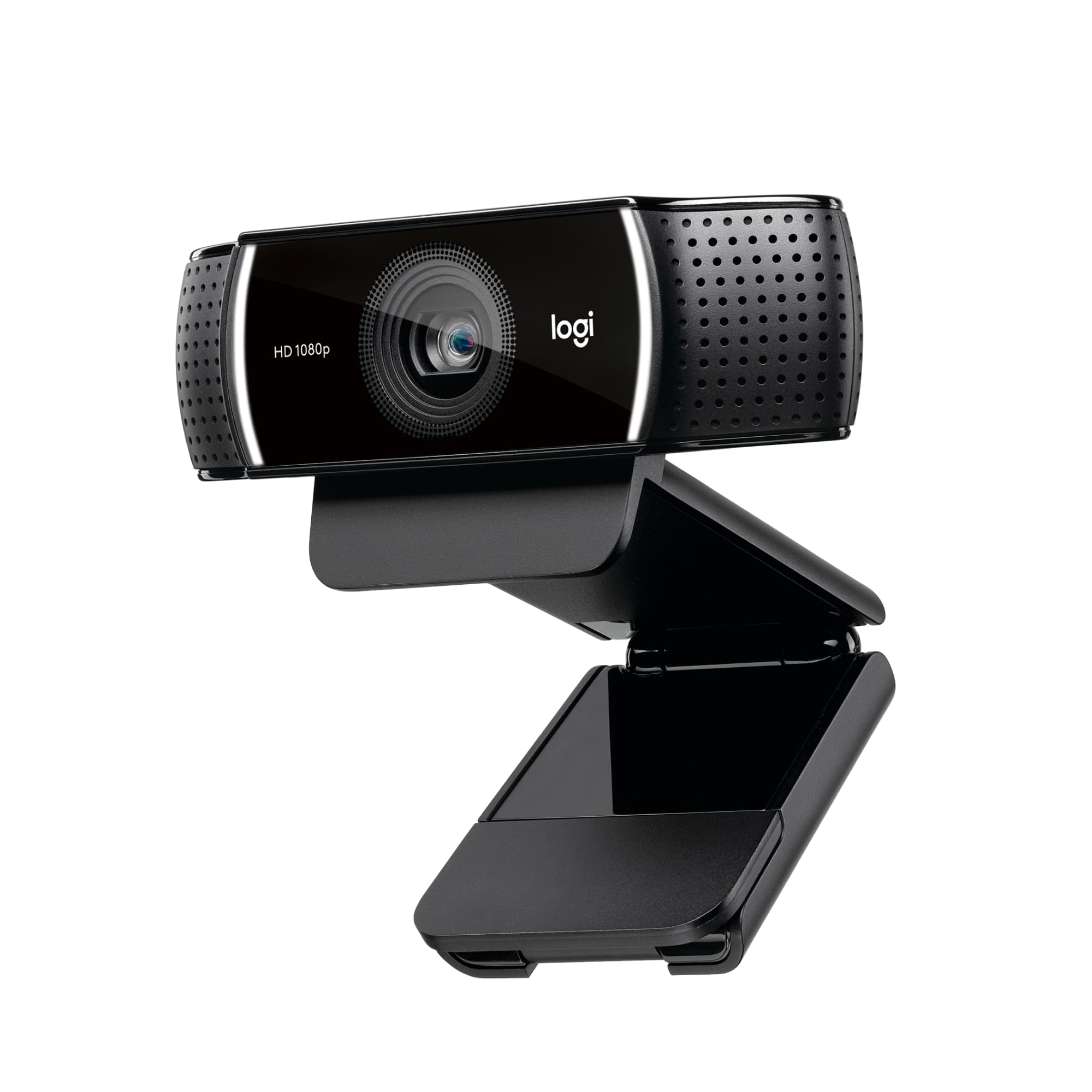
Logitech - C922 Pro Stream 1080 Video Streaming, Recording and Video Calling - Black
SKU: J7H7ZYCF44See all WebcamsProduct Description
A black streaming webcam offering 1080p video, autofocus, dual microphones, and easy plug-and-play setup.Your price for this item is $99.99Save $20The previous price was $119.99 -
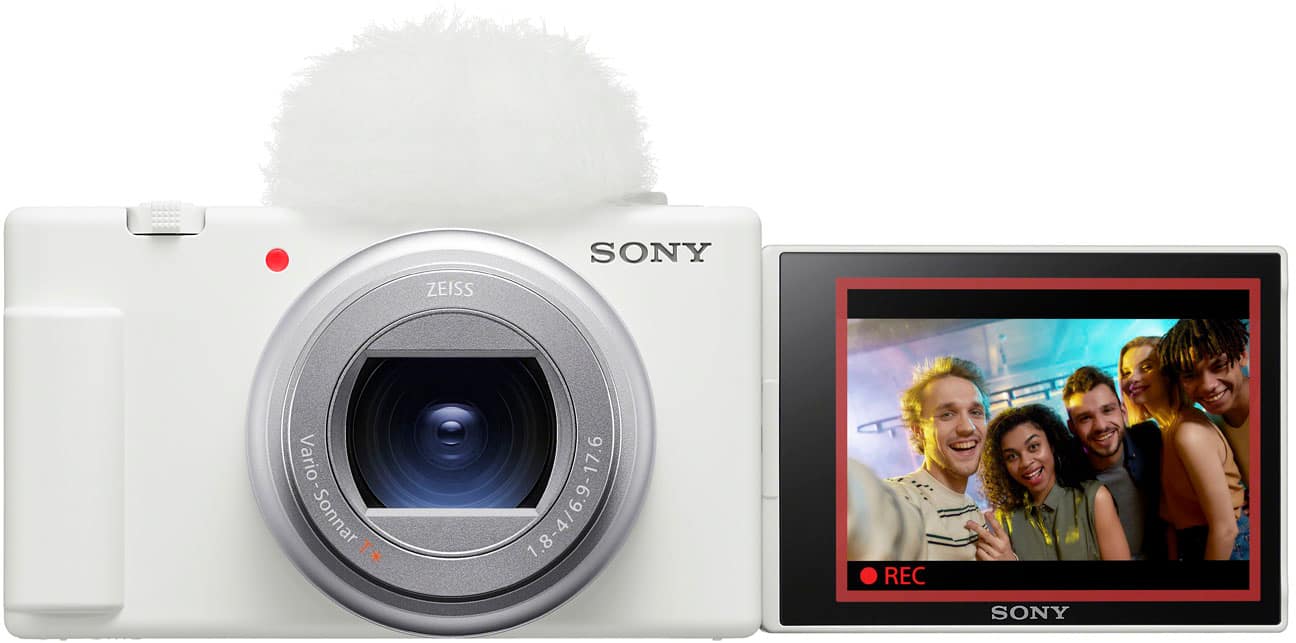
Sony - ZV-1 II 20.1-Megapixel Digital Camera for Content Creators and Vloggers - White
SKU: J7XSRH5Y5PSee all Point & Shoot CamerasProduct Description
A compact white digital camera with a 20.1MP sensor, 4K video, wide-angle zoom, and intelligent microphone.Your price for this item is $999.99 -
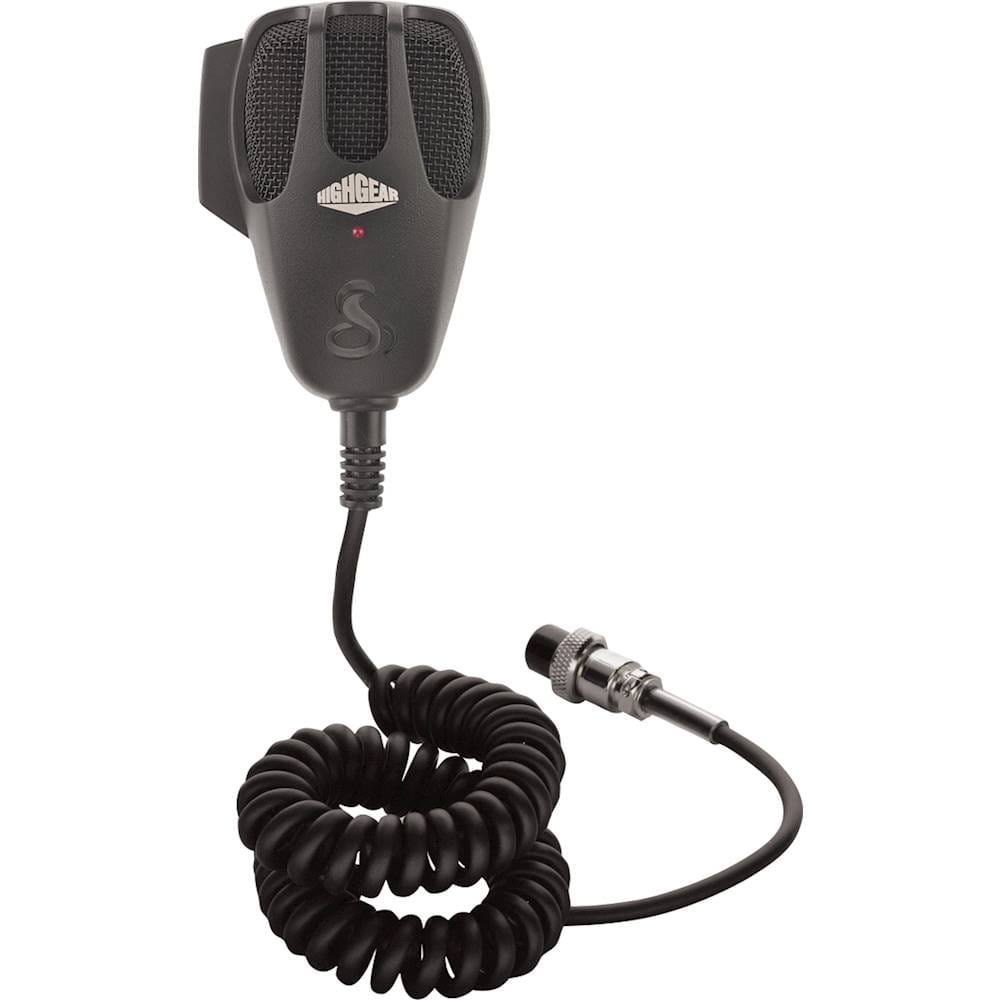
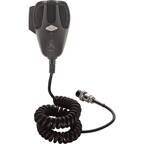
Cobra - Premium Wired Microphone - Black
SKU: J7XH3Z55LSBetter than the oem microphone.Works great. Has adjustable volume. You do need one 9V battery to operate.
See all Car & Travel Cell Phone AccessoriesProduct Description
A durable black wired microphone with ergonomic design, stretchable cord, and heavy-duty ABS housing for clear communication.Your price for this item is $34.99 -
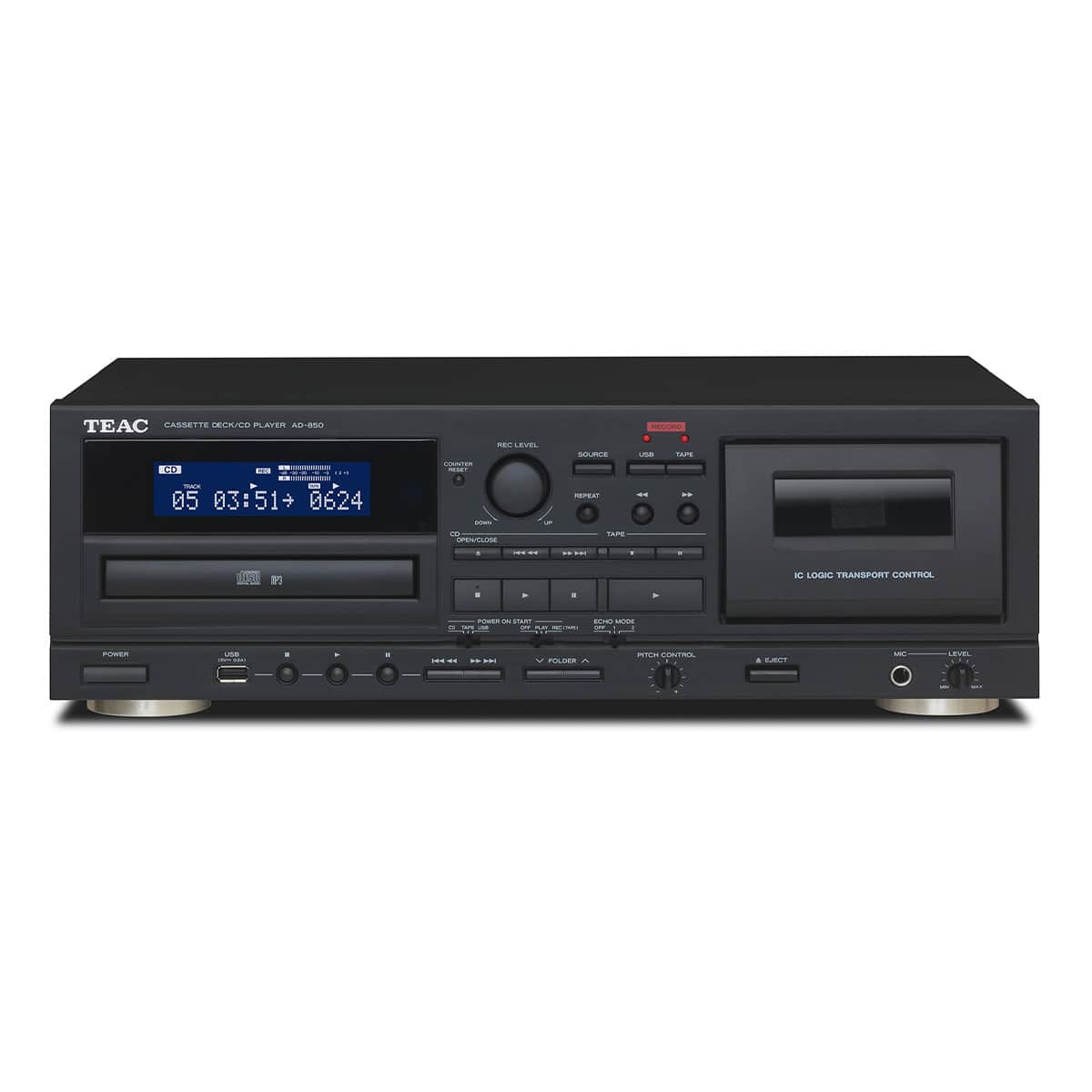
TEAC - AD-850-SE Cassette Deck & CD Player with Microphone Input & Digital Recording - Black
SKU: J7GXGS6GJ6See all CD & Cassette PlayersProduct Description
A versatile black audio unit combining cassette, CD, and digital recording with microphone input and remote control.Your price for this item is $599.99 -
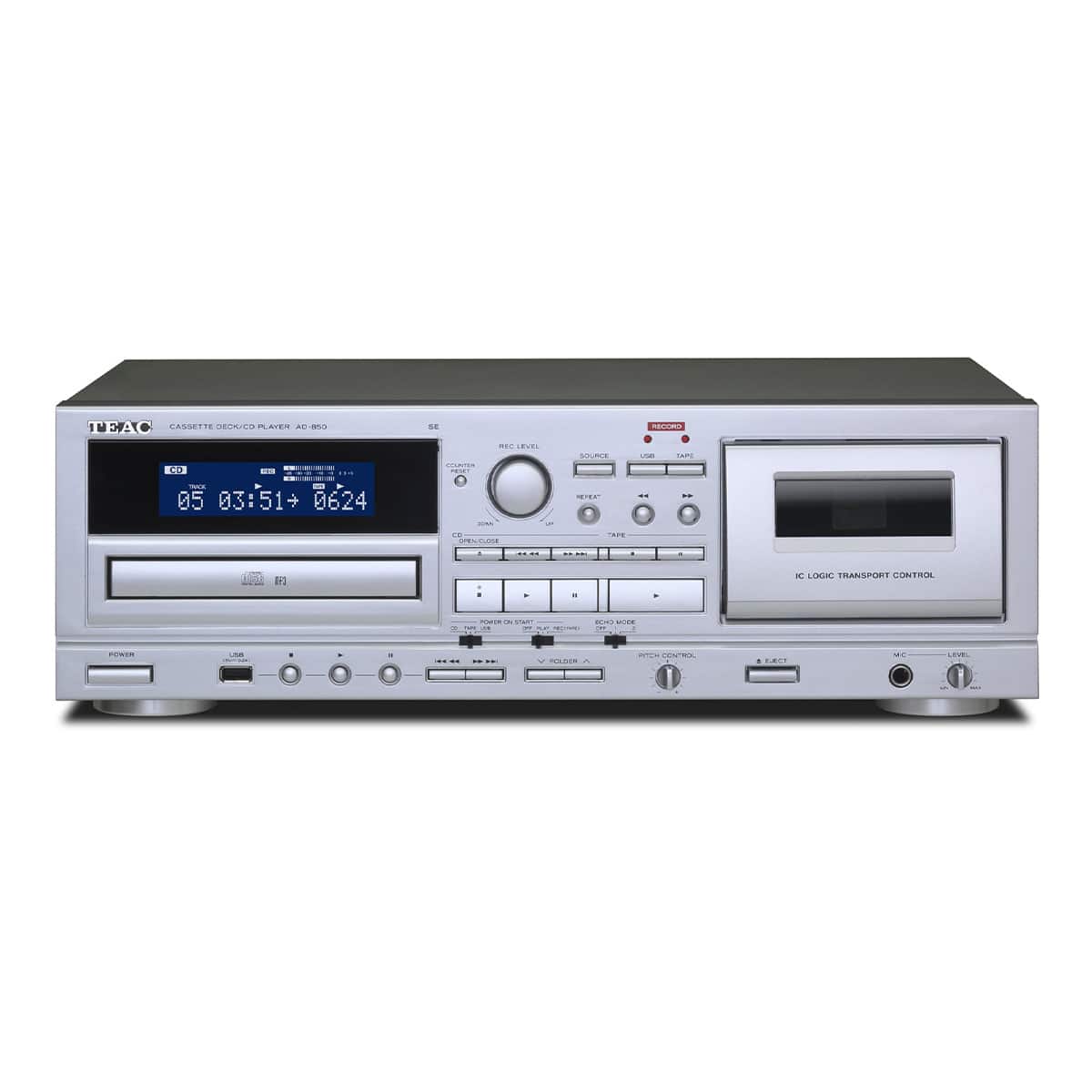
TEAC - AD-850-SE Cassette Deck & CD Player with Microphone Input & Digital Recording - Silver
SKU: J7GXGS6L8TSee all CD & Cassette PlayersProduct Description
A versatile silver audio unit combining cassette, CD, and digital recording with microphone input and remote control.Your price for this item is $599.99
Best Sellers


Related Pages
FAQ
When choosing a voice recording microphone, consider features such as polar pattern (e.g., cardioid, omnidirectional), frequency response, connectivity (USB or XLR), built-in noise reduction, and compatibility with your recording device. Additional features like mute buttons, headphone monitoring, and adjustable gain can also enhance your recording experience.
Yes, USB microphones can be suitable for professional voice recording, especially for podcasts, streaming, and home studios. They offer plug-and-play convenience and often include built-in audio interfaces. However, for advanced studio setups, XLR microphones paired with audio interfaces may provide higher audio quality and more flexibility.
Many voice recording microphones are compatible with smartphones and tablets, especially those with USB-C or Lightning connectors. Some microphones may require an adapter or a dedicated mobile interface. Always check the product specifications to ensure compatibility with your device.
Condenser microphones are sensitive and capture a wide range of frequencies, making them ideal for studio voice recording and capturing detail. Dynamic microphones are more robust and handle high sound pressure levels, making them suitable for live performances or environments with background noise.
To reduce background noise, choose a microphone with a cardioid or supercardioid polar pattern, use pop filters and windshields, and record in a quiet, acoustically treated space. Some microphones also feature built-in noise reduction technology to help minimize unwanted sounds.