5 Ways to Conserve Water at Home
Best Selling Products carousel(5 Items)
Top tips on how to save water
Whether you’re taking a shower, doing the dishes or staying hydrated, water plays an essential role in all of our daily lives. Not to mention, fresh water helps grow our food, fuels production and creates life-sustaining habitats for countless species. This is why water conservation is so important.
Keep reading to discover ways to conserve water, enhance water efficiency and identify the most suitable water-saving devices for your home.
Why is water conservation important?
With an increase in demand and a decrease in supply, it’s no wonder why saving water is crucial. However, the conservation of water is not just a personal responsibility. Globally, agriculture and manufacturing industries use significant amounts of water. Yet, despite the effects of large industries, individuals choose to practice water conservation for a variety of reasons.
Decreasing water waste can help you save money on your utility bill and help reduce your carbon footprint. Or perhaps you want to help protect local habitats by diverting less water from nearby lakes, rivers and estuaries. No matter why you want to practice conservation, these five water-saving techniques can help you reduce your use of this natural resource and embrace a future of
1. Use a front-loading washing machine
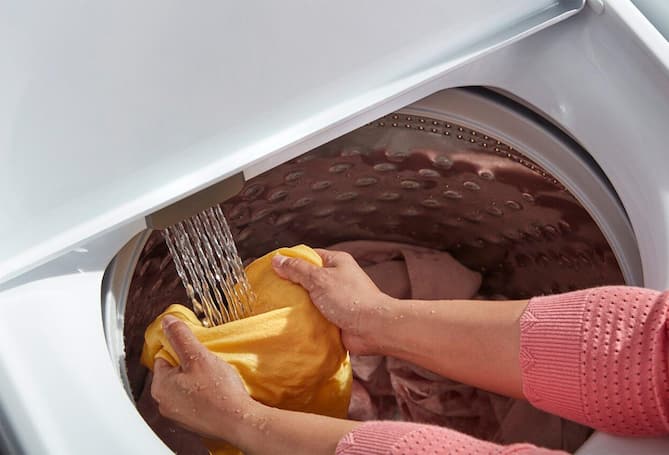
Did you know that washing machines vary in how much water they use? While you may discover differences between brands, the real impact comes from the washing machine design. If you’re looking to get a new washer or replace an older model, consider investing in a front-loading washing machine.
Since a front-loading washer uses a horizontal drum, it only needs a small amount of water to saturate the rotating clothes. It also requires less detergent and less electricity. In comparison, a top-loading machine can use a significantly larger volume of water to completely fill the vertical drum and needs more electricity to function. The combination of reduced water usage, lower detergent requirements and efficient spinning makes front-loading washing machines a more environmentally friendly and cost-effective choice.
2. Set up water leak detectors
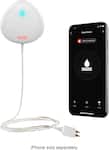
A great way to save water is to invest in technology that helps you detect when something is leaking. You can find wired and wireless water sensors to place under your washing machine, refrigerator, sink or any other area where a leak could occur. Many water sensor models provide Bluetooth connectivity, so if water is detected, you can get an alert immediately on your smartphone or tablet.
A water sensor can be a great line of defense against damaging leaks and potential flooding. But you’ll want to make sure you’re finding the best water leak detectors for you and your unique needs. With a variety of choices, you can select the water sensor size, power source and useful features that are right for your home. And if you already own smart devices, you can find ideal water sensors for smart homes and systems.
3. Use a dishwasher
If you’re looking for ways to conserve water, consider using a dishwasher. It may seem like a strange way to reduce water consumption, but most dishwashers use far less water than most people use washing by hand. This is because modern dishwashers are designed to use water more efficiently by spraying it in targeted jets to clean dishes effectively.
Additionally, dishwashers have the advantage of recycling water throughout the washing and rinsing cycles, further reducing water waste. So, if you're committed to conserving water in your home, switching to a dishwasher can be a surprisingly effective and eco-friendly choice.
4. Control your sprinkler and irrigation settings
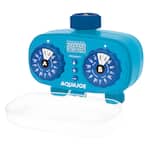
Your mission to conserve water doesn’t have to stop at the front door. With tech innovations in lawn care, you can find sprinkler and irrigation controls to help you save water outside. Whether you like outdoor gardening or taking care of your lawn, a smart sprinkler system can ensure you only use as much water as you need.
Smart irrigation tools come with plenty of water-saving advantages. For example, you can find smart sprinkler systems that allow you to focus water on specific areas, set watering schedules and detect the weather (so you don’t end up watering in the rain). This useful upgrade can help your garden thrive while keeping your water bill low.
5. Choose ENERGY STAR rated appliances
Energy is often required to treat and pump water, so using regular household appliances and electronics that are ENERGY STAR rated can indirectly contribute to water conservation by reducing your overall energy consumption. ENERGY STAR certified products are designed to meet strict energy efficiency guidelines set by the U.S. Environmental Protection Agency (EPA). Helping you save money on your utility bills while reducing their environmental impact, these appliances are significantly more energy-efficient than standard models.
From major appliances to smaller electronics like TVs and laptops, the wide range of ENERGY STAR rated products available use advanced technologies to consume less energy without compromising performance. For example, ENERGY STAR certified refrigerators incorporate features such as improved insulation, high-efficiency compressors and advanced temperature controls to minimize energy consumption while keeping food fresh.