Ahmed Ag Kaedy - Akaline Kidal - CASSETTES
Reviews coming soon
About this product
In exile from his city in Northern Mali, singer/songwriter Ahmed Ag Kaedy returns to the origins of Tuareg folk with sessions of stripped down solo acoustic guitar. Mellow pentatonic notes dance over plaintive vocals, intimate and close mic'd, endearing in their simplicity. Drifting from melancholic ballads and pleas for peace, InchAkaline KidalInch is a politically charged and poignant recording for a community ripped apart by division and civil war.
Specifications
- GenreFolkDescriptionIn exile from his city in Northern Mali, singer/songwriter Ahmed Ag Kaedy returns to the origins of Tuareg folk with sessions of stripped down solo acoustic guitar. Mellow pentatonic notes dance over plaintive vocals, intimate and close mic'd, endearing in their simplicity. Drifting from melancholic ballads and pleas for peace, InchAkaline KidalInch is a politically charged and poignant recording for a community ripped apart by division and civil war.ArtistAhmed Ag KaedyTitleAkaline KidalFormatCassetteLabelSahel Sounds
Reviews
This product doesn't have any reviews yet.
Compare similar products
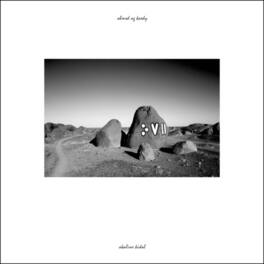
In exile from his city in Northern Mali, singer/songwriter Ahmed Ag Kaedy returns to the origins of Tuareg folk with sessions of stripped down solo acoustic guitar. Mellow pentatonic notes dance over plaintive vocals, intimate and close mic'd, endearing in their simplicity. Drifting from melancholic ballads and pleas for peace, InchAkaline KidalInch is a politically charged and poignant recording for a community ripped apart by division and civil war.
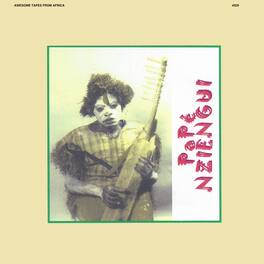
Kadi Yombo, published in 1989, is the most successful album in the quest for a fusion between tradition and modernity in Bwiti harp music of the Tsogho people of Gabon. Combining beating rattles with a layer of synthesizers, Papé Nziengui blends in a contrapuntal dialogue characteristic of harp playing male song in appeal and female choir in response, male voice of the musical arc and rhythms of female worship. But above all it's Tsogho ritual music and modern studio orchestration. The result is an initiatory itinerary of 10 musical pieces which are all milestones likely to be simultaneously listened to, danced, meditated on, and soon acclaimed. In the years since, Nziengui has traveled he world from Lagos to Paris, from Tokyo to Cordoba, from Brussels to Mexico City to become a true icon, the emblem of Gabonese music. Like Bob Dylan, InchelectrifyingInch folk and Bob Marley mixing rock with reggae, some purists have criticized Nziengui for having distorted the music of harp by imposing a cross with modern instruments. They even went so far as to claim that Nziengui was just an average harpist covering his shortcomings with stunts that were only good for impressing neophytes; like playing a harp placed upside down behind his back or playing two or three harps simultaneously. Sincere convictions or venomous defamations, in any case, Nziengui never gave in to such attacks, imposing himself on the contrary to pay homage to the elders (Yves Mouenga, Jean Honoré Miabé, Vickoss Ekondo) while instructing the maximum of young people. He is thus the promoter of many young talents, the most prominent of which is certainly his nephew Jean Pierre Mingongué. In a conservative society where the sacred is confused with secrecy, exposing the mysteries of Bwiti in broad daylight can be punished by exclusion or even execution. Papé Nziengui has always claimed that he faces such risks

Various Artists - Chesky Woodwinds Collection (Various Artists) [COMPACT DISCS] date 10/17/1995
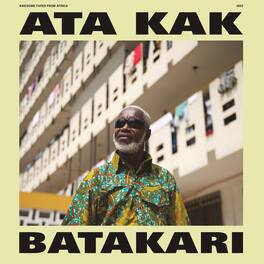
Ata Kak created a peculiar slice of Ghanaian music history with his debut album InchObaa SimaInch. While it barely made a ripple at the time of it's in 1994, the cassette found a new life online in 2006. A not-so-underground cult obsession grew after it appeared on the blog Awesome Tapes From Africa as it's very first post, a sort of manifesto for the project. His addictive amalgam of left-field electronic music and Twi-language hiplife reached surprising levels of awareness among music fans of many stripes. The mystery behind the musician's identity grew. Eventually Yaw Atta-Owusu came out of the shadows, from his quiet home in Kumasi, to tour the world playing high-energy, sweat-soaked performances at major festivals like Glastonbury, Sónar and Pop Montreal. Now, for the first time since 1994, Ata Kak releases new music. Honed in studios around Kumasi over the last several years, the songs feature the rapper-singer's acrobatic rap, signature scatting, dramatic drums and even traditional Akan harp. The compositions are more ambitious than his earlier work, with more complex arrangements and layered harmonies. Ata Kak's new songs are also the natural expression of a restless artist-he is a prolific poet and author of a half-dozen books, as well as an active gardener and busy painter. Born in Ghana in 1960, Ata Kak wasn't always involved in music. But his travels and openness to the world lead him into the music industry. While living in Germany, he was invited to play drums in a reggae band and subsequently played in highlife bands in Ontario after moving to the Toronto area. He recorded InchObaa SimaInch there at his home studio and released it in Ghana in 1994. He didn't participate in music much in the intervening years until InchObaa SimaInch was reissued in 2015. He started performing his song live with the help of a brilliant cast of London-based musicians and