Capella de Ministrers - San Francesco - Giullare di Dio - COMPACT DISCS [CD]
Reviews coming soon
About this product
Saint Francis of Assisi is one of the most universal figures in Western history, venerated not only by the Catholic tradition but also by Protestant and Orthodox communities, as well as by many non-Christians drawn to his message of poverty, fraternity, and love for creation. This recording offers a sonic journey through the 13th and 14th centuries, focusing on the spiritual and intellectual context of the Order of Friars Minor on the occasion of the 800th anniversary of his death (1226-2026).
Specifications
- GenreClassicalDescriptionSaint Francis of Assisi is one of the most universal figures in Western history, venerated not only by the Catholic tradition but also by Protestant and Orthodox communities, as well as by many non-Christians drawn to his message of poverty, fraternity, and love for creation. This recording offers a sonic journey through the 13th and 14th centuries, focusing on the spiritual and intellectual context of the Order of Friars Minor on the occasion of the 800th anniversary of his death (1226-2026).ArtistCapella de MinistrersTitleSan Francesco - Giullare di DioFormatCDLabelCapella de Ministrer
Reviews
This product doesn't have any reviews yet.
Compare similar products

Saint Francis of Assisi is one of the most universal figures in Western history, venerated not only by the Catholic tradition but also by Protestant and Orthodox communities, as well as by many non-Christians drawn to his message of poverty, fraternity, and love for creation. This recording offers a sonic journey through the 13th and 14th centuries, focusing on the spiritual and intellectual context of the Order of Friars Minor on the occasion of the 800th anniversary of his death (1226-2026).

This compiles Cantigas de Santa Maria from Capella de Ministrers' recordings El Grial (CDM1845), La Ruta de la Seda (CDM1743), Ramon Llull (CDM1640), Moresca (CDM1028), Musica Angelica (PMV004) and Lamento di Tristano (CDM0307). The edition of this album commemorates the 800th anniversary of the birth of Alfonso X el Sabio, the 10th anniversary of Early Music Morella and Xacobeo 2021. Ever since it's foundation in 1987, the Capella de Ministrers ensemble, directed by Carles Magraner, has developed an important investigative and musicological task in favor of the musical Spanish patrimony, from the medieval times up to the 19th century. The result transformed into musical testimony, brings together the perfection of three key factors the historical rigor, the musical sensibility and, specially, an uncontrollable desire to communicate and they make us participants of these experiences.
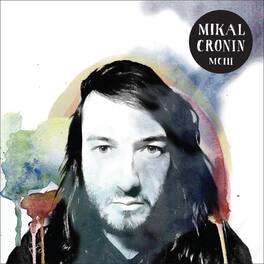
Mikal Cronin returns with MCIII. Marked by the rich arrangements, stunning melodies, and deeply personal lyrical work for which Cronin is now known, the album is also a deliberate attempt to simply 'go big.' As he did on his self-titled 2011 debut and 2013's MCII, Cronin arranged and played nearly all of the record himself, including the tzouras, a traditional Greek string instrument he heard and subsequently bought while on tour in Athens. There's French horn, saxophone, and trumpet. There are mood-altering crescendos and heartbreaking turns-of-phrase, guitars both gorgeous and pugnacious. No longer satisfied with the sound of 'just one string player,' Cronin arranged parts for a full string quartet instead. 'It's a continuation of what I've been trying to do up until now, but I'm finding a better way to do it,' he says. 'I'm finding a more successful way of working those unexpected elements and textures and instruments into a rock record, of exploring that wormhole and mashing everything together harmoniously. I like riding the line between the two,' he adds. 'I like finding new ways to bring different musical worlds together.'

Soundscape of the Corpus Christi procession in Valencia (17th-18th centuries)The Feast of Corpus Christi, established in 1264 by Pope Urban IV, became one of Valencia's most important and magnificent celebrations. It's origins are tied to a Eucharistic miracle that occurred in Valencian territory-the Miracle of the Corporals of Llutxent-Daroca around 1239. This connection helped Valencia become one of the first cities in the Iberian Peninsula to organize a general Corpus Christi procession, beginning in 1355.By the 17th century, the celebration had evolved into a grand public spectacle, rich in music, theatre, and ritual. On the eve of the feast, a parade called the Cavalcada del Convit invited the populace to participate, while the afternoon featured traditional religious theatre in Valencian (els Misteris) and choreographed dances commissioned for the procession.The main procession was a stunning display involving the whole of Valencian society-from guilds to the highest civic, royal, and ecclesiastical authorities. A rich musical tapestry accompanied every step folk instruments like the dolcainaand tabal, dramatic theatre music, ceremonial city bands, plainchant from clergy, and elaborate polyphony performed by the Cathedral's chapel.In 1672, municipal musician Josep Gomar compiled a manuscript preserving the texts and music of these plays and rituals. Today, this music offers a rare glimpse into the soundscape of baroque Valencia. This concert brings those sounds back to life, allowing audiences to relive the awe and splendor of the city's most cherished feast.Imagine yourself on a Valencian street in the late 1600s, watching and hearing the vibrant procession pass by-an unforgettable journey into the soul of a city's tradition.