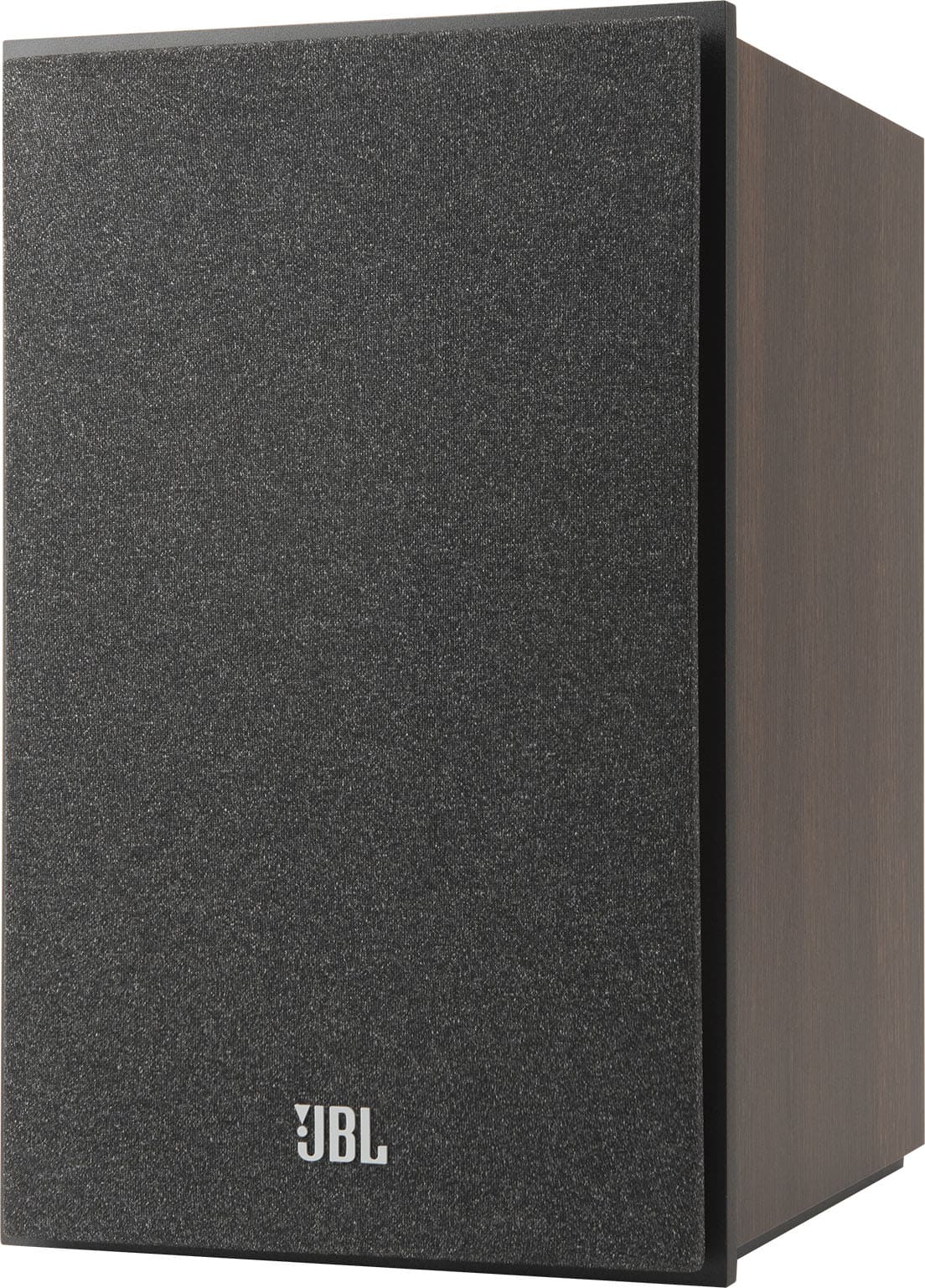
JBL - Stage2 250B 2-Way 5.25-inch (130mm) Bookshelf Loudspeaker - Pair - Espresso
Customers are saying
Customers love the exceptional sound quality, noting its clean bass and spectacular reproduction of high frequencies. They also appreciate the sleek design, compact size, and appealing appearance, which allows them to fit well in various spaces.
Color
Espresso5.25-inch (130mm) Polycellulose Ribbed Cone Woofer
Each speaker in the Stage 2 series features Polycellulose ribbed cone woofers. This pure pulp cone has a proprietary mix of other materials added to improve its rigidity and the ribs echo legendary JBL designs. These woofers produce deep, accurate, room filling bass.
1-inch (25mm) Anodized Aluminum Tweeter in a Next Generation HDI Waveguide
Through intense research of previous waveguide designs, JBL has developed a new complex geometry that improves directivity, reduced diffraction, and an overall neutral frequency response both on and off axis. The Stage 2 HDI Horn is coupled to an anodized aluminum dome tweeter to enhance efficiency and dynamics. This new design offers a neutral frequency response both on and off axis.
Precision 2.5-Way Crossover
Premium components are used to construct the crossovers fitted to the Stage 2 line. The High frequency section features air core inductors and mylar capacitors that reduce distortion and improve sonic performance. The low frequency section includes laminate core inductors and electrolytic capacitors. These premium materials can handle more power and transmit energy faster elevating system performance.
5-Way Binding Posts
Sturdy 5-way binding posts provide the listener with their choice of high-quality connection. They also match the binding posts on the JBL MA AVRs, carrying the cohesive look throughout.
Magnetically Attached Grilles
Stage 2 has premium details throughout the line including magnetically attached grilles, unique trim rings and the floating front baffle design - upscale features not typically found on loudspeakers in this price range.
Rear-Firing Tuned Port
A flared port is featured on the 250B. This new flared design reduces the velocity of the air when exiting the speaker cabinet, eliminating any chuffing or coloration of output.
Anti-Slip Pads
The 250B includes anti slip pads to hold the speaker securely in place, minimize vibrations.
- Speaker TypeBookshelfRMS Power75 watts
Reviews
Rating 4.7 out of 5 stars with 88 reviews
- Sound Quality (74)
- Bass (11)
- Appearance (10)
- Size (8)
- Design (7)
Customer Images
The vast majority of our reviews come from verified purchases. Reviews from customers may include My Best Buy members, employees, and Tech Insider Network members (as tagged). Select reviewers may receive discounted products, promotional considerations or entries into drawings for honest, helpful reviews.
Compare similar products

Designed and engineered at our world-famous Acoustic Engineering Center of Excellence in Northridge, California, the Stage 250B is largest bookshelf loudspeaker of the JBL Stage Series. It provides impressive performance from a small footprint. The 250B's are versatile enough to be used as main speakers or surrounds. This loudspeaker features a 2-way design with Next Generation patented High-Definition Imaging (HDI) waveguide geometry, 1-inch (25mm) Anodized Aluminum dome tweeter, and a 5.25-inch (130mm) Polycellulose ribbed cone woofer that provides deep, signature JBL bass.
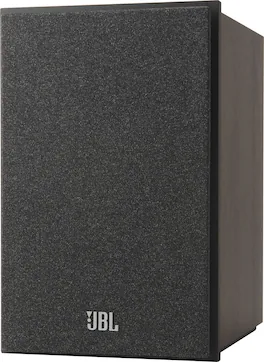
Designed and engineered at our world-famous Acoustic Engineering Center of Excellence in Northridge, California, the Stage 240B is the smallest bookshelf loudspeaker of the JBL Stage Series. It provides impressive performance from a small footprint. The 240B's are versatile enough to be used as main speakers or surrounds. This loudspeaker features a 2-way design with Next Generation patented High-Definition Imaging (HDI) waveguide geometry, 1-inch (25mm) Anodized Aluminum dome tweeter, and a 4.5-inch (114mm) Polycellulose ribbed cone woofer that provides deep, signature JBL bass.

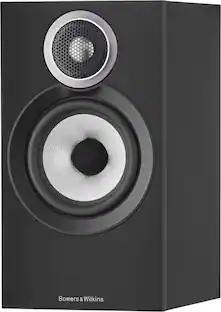
Experience deep surround sound with the Bowers & Wilkins 607 S3 2-Way Bookshelf Loudspeakers - standmount speakers that get accommodated in compact spaces. Boasting a Titanium Dome tweeter with acoustically transparent tweeter grille mesh, it delivers exceptional resolution and insight for smooth, refined high-frequency reproduction. The sophisticated design combines the Titanium Dome tweeter with the acclaimed Continuum bass/midrange cone, striking the perfect balance between accuracy, transparency, and warmth. Improved speaker terminals ensure a cleaner signal path between your amplifier and loudspeaker, providing pure, precise audio transmission. It also includes Foam Plug & Rubber Feet. Enjoy a truly immersive and powerful surround sound experience to enhance your home theater system. Its room-filling sound is courtesy of the bass drivers, while the enhanced Continuum cone guarantees seamless performance and eliminates distortions. Drawing tech from the award-winning 800 Series Diamond range, the 607 S3 offers an unparalleled audio experience. The Bowers & Wilkins 600 Series introduces audio innovation with superior audio components integrated into its speaker. Being a perfect choice for dedicated audiophiles, film enthusiasts, and music devotees, this series elevates the listening experiences with precise, captivating sound, delivering unforgettable audio.

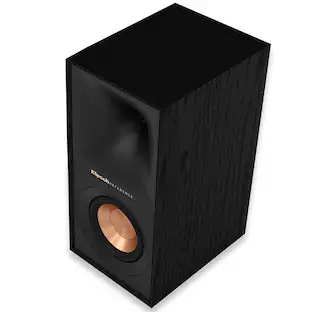
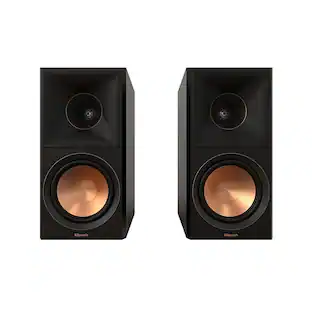
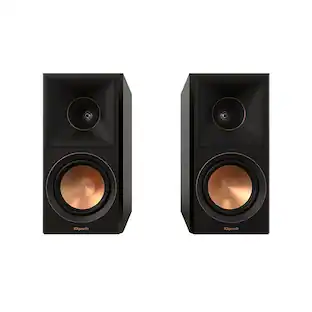
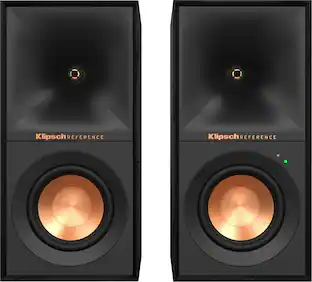
Set the mood in your home via music with these Klipsch speakers. The wood-grain vinyl exterior imparts a touch of sophisticated elegance to a room, while the Tractrix Horn technology provides clear, vibrant and rich musical tones. The titanium tweeter on these Klipsch speakers dampens high-frequencies to facilitate crisp, natural sound.
| Pros for JBL - Stage2 250B 2-Way 5.25-inch (130mm) Bookshelf Loudspeaker - Pair - Espresso | |||
|---|---|---|---|
| Sound Quality, Bass, Appearance, Size, Design | Sound Quality, Size, Bass, Design, Setup Ease | Sound Quality | Sound Quality, Bass, Size, Appearance, Price |
Specs
9200s speakers
Answered by JBL SupportFor further assistance with your inquiry regarding our JBL 250B, please contact our Luxury Customer Support at 888-691-4171.
What is the frequency response range of the speakers?
The frequency response range of the speakers is 55 hertz to 25 kilohertz.
This question and answer was generated by AI based on customer and product data.What type of speaker wire connection does the speaker use?
The speaker wire connection type for the speakers is binding posts.
This question and answer was generated by AI based on customer and product data.What is the warranty on the speakers?
The speakers have a 5-year limited warranty for parts and labor.
This question and answer was generated by AI based on customer and product data.Are they bluethooth and self powered?
Answered by PaulNNo. Normal speaker

Package deals that include this item
Customers often buy these together
Speakers
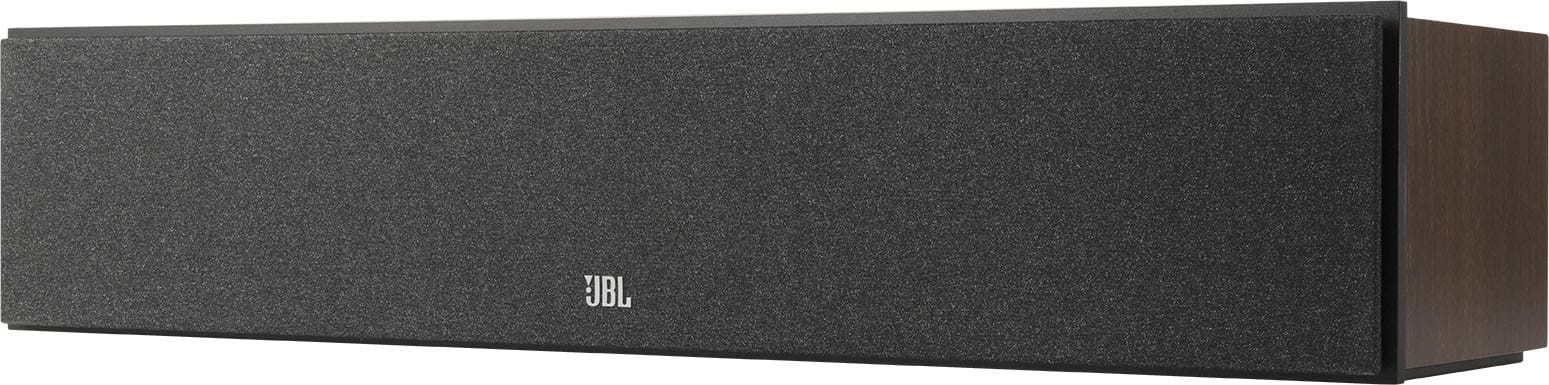
JBL - Stage2 245C 2.5-Way Quad 4.5-inch (114mm) Center Channel Loudspeaker - Each - Espresso
$349.95The price was $439.95
JBL - Stage2 240B 2-Way 4.5-inch (114mm) Bookshelf Loudspeaker - Pair - Espresso
$259.95The price was $329.95
JBL - Stage2 240H 4.5-inch (114mm) 150W 2-Way Dolby Atmos Height Surround Sound Loudspeaker- Pair - Espresso
$259.95The price was $329.95
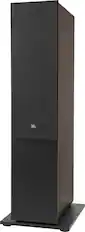
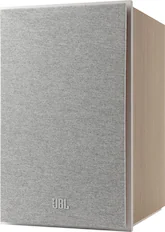
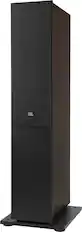
Subwoofers
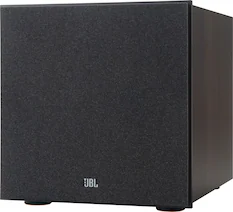
JBL - Stage 200P 10-Inch Powered Subwoofer - Espresso
$439.95The price was $549.95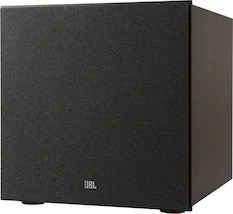
JBL - Stage 220P 12-Inch Powered Subwoofer - Espresso
$529.95The price was $659.95
More recommended items
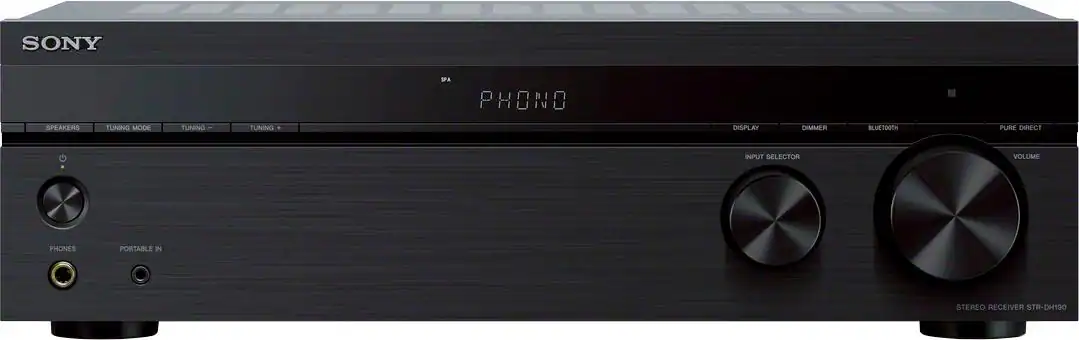 Receivers
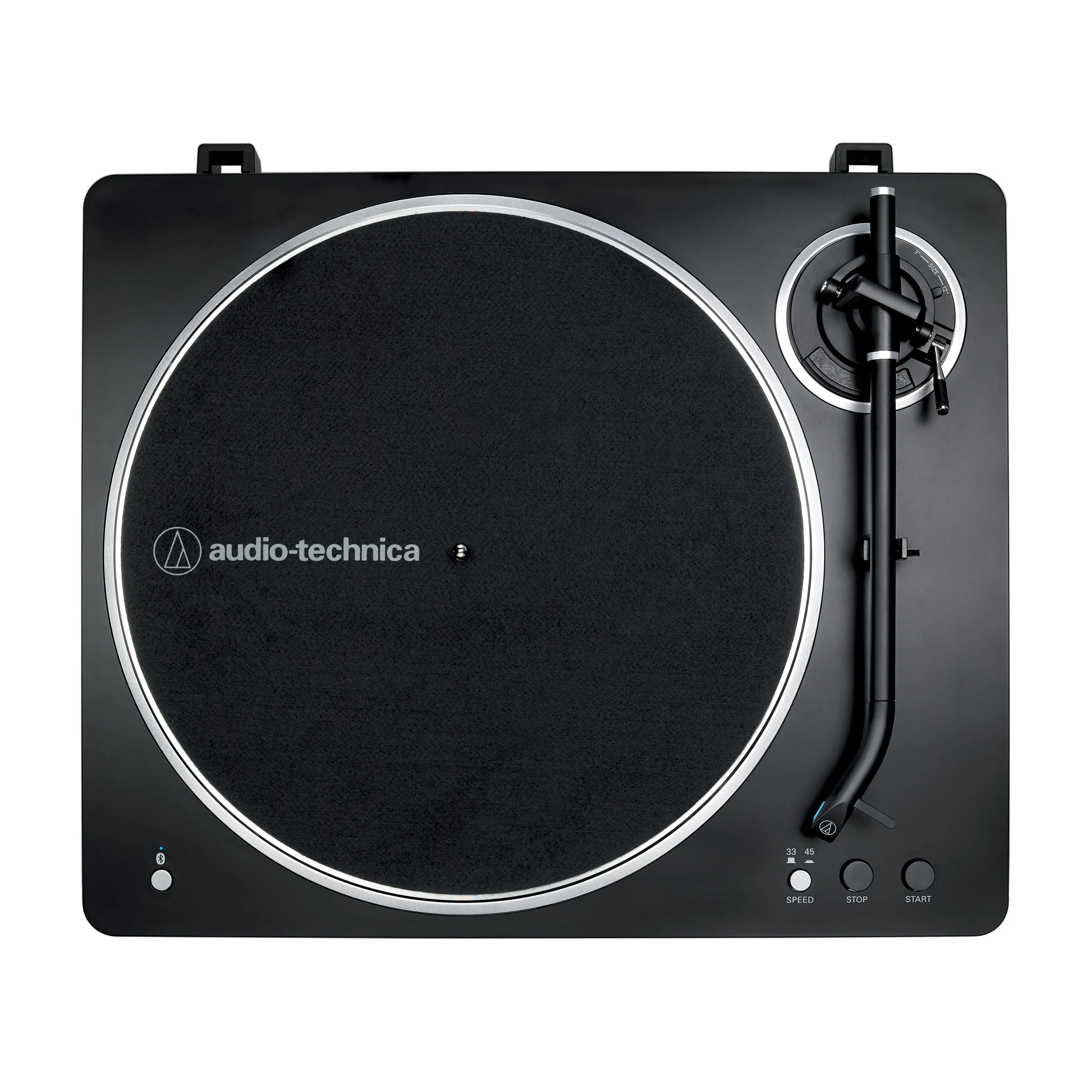 Turntables
More to consider
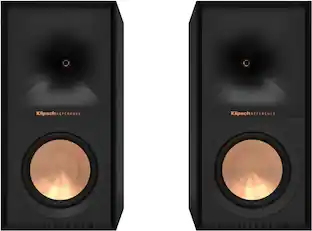 $299.99The price was $424.99
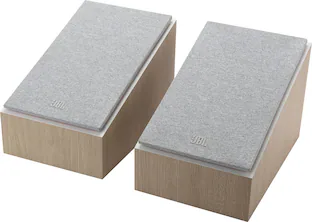 $259.95The price was $329.95
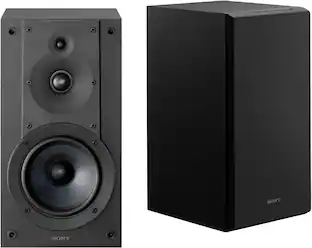 $198.99The price was $279.99
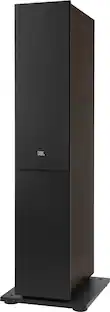 $439.95The price was $549.95
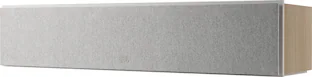 $349.95The price was $439.95
 $449.99The price was $699.99
 $399.99The price was $549.99
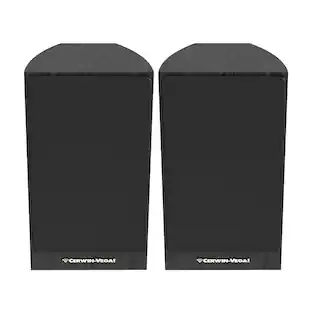
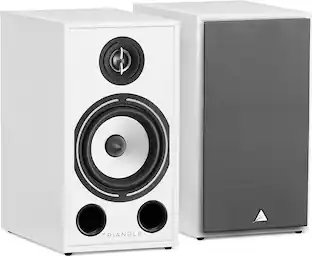
Your sound, your style Sponsored
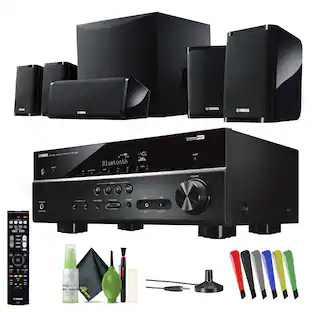 $544.95The price was $559.95
- $299.99The price was $424.99
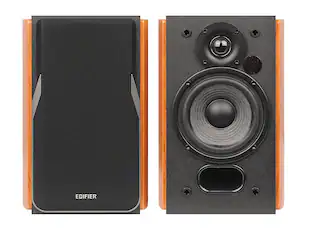 Top Deal$109.99The price was $139.99
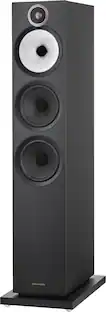 $1,215.99The price was $1,350.00
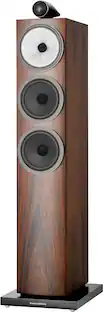
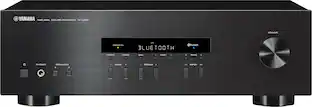
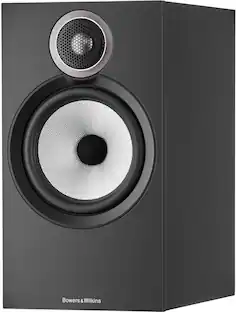
Discover related products
 $28.74The price was $29.99
 $599.00The price was $699.00
 $299.99The price was $499.99
 $84.99The price was $94.95
 $52.99The price was $64.99
 $26.99The price was $48.00
 $29.95The price was $37.23
Keep exploring
 $51.99The price was $63.82
 $48.93The price was $55.03