Customer Ratings & Reviews
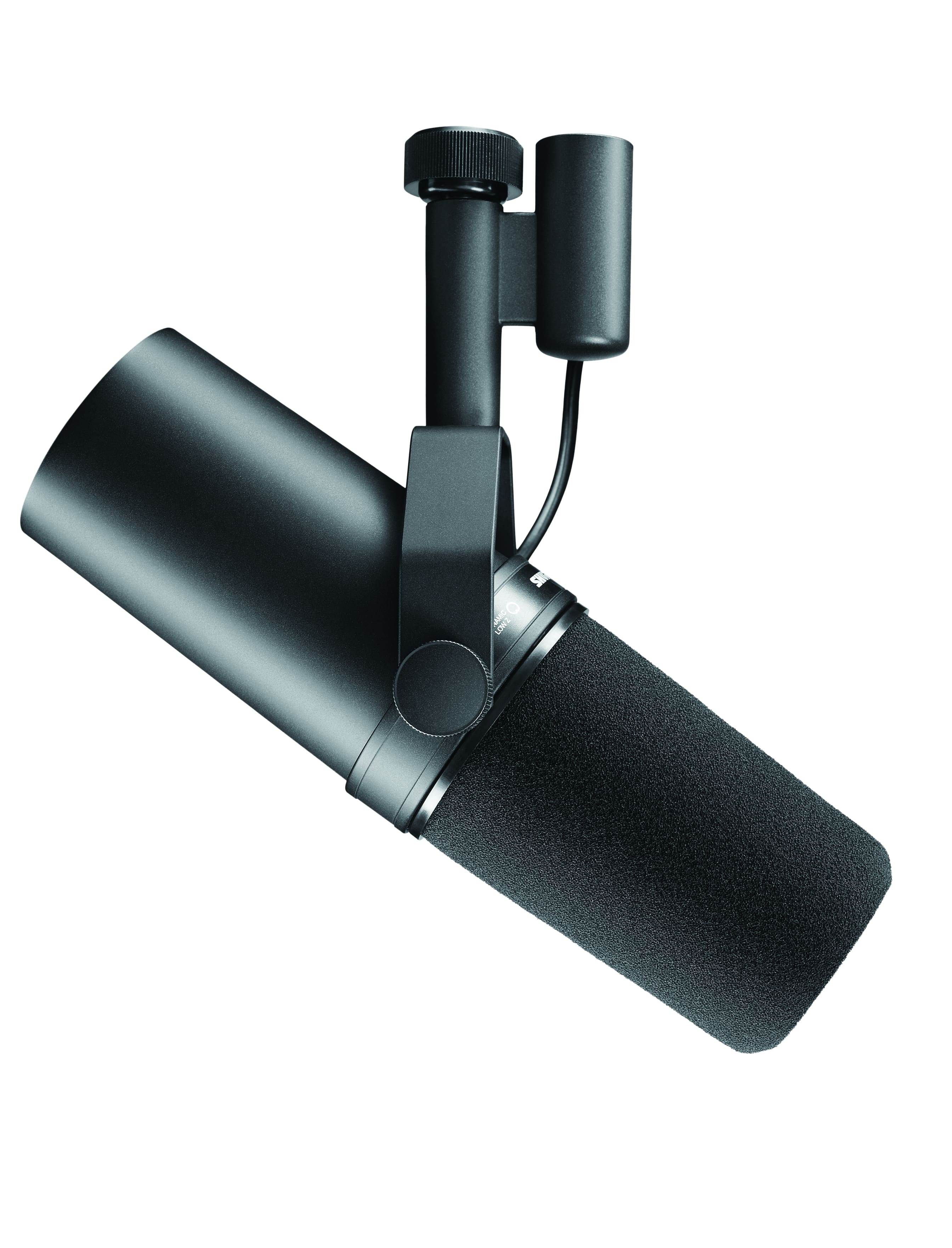

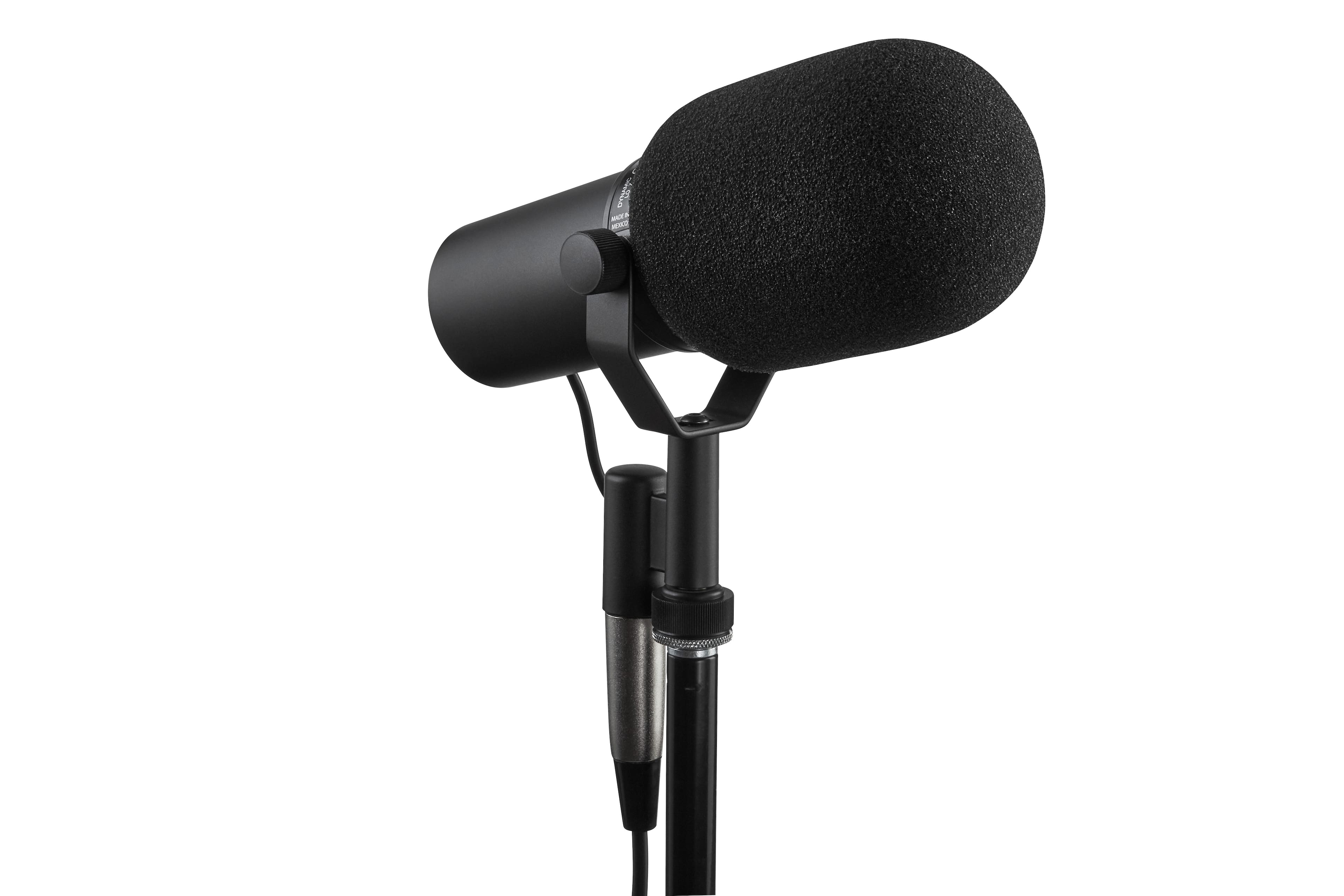
- Model:
- SHU SM7B
- SKU:
- 10129691
Rating by feature
- Value
Rating 4.6 out of 5 stars
- Quality
Rating 5.0 out of 5 stars
- Ease of Use
Rating 4.8 out of 5 stars
Best High Quality XLR Microphone
||Posted .This reviewer received promo considerations or sweepstakes entry for writing a review.The Shure SM7B is the best high quality XLR Mic to have
I would recommend this to a friend
Great xlr microphone
|Posted . Owned for 2 months when reviewed.This reviewer received promo considerations or sweepstakes entry for writing a review.Still one of the best xlr microphones you can get around this price, even after os many years. It's not for everybody, but if you like the deeper sound profile that they give you prob won't even want to change much of the settings.
I would recommend this to a friendVery well known mic for good reason
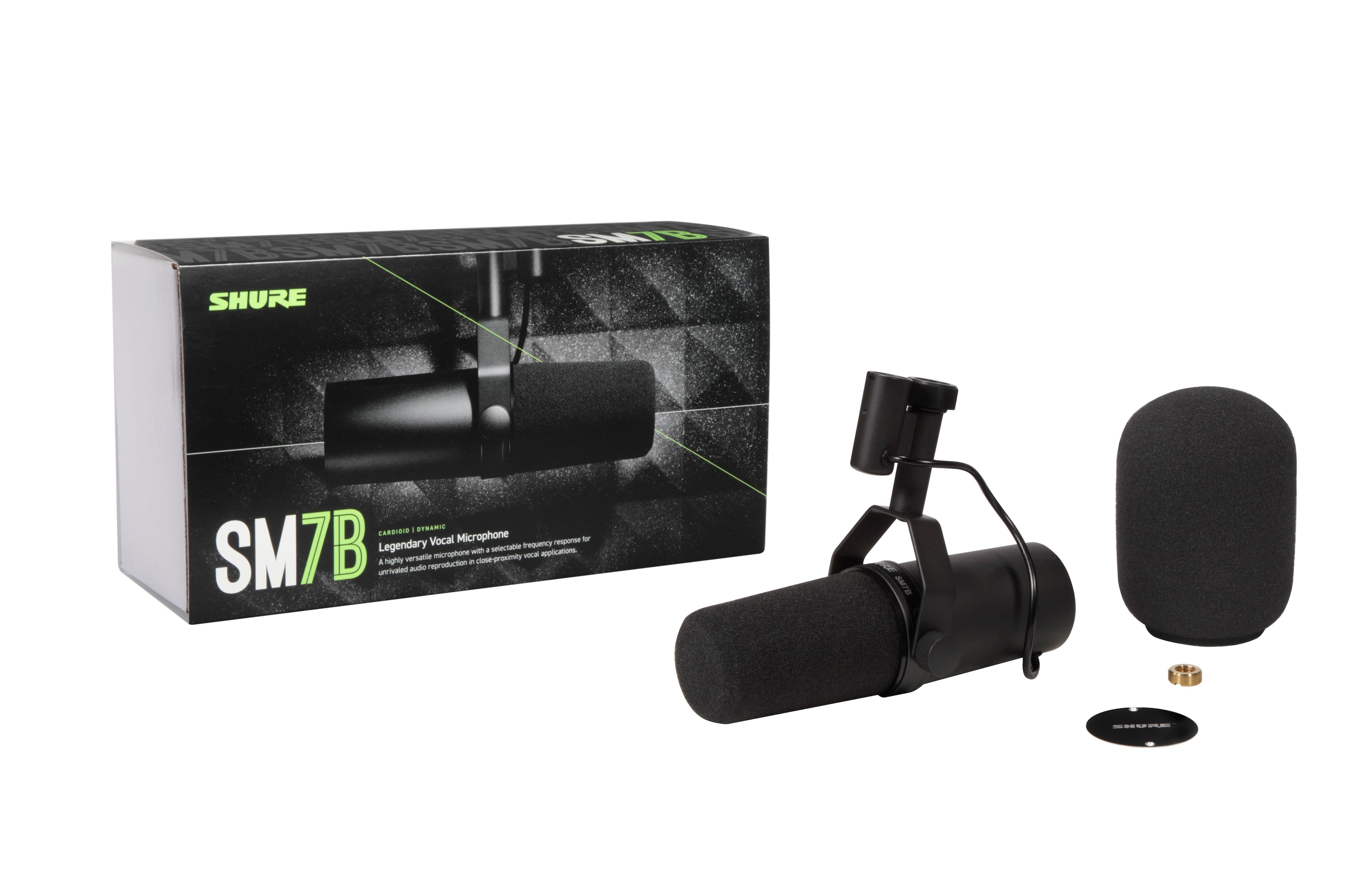
|Posted . Owned for 2 weeks when reviewed.This reviewer received promo considerations or sweepstakes entry for writing a review.Awesome XLR mic, nice switch options, and comes with two windshields. Everyone's heard of this mic and there's a reason for it, it's great.
I would recommend this to a friendNice mic
||Posted . Owned for 3 weeks when reviewed.This reviewer received promo considerations or sweepstakes entry for writing a review.It is a nice mic WITH the right settings. Im using a go xlr mini as my power for the microphone and i have no complaints. It will take a while to set up the mic to how you want it especially for a first time xlr user such as myself.
I would recommend this to a friendLike it, but at what cost?
|Posted . Owned for 2 weeks when reviewed.This reviewer received promo considerations or sweepstakes entry for writing a review.I cane frim a Hyper X Quadcast S with tweaked filters. After buying this 450$ mic and an extra $200+ on the cloudlifter, xlr cables, and audio interface. I sound the same but just more louder. Might need to look into tweaking it more to maximize the quality, but maybe my voice just wasnt made for this dynamic mic to do it any justice.
I would recommend this to a friend
One of the best dynamic mics out there
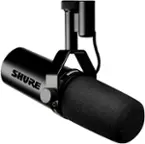
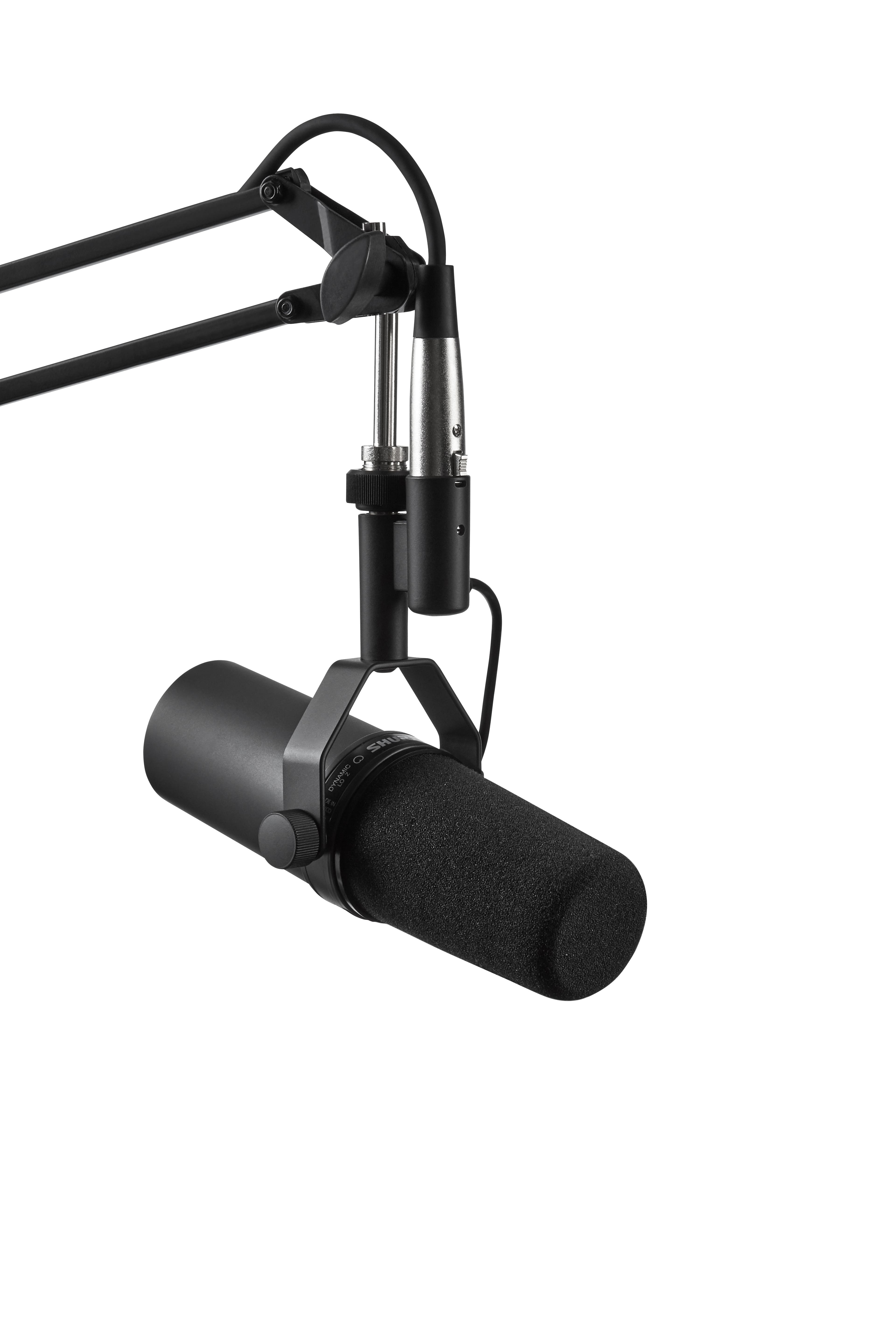
|Posted .This reviewer received promo considerations or sweepstakes entry for writing a review.The Shure SM7B is pretty much a known commodity, and for good reason. Unboxing the mic is a lovely, albeit standard, experience. You’re greeted with the mic and not much else. To get the SM7B up and running you’ll need a mic stand or arm, an audio interface, and XLR cables. Nicely, you don’t need a phantom power source to use it. Once you’re set-up, there are a couple of things to note, feature use, of the mic. First is that you have on-board frequency response filters, which are good to correct certain audio issues right on the mic itself during recording. The SM7B is perfect for those looking for correct vocal reproduction without having to do much post-processing at the end of a session. The vocals produced are clear, crisp, and have just the right amount of bass attached. It’s a very neutral sound stage, which is what most vocalists and podcasters alike are striving for. The mic also does an excellent job of minimizing room noise, specifically if the room is already audio-treated, to begin with. Speaking of filtering noise, the included pop filter is a great one, and a nice touch for a premium mic. The reality is, that the SM7B is a fantastic studio mic. I don’t view it as the perfect companion to take with you to various gigs, but having a permanent spot in your recording arsenal or setup would be welcome. The only two drawbacks of this mic are the cost, and that it weighs a bit more than your standard dynamic mic would weigh. The reality is, this mic is geared towards heavy, semi-professional, and up, use. Plus, there isn’t any other way to record audio other than through XLR outputs. So, if you don’t fall into this category of users there’s probably a better microphone out there for you, that will present better value. But, if you crave the sound fidelity and build quality of something like the Shure SM7B, there’s not much else around to recommend that will be this great of the mic in this price range.
I would recommend this to a friendSlight static at higher levels
||Posted .This reviewer received promo considerations or sweepstakes entry for writing a review.There was a slight static with the mic at higher levels. Think I got a dud. Otherwise it's really awesome.
I would recommend this to a friendIts amazing
||Posted . Owned for 2 months when reviewed.This reviewer received promo considerations or sweepstakes entry for writing a review.Makes you sound so crisp and clean. Price is worth if if its in your feild.
I would recommend this to a friendY
||Posted . Owned for 1 month when reviewed.This reviewer received promo considerations or sweepstakes entry for writing a review.Meets all my expectations was so easy to set up glad i bought it
I would recommend this to a friendShura sm7b review
||Posted . Owned for 1 month when reviewed.This reviewer received promo considerations or sweepstakes entry for writing a review.The microphone has very good quality, I recommend this.
I would recommend this to a friendUsed it for streaming
||Posted . Owned for 1.5 years when reviewed.This reviewer received promo considerations or sweepstakes entry for writing a review.Best mic i bought. Great for streaming for sure!!!
I would recommend this to a friendSM7B
||Posted . Owned for less than 1 week when reviewed.This reviewer received promo considerations or sweepstakes entry for writing a review.Has a scratch on it... but I'm about to test it out!
I would recommend this to a friendThe best mic
||Posted . Owned for 3 weeks when reviewed.This reviewer received promo considerations or sweepstakes entry for writing a review.This is a good mic if you plan i not getting a mic for a long time get this one.
I would recommend this to a friendMost Used for a Reason
||Posted . Owned for 1 month when reviewed.This reviewer received promo considerations or sweepstakes entry for writing a review.A great mic that really adds a professional sound to your videos, Zoom conferences or phone calls. Remember, you only get the mic in the box, so pickup some XLR cables, a mic stand or arm and a Cloudlifter (or similar). Great purchase
I would recommend this to a friendFantastic sound
||Posted . Owned for 1 week when reviewed.This reviewer received promo considerations or sweepstakes entry for writing a review.You can set this up with software to help change the sound, but if you just run it off the min software it sounds just fine using it for streaming
I would recommend this to a friendDynamic, versatile, reliable microphone
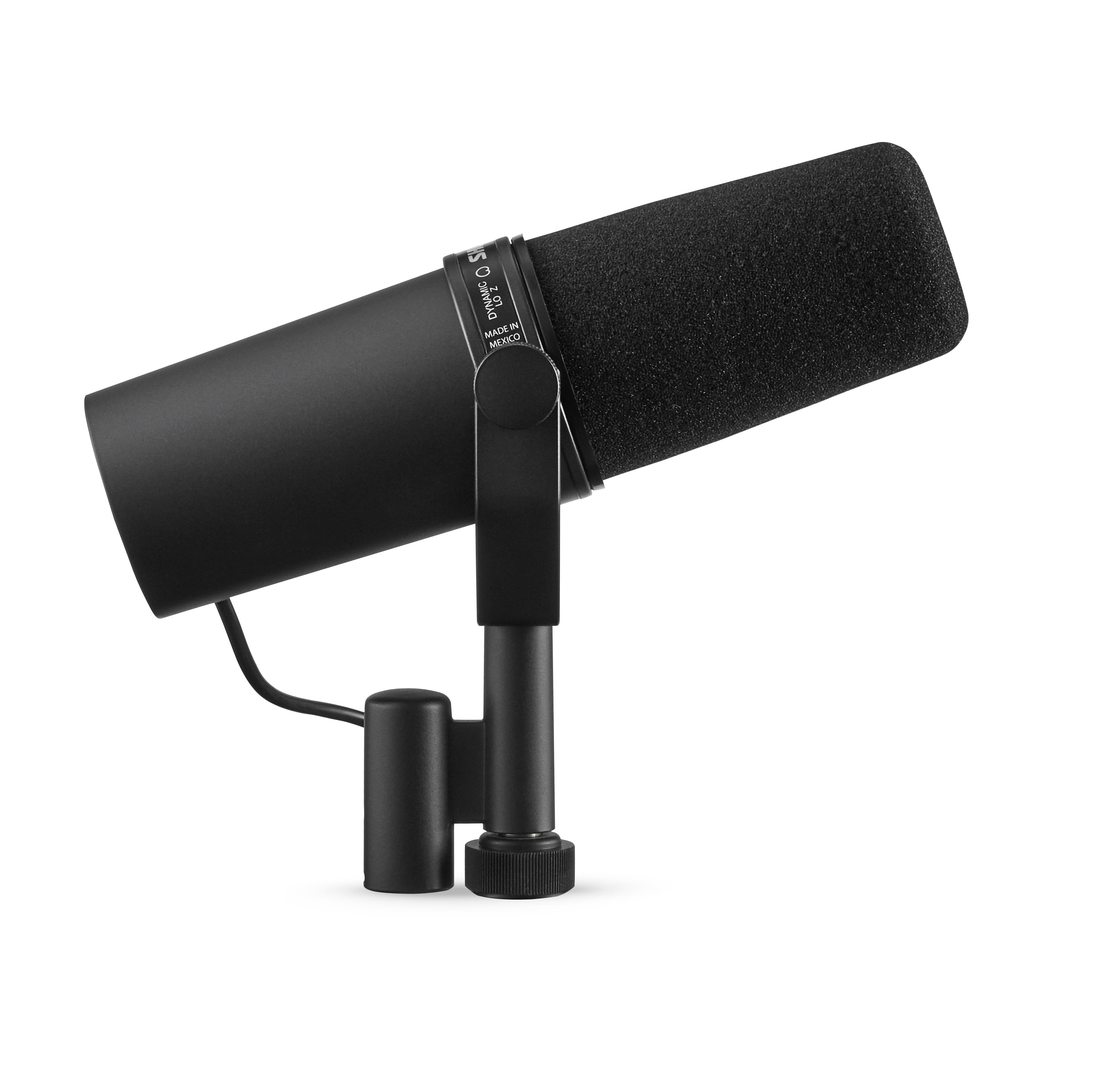
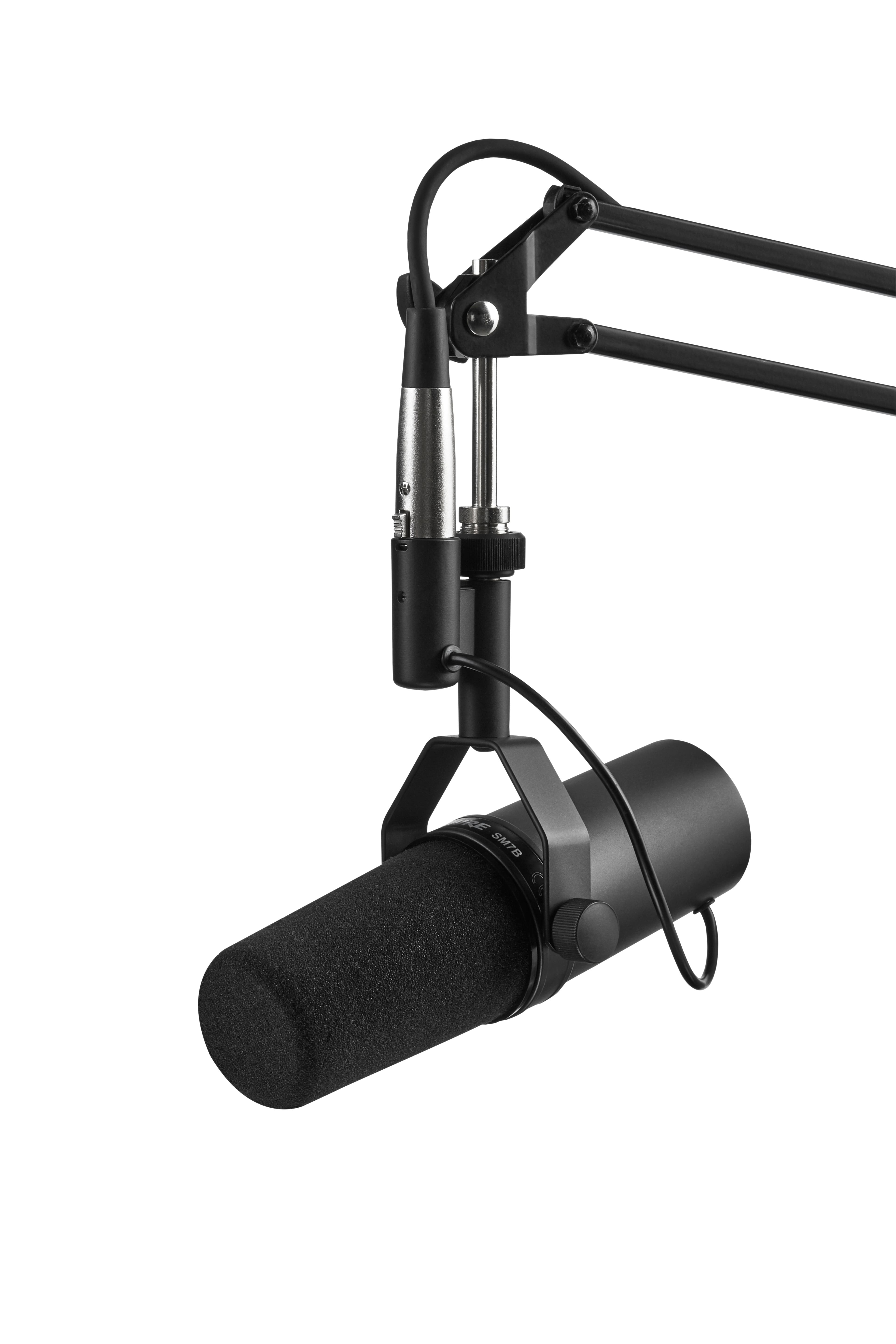
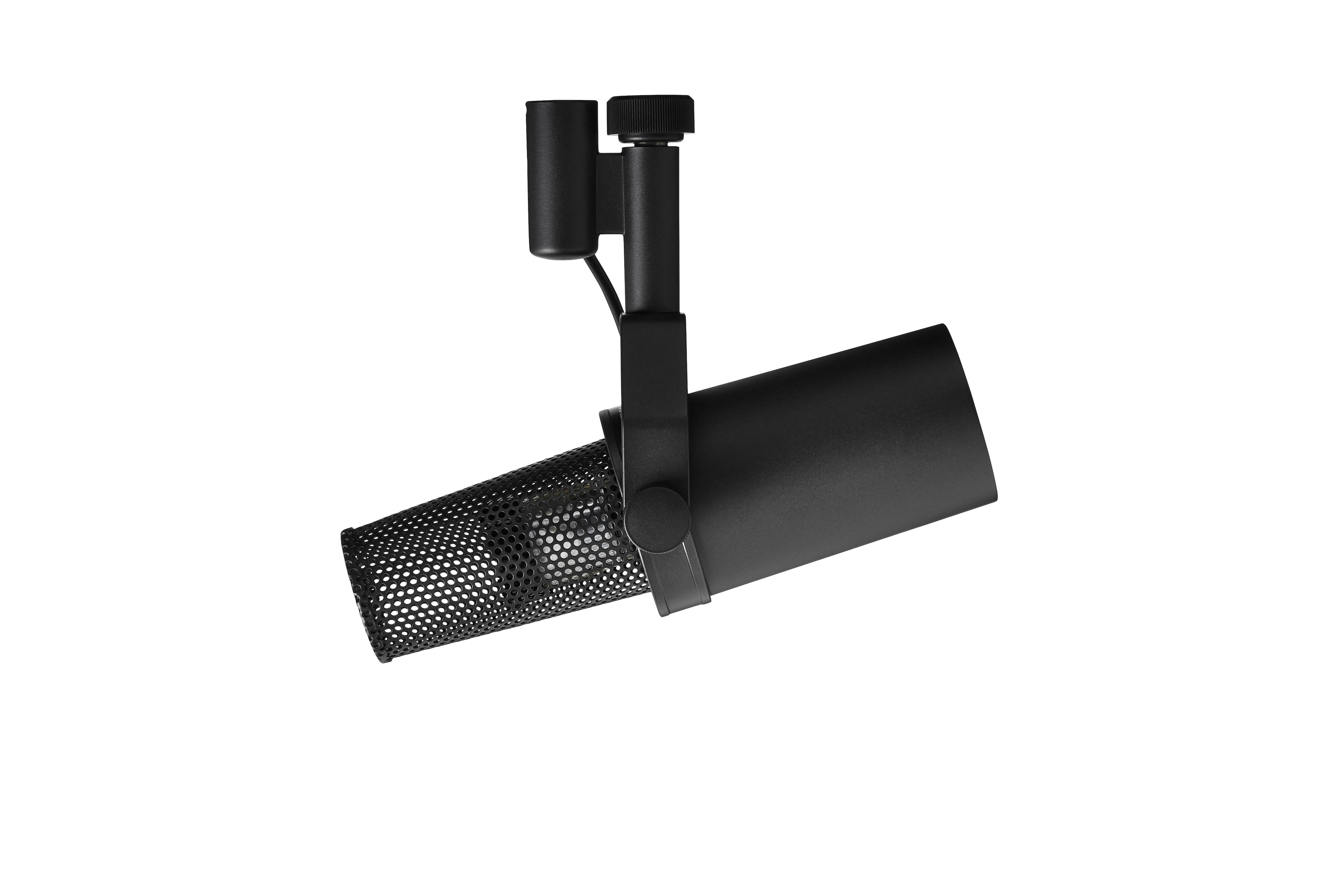
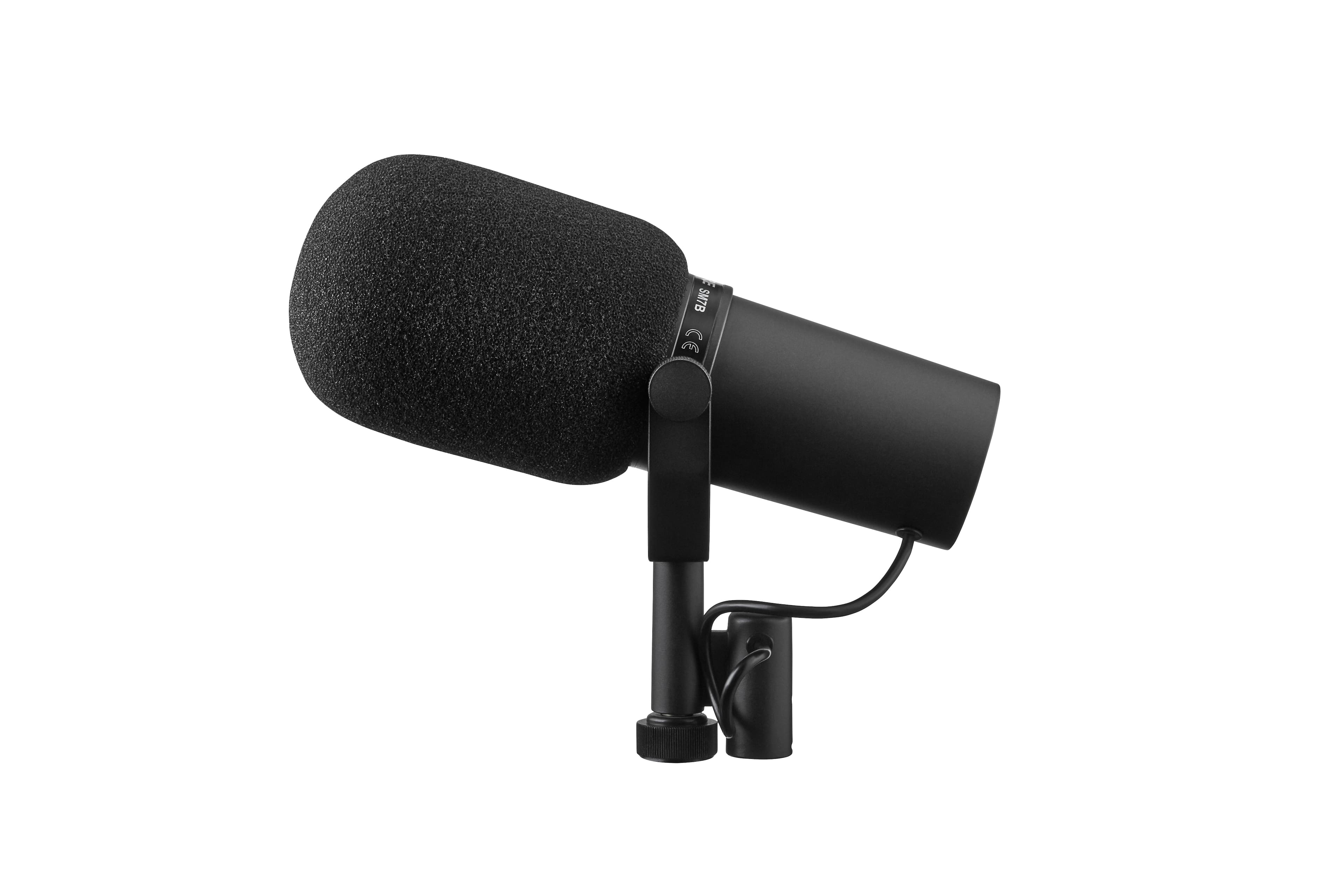
|Posted .This reviewer received promo considerations or sweepstakes entry for writing a review.The Shure brand is synonymous with quality microphones, and with the SM7B comes the top-notch build as well as the dynamic range appropriate for multiple applications. Its versatility, craftmanship, and overall reliability make the Shure SM7B a must-own for serious recording. Out of the box you'll notice the mic comes with only a few accessories (cover plate, large foam windscreen, thread adapter) and no XLR cable. You should be familiar with your own audio applications and interfaces to use this mic, as it is no joke. It is pretty weighty and should be mounted on a good microphone stand or hung firmly from a boom. The swiveling bracket adjusts easily for precise positioning. The SM7B feels great, slim and smooth, and its construction feels reliable and sturdy, though I personally limited my usage to studio and workspace recording. In my testing, the SM7B sounds amazing. It has just a very clean output for my instruments and vocals alike. It performs exceptionally well in my small, soundproofed studio affixed with foam wall fixtures. But I was more impressed with the sound quality in a non-optimal, unfixed bedroom environment. The flat, wide-range frequency response is unmatched; there is zero feedback and no static interference whatsoever, even around several operating laptops, two external monitors, and numerous electronic devices. The included windscreen makes up-close vocals and whispers move without the pops and crackles of lesser microphones. Bottom line, this is the microphone that provides the professional performance you need to be taken seriously in any recording environment. Shure's SM7B is everything you need in a dynamic microphone, with its rugged build, versatile application, and unparalleled quality. The brand you should trust with your recording needs did it again, and it isn't a surprise. This is the mic you want to have. Full disclosure, I received this product for my honest, unbiased review.
I would recommend this to a friendMicrophone
||Posted .This reviewer received promo considerations or sweepstakes entry for writing a review.This microphone is ideal for streaming. Best buy had the cheapest price out there.
I would recommend this to a friendAmazing sound and solid build quality.
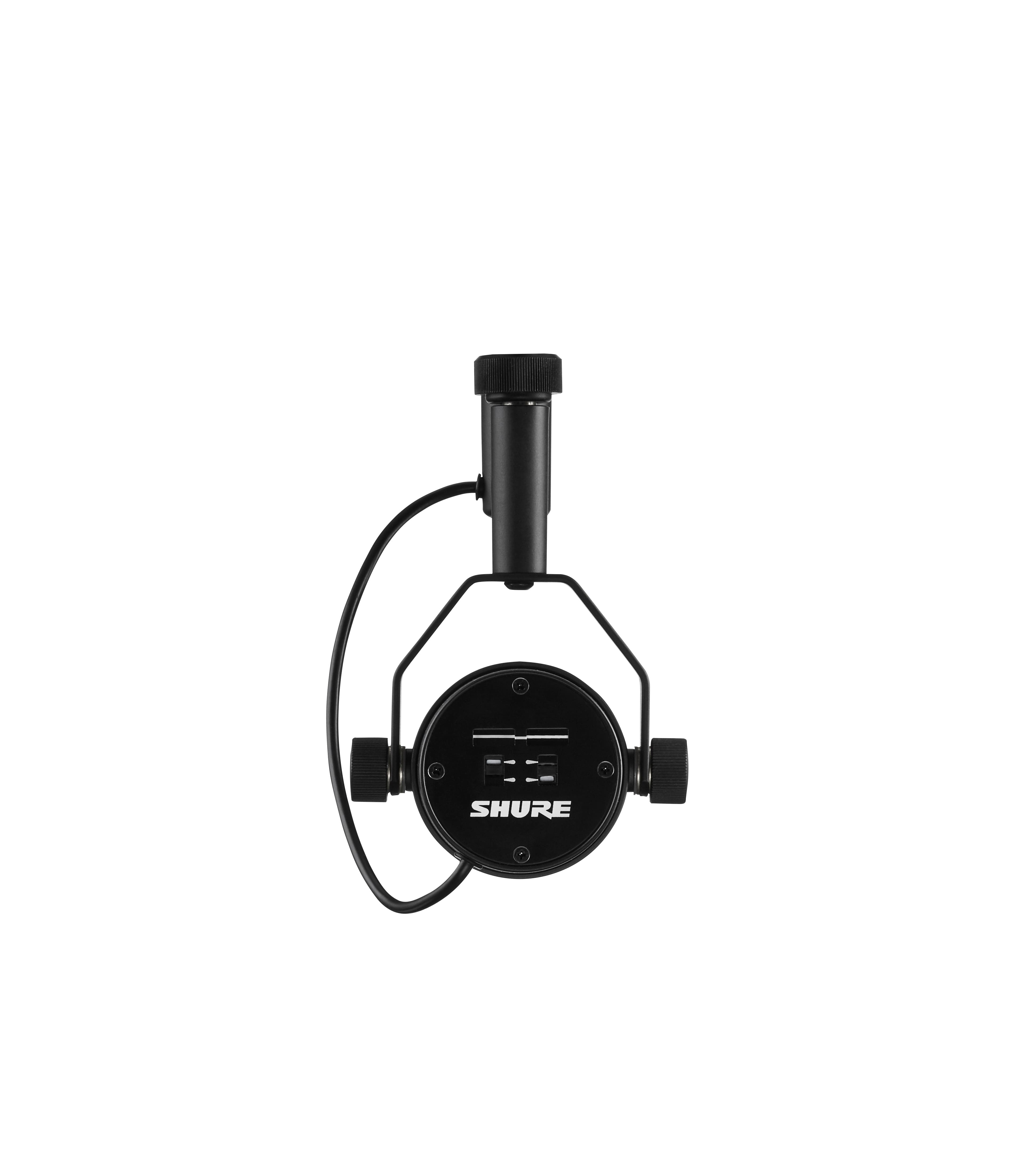
|Posted .This reviewer received promo considerations or sweepstakes entry for writing a review.Let's start with the biggest disclaimer, if you don't have the right supporting hardware for this mic it's probably not going to sound as good as it should. Being a Dynamic mic it does require a bit of gain to get a decent volume out of the mic and if your supporting audio hardware can't supply enough or adds noise at higher gain levels then you might want to consider a different mic. Now for the good stuff, just as a reference point I am using this mic with a GoXLR Audio interface. With the gain set to ~60 this mic sounds amazing. Nice even sound across both quite and loud environments and even with my equalizer set to flat the sound from this mic was still really good. The build quality is something else with this thing, nice solid housing and they even include and adapter so you can attach the mount to just about anything that has a standard fitting large or small. They also included a much beefier pop/wind filter in the box that you can swap out for the standard one although even the standard one is pretty good. Even better they include a solid cover you can screw on to the bottom of the mic to cover the adjustment tabs. Overall if your looking for clean simple audio and you already have good backend audio hardware this mic is a no brainer. I guess there is a reason they have become the industry standard when it comes to speech based mics for things like podcast and radio.
I would recommend this to a friendPricey for just a mic
||Posted . Owned for less than 1 week when reviewed.This reviewer received promo considerations or sweepstakes entry for writing a review.All you get is a mic. No stand, no wires to attach. Not sure how im gonna set this up
No, I would not recommend this to a friendThe Ultimate Choice!
|Posted .This reviewer received promo considerations or sweepstakes entry for writing a review.I am mainly involved with podcasting and vlogging. There was a time in my journey when I believed that software was the answer to low-quality microphones. But as I progressed, I came to realize that the end product is always, and I do mean ALWAYS, only as good as the equipment that is used. The Shure S7B Cardioid Dynamic Vocal Mic is the next step in my progression to making sure I am outfitted with the absolute best recording equipment available. To test the microphone, I decided to use it for a podcast interview I had scheduled, and I decided to use it with the Zoom PodTrak P4. Now I know what you might be thinking...am I giving the SM7B a fair chance using the Zoom? The answer is, "Absolutely!" The Zoom comes with a preamp for each of the mic inputs. This helps to boost the gain. While I used the SM7B, my guest used a different brand microphone. As I listened to the podcast live, using headphones, I did indeed notice a remarkable difference in the difference in quality. The Shure delivered rich, deep, and smooth voice textures that went largely "unnoticed" in the other mic. With the included pop filter pop filter, there was absolutely no noticeable and annoying pop at all on my part. The other mic, even with its own pop filter, still had the noticeable percussion. This particular recording was not done in a studio, so I was a bit concerned about the reverb that the mic might pick up. Surprisingly, very little showed up at all. The included filters are that good, and the Shure engineers paid attention to this aspect of the mic. After I got home, I decided to try it outside to record audio for a meditation video. I used only the windscreen. Again, I was amazed by the clarity of the audio. I could hear sounds in the distance as well as close up sounds of the birds, wind rustling through the trees, and the running brook. The were all sharp and clear, and none of the sound overpowered at all. The last test was to use the SM7B for recording song vocals. Now I absolutely cannot sing, at least not in any way that anyone would want to hear, including myself. I didn't go through all the trouble of hooking everything up to record a soundtrack and all that. I simply played the music using my stereo, and the only direct input was from the mic. This actually served a good purpose, even though I didn't know it at the time. This microphone uses a rather sophisticated cardioid pattern to keep unwanted background noises to a minimum, while at the same time allowing clear input from the vocalist. I do not claim to fully understand this technology, but all I know is that it worked wonderfully! My singing vocals were impeccably clear and sharp, and picked up all the nuances of my voice. This was regrettable as it only reaffirmed my suspicions that I really can't sing. I suppose I could bore you with rehashing all the technical aspects of the Shure SM7B, but I just want to share my pure joy and satisfaction with its performance. I love its crispness and clarity, and I love the way it picks up all the features of the voice that are needed to produce a superior vocal recording, whether it be for podcasting, singing, or whatever. If you are looking for the ultimate choice in top-performing microphones, this is the one. I would highly recommend it to anyone who, like myself, is ready to jump up several levels to a whole new world of recording!
I would recommend this to a friend