Audio Crossovers
-
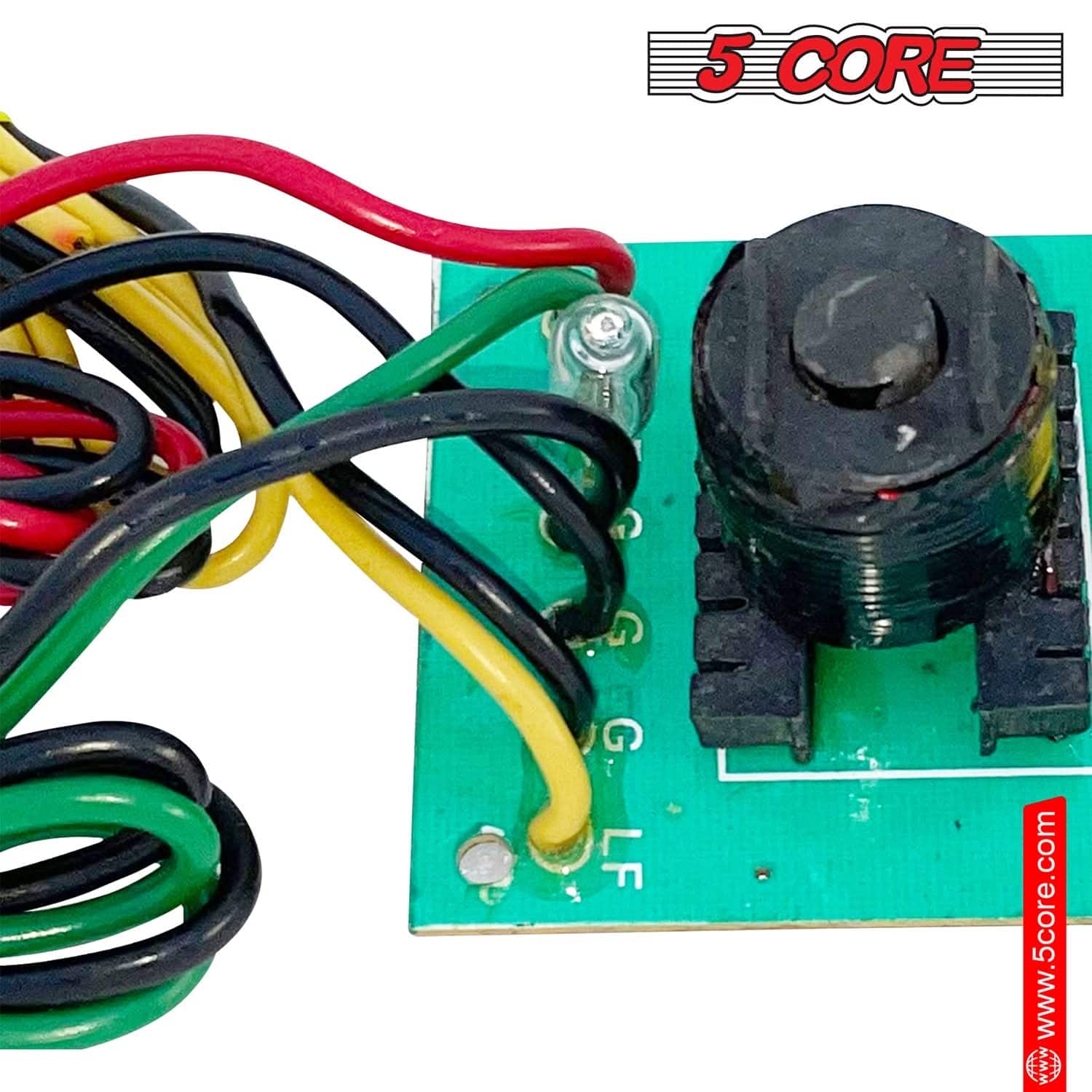
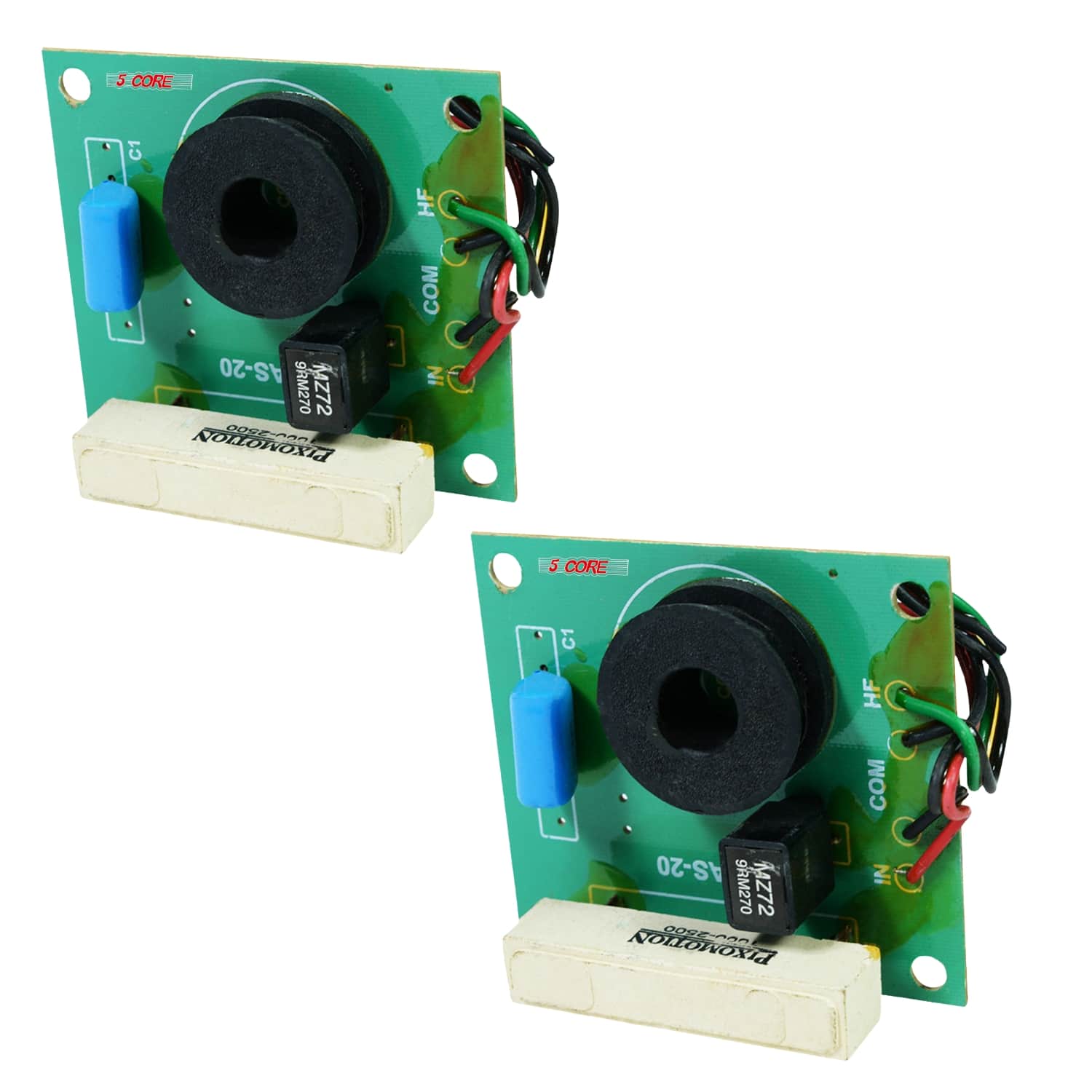
5 CORE - 5Core Professional 2 Way Passive Crossover Network High Performance & Low Resistance Air Core Coil - Green
SKU: J3GTFZWTY3See all Speaker & Subwoofer Accessories & Installation PartsProduct Description
A high-performance green crossover network with low-resistance air core coils for optimal audio frequency separation.Your price for this item is $9.69 -
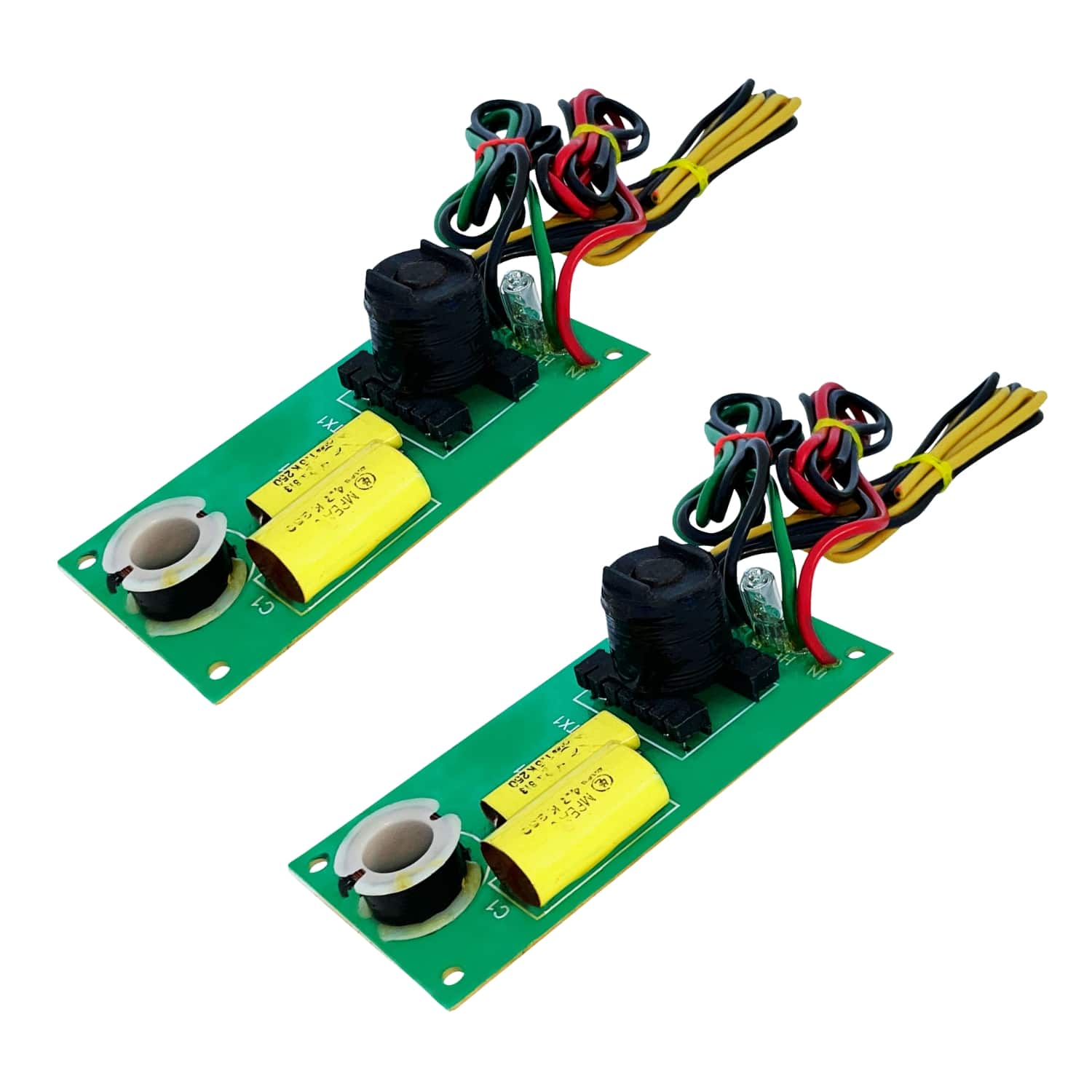
5 CORE - 5Core Professional 2 Way Passive Crossover Network High Performance & Low Resistance Air Core Coil - Green
SKU: J3GWRS3GJFSee all Speaker & Subwoofer Accessories & Installation PartsProduct Description
A green 2-way passive crossover network with air core coils delivers clear, balanced audio and overload protection.Your price for this item is $10.10Save $0The previous price was $10.91 -
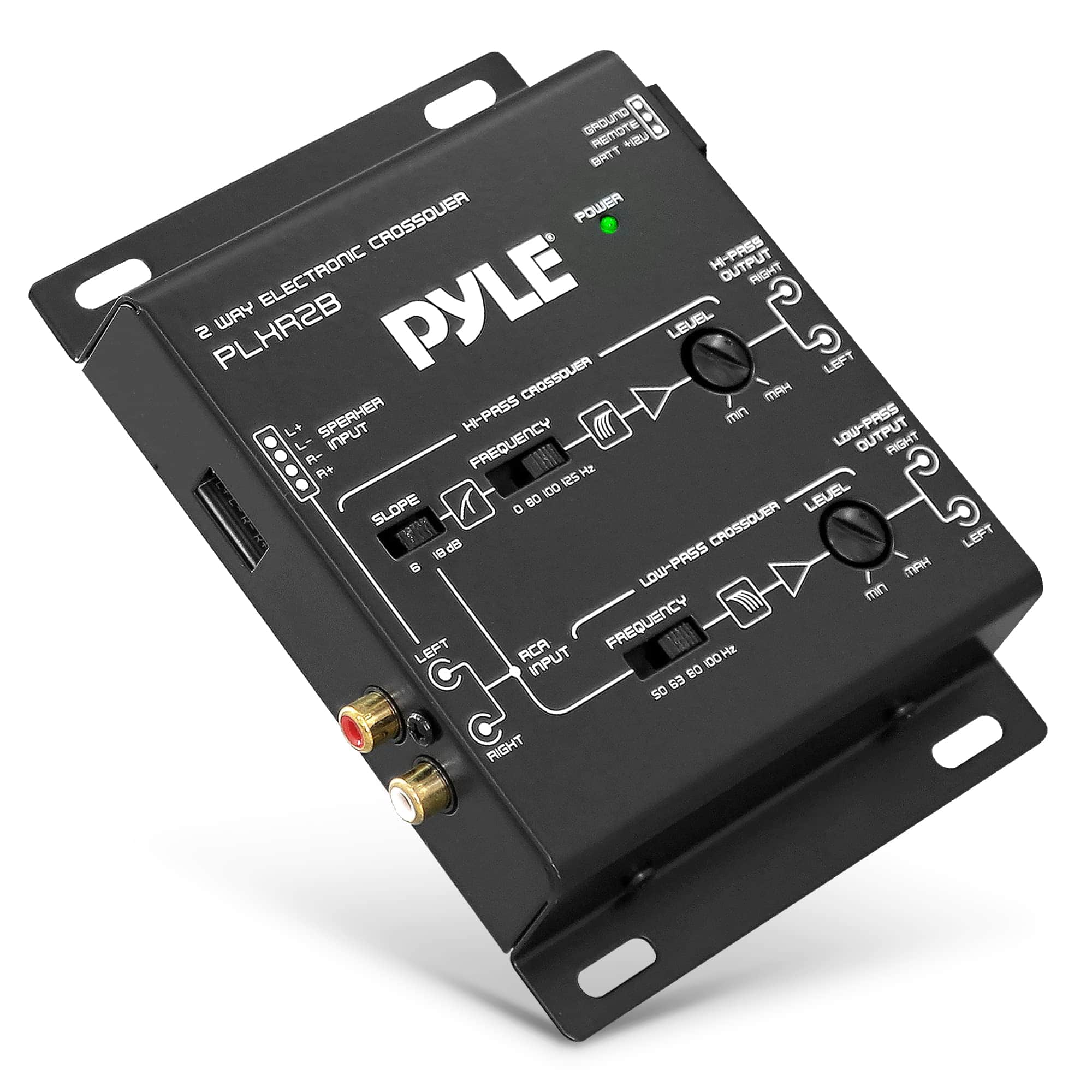
Pyle - PLXR2B 2-Way Electronic Car Audio Crossover Network, Hi-Pass/Low-Pass, 4 RCA Outputs
SKU: J36C98S37VSee all Car AmplifiersProduct Description
A two-way electronic crossover with hi-pass/low-pass filtering, 6dB/18dB slopes, four RCA outputs, and subwoofer control.Your price for this item is $48.99 -
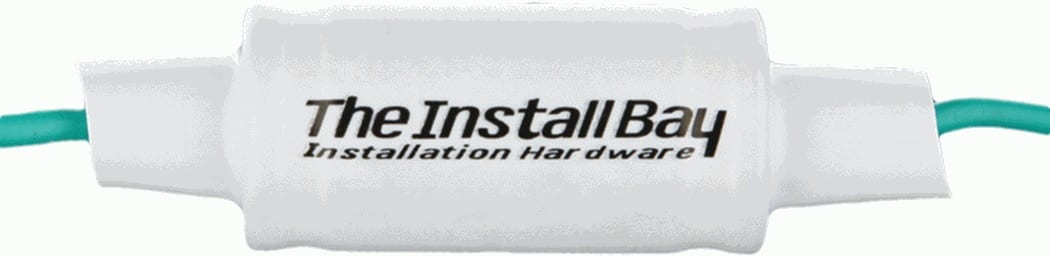
Metra - Install Bay Crossover Capacitor for 4'' Speakers (2-Pack) - White
SKU: J7RX7LV5KKSee all Speaker & Subwoofer Accessories & Installation PartsProduct Description
A pair of white crossover capacitors that block low frequencies to enhance speaker clarity and performance.Your price for this item is $9.99 -
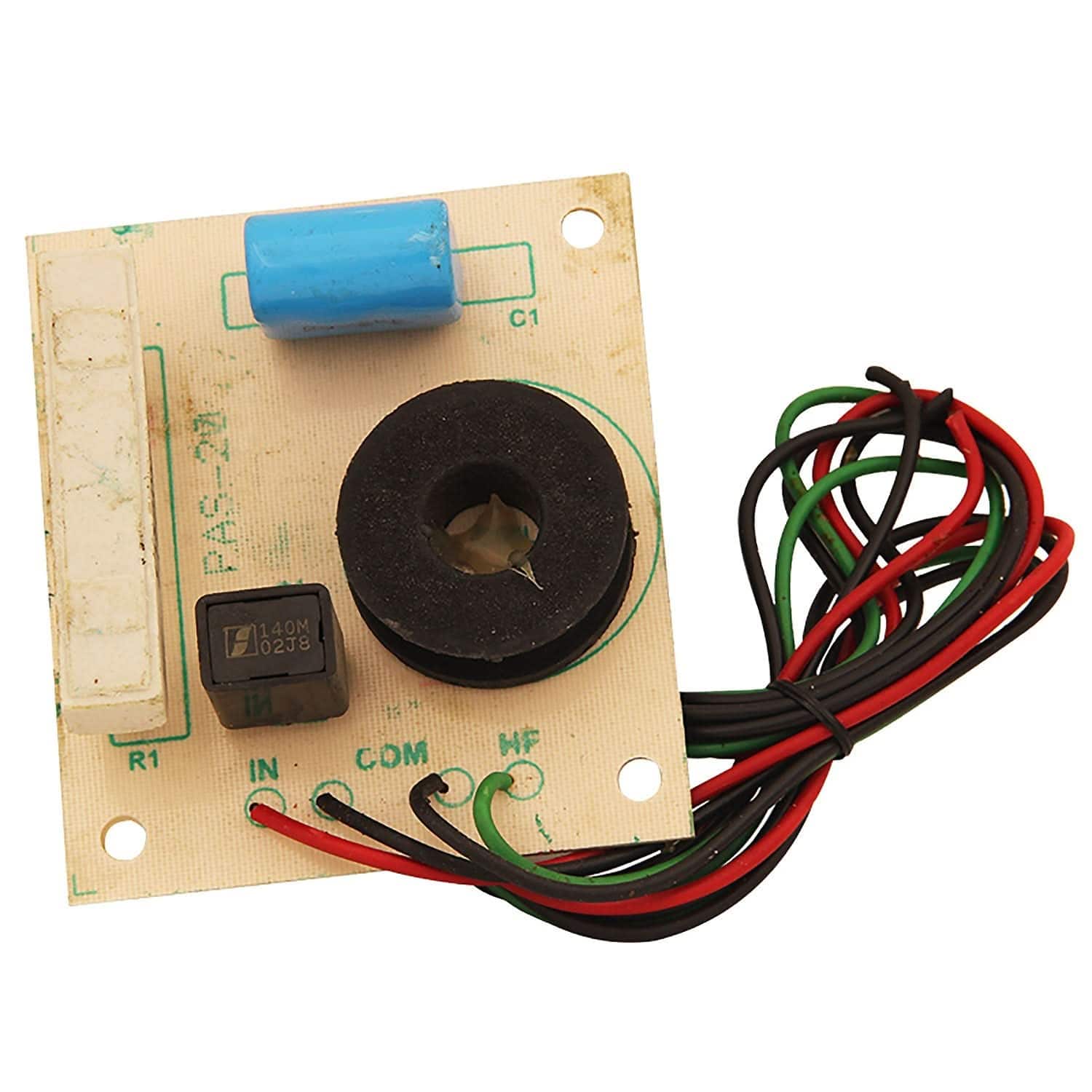
5 CORE - 1 Way Passive Cross Over Network Frequency Divider Metalised Polyester Capacitors - Off White
SKU: J3GWLWVRGTSee all Speaker & Subwoofer Accessories & Installation PartsProduct Description
An off-white passive crossover network with metalized polyester capacitors delivers precise, clear audio performance.Your price for this item is $8.72 -
5 CORE - 1 Way Passive Cross Over Network Frequency Divider Metalised Polyester Capacitors - Green
SKU: J3GWRS3GC5See all Speaker & Subwoofer Accessories & Installation PartsProduct Description
A green passive crossover network with metalized polyester capacitors for clear, reliable audio frequency division.Your price for this item is $10.99 -
Metra - Install Bay Universal Crossover Capacitor (2-Pack) - White
SKU: J7RX7L9FYTSee all Speaker & Subwoofer Accessories & Installation PartsProduct Description
A white universal crossover capacitor pair that blocks low frequencies to enhance speaker clarity and power handling.Your price for this item is $5.99 -
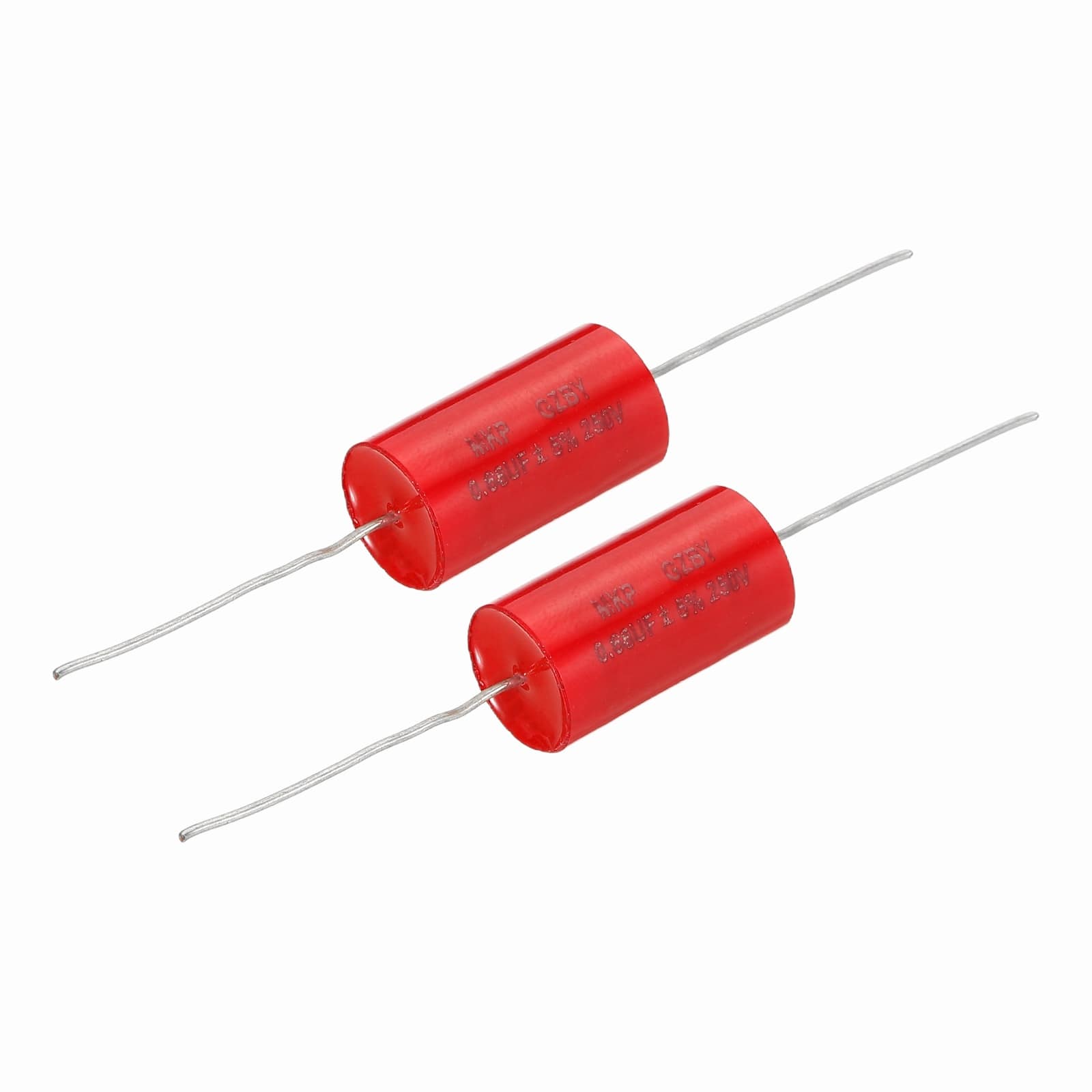
Unique Bargains - 2pcs 0.68uf Frequency Divider Capacitor, 250V Axial Audio Speaker Crossover MKP Film Capacitor - Red
SKU: J2FQHQ99GLSee all Speaker AccessoriesProduct Description
A pair of red MKP film capacitors designed for precise audio signal filtering and crossover networks.Your price for this item is $9.99 -
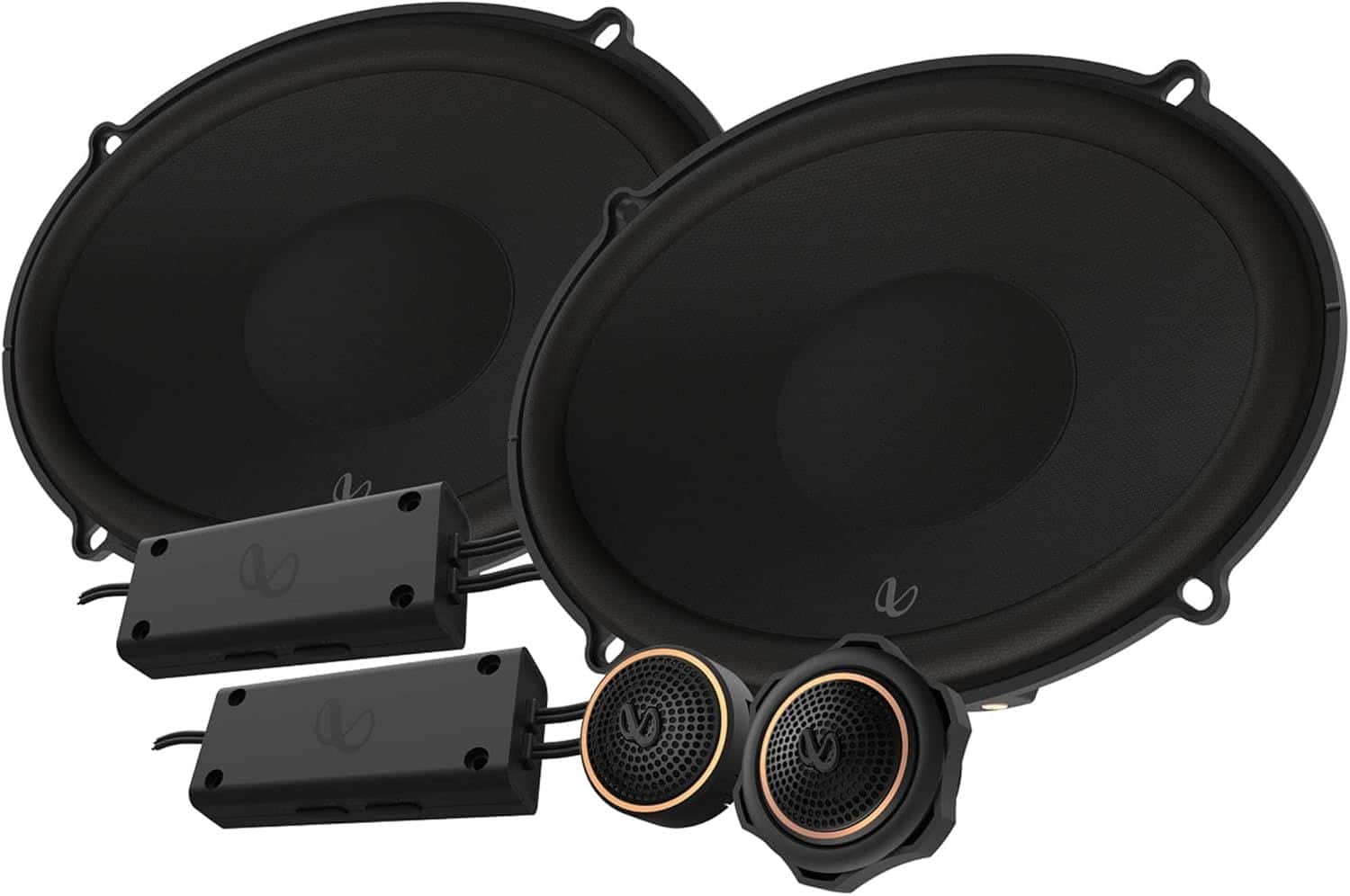
Infinity - KAPPA693C 6” x 9” two-way car audio component system w/gap switchable crossover / No grill - Black
SKU: J7LG6L9GWHSee all Car SpeakersProduct Description
A black two-way car audio component system featuring 6" x 9" speakers and a gap switchable crossover.Your price for this item is $484.95 -
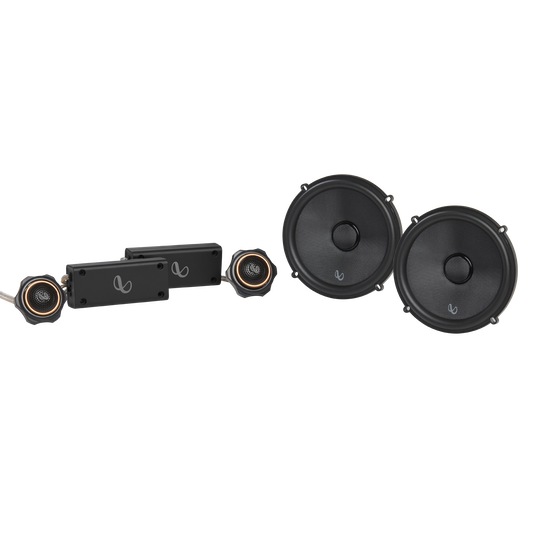
Infinity - KAPPA603CF 6 1/2” two-way car audio component system w/gap switchable crossover / No grill - Black
SKU: J7LG6L92CVSee all Car SpeakersProduct Description
A black two-way car audio component system featuring a gap switchable crossover and no grill.Your price for this item is $449.95
Best Sellers
Related Pages


FAQ
An audio crossover is an electronic device or circuit that splits an audio signal into separate frequency ranges, directing low, mid, and high frequencies to the appropriate speakers or drivers. This helps improve sound clarity and overall audio performance in speaker systems.
There are two main types of audio crossovers: passive and active. Passive crossovers use components like capacitors and inductors and are typically placed between the amplifier and speakers. Active crossovers require power and are placed before the amplifier, offering more precise control over crossover points and slopes.
Using a crossover ensures that each speaker or driver receives only the frequencies it is designed to handle, reducing distortion and preventing damage. This results in cleaner, more accurate sound and prolongs the life of your audio equipment.
Yes, audio crossovers are available for both home and car audio systems. Be sure to choose a model that matches your system’s specifications and intended use for optimal performance.
The ideal crossover frequency depends on your speakers’ capabilities and your overall audio setup. Generally, the crossover should be set near the point where your woofer’s frequency response starts to drop off, often around 80 Hz for subwoofers and 2,000–3,000 Hz for tweeters. Refer to your speaker manufacturer’s recommendations for best results.