New Black Friday DoorbustersBig deals. Two days to get ’em.Shop now

Main Content
Skip to contentGo to Product Search

New Black Friday DoorbustersBig deals. Two days to get ’em.Shop now

Main Content

Top Rated 4-Quart Pressure Cooker

Find the best 4-quart pressure cooker for your everyday meals by comparing cooking functions, controls, and cleaning requirements. As you browse, consider whether this capacity suits your usual portions, and check each model’s dimensions against your available kitchen space.

What to look for in a 4-quart pressure cooker

Choose the best 4-quart pressure cooker for your kitchen by comparing usable capacity, cooking controls, safety features, and cleaning needs.

1. Capacity and Meal Size

A 4-quart capacity describes the pot’s total volume, not how much food you can safely pressure cook at once. Consider your usual recipe sizes and follow the manufacturer’s fill limits, including lower limits for foods that expand or foam.

2. Cooking Type and Controls

Decide whether you prefer an electric pressure cooker with built-in controls or a stovetop model that uses your cooktop’s heat. Compare pressure settings, timing controls, and cooking functions, and check cooktop compatibility if choosing a stovetop model.

3. Safety Features

Look for a secure lid-locking system, pressure indicators, and protection against excess pressure. Review how steam is released and whether the controls let you keep your hands away from escaping steam.

4. Cleaning and Maintenance

Check how easily you can clean the cooking pot, lid, sealing ring, and pressure-release components. Follow the manufacturer’s cleaning instructions, and consider whether replacement seals and other maintenance parts are readily available.

  1. 1

    About this product

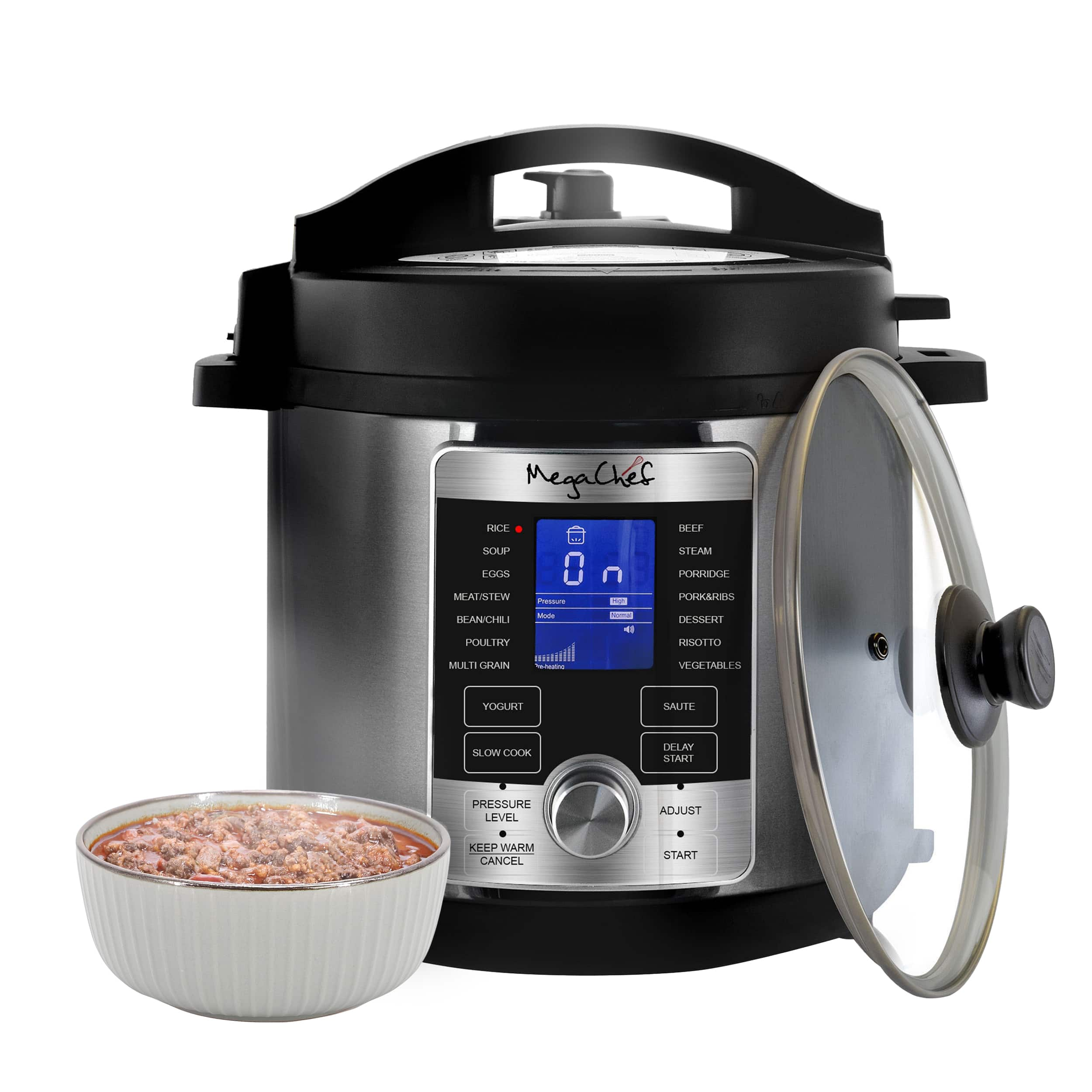
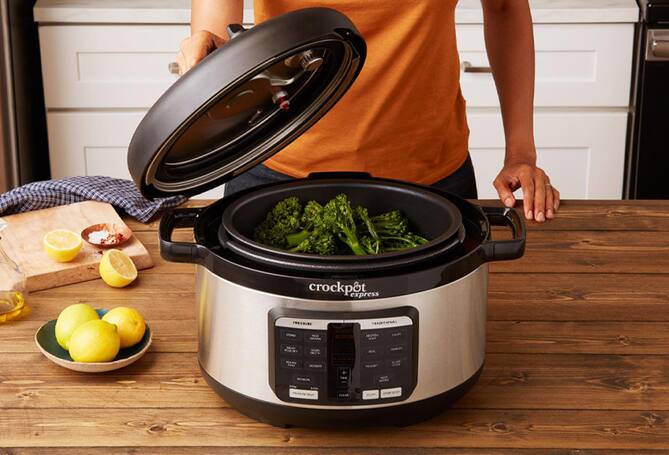
    An aluminum and black pressure cooker with non-stick interior, cool-touch handles, and a heavy-duty locking lid.

    An aluminum and black pressure cooker with non-stick interior, cool-touch handles, and a heavy-duty locking lid.

    What customers like

    • Durable construction
    • Very useful for cooking
    • Long-lasting performance
    (30)
    $89.99 Your price for this item is $89.99
  2. 2

    About this product

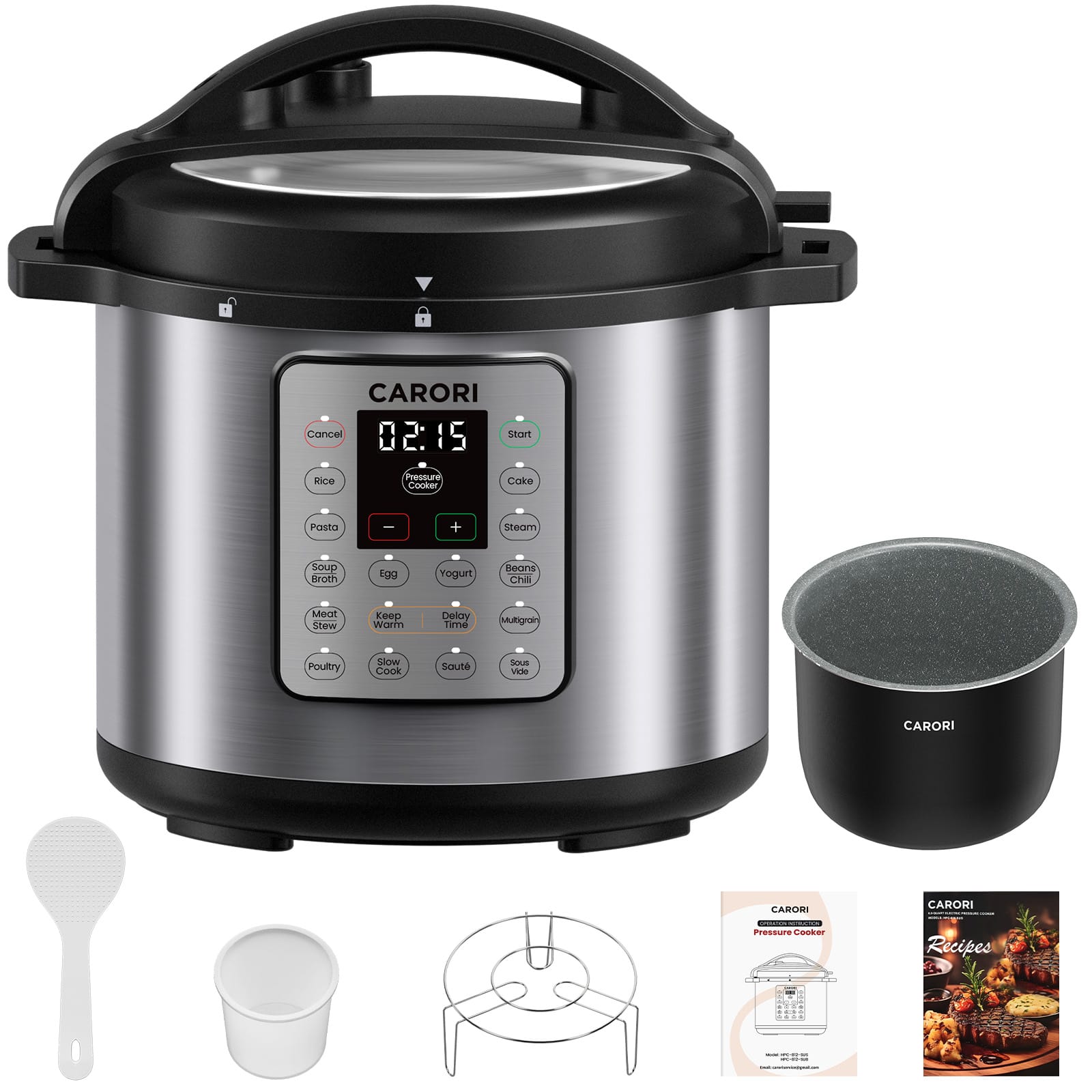
    An aluminum and black pressure cooker with a non-stick interior and safety locking lid for quick, flavorful meals.

    An aluminum and black pressure cooker with a non-stick interior and safety locking lid for quick, flavorful meals.

    What customers like

    • Produces moist and tender results
    • Easy to use
    • Easy to clean
    (30)
    $57.99
    SAVE $0.90
    Your price for this item is $57.99
  3. 3

    About this product

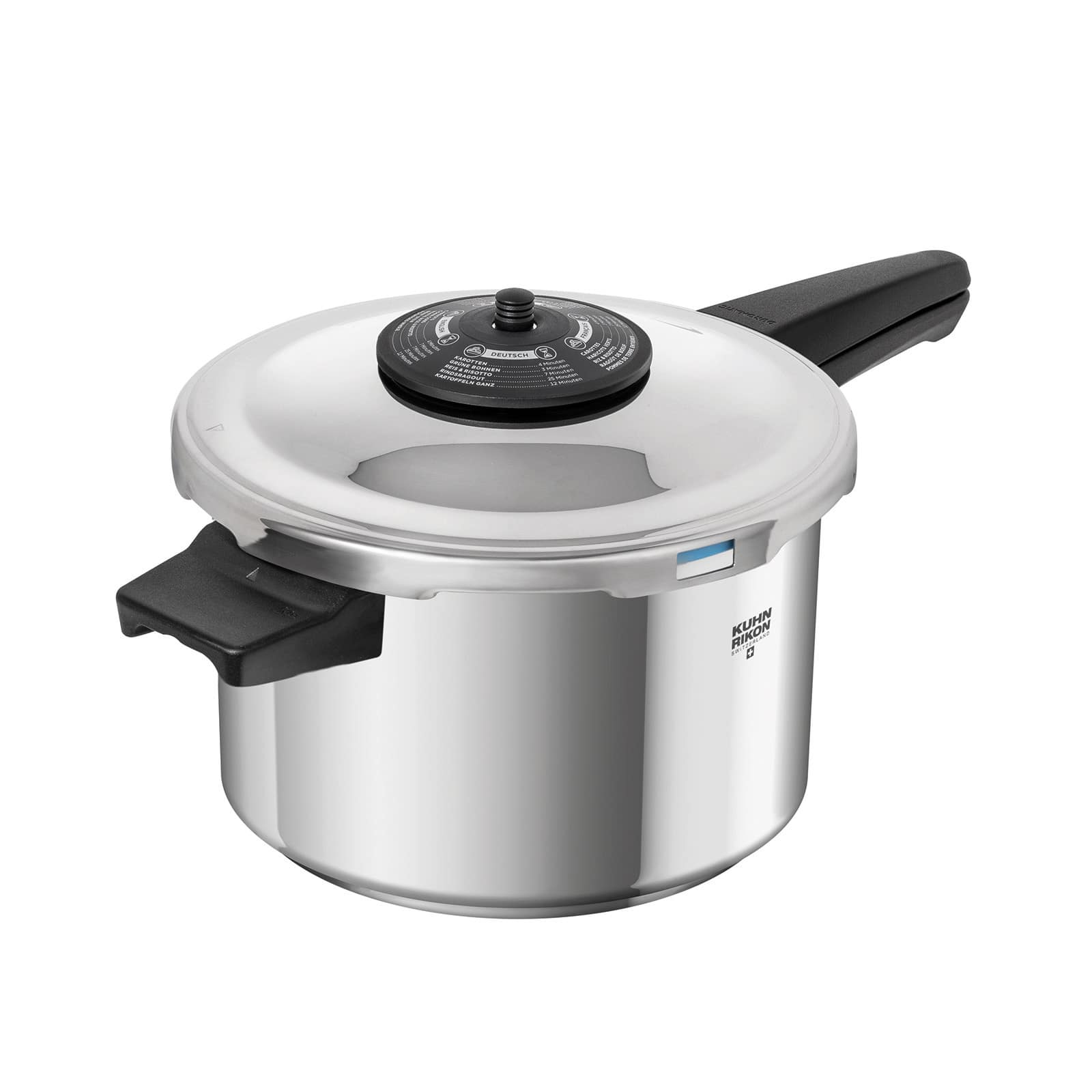
    A durable aluminum and black pressure cooker with a non-stick interior, cool-touch handles, and steaming rack.

    A durable aluminum and black pressure cooker with a non-stick interior, cool-touch handles, and steaming rack.

    (3)
    $99.99
    SAVE $1.30
    Your price for this item is $99.99
  4. 4

    About this product

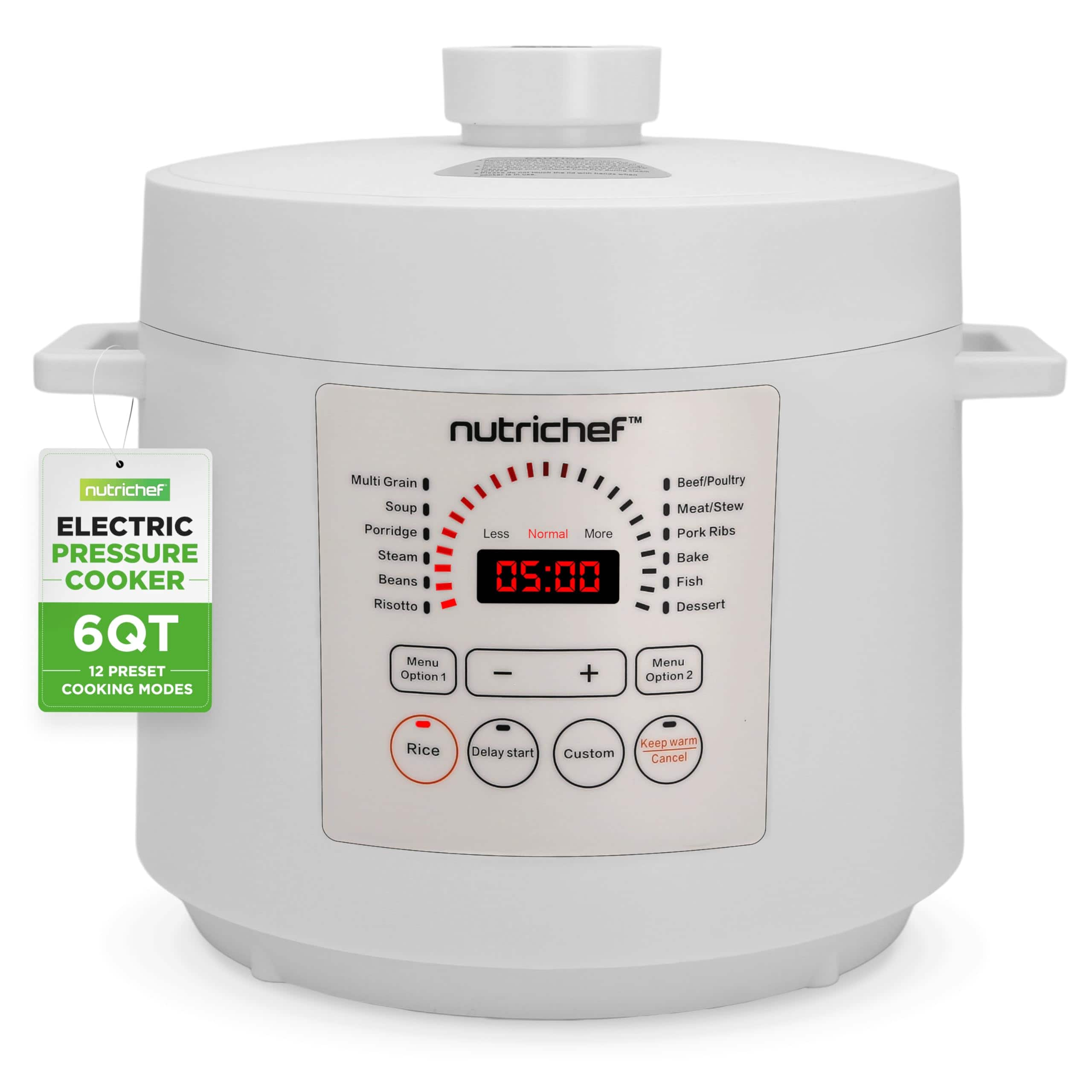
    A versatile silver stainless steel electric pressure cooker with 14 programmable settings and easy-clean removable pot.

    A versatile silver stainless steel electric pressure cooker with 14 programmable settings and easy-clean removable pot.

    (3)
    $89.91
    SAVE $40.00
    Your price for this item is $89.91
  5. 5

    About this product

    A black induction pressure rice cooker with AI learning, programmable settings, and platinum-infused nonstick interior.

    A black induction pressure rice cooker with AI learning, programmable settings, and platinum-infused nonstick interior.

    (0)
    $854.99 Your price for this item is $854.99

Top Rated 4-Quart Pressure Cooker

A well-designed 4-quart pressure cooker combines reliable safety features, even heating, and a size suited to smaller households. This capacity is especially practical for couples, solo cooks who like leftovers, and anyone making modest batches of beans, soups, grains, or braised meats. A pot of lentil soup can become dinner and lunch the next day without filling the refrigerator with a week’s worth of containers. For shoppers considering a top-rated 4-quart pressure cooker, usable capacity matters more than the number alone: four quarts describes the vessel’s nominal volume, not how much food it can safely pressure-cook at once. Maximum fill levels are typically lower for pressure cooking, with additional room required for foods that expand or foam, such as rice and dried beans. The manufacturer’s markings and instructions determine the appropriate limits. Shape also affects everyday usefulness. A wider cooking surface gives vegetables and pieces of meat more room for browning, while a narrower pot may take up less counter space but require smaller batches during preparation. Although this size can be convenient in an apartment or a kitchen with limited storage, exterior dimensions vary considerably. Electric models need space for their housing, controls, and lid clearance, while stovetop designs need a compatible burner and room for their handles. A comfortable fit includes the area around the cooker, too, particularly the clearance required for steam release. Pressure cooking uses trapped steam to raise the cooking temperature, helping tenderize ingredients and shorten the cooking stage of many recipes. Total meal time still includes building pressure and releasing it afterward, so a short programmed cooking time is not the same as dinner being ready in that many minutes. For smaller portions of stews, shredded meats, and other dishes that benefit from moist heat, a 4-quart cooker can offer a useful balance between cooking space and manageable storage. Recipes written for larger cookers may need adjustment, and simply reducing every ingredient proportionally may not preserve the minimum liquid needed for safe operation.

Electric and stovetop pressure cookers bring different strengths to that compact format. Electric designs regulate heat through built-in controls and may include timers, preset programs, sauté settings, or warming functions, depending on the model. These features can suit someone who wants to brown onions, add the remaining ingredients, and complete a meal in the same vessel with less attention to burner adjustments. Stovetop pressure cookers rely on the range for heat and generally require more hands-on heat management, making cooktop compatibility an important consideration. Induction cooking, in particular, requires a compatible base; aluminum construction alone does not establish that compatibility. Shoppers interested specifically in countertop operation can also explore Top Rated Electric Pressure Cookers to compare the broader category. Across either style, materials influence handling, cleanup, and long-term performance. Stainless steel cooking surfaces are durable and generally tolerate browning and frequent use well, though food can stick without suitable preparation. Aluminum conducts heat efficiently and can keep a vessel relatively lightweight, while an encapsulated or layered base may combine different metals to distribute heat. Nonstick interiors can make sticky grains and sauces easier to remove, but their coatings call for compatible utensils and cleaning methods to avoid scratches. Removable cooking pots make serving and washing more convenient, although dishwasher suitability varies by component. Safety features deserve equal attention: a secure locking lid, pressure indicators, controlled release mechanisms, and overpressure protection serve distinct purposes. Electric versions may also have protections related to overheating or insufficient liquid. Clear instructions and controls that are easy to read can matter as much as an extensive menu of settings. Comfortable handles, a lid that aligns without awkward twisting, and a steam-release control positioned away from the hand can make regular use feel more manageable. Customer ratings are most helpful when reviews describe repeated use, pressure consistency, cleanup, and durability rather than just an initial impression. Comments about cooking portions similar to those planned at home can also provide more relevant context than ratings alone.

Everyday ownership often comes down to details that are easy to overlook beside a feature list. A pressure cooker used several times a week needs seals, valves, and a lid assembly that can be cleaned according to the manufacturer’s directions without excessive difficulty. Silicone sealing rings can retain food aromas, and removable parts need thorough drying before storage. Manufacturer-approved replacement seals and other serviceable components are worth considering because normal wear does not necessarily mean the entire cooker has reached the end of its useful life. Dishwasher-safe claims should be checked for each part rather than assumed to cover the whole appliance, especially an electric cooker’s base, which contains electrical components. Gentle cleaning and utensils suited to the cooking surface help preserve the interior, while regular checks for residue around steam pathways support proper operation. Intended use matters just as much as care. A compact pressure cooker can fit a routine built around cooking chickpeas for lunches, preparing tender chicken for tacos, or making a small batch of stew without several pans on the stove. It is less suited to oversized cuts of meat, large-group meal preparation, or recipes whose volume exceeds the permitted fill line. Minimum liquid requirements still apply to smaller batches, and thick sauces can behave differently from thin broths under pressure. Release methods also affect results: some foods benefit from a gradual pressure drop, and foamy or starchy mixtures may require particular precautions specified in the instructions. A pressure cooker should never be forced open while pressurized. Standard pressure cookers are not automatically suitable for pressure canning, which requires equipment and processes validated for that purpose. As a housewarming, wedding, or first-apartment gift, a 4-quart cooker can be a thoughtful match for someone who enjoys homemade meals but has limited kitchen space. The strongest fit comes from matching capacity, controls, weight, and cleaning needs to the recipient’s routine, so the cooker feels useful on an ordinary dinner night rather than becoming another appliance that stays in a cabinet.

FAQs