Black Friday Deals are hereEnds Nov. 28.Shop now

Main Content
Skip to contentGo to Product Search

Black Friday Deals are hereEnds Nov. 28.Shop now

Main Content

Top Rated Bone Conduction Headphones

Find the best bone conduction headphones for your routine by comparing comfort, fit, and battery life. These open-ear headphones transmit sound through vibrations along your cheekbones, leaving your ear canals uncovered. Review each model’s listed water-resistance rating, controls, and device compatibility to narrow your options based on how and where you listen.

What to look for in bone conduction headphones

The best bone conduction headphones for you will balance a comfortable fit, clear audio and features that suit your daily activities.

1. Fit and Comfort

Bone conduction headphones transmit sound through vibrations and typically rest near your cheekbones, leaving your ear canals open. Look for a secure, comfortable fit, and consider how the headphones will sit alongside glasses, hats or helmets.

2. Sound Quality and Awareness

An open-ear design lets you hear surrounding sounds, but background noise can make music and calls harder to hear. Consider your usual listening environment and keep in mind that bass response and sound isolation may differ from traditional headphones.

3. Battery Life and Connectivity

Compare listed battery life with the length of your workouts, commutes or workdays, allowing for variation based on volume and usage. Check device compatibility, charging time and whether features such as multipoint pairing support how you plan to listen.

4. Water Resistance

Choose a water-resistance rating suited to your activities, whether that means sweaty workouts or occasional rain. Water resistance does not automatically mean headphones are suitable for swimming, and Bluetooth generally does not work reliably underwater.

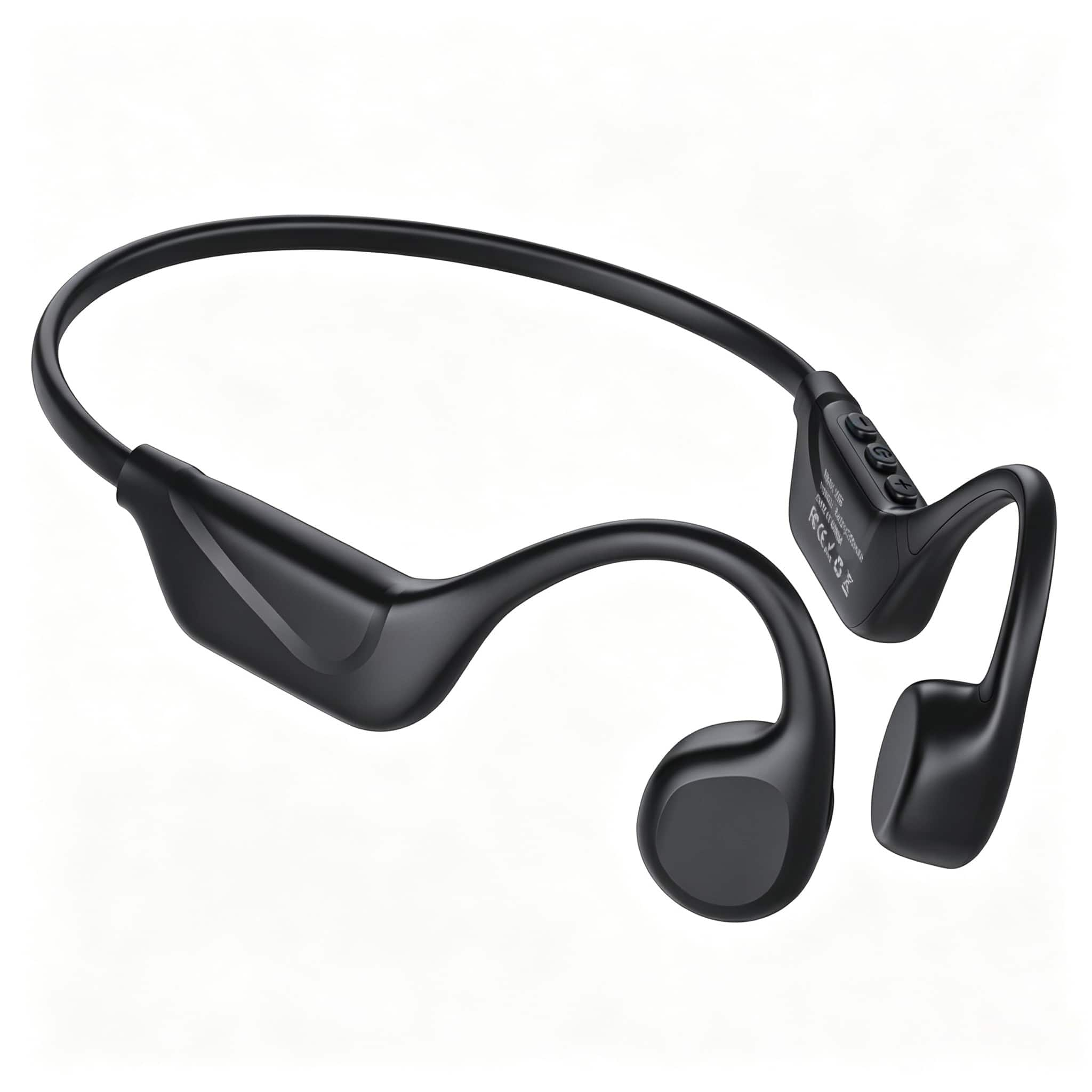
  1. 1

    About this product

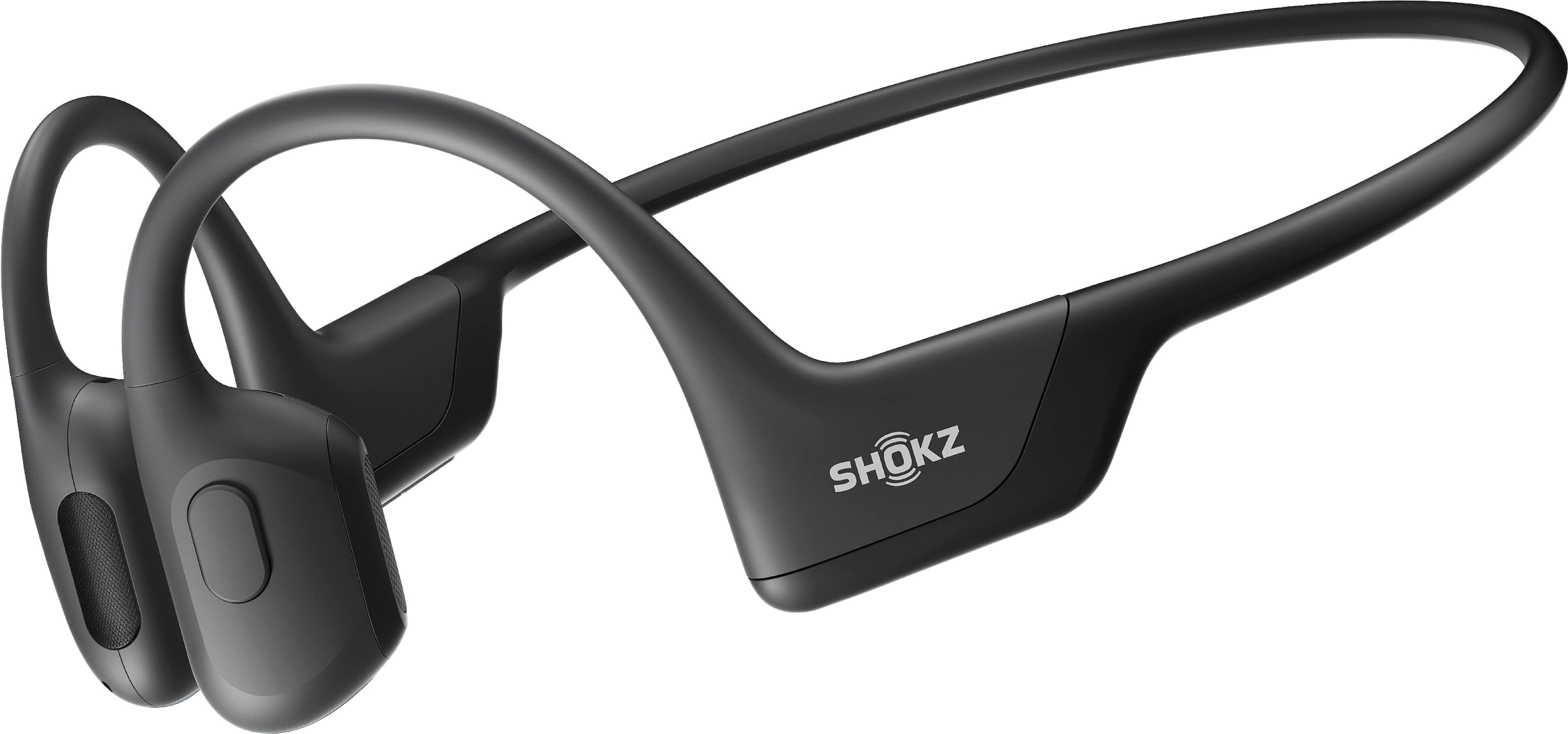
    An open-ear, black wireless headset with bone conduction, Bluetooth 5.4, game/music modes, and IPX5 waterproofing.

    An open-ear, black wireless headset with bone conduction, Bluetooth 5.4, game/music modes, and IPX5 waterproofing.

    (1)
    $69.99 Your price for this item is $69.99
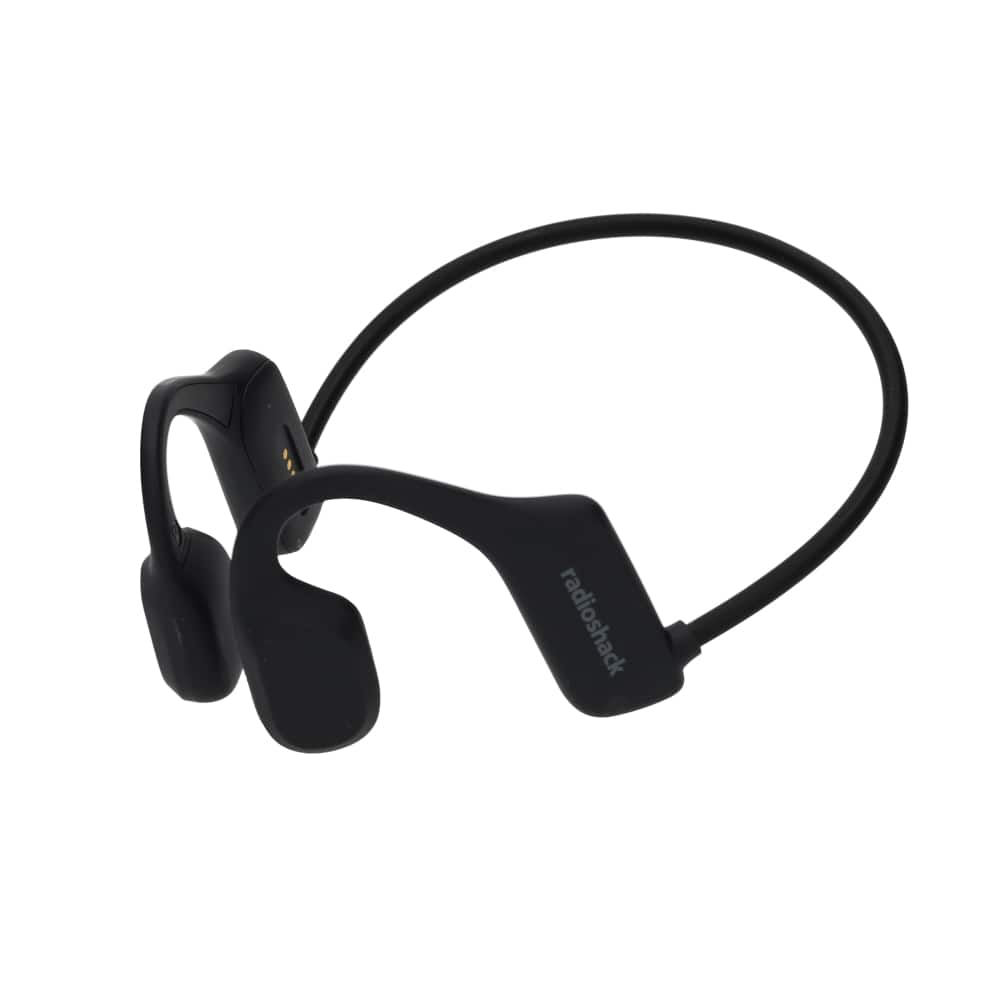
  2. 2

    About this product

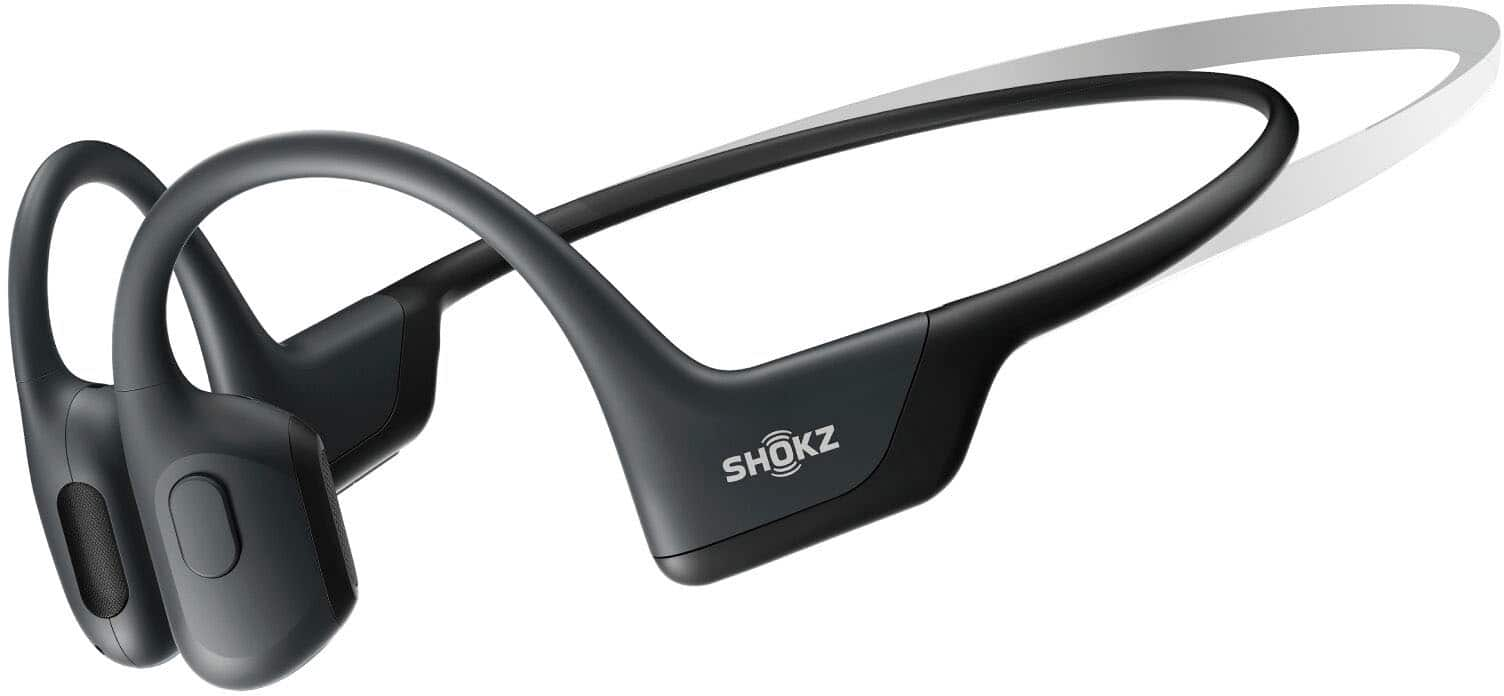
    An open-ear, black wireless headphone featuring bone conduction technology, IPX5 sweatproof rating, and magnetic charging.

    An open-ear, black wireless headphone featuring bone conduction technology, IPX5 sweatproof rating, and magnetic charging.

    (1)
    $54.99 Your price for this item is $54.99
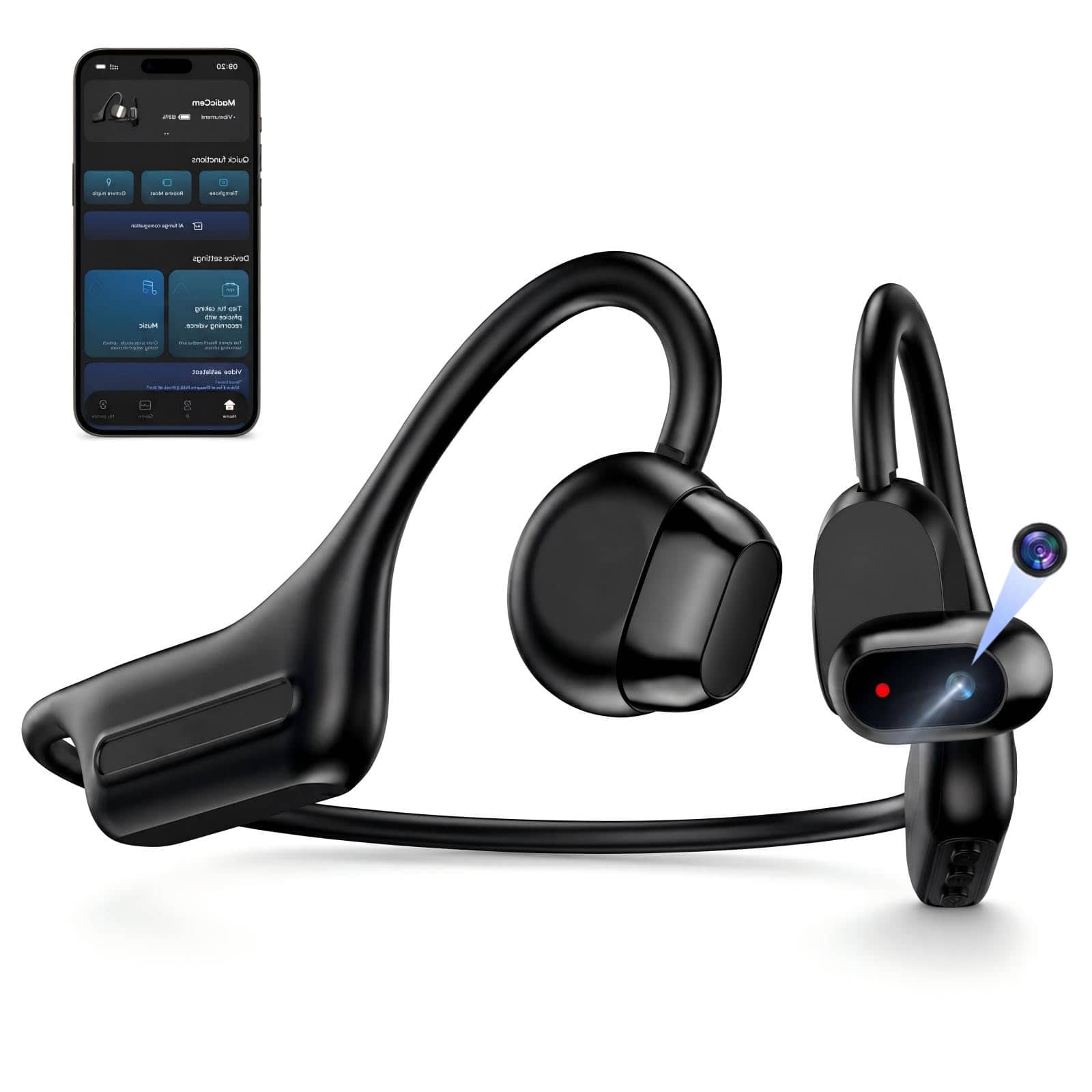
  3. 3

    About this product

    A black open-ear bone conduction headset with 1080P camera, Bluetooth, and IP68 waterproof rating for active lifestyles.

    A black open-ear bone conduction headset with 1080P camera, Bluetooth, and IP68 waterproof rating for active lifestyles.

    (0)
    $239.99 Your price for this item is $239.99
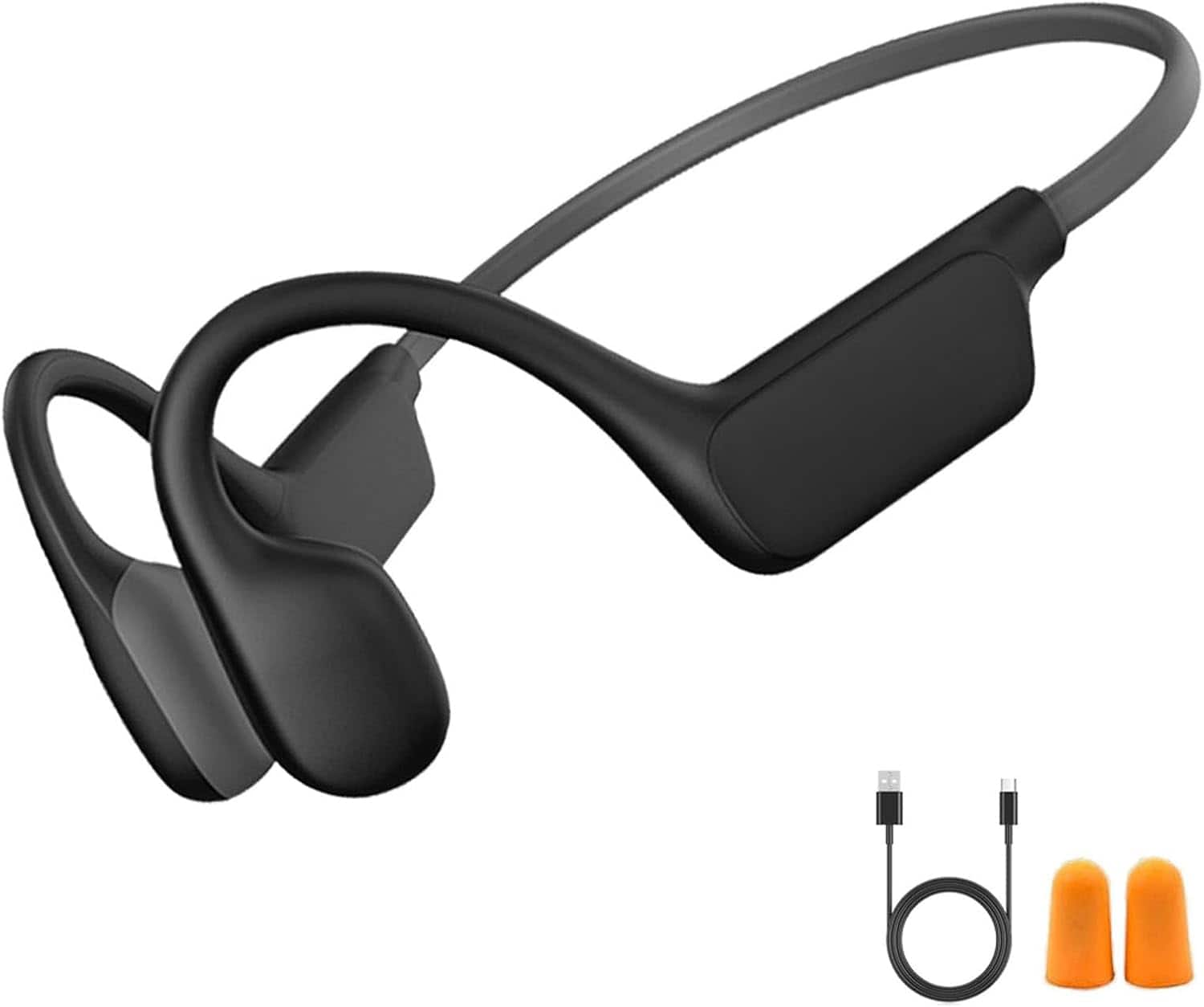
  4. 4

    About this product

    An open-ear, black wireless headset with bone conduction, Bluetooth 5.4, IPX6 sweatproof rating, and built-in mic.

    An open-ear, black wireless headset with bone conduction, Bluetooth 5.4, IPX6 sweatproof rating, and built-in mic.

    (0)
    $79.99 Your price for this item is $79.99
  5. 5

    About this product

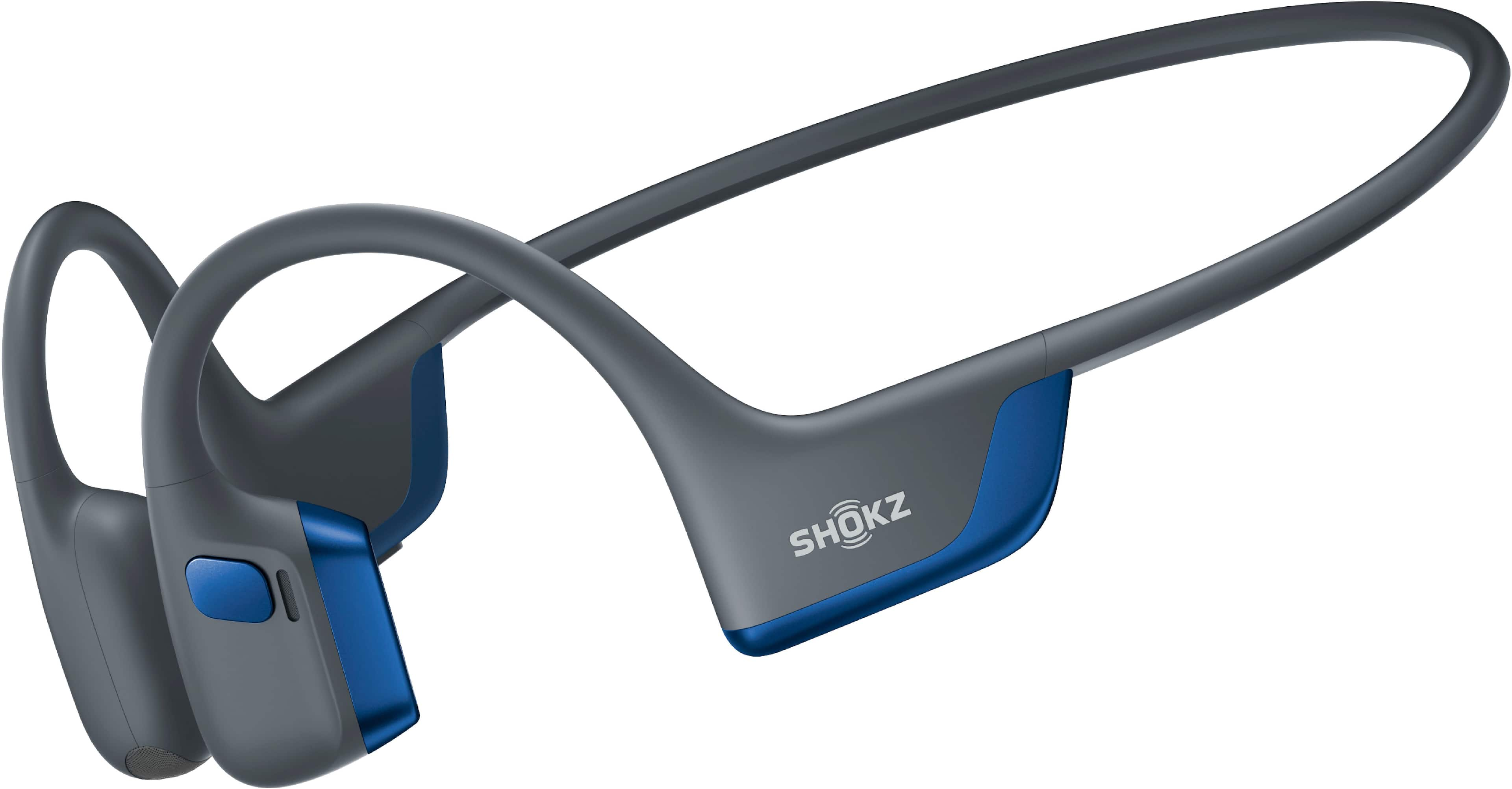
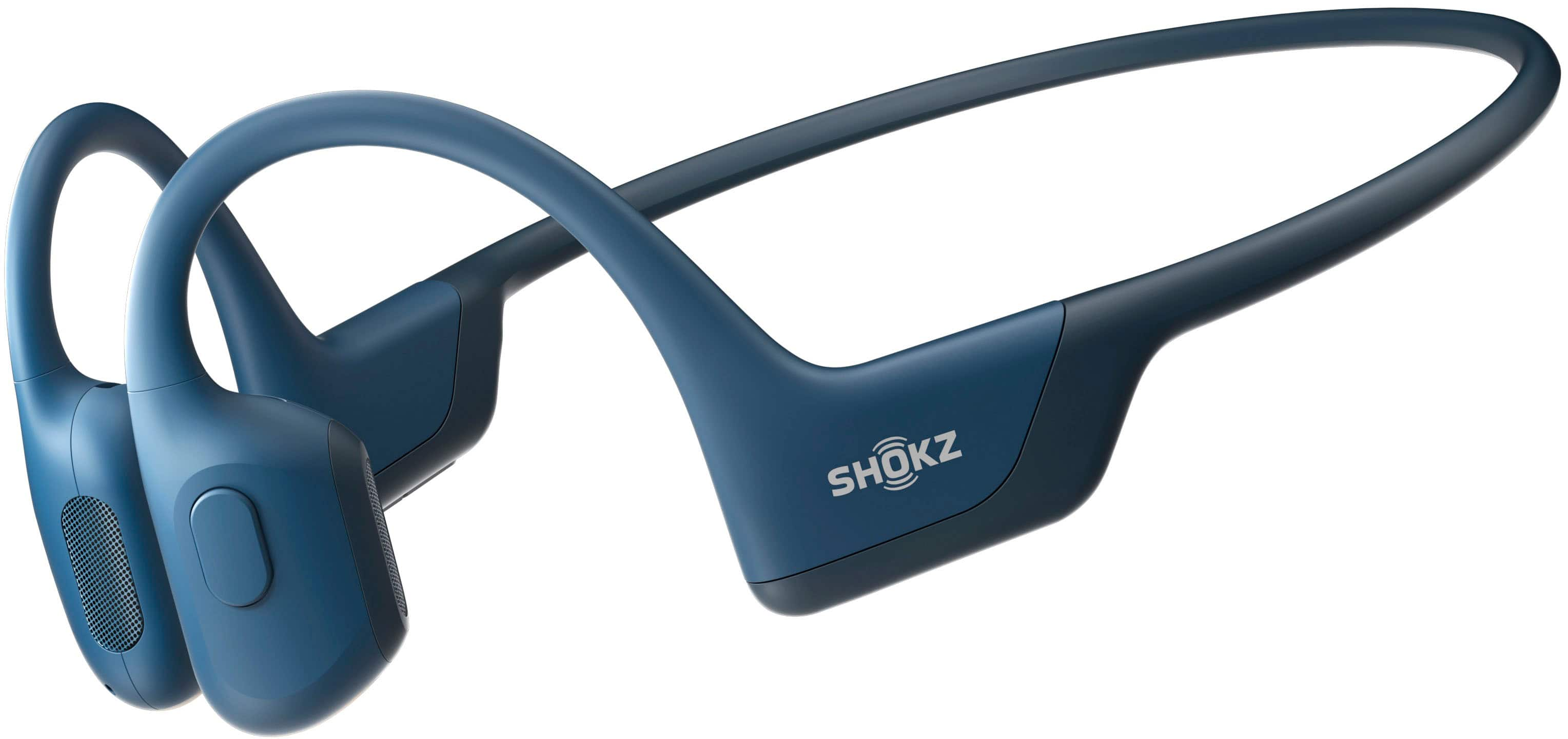
    An open-ear, steel blue wireless headset with bone conduction technology for immersive sound and situational awareness.

    An open-ear, steel blue wireless headset with bone conduction technology for immersive sound and situational awareness.

    What customers like

    • Allows situational and ambient awareness
    • Lightweight and durable design
    • Comfortable and secure fit
    • Excellent sound quality
    • Long battery life with fast USB-C charging
    (1,870)
    $124.99
    SAVE $55.00
    Your price for this item is $124.99
  6. 6

    About this product

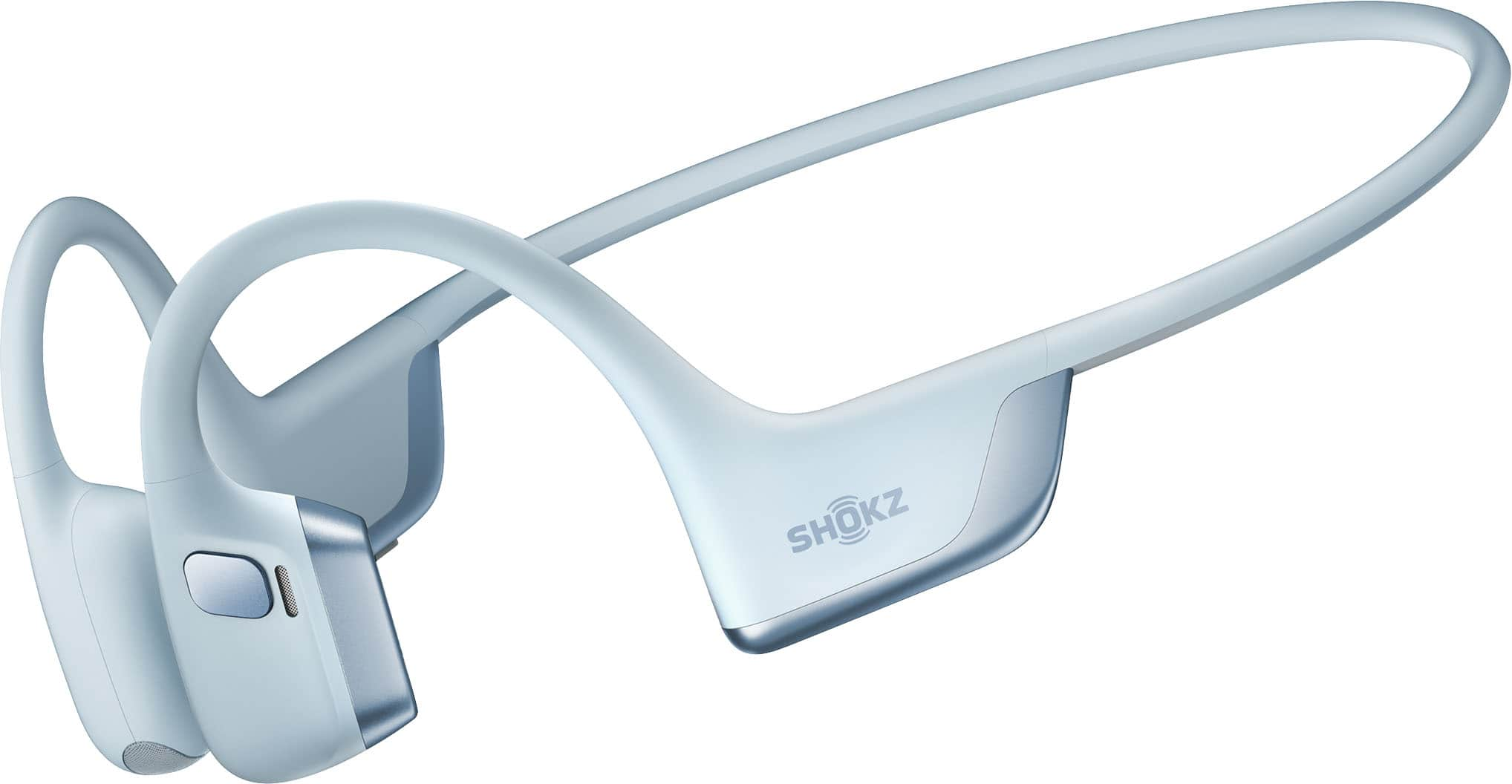
    An open-ear, sky blue wireless headphone featuring bone conduction audio, deep bass, and ergonomic comfort for workouts.

    An open-ear, sky blue wireless headphone featuring bone conduction audio, deep bass, and ergonomic comfort for workouts.

    What customers like

    • Great sound quality
    • No ear irritation
    • Comfortable fit
    (1,870)
    $124.99
    SAVE $55.00
    Your price for this item is $124.99
  7. 7

    About this product

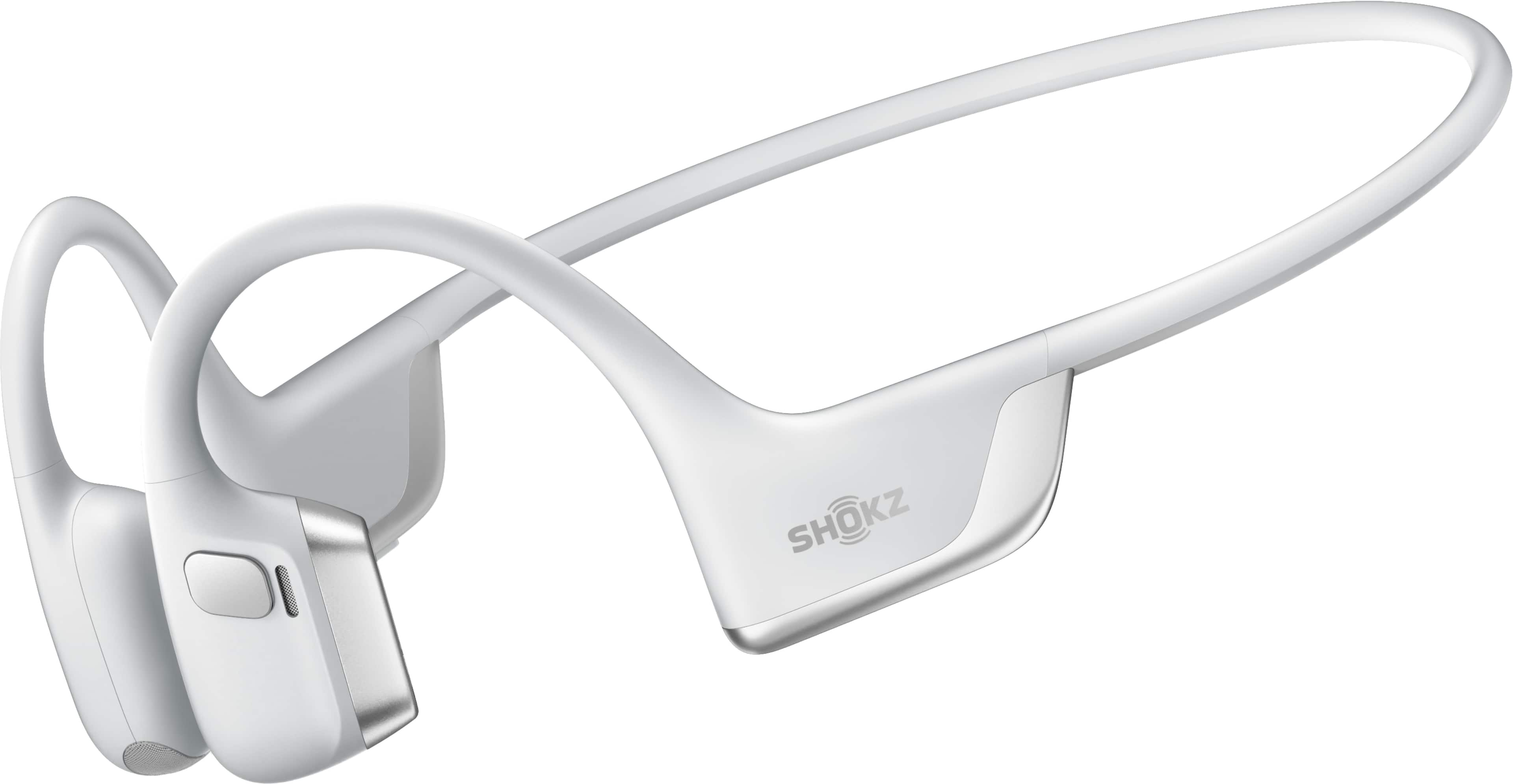
    A silver, open-ear Bluetooth headset featuring bone conduction audio, deep bass, ergonomic fit, and water resistance.

    A silver, open-ear Bluetooth headset featuring bone conduction audio, deep bass, ergonomic fit, and water resistance.

    What customers like

    • Secure and lightweight design
    • Allows awareness of surroundings
    • Long battery life and quick charging
    • Good sound quality and bass
    • Comfortable fit for long wear
    (1,870)
    $124.99
    SAVE $55.00
    Your price for this item is $124.99
  8. 8

    About this product

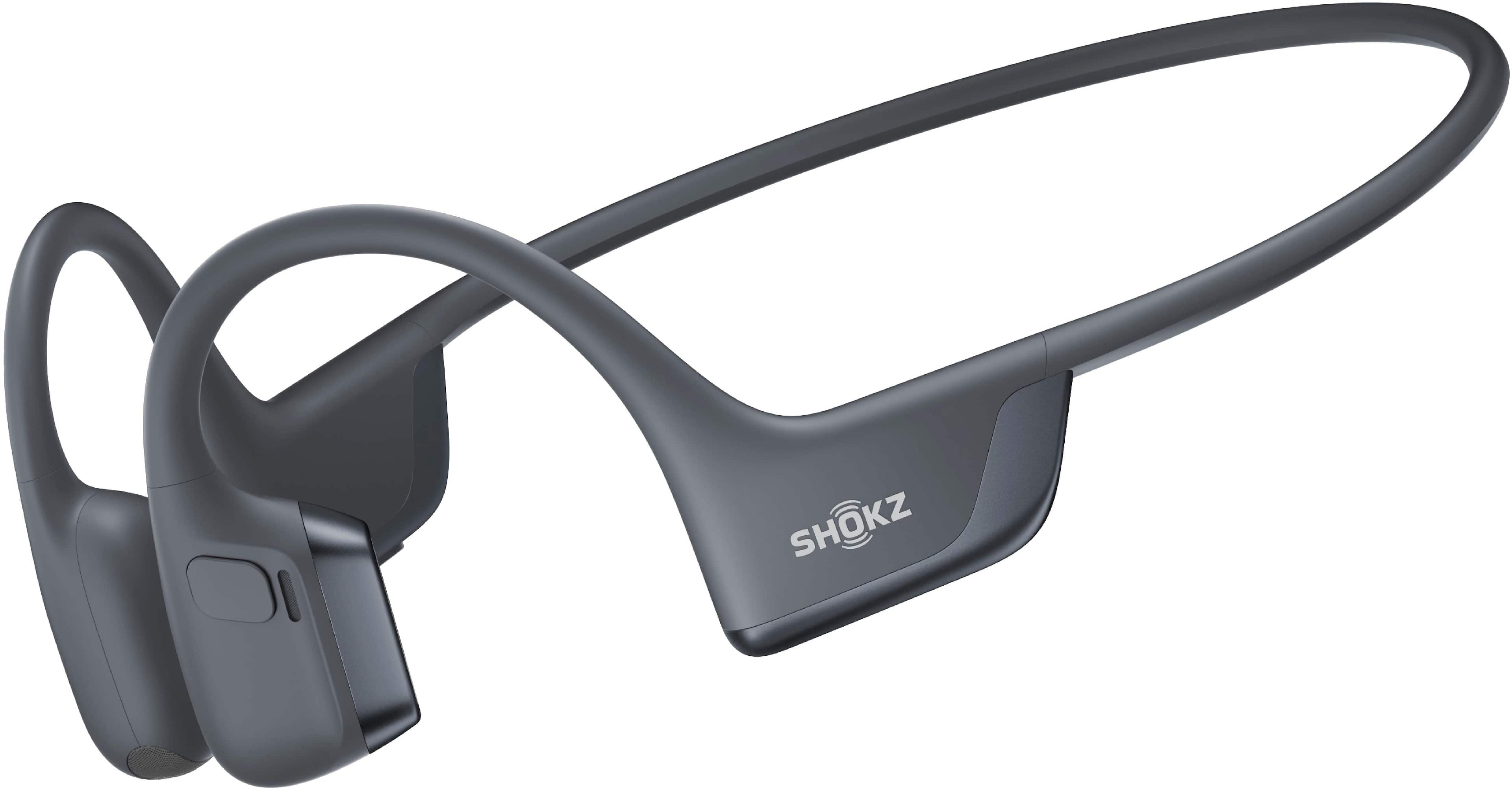
    A black open-ear Bluetooth headset featuring bone conduction, DualPitch audio, secure fit, and water resistance.

    A black open-ear Bluetooth headset featuring bone conduction, DualPitch audio, secure fit, and water resistance.

    What customers like

    • Open-ear design enhances situational awareness
    • Excellent sound quality with customizable EQ
    • Comfortable and secure fit
    • Lightweight and durable for active use
    • Long battery life with quick USB-C charging
    (1,870)
    $124.99
    SAVE $55.00
    Your price for this item is $124.99

Top Rated Bone Conduction Headphones

The best bone conduction headphones combine a comfortable, stable fit with sound, battery life, and controls that suit the way they will be used. Rather than placing a speaker inside the ear canal, bone conduction technology uses small transducers resting against the cheekbones near the ears to send vibrations through bone to the inner ear. This leaves the ear canals uncovered, making the design appealing for listeners who dislike the plugged-up feeling of earbuds or want to hear more of their surroundings. A runner can listen to a playlist while remaining more aware of approaching footsteps, and someone walking a dog can follow a podcast without sealing out every neighborhood sound. Open ears do not guarantee safety, however; playback volume, distractions, traffic conditions, and local rules still matter. Within the broader open-ear category, bone conduction headphones differ from air-conduction designs, which position small speakers near the ears and deliver sound through the air. Some designs combine both approaches, so the open-ear label alone does not describe how audio reaches the listener. Pure bone conduction generally emphasizes convenience and awareness over the deep bass and isolation associated with sealed earbuds or over-ear headphones. Voices in audiobooks, podcasts, and calls can be easy to follow in quieter settings, while a loud gym or busy street may mask details. Turning the volume up to compete with that noise can increase sound leakage and vibration without producing the immersive effect of a sealed headphone. Listeners who enjoy a light soundtrack during a walk, mobility exercises, or household tasks may appreciate that trade-off more than someone seeking a private, bass-heavy listening session. Bone conduction headphones still stimulate the inner ear, so an open-ear design does not eliminate the need for moderate volume and listening breaks.

Fit makes a noticeable difference to both comfort and sound. Many bone conduction headphones use a wraparound band, with curved supports passing over the ears and transducers resting just in front of them. A good fit keeps those contact points steady without pinching the temples or pressing uncomfortably against the cheekbones. A band that feels fine while standing may shift during a jog or bump against a chair’s headrest, so intended activity matters as much as overall weight. Standard and smaller band sizes, where offered, generally address the distance around the back of the head rather than changing speaker size. Flexible titanium components can help a frame maintain its shape, while smooth silicone coverings and lightweight plastics contribute to comfort and everyday handling. Flexibility does not mean the band should be sharply bent, twisted, or folded for storage. Glasses, hearing devices, hats, and helmet straps can share the same space around the ears, making their interaction an important consideration. For cycling, headphones should never interfere with helmet fit or replace attention to traffic. Physical buttons may be easier to locate by feel during exercise, while touch controls can offer a different kind of convenience for everyday listening. Sweat resistance is another practical distinction, but water protection needs to match the activity. An IP55 rating indicates protection against dust ingress and water jets under specified test conditions, not approval for swimming. An IP67 rating includes tested temporary immersion, yet it still does not automatically establish suitability for repeated pool use. Even an IPX8 designation depends on the manufacturer’s stated depth, duration, and use conditions; the X means no dust-protection rating is specified. Swimming calls for a design explicitly approved for that purpose, with clear guidance on pool or saltwater exposure. Because Bluetooth signals do not travel reliably through water, underwater listening generally requires compatible onboard audio storage rather than a continuous connection to a nearby phone.

Everyday convenience often comes down to details that are easy to overlook beside sound and fit. Battery life should comfortably cover the intended listening session, whether that means a morning workout or several stretches of calls and music across the day. Manufacturer estimates usually reflect particular test conditions, and actual runtime can vary with volume, calling, enabled features, and connection behavior. Quick charging can be useful before an unplanned walk, but both the required charging time and the resulting playback time deserve attention. A standard charging connection may simplify packing, while a dedicated magnetic connector means keeping the matching cable accessible. Wireless compatibility also extends beyond the Bluetooth version number. Multipoint connectivity, when supported, can let headphones stay connected to a phone and computer, making it easier to move between music and a meeting, although switching behavior varies. Microphone placement and wind-noise processing affect how clearly other people hear speech; an open-ear fit alone does not improve outgoing call quality. For shared offices and quiet rooms, sound leakage is worth considering because nearby listeners may hear audio, especially at higher volumes. Care is usually straightforward: follow the manufacturer’s cleaning directions, wipe away perspiration with a soft cloth, and allow the headphones and charging contacts to dry before charging. Avoid assuming that a water-resistance rating permits soap, cleaning sprays, hot water, or pressure washing. A protective case or pouch helps keep the band from being crushed beneath a laptop or tangled in a gym bag. For gift giving, these headphones can suit walkers, runners, audiobook fans, and people who find in-ear tips uncomfortable, provided the recipient’s habits align with an open-ear design. They are not a substitute for hearing aids or hearing protection, and suitability alongside a hearing device depends on individual fit and professional guidance. The most useful choice balances secure contact, manageable weight, appropriate water protection, dependable controls, and enough battery life for regular routines. Clear priorities make it easier to choose between a lightweight exercise companion, an everyday listening option, and a swimming-specific design without expecting one style to excel in every setting.

FAQs