Deals for every list.Start early, save early.Shop now

Main Content
Skip to contentGo to Product Search

Deals for every list.Start early, save early.Shop now

Main Content

Best Cooking Blender

Finding the best cooking blender starts with the soups, sauces, and other recipes you want to prepare. Compare available options by capacity, heating capabilities, blending controls, and cleaning requirements. Check each model’s specifications to understand whether it cooks ingredients or blends food that’s already heated, and follow its guidelines for handling hot liquids.

What to look for in a cooking blender

The best cooking blender for your kitchen should match your favorite recipes, serving sizes, and cooking routine.

1. Heating and Blending Performance

Check whether the blender uses a built-in heating element or blade friction to heat ingredients, and whether its heating capabilities suit your recipes. Adjustable blending speeds can help you achieve textures ranging from chunky sauces to smooth soups.

2. Capacity and Counter Space

Choose a capacity that fits your typical batch size, and check the maximum hot-liquid fill level, which may be lower than the pitcher’s total capacity. Consider the blender’s height and footprint to make sure it fits your counter and storage space.

3. Cooking Controls

Look for temperature settings, timers, and cooking programs that support the dishes you make most often. Manual controls can offer more flexibility, while preset programs can simplify frequently used recipes.

4. Safety and Cleaning

Confirm that the blender is designed for hot ingredients, and review its lid-locking, steam-venting, and automatic shutoff features. Check the cleaning instructions for the pitcher, lid, and blades, especially if the pitcher contains electrical components that cannot be submerged.

  1. 1

    About this product

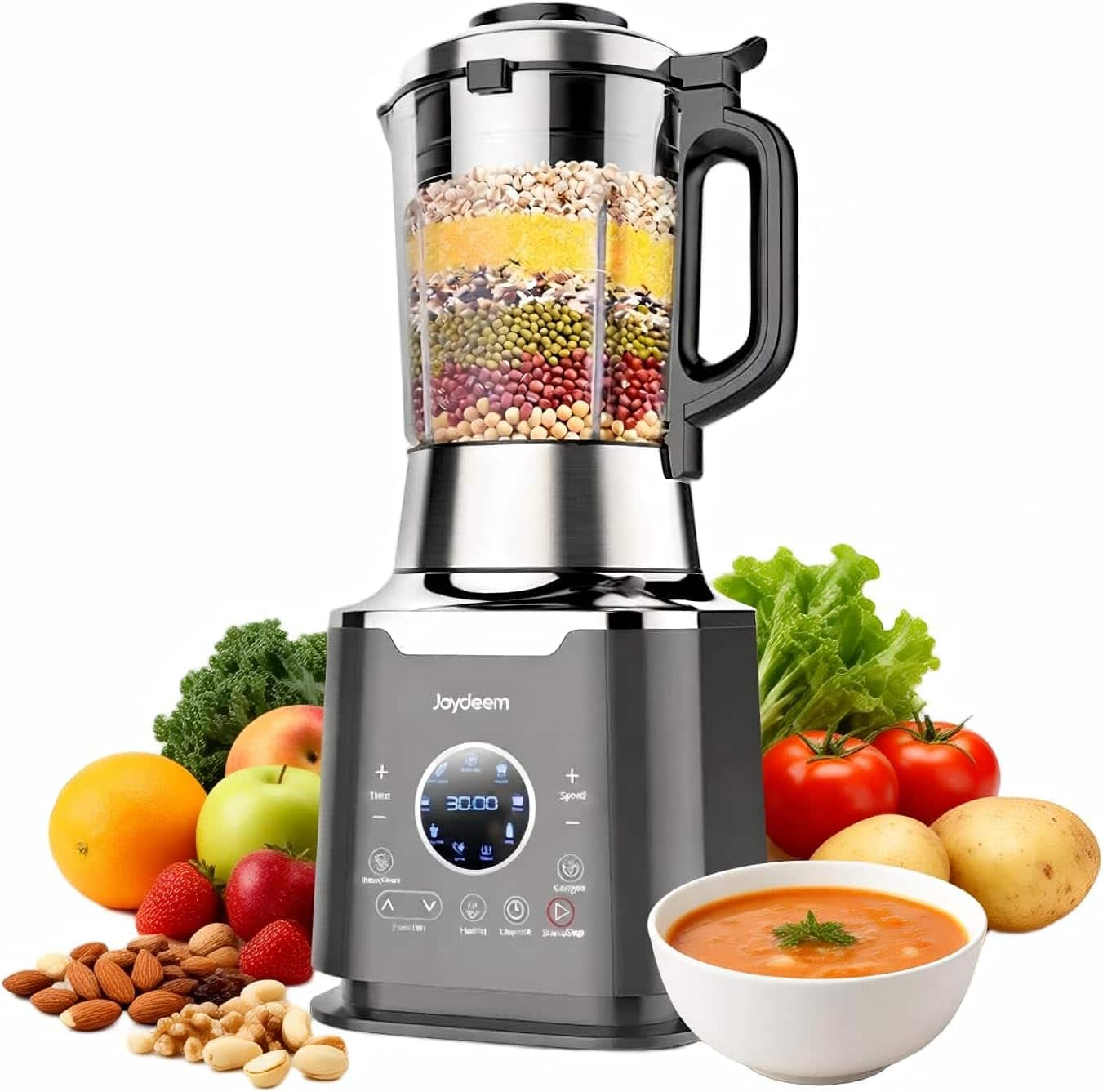
    A black 1200W cooking blender with touchscreen controls for soups, soy milk, and juices.

    A black 1200W cooking blender with touchscreen controls for soups, soy milk, and juices.

    (0)
    $189.00 Your price for this item is $189.00
  2. 2

    About this product

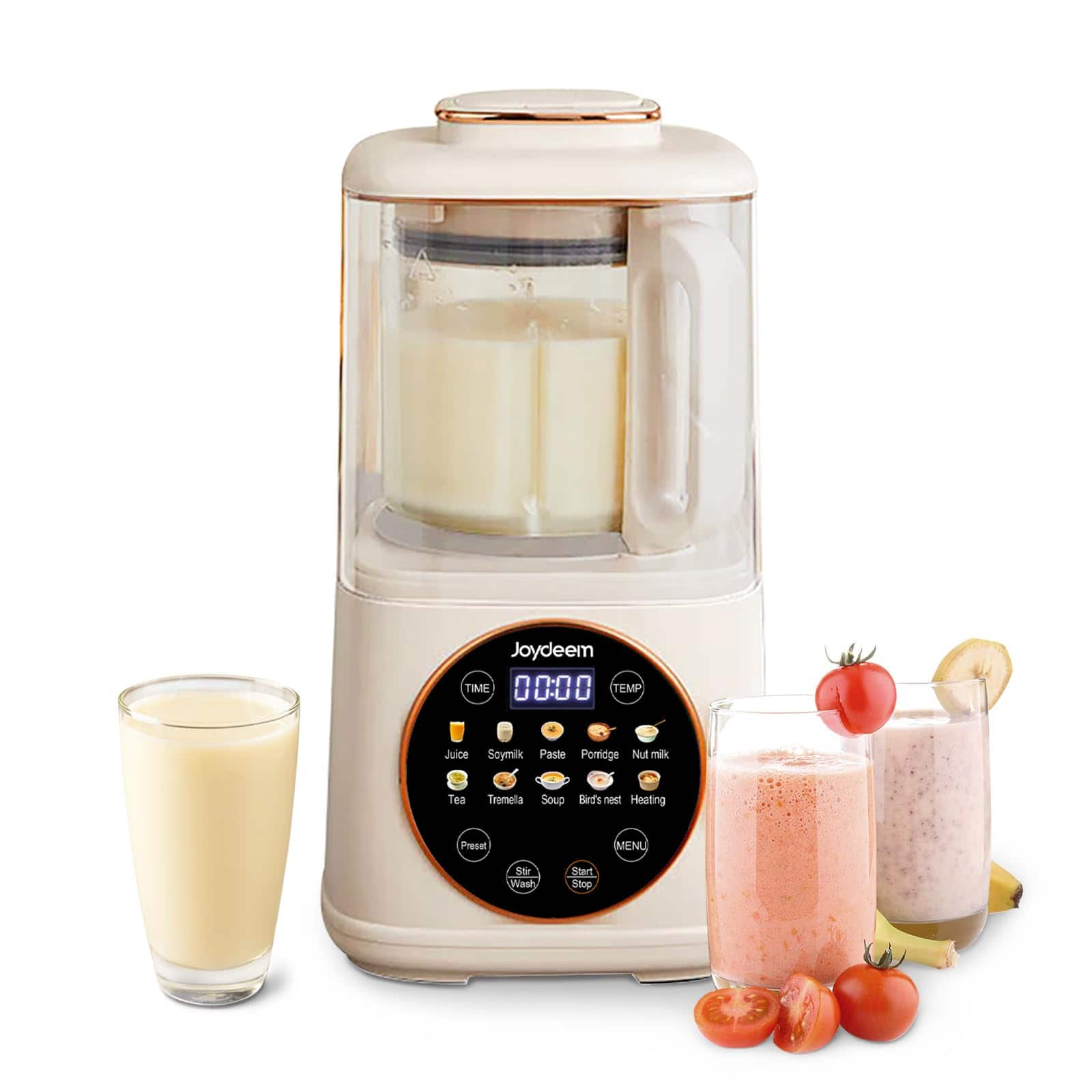
    A white hot-and-cold cooking blender with soundproof shielding, eight speeds, temperature control, and 12-hour preset.

    A white hot-and-cold cooking blender with soundproof shielding, eight speeds, temperature control, and 12-hour preset.

    (0)
    $129.00 Your price for this item is $129.00
  3. 3

    About this product

    A versatile white immersion blender with 250W power, stainless steel shaft, and multiple attachments for easy blending.

    A versatile white immersion blender with 250W power, stainless steel shaft, and multiple attachments for easy blending.

    (0)
    $39.99 Your price for this item is $39.99
  4. 4

    About this product

    A powerful 1200W silver blender with BPA-free jar, 5 speeds, and preset programs for versatile blending.

    A powerful 1200W silver blender with BPA-free jar, 5 speeds, and preset programs for versatile blending.

    (3)
    $299.99 Your price for this item is $299.99
  5. 5

    About this product

    A powerful 1200W blue velvet blender with BPA-free jar, 5 speeds, and preset programs for versatile blending.

    A powerful 1200W blue velvet blender with BPA-free jar, 5 speeds, and preset programs for versatile blending.

    (3)
    $299.99 Your price for this item is $299.99
  6. 6

    About this product

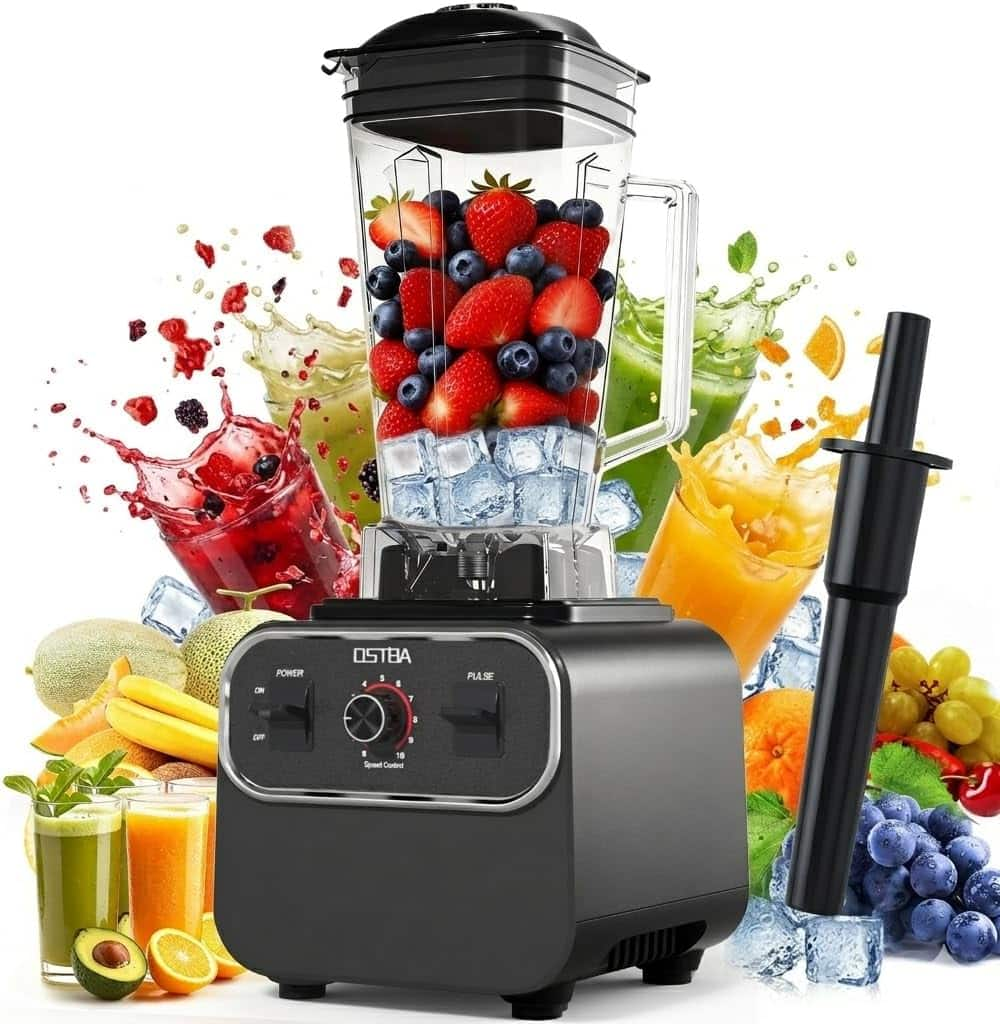
    A powerful black countertop blender with a 1600W motor, BPA-free jar, 10 speeds, and self-cleaning function.

    A powerful black countertop blender with a 1600W motor, BPA-free jar, 10 speeds, and self-cleaning function.

    (3)
    $49.99 Your price for this item is $49.99
  7. 7

    About this product

    A powerful black blender featuring 10 speeds, stainless steel blades, and customizable texture control for versatile blending.

    A powerful black blender featuring 10 speeds, stainless steel blades, and customizable texture control for versatile blending.

    (0)
    $149.99
    SAVE $49.96
    Your price for this item is $149.99
  8. 8

    About this product

    A powerful red blender with a stainless steel base, glass jar, five speeds, and dishwasher-safe parts.

    A powerful red blender with a stainless steel base, glass jar, five speeds, and dishwasher-safe parts.

    (0)
    $39.99
    SAVE $25.00
    Your price for this item is $39.99
  9. 9

    About this product

    A stainless steel blender with heating element offers mix, pulse, puree, smoothie, and stir functions.

    A stainless steel blender with heating element offers mix, pulse, puree, smoothie, and stir functions.

    (0)
    $119.99
    SAVE $6.50
    Your price for this item is $119.99

Best Cooking Blender

The best cooking blender for a kitchen is one that matches the meals being made, the batch sizes being served, and the amount of hands-on preparation that fits a daily routine. A Cooking Blender can bring blending and heating into the same appliance, although the way heat is produced matters. Some designs use a built-in heating element to warm or simmer ingredients, while certain high-speed designs generate heat through blade friction during an extended blending cycle. A blender that can process hot ingredients is not necessarily able to heat them, and not every heated blending program is intended to cook raw ingredients. Manufacturer instructions and tested recipes establish what each design can safely handle. For everyday cooking, these appliances can turn cooked carrots and broth into a velvety soup, blend roasted peppers into a pasta sauce, or combine softened vegetables and seasonings into a smooth puree. Designs with a separate heating function may also support recipes that call for warming or cooking before blending. The result depends on more than speed: blade geometry, jar shape, ingredient proportions, and the blending sequence all influence how evenly food circulates. Thick hummus needs a different balance of liquid and mixing power than a pourable tomato soup, while a delicate sauce benefits from gradual adjustments rather than an unnecessarily long cycle. Variable speed controls offer room to refine a texture, and a pulse function can help preserve some body in chopped preparations when the recipe and appliance allow it. Preset programs can simplify repeat tasks, but their names do not guarantee identical results across different designs. Useful specifications explain the heating method, usable capacity, and operating limits, making it easier to distinguish an appliance suited to soup preparation from one intended mainly for blending ingredients that have already been cooked.

Jar construction, countertop fit, and handling are just as important as the cooking functions. Heat-rated glass can resist lingering odors and makes the contents easy to see, but it adds weight and still requires protection from sudden temperature changes. Food-contact plastic can be lighter to lift, although heat tolerance, scratch resistance, and dishwasher compatibility depend on the material and design. Stainless steel containers offer a sturdy alternative, with the trade-off that the contents may be less visible during operation. For any material, a comfortable handle and a well-shaped spout matter when pouring a full batch into bowls or transferring sauce to storage containers. The advertised jar capacity may differ from the permitted hot-food capacity because heated mixtures need space for expansion and steam. A large container can accommodate family meal preparation, yet a small quantity of dressing or sauce may sit below the effective blending area. Minimum batch requirements therefore deserve as much attention as maximum fill lines. Physical dimensions also affect everyday convenience: the base and jar need sufficient clearance beneath cabinets, and some lids require extra room for removal or an approved tamper. A stable base helps keep the appliance planted during operation, while accessible controls make it easier to adjust settings without reaching around a hot container. Clearly marked measurements, readable displays, and distinct indicators for blending and heating can reduce uncertainty during a busy cooking session. Motor wattage alone does not establish blending quality; circulation, blade design, and the appliance’s ability to handle its intended workload also matter. Fibrous greens, cooked vegetable skins, and dense mixtures present different challenges, so performance should be considered in relation to actual recipes. Sound levels and cycle length can influence placement, especially in an open kitchen where conversation, homework, and food preparation share the same space.

Care and safe operation help a cooking blender remain a practical part of meal preparation rather than an appliance reserved for occasional use. Hot ingredients require a container and lid specifically approved for that purpose; ordinary sealed personal blending cups are not a substitute for a vented system designed to release steam. Manufacturer directions should determine fill levels, lid positioning, starting speed, and whether ingredients can be added during a cycle. Any tamper or stirring accessory must be approved for the container, and utensils should never enter a running blender. Heating and blending are also separate from verifying food safety: a smooth texture or visible steam does not prove that raw ingredients have reached a safe cooking temperature. For cleanup, prompt rinsing helps prevent starchy soups, nut-based sauces, and dried puree from clinging around the blade assembly. A designated cleaning cycle may loosen residue, but it does not replace any disassembly or washing required by the manufacturer. Heating bases, electrical connectors, and motor housings need particular care and should not be submerged unless explicitly permitted. Dishwasher-safe parts can simplify maintenance, while accessible lid seals and removable components make it easier to inspect places where food collects. Letting washed parts dry thoroughly before reassembly helps keep storage clean, and checking seals, containers, and blade assemblies for wear supports continued safe use. These practical details matter for home cooks preparing several meals at once, smaller households making modest portions, and anyone who enjoys experimenting with sauces, soups, and vegetable-forward recipes. An appliance that supports both an evening meal and preparation for the next day can earn its counter space through repeated use. For a housewarming or wedding gift, the recipient’s cooking habits, storage space, and comfort with cleanup are more meaningful considerations than a long list of programs. The strongest fit is a cooking blender whose heating capabilities, texture control, handling, and maintenance requirements work naturally with the way its owner cooks.

FAQs