Deals for every list.Start early, save early.Shop now

Main Content

Deals for every list.Start early, save early.Shop now

Main Content

Best On-Camera Light

Finding the best on-camera light starts with how and where you shoot. Browse camera lighting for photography, video recording, and livestreaming, and compare brightness, color temperature, power options, and mounting compatibility to help narrow your choices for indoor shoots or recording on the go.

What to look for in an on-camera light

Find the best on-camera light for your setup by considering brightness, color control, mounting compatibility, and power options.

1. Brightness and Adjustability

Look for adjustable brightness so you can balance your subject’s lighting with the surrounding environment. If output is listed in lux, compare measurements at the same distance to get a clearer sense of relative brightness.

2. Color Temperature and Accuracy

Adjustable color temperature helps you match daylight or indoor lighting for more consistent results. High color rendering index (CRI) or television lighting consistency index (TLCI) ratings can indicate more accurate color reproduction.

3. Mounting and Portability

Check that the light’s mount works with your camera, cage, or smartphone rig, including any required adapters. Consider its size and weight, especially for handheld shooting, and look for tilt adjustment to help direct the light.

4. Power and Runtime

Compare battery runtime at the brightness level you expect to use, since higher output generally uses more power. Check whether the light supports replaceable batteries, USB power, or operation while charging to suit longer recording sessions.

  1. 1

    About this product

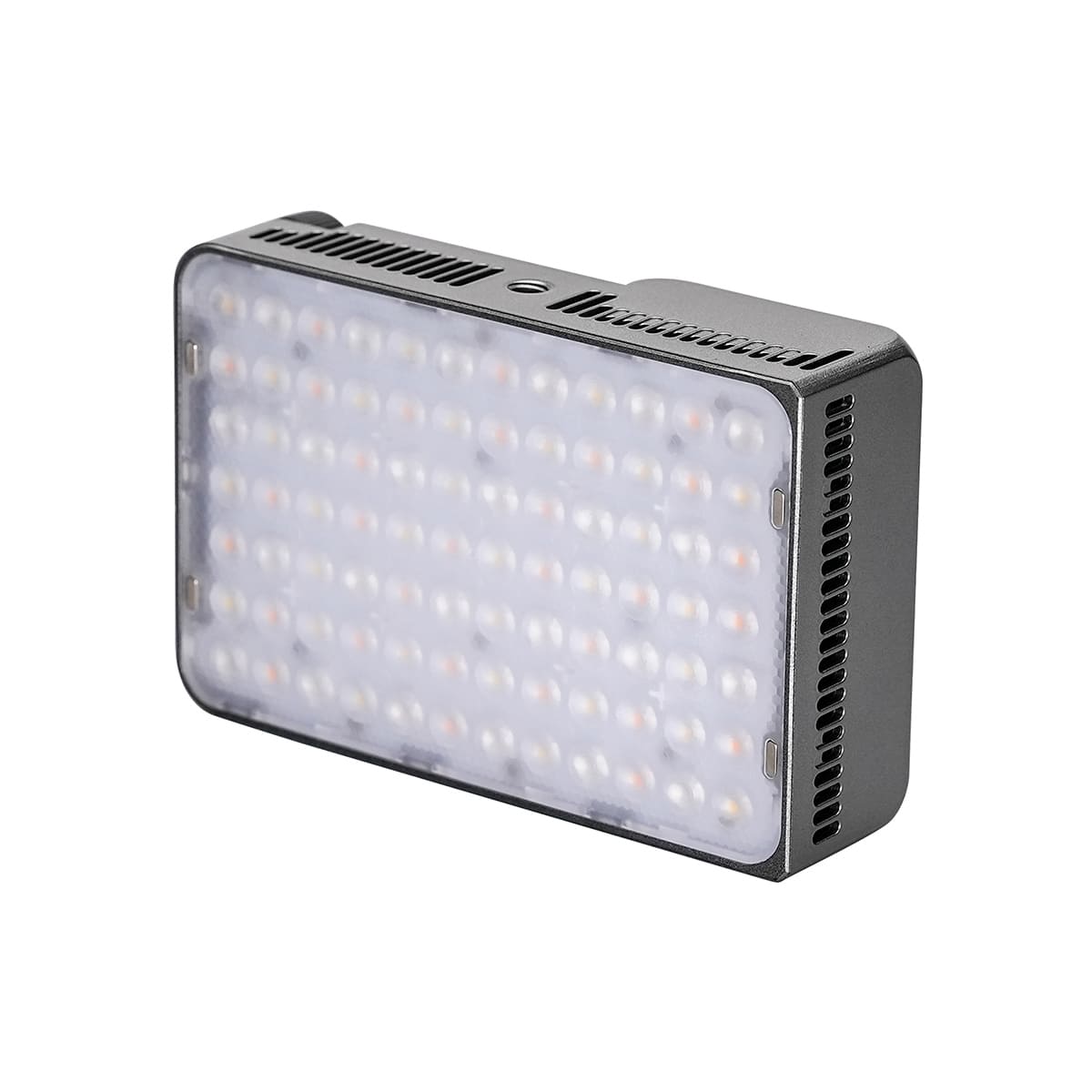
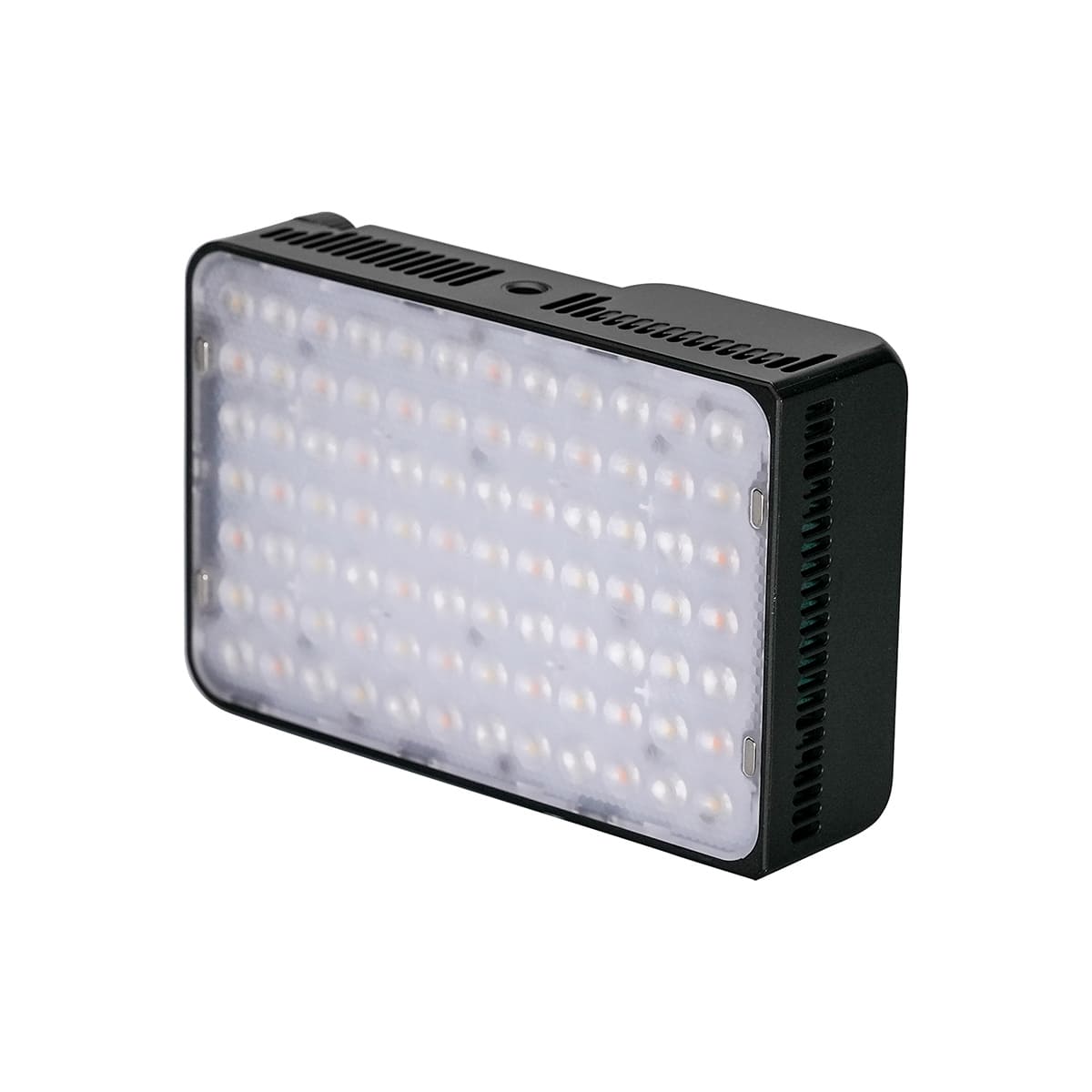
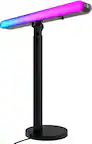
    A 25W RGBWW on-camera LED light with full-color control, quick-release mounting, app control, and reverse charging.

    A 25W RGBWW on-camera LED light with full-color control, quick-release mounting, app control, and reverse charging.

    (1)
    $99.00 Your price for this item is $99.00
  2. 2

    About this product

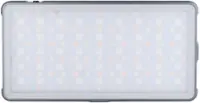
    A versatile bi-color LED light offering adjustable brightness, color temperature, and multiple power options for creative shooting.

    A versatile bi-color LED light offering adjustable brightness, color temperature, and multiple power options for creative shooting.

    (0)
    $59.95 Your price for this item is $59.95
  3. 3

    About this product

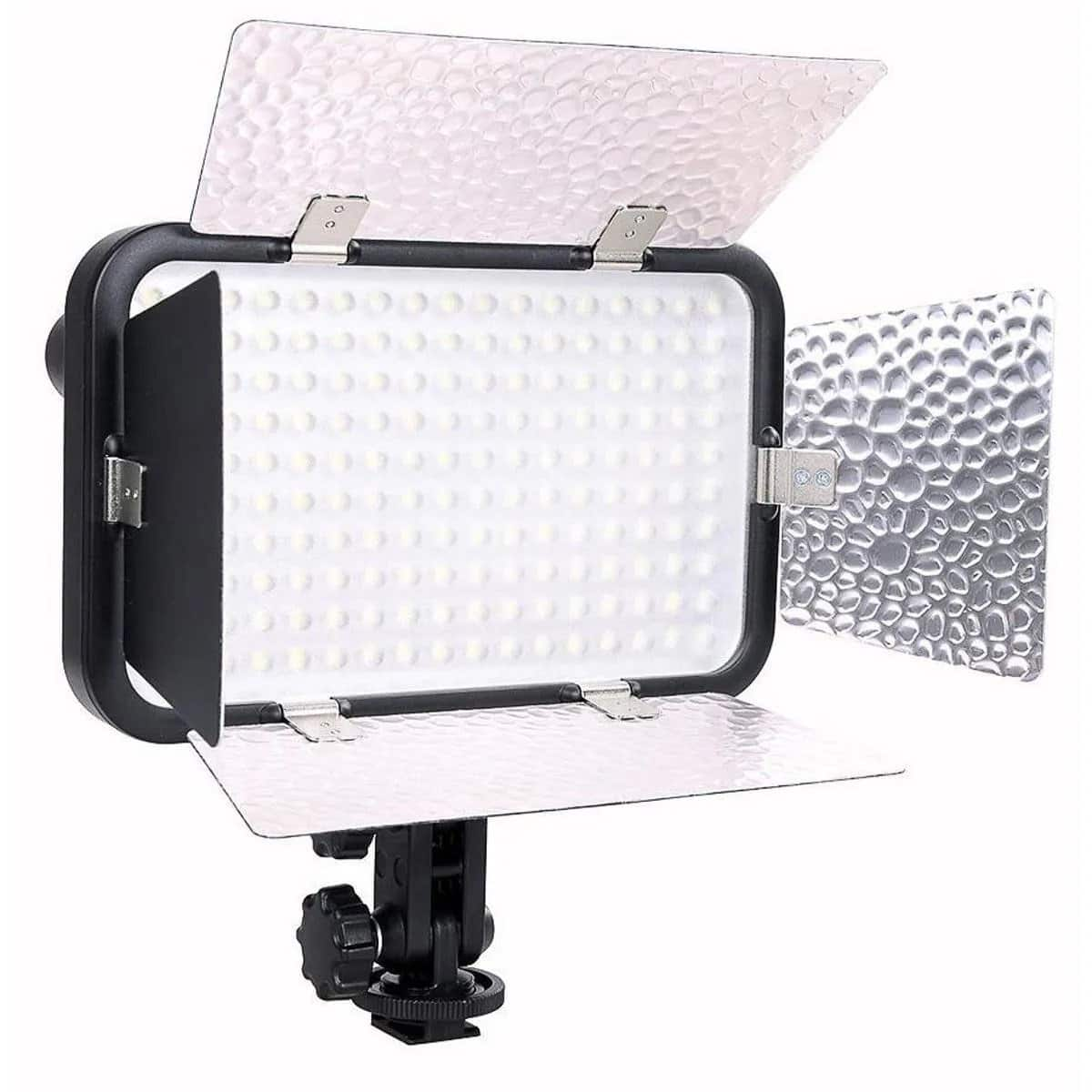
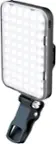
    A bright on-camera LED light with dimming, adjustable angles, diffusion and yellow filters, plus dual power.

    A bright on-camera LED light with dimming, adjustable angles, diffusion and yellow filters, plus dual power.

    (0)
    $43.31 Your price for this item is $43.31
  4. 4

    About this product

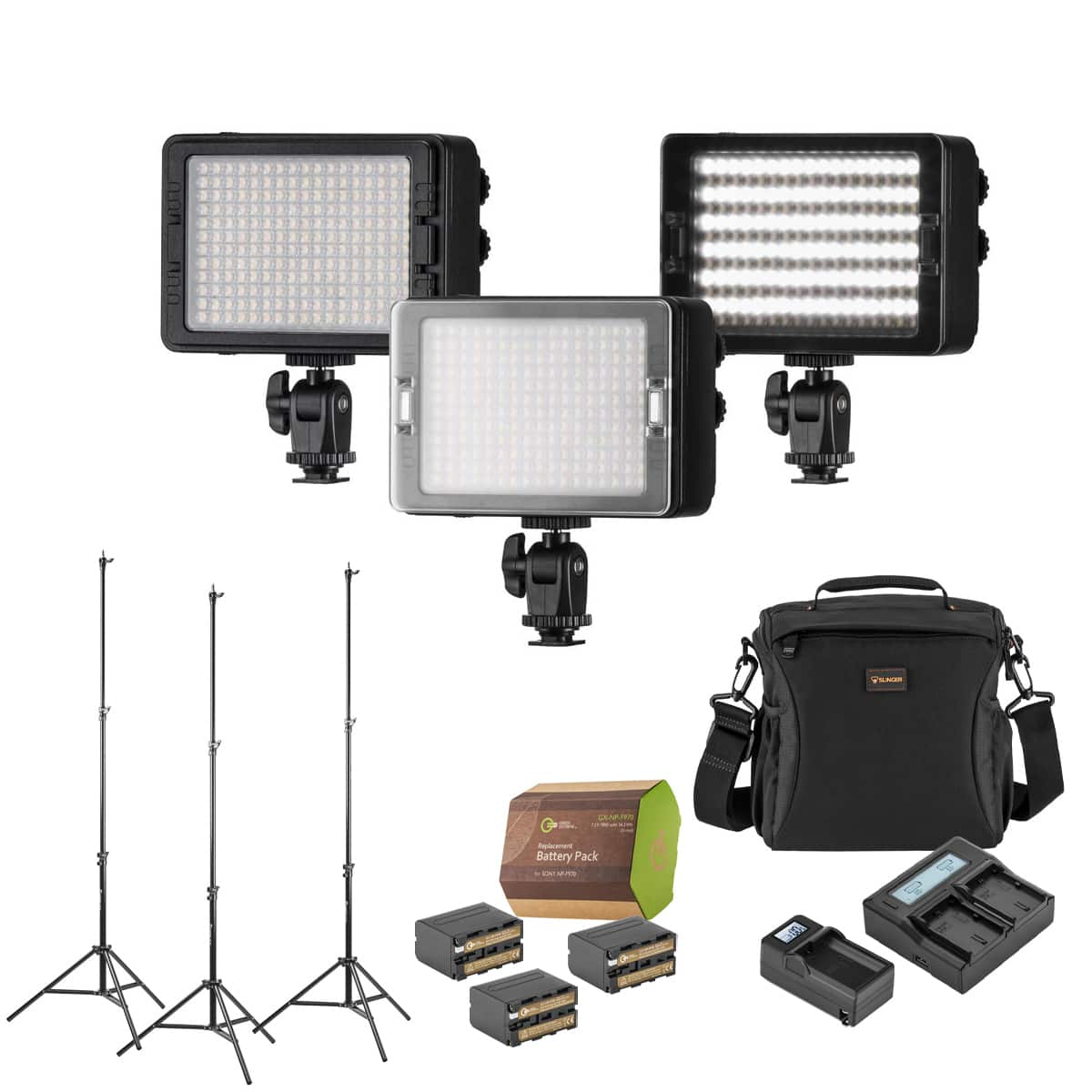
    A versatile bi-color on-camera LED light bundle with adjustable brightness, green batteries, and magnetic diffusion.

    A versatile bi-color on-camera LED light bundle with adjustable brightness, green batteries, and magnetic diffusion.

    (0)
    $255.00 Your price for this item is $255.00
  5. 5

    About this product

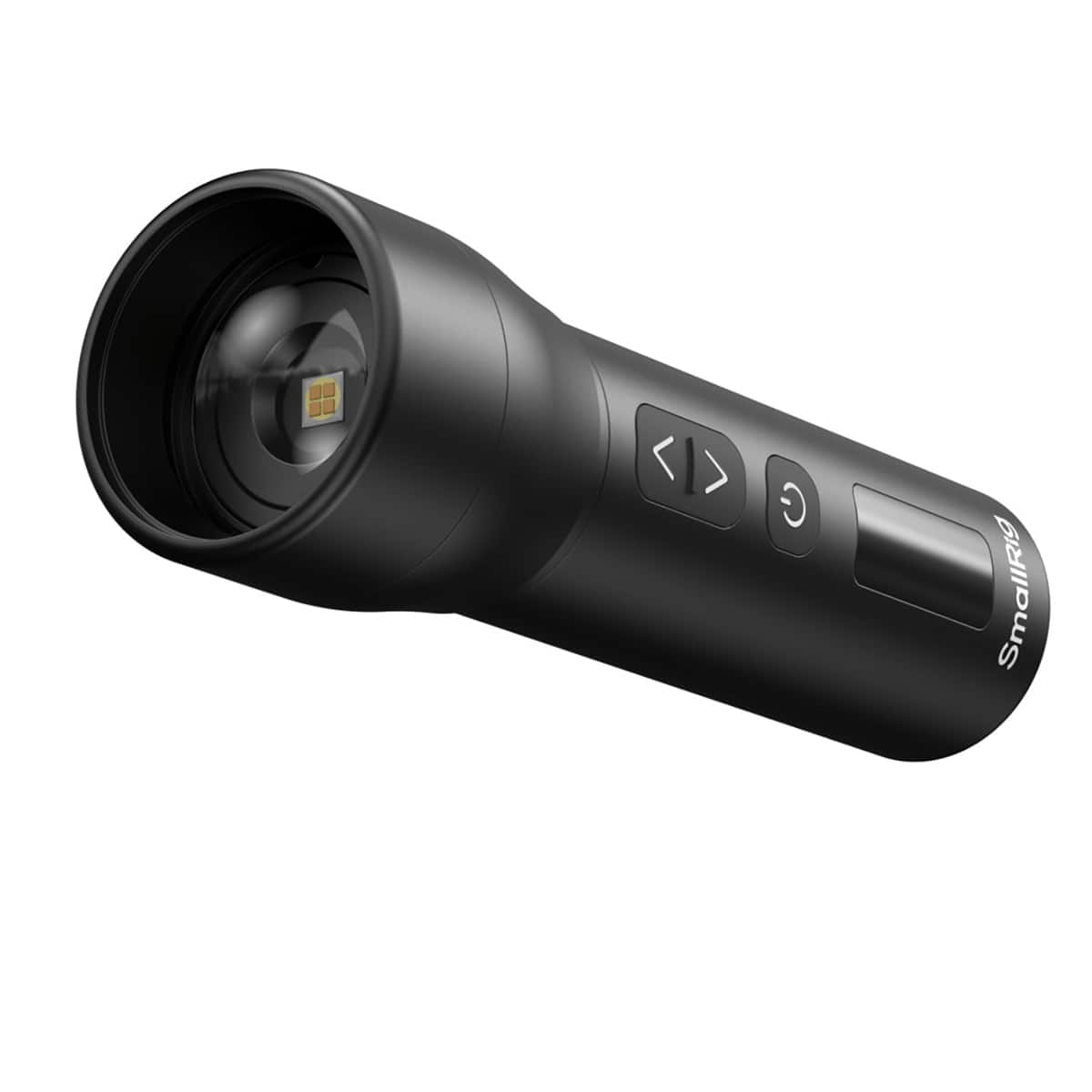
    A high-power RGB COB LED video light with full-spectrum color, ultra-quiet operation, and versatile power options.

    A high-power RGB COB LED video light with full-spectrum color, ultra-quiet operation, and versatile power options.

    (0)
    $409.00 Your price for this item is $409.00
  6. 6

    About this product

    A portable bi-color LED video light with 1900K-8000K CCT, high CRI, and all-weather durability.

    A portable bi-color LED video light with 1900K-8000K CCT, high CRI, and all-weather durability.

    (0)
    $47.02 Your price for this item is $47.02
  7. 7

    About this product

    A compact bi-color LED light with adjustable beam angles, plug-in power, and professional lighting control.

    A compact bi-color LED light with adjustable beam angles, plug-in power, and professional lighting control.

    (0)
    $419.00 Your price for this item is $419.00
  8. 8

    About this product

    A powerful daylight-balanced LED light offering 5600K color temperature, high CRI, and advanced control options.

    A powerful daylight-balanced LED light offering 5600K color temperature, high CRI, and advanced control options.

    (0)
    $5,995.00 Your price for this item is $5,995.00
  9. 9

    About this product

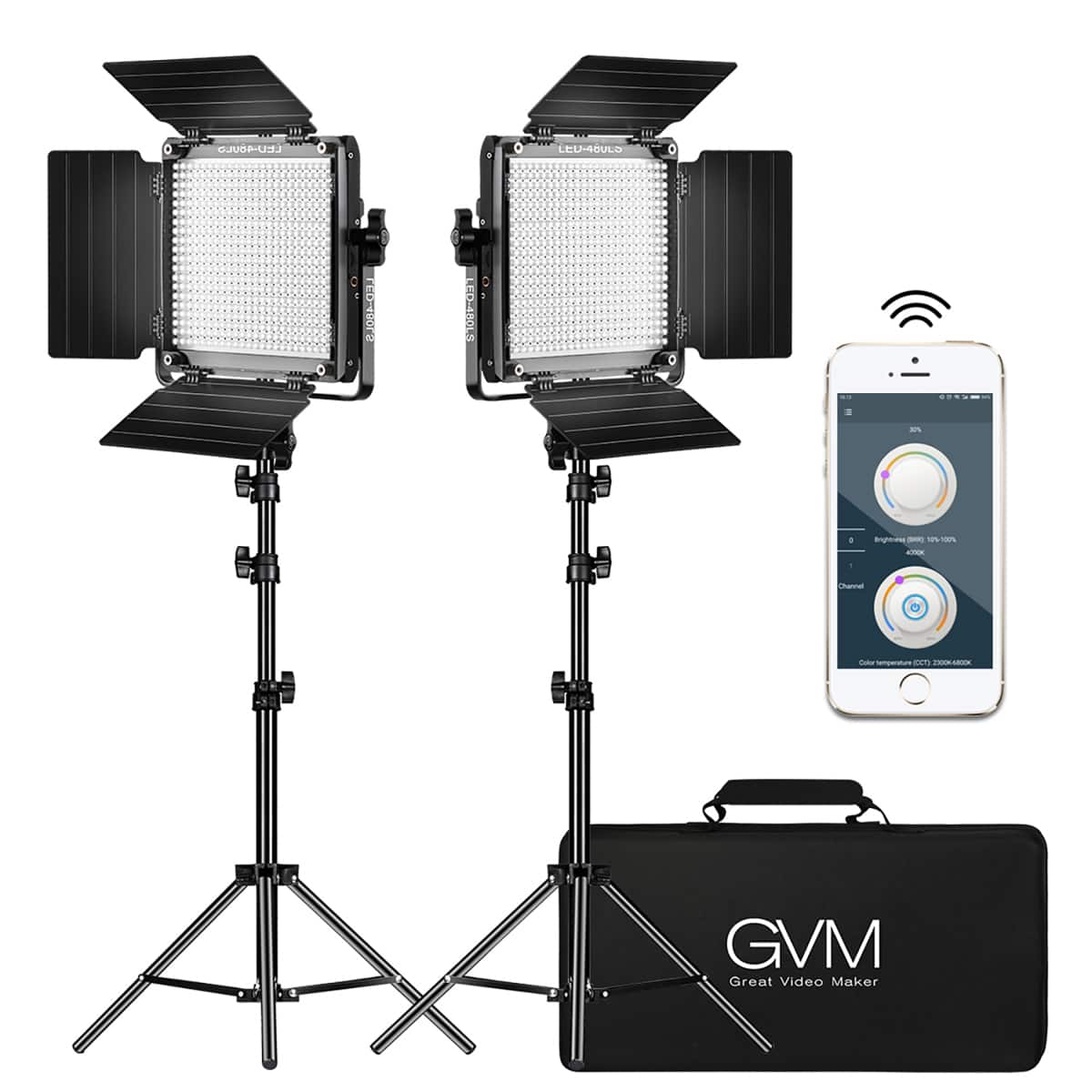
    A two-panel bi-color LED kit with 2300K–6800K adjustment, CRI 97+, aluminum construction, stands, and carrying case.

    A two-panel bi-color LED kit with 2300K–6800K adjustment, CRI 97+, aluminum construction, stands, and carrying case.

    (0)
    $199.99 Your price for this item is $199.99
  10. 10

    About this product

    A compact 25W RGBWW on-camera LED light with 32W Boost output, quick-release mounting, and app control.

    A compact 25W RGBWW on-camera LED light with 32W Boost output, quick-release mounting, and app control.

    (1)
    $89.00 Your price for this item is $89.00

Best On-Camera Light

The best on-camera light is one that delivers enough light at the intended shooting distance, renders colors faithfully, fits the camera securely, and has a practical power source for the session. For interviews, close-up demonstrations, handheld video, and creator content, a compact LED light can bring detail back into a face that would otherwise look dim against a bright background. It can also add a small catchlight to the eyes or make the texture of a handmade object easier to see. Unlike a flash, a continuous on-camera light stays illuminated, making its effect visible before recording begins. Its usefulness depends on more than maximum brightness, though. A presenter speaking at arm’s length needs a different amount of illumination than someone standing across a room, and a camera-mounted light generally works best on nearby subjects rather than broad spaces. Output specifications are most meaningful when they include a measurement distance: lux readings taken at different distances are not directly comparable. Beam angle matters, too, since a narrow beam can concentrate light on a face while a wider beam spreads it across more of the scene. Smooth dimming makes it easier to balance that added illumination with existing room light without washing out skin or creating an overly bright foreground. For a tabletop demonstration, gentle fill can reveal the markings on a small component; for a moving interview, a more concentrated beam may help keep the speaker visible as the background changes. Diffusion softens the appearance of the source, although a small panel still has limits when it comes to creating soft shadows. A diffuser also reduces usable output, so brightness with the intended modifier attached matters more than a bare-light specification alone. With glasses, shiny packaging, or reflective surfaces, even a small change in camera position or light angle can reduce distracting reflections. Straight-on illumination is convenient, but an adjustable mount that raises or offsets the light can make the result look less flat. These practical differences help distinguish a light suited to quick handheld clips from one better matched to carefully arranged close-up work.

Color quality is another defining characteristic of an on-camera LED light, especially when the subject includes skin tones, clothing, food, or artwork. Daylight-balanced lights provide a fixed color temperature, while bi-color lights allow adjustment between warmer and cooler white light. That flexibility is useful when a recording moves between rooms with different fixtures or when a subject needs to blend naturally with the surrounding illumination. Matching the light to the scene and setting the camera’s white balance accordingly can help prevent a face from appearing noticeably orange or blue against its background. RGB lights add creative color options for accent lighting, stylized portraits, and background effects, but full-color capability is not automatically more useful than dependable white light. For straightforward interviews or product demonstrations, accurate white output and easy adjustment may matter more. CRI and TLCI ratings offer reference points for color rendering, although no single rating describes every aspect of a light’s performance. Consistency across brightness settings, available color-temperature settings, and recorded footage also deserves attention. Flicker performance is particularly relevant for slow-motion video or recordings made with faster shutter speeds; a light’s stated compatibility should cover the frame rates and settings involved. Physical construction affects everyday use just as much as the controls. Lightweight polymer housings can keep a handheld setup manageable, while metal housings may offer a sturdier feel and help disperse heat. Neither material alone determines durability, and exposed controls, mounting threads, and battery doors remain important details. Clear displays, accessible buttons, and secure adjustment knobs are useful when the camera is already mounted and the subject is ready. Presets or control locks can help preserve a consistent look between takes and prevent accidental changes while handling the camera. A light with a broad feature set still needs controls that are easy to operate without repeatedly interrupting a recording.

Fit and power determine how comfortably an on-camera light becomes part of a working setup. A compatible shoe mount or threaded adapter should hold the light securely without blocking the camera’s screen, microphone, viewfinder, or essential controls. A cold shoe provides a physical mounting point rather than electrical power, so the light still needs its own supported power connection or battery. Mounting arrangements vary, and the load limits of the camera, cage, bracket, or support remain important. A panel that feels light by itself can make a small camera noticeably top-heavy once a microphone and other accessories are attached. On a stabilizer, the added weight and position can also affect balance and clearance. Integrated rechargeable batteries keep the setup self-contained, while replaceable batteries can support longer sessions when charged spares are part of the kit. Published runtime figures are useful only alongside the brightness level and operating mode used for the test, since maximum output can shorten operating time substantially. USB power may suit a desk recording space, but connector compatibility, required power delivery, and whether the light supports operation while charging depend on its specifications. Cables need enough slack for movement without hanging across controls or pulling against ports. For shoots with separate illumination for the subject and background, Professional Lighting can complement a compact camera-mounted source rather than requiring that single light to do every job. Away from the camera, a compatible stand or small tripod can make the same light useful for tabletop scenes or a seated presentation. Routine care is straightforward: power the light off before cleaning, use a soft cloth, and follow the manufacturer’s directions for the lens, diffuser, and housing. Clear ventilation openings, protected connectors, and a padded storage compartment help prevent avoidable wear during transport. For a gift recipient who records tutorials, interviews, craft projects, or family videos, mounting compatibility and recording habits matter more than the longest feature list. A well-matched light earns its place by making subjects easier to see while keeping the recording setup comfortable and predictable.

FAQs