Microphone For Vocals
-
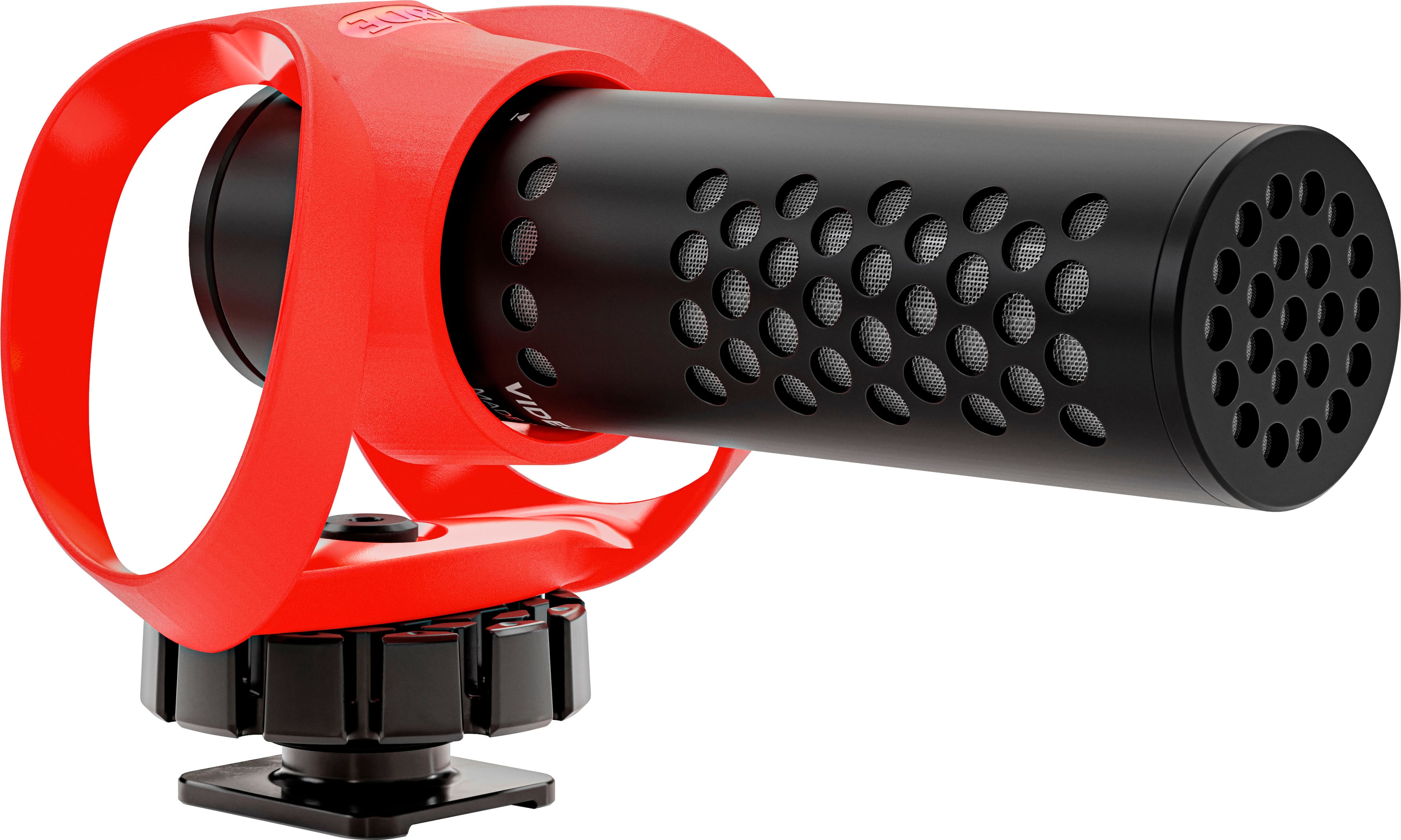
RØDE - VideoMicro II Wired Supercardioid Shotgun Microphone - Black
SKU: JXR9LSGQZXLove this microphone!...I was skeptical buying this microphone but I honestly love it. The quality on it is great!...Pretty good microphone for the price.
See all Camera MicrophonesProduct Description
A compact black supercardioid shotgun microphone with rugged all-metal construction and advanced HELIX isolation mount.Your price for this item is $89.99 -
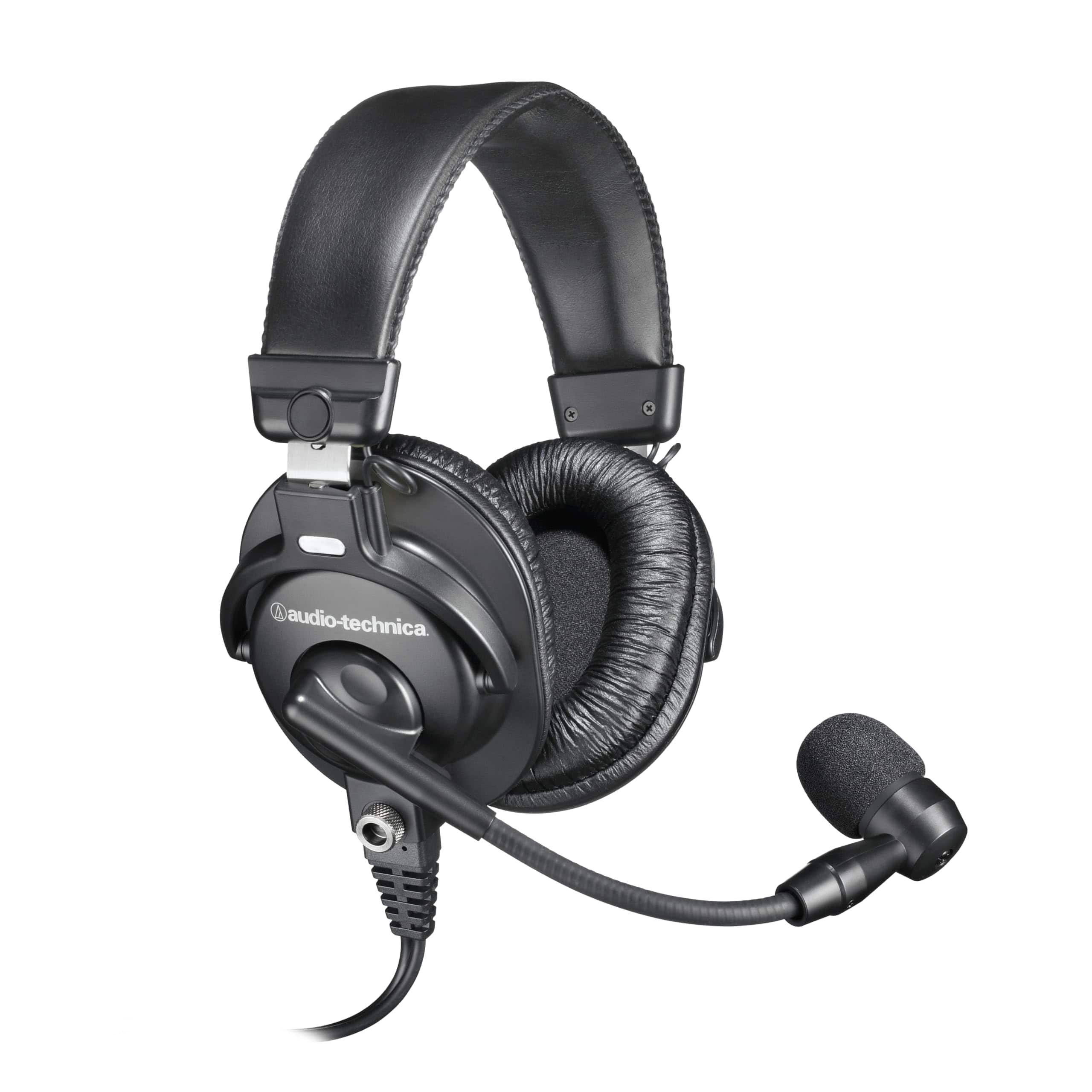
Audio-Technica - BPHS1 Broadcast Stereo Headset with Dynamic Cardioid Boom Mic Adjustable - Black
SKU: CG94624Z53See all Bookshelf SpeakersProduct Description
A rugged black headset with closed-back ear cups and a dynamic cardioid boom mic for clear broadcasts.Your price for this item is $239.00 -
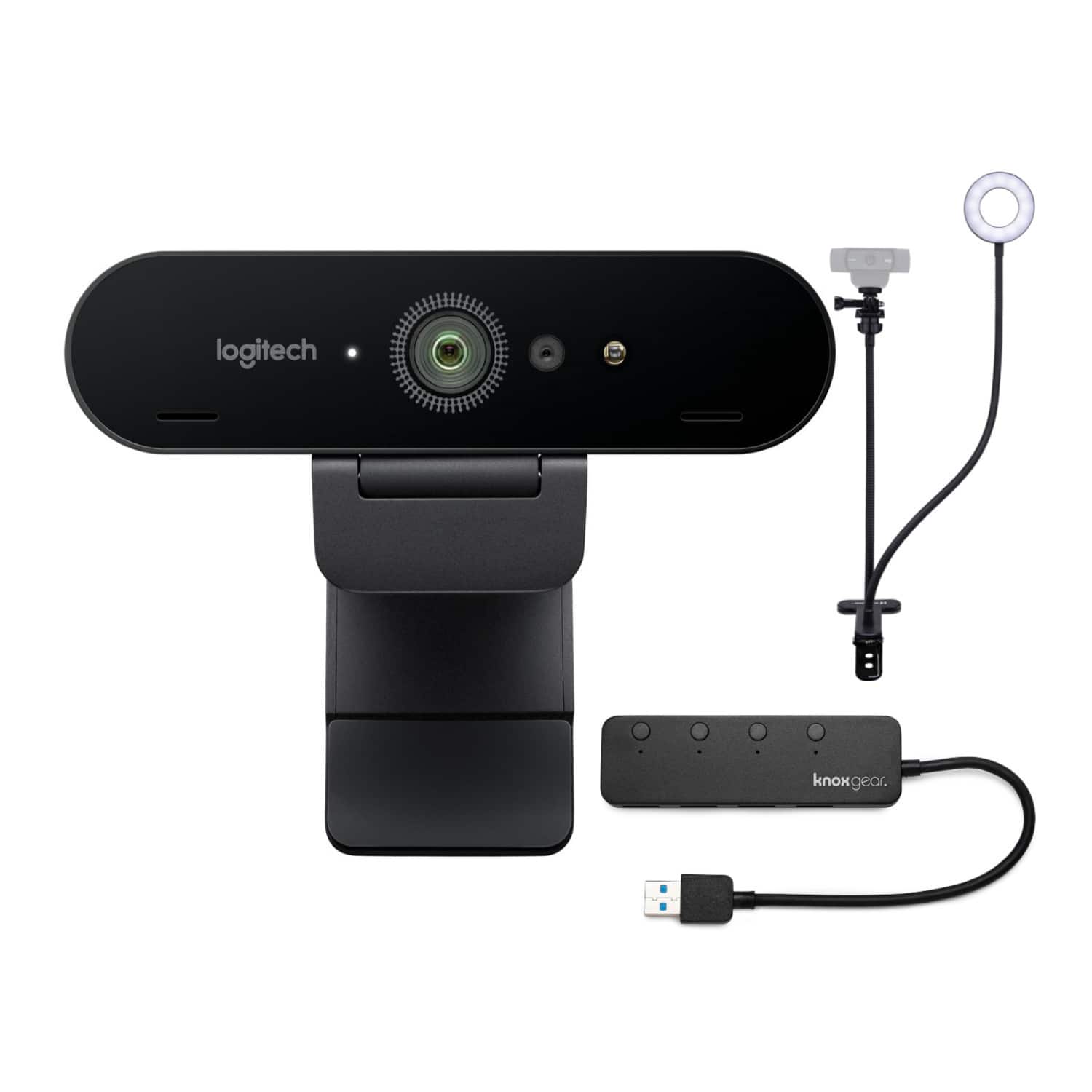
Logitech - Miro 4K Pro Webcam with Webcam Stand and 4-Port 3.0 USB Hub
SKU: JJG2FXLTCZSee all WebcamsProduct Description
A 4K UHD webcam with built-in microphone, plug-and-play setup, stand, and 4-port USB 3.0 hub.Your price for this item is $229.99 -
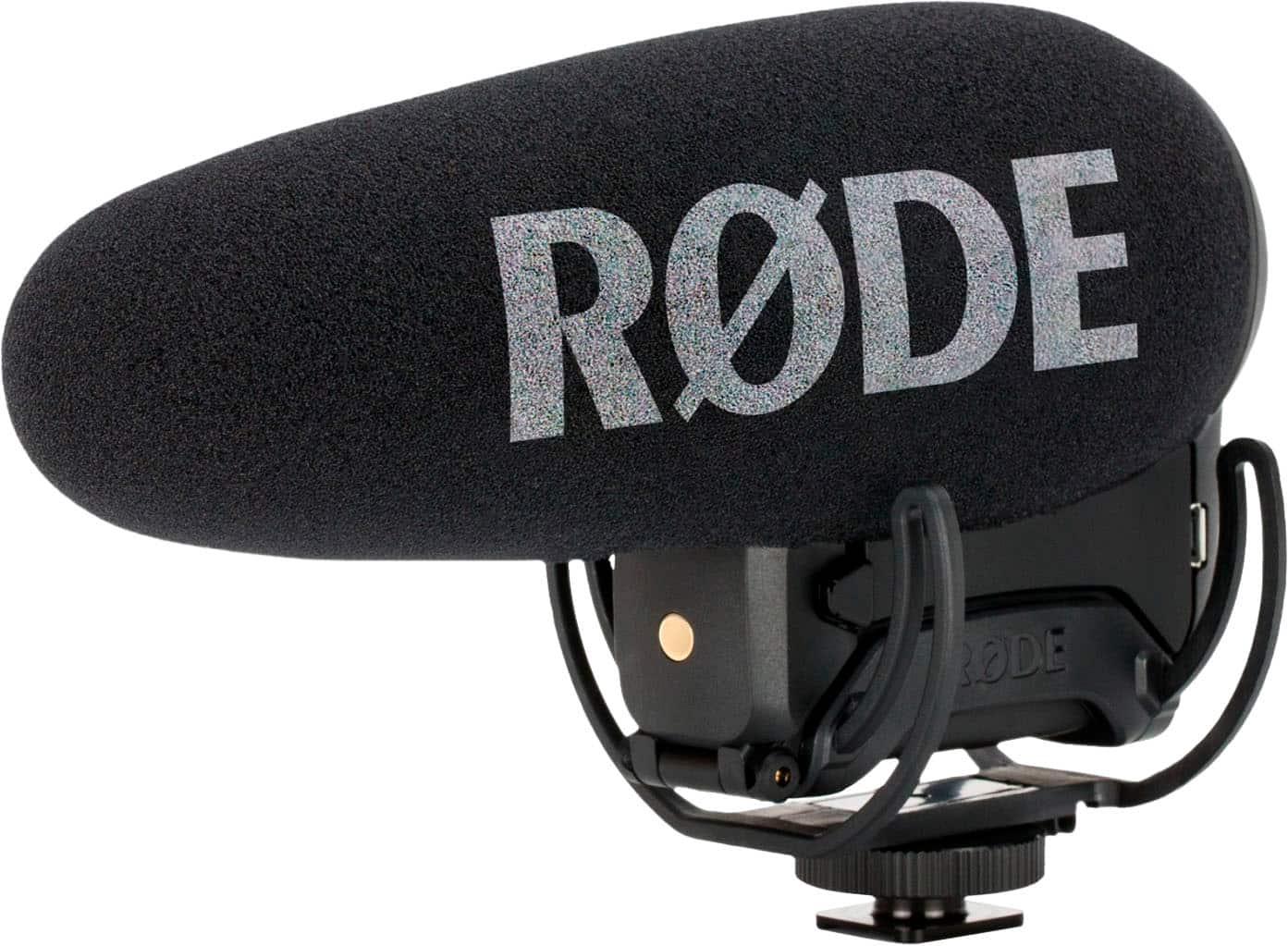
RØDE - VIDEOMIC PRO+ Premium On-Camera Microphone - Black
SKU: JXR9LSGGV3See all Camera MicrophonesProduct Description
A premium black on-camera shotgun microphone delivering broadcast-quality audio with auto on/off and long battery life.Your price for this item is $290.99Save $19The previous price was $309.99 -
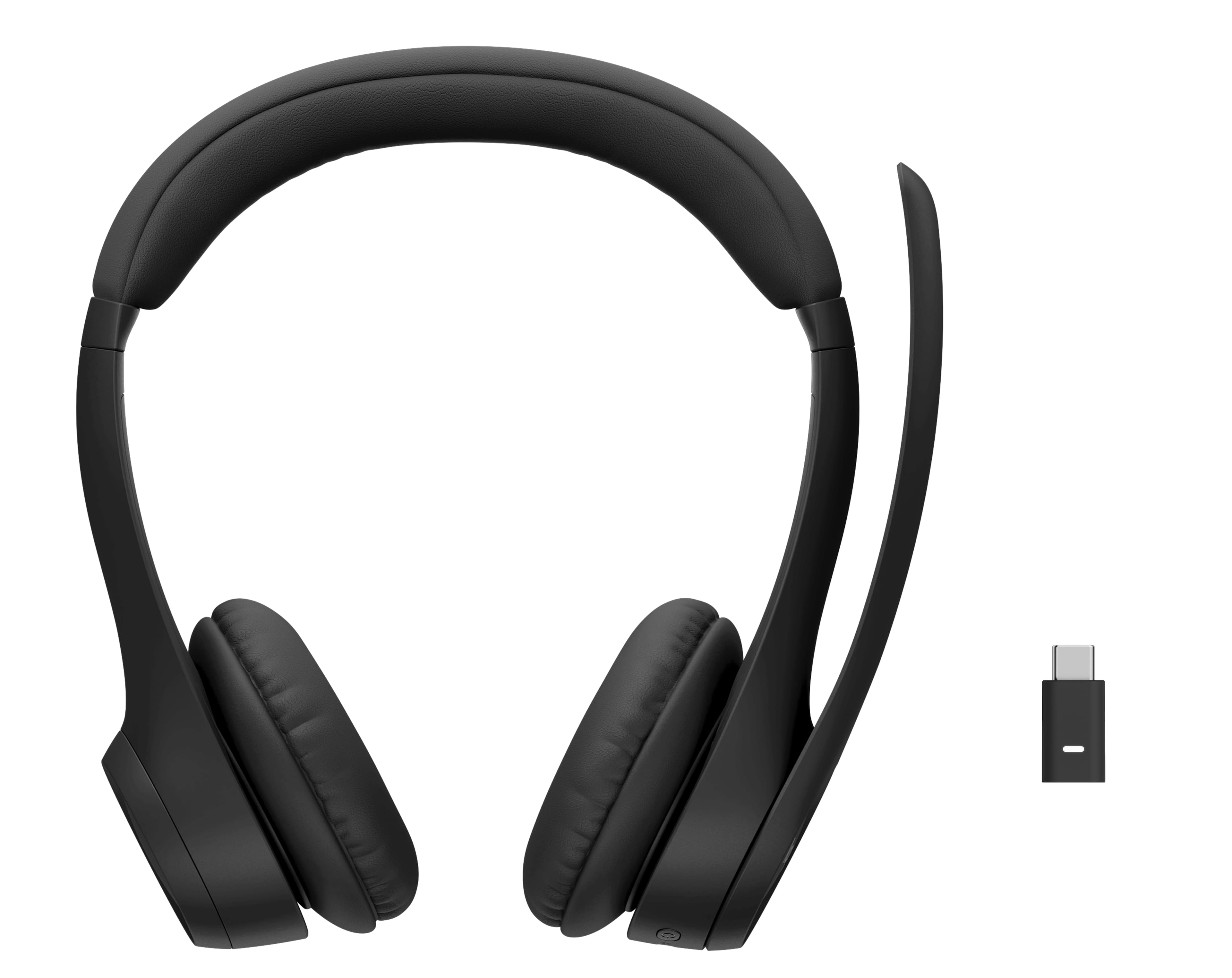
Logitech - Zone 305 Wireless Bluetooth Noise Cancelling Over-the-Ear Headset UC Version with Receiver - Black
SKU: J7H7ZYGQCHThis headset is good, but it's not all that, when it comes to blocking any exterior sound at the moment is quite mediocre, it is quite reliable transmitting the vocals to The Listener on the other side...
See all Headsets & MicrophonesProduct Description
A wireless black over-the-ear headset with Bluetooth and dual noise-canceling microphones for clear calls.Your price for this item is $99.99 -
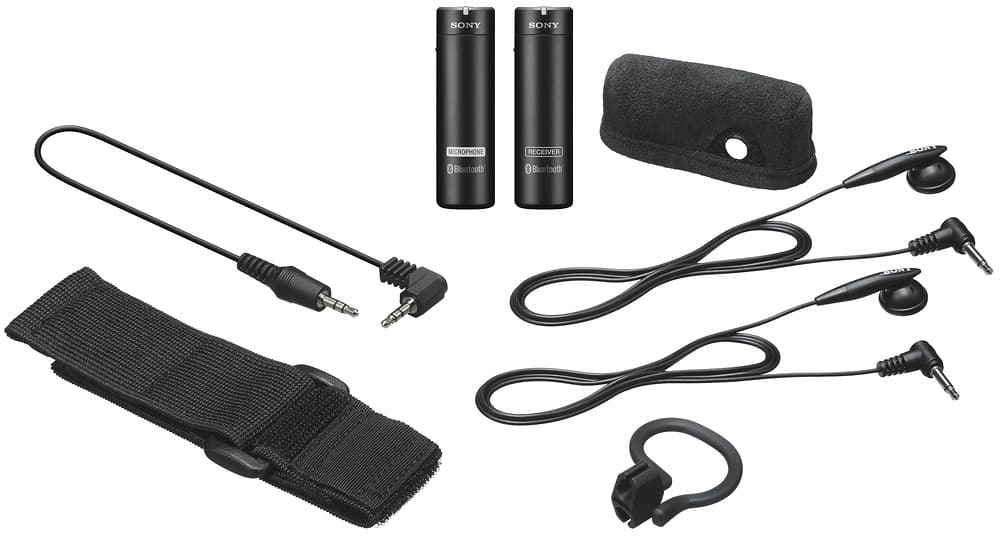
Sony - Wireless Condenser Microphone - Black
SKU: J7XSRHK3WKSee all Camera MicrophonesProduct Description
A wireless black condenser microphone enabling two-way Bluetooth communication with a receiver up to 150 feet away.Your price for this item is $278.00 -
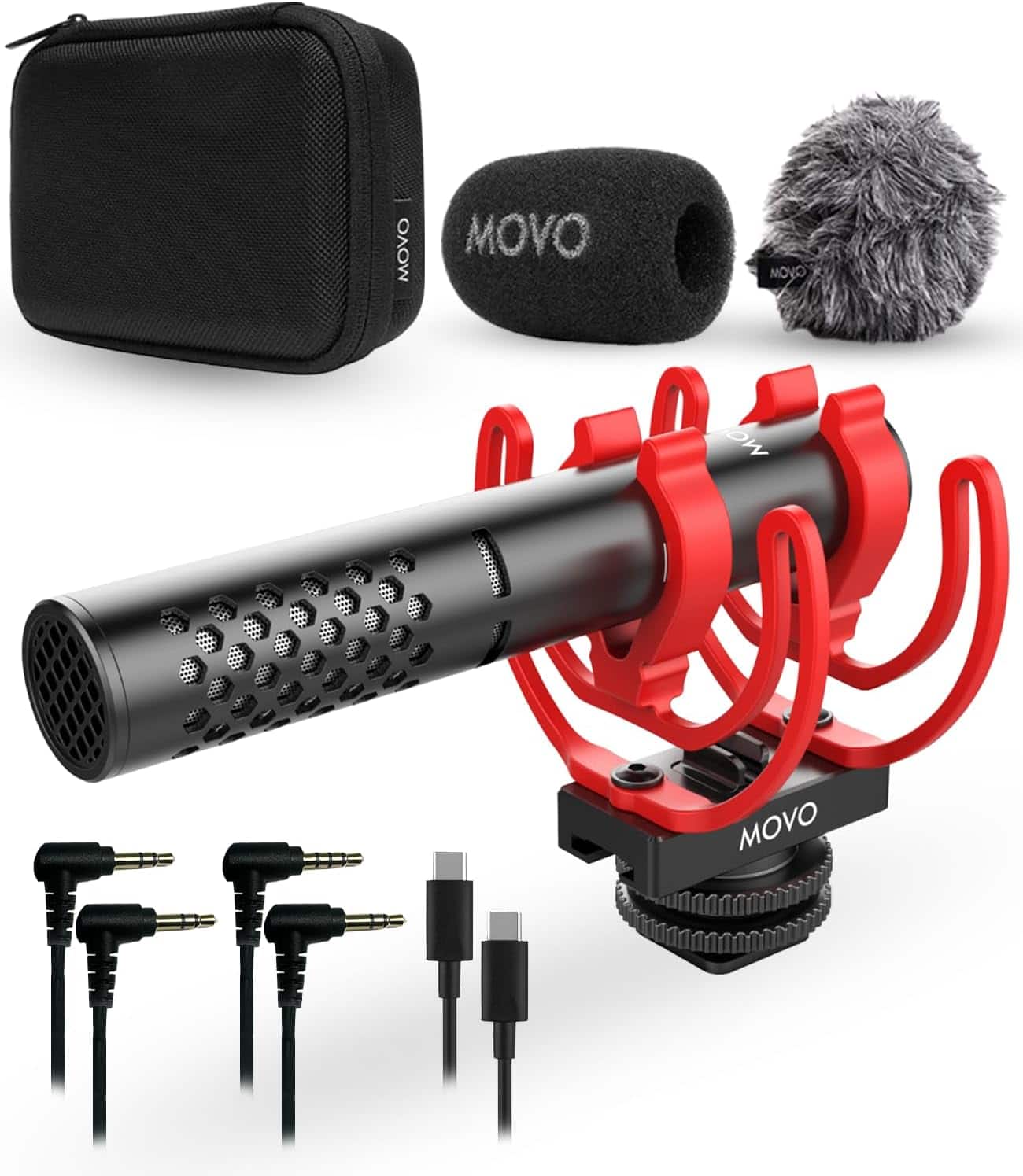
MOVO - X1-Mini Video Shotgun Mic - Supercardioid 3.5mm/USB-C Analog/Digital Microphone for Cameras, Smartphones, Computers
SKU: J3LVLQ3HKCSee all Camera MicrophonesProduct Description
A durable aluminum supercardioid microphone capturing high-fidelity audio for cameras, smartphones, and computers.Your price for this item is $69.95 -
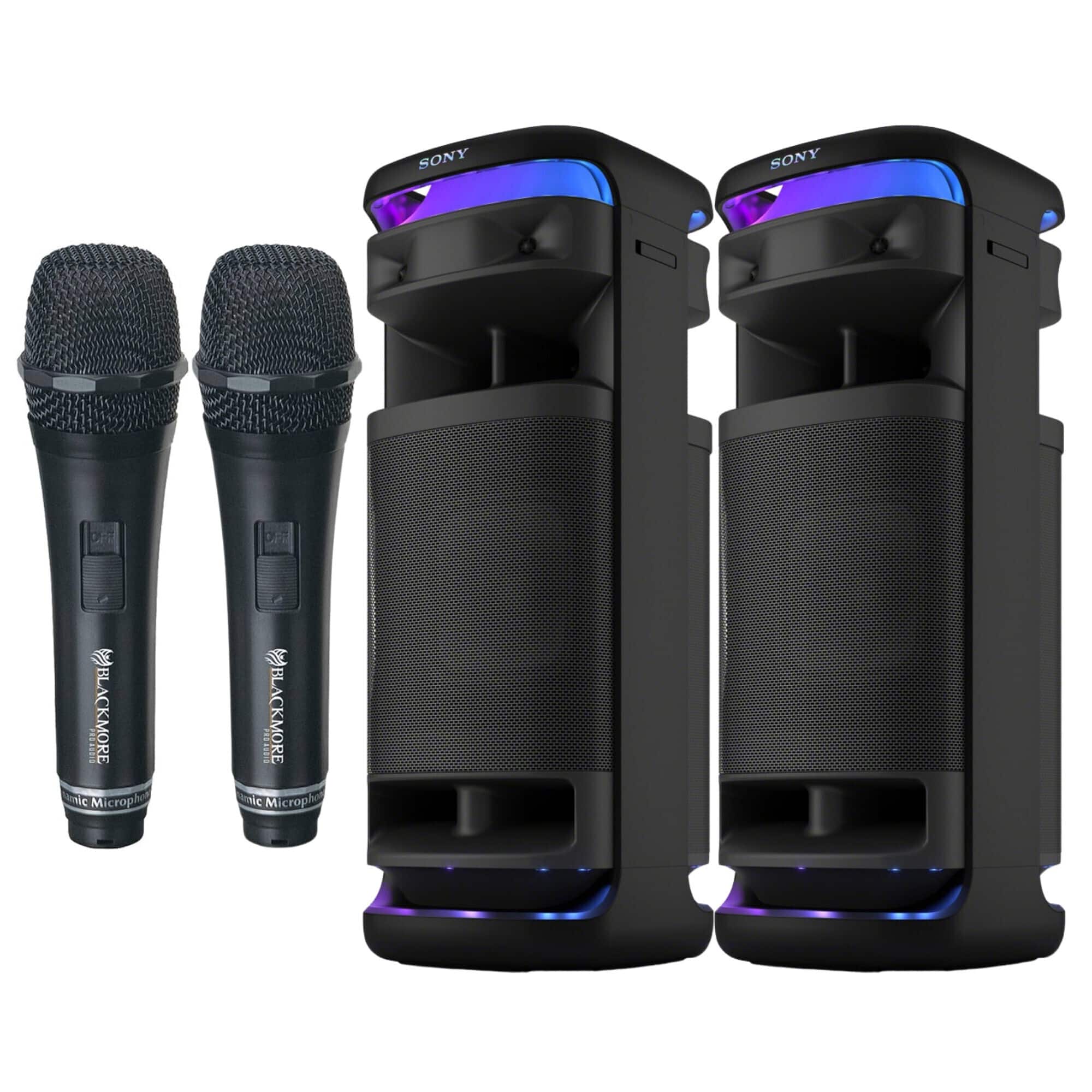
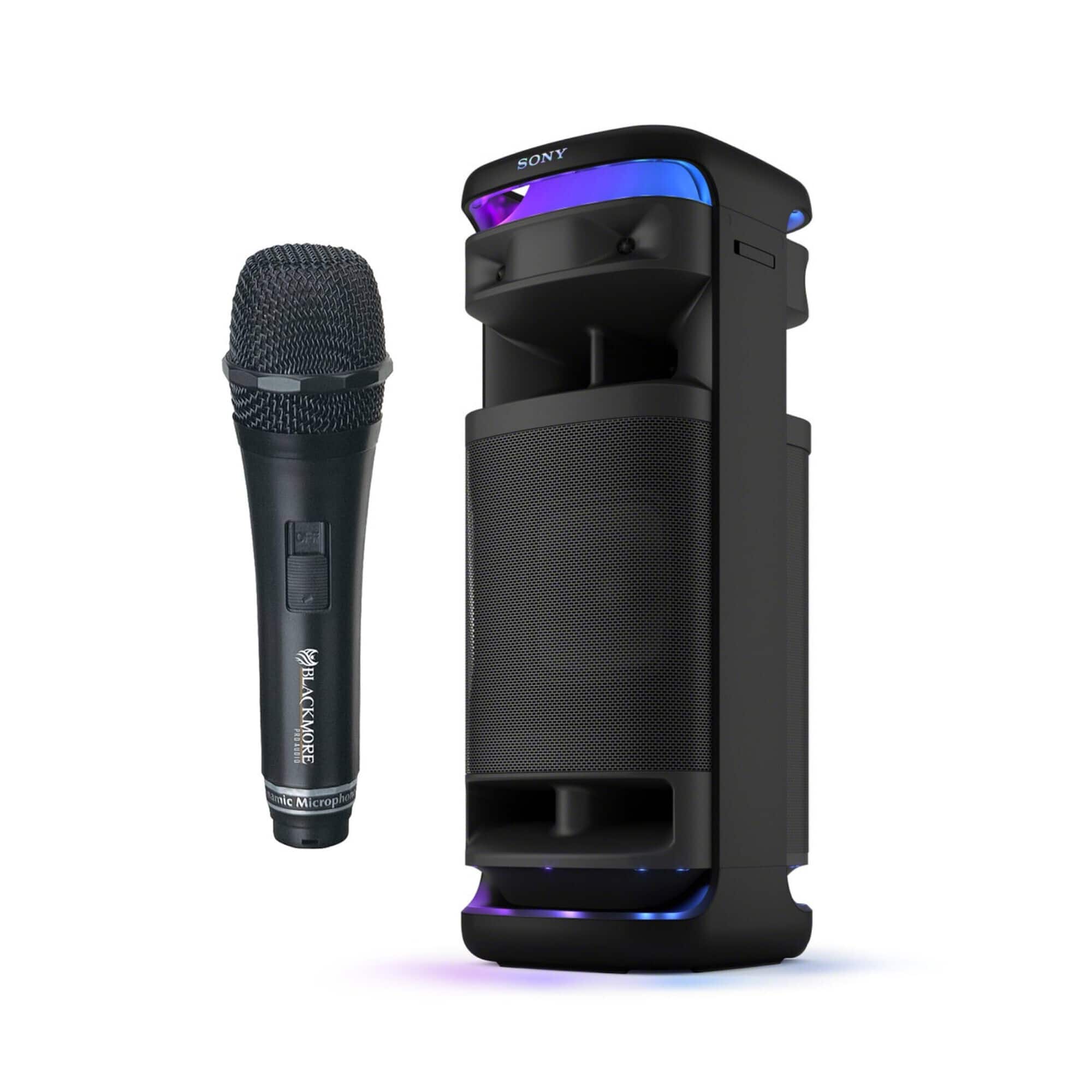
Sony - ULT TOWER 10 Party Speaker - SRSULT1000 Two (2) Speaker Bundle - Black
SKU: JJG2FXWW3CSee all Bluetooth & Wireless SpeakersProduct Description
A powerful black party speaker bundle with wireless and wired microphones for dynamic audio and karaoke events.Your price for this item is $2,039.99 -
Sony - ECM322BMP Professional Headset Microphone,Black - Black
SKU: J7XSRHG9RWSee all Computer HeadsetsProduct Description
An omni-directional black headset microphone delivering clear, sensitive audio for presentations and multimedia applications.Your price for this item is $180.99 -
Sony - ULT TOWER 10 Party Speaker - SRSULT1000 Wired Unidirectional Dynamic Microphone Bundle - Black
SKU: JJG2FXYVL3See all Bluetooth & Wireless SpeakersProduct Description
A powerful black party speaker bundle with wireless and wired microphones for dynamic, immersive audio experiences.Your price for this item is $1,199.99

Best Sellers


Related Pages

FAQ
When choosing a microphone for vocals, consider features such as microphone type (dynamic or condenser), polar pattern (cardioid, omnidirectional, etc.), frequency response, connectivity (USB or XLR), and built-in filters like pop filters or shock mounts. These features help ensure clear, high-quality vocal recordings.
USB microphones are convenient and easy to set up, making them ideal for beginners or home studio use. XLR microphones offer higher audio quality and flexibility, often preferred by professionals, but require an audio interface or mixer for use.
Common accessories for vocal microphones include pop filters to reduce plosive sounds, shock mounts to minimize vibrations, microphone stands for stability, and audio interfaces (for XLR mics). These accessories can enhance your recording experience.
Yes, many microphones designed for vocals are also great for podcasting, streaming, and voice-over work. Look for models with clear sound reproduction and features that suit your recording environment.
Condenser microphones are sensitive and capture a wide frequency range, making them ideal for studio vocal recordings. Dynamic microphones are more rugged and handle high sound pressure levels, making them suitable for live performances or louder environments.