Fishing Monitors
-
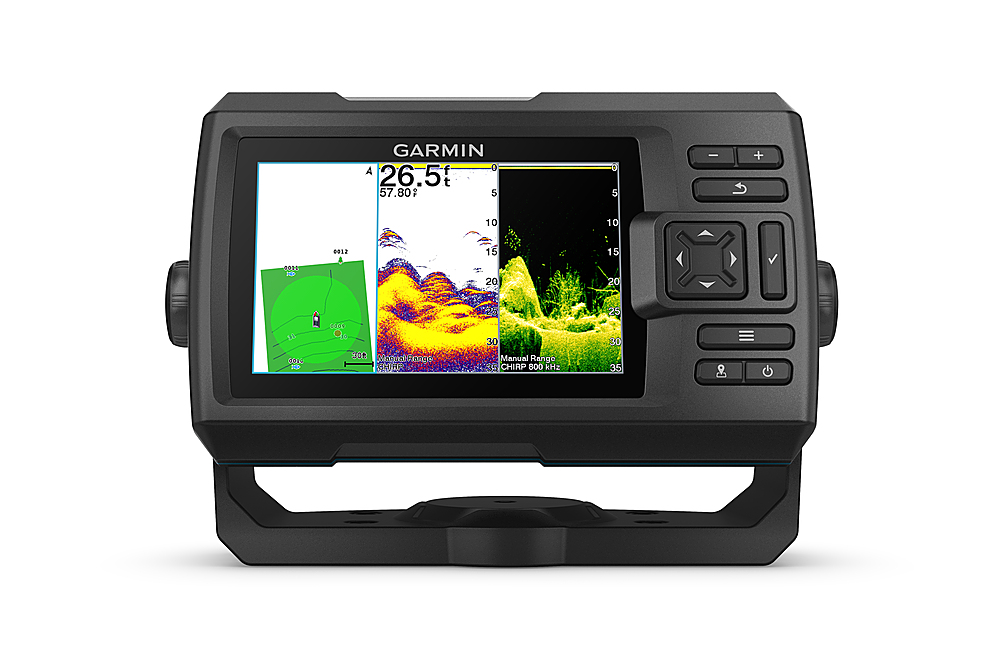
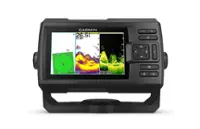
Garmin - STRIKER Vivid 5cv Fishfinder GPS - Black
SKU: JXF9YFWXG9See all Marine GPS & FishfindersProduct Description
A black fishfinder with high-contrast color display, CHIRP sonar, GPS, and Quickdraw Contours mapping.Your price for this item is $349.99 -
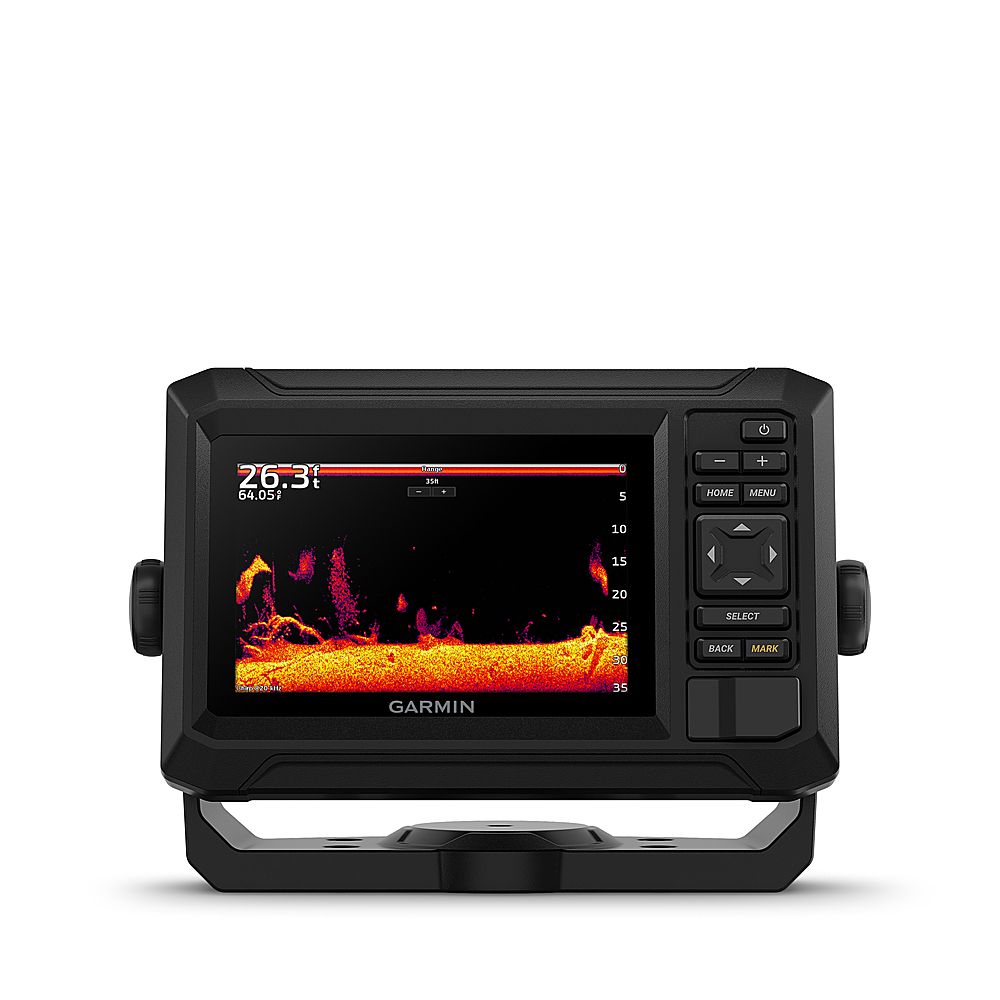
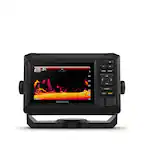
Garmin - ECHOMAP Chartplotter GPS UHD2 54cv with transducer - Black
SKU: JXF9YFZHL3I really love this thing.
See all Marine GPS & FishfindersProduct Description
A black chartplotter GPS with sonar, vivid color display, built-in maps, Wi-Fi, and app compatibility.Your price for this item is $499.99 -
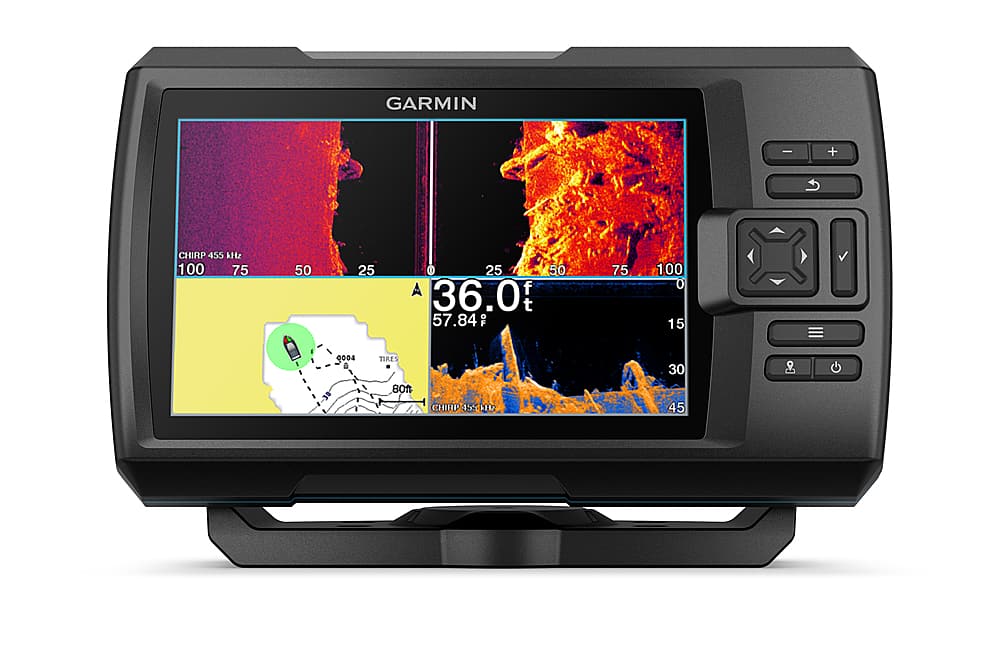
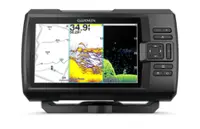
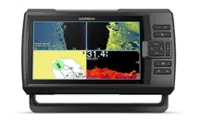
Garmin - STRIKER Vivid 7sv Fishfinder GPS - Black
SKU: JXF9YFWXP8So far I love it and I like the fact that I can use it for ice fishing as well as open water...I upgraded from multiple different devices and this one is great....Very dependable and great imaging.
See all Marine GPS & FishfindersProduct Description
A black fishfinder with vivid color display, CHIRP sonar, GPS, Wi-Fi, and Quickdraw mapping features.Your price for this item is $519.99 -
Garmin - ECHOMAP Chartplotter GPS UHD2 74cv with transducer - Black
SKU: JXF9YFZHL5See all Marine GPS & FishfindersProduct Description
A black chartplotter GPS with sonar, vivid color display, built-in maps, Wi-Fi, and app compatibility.Your price for this item is $699.99 -
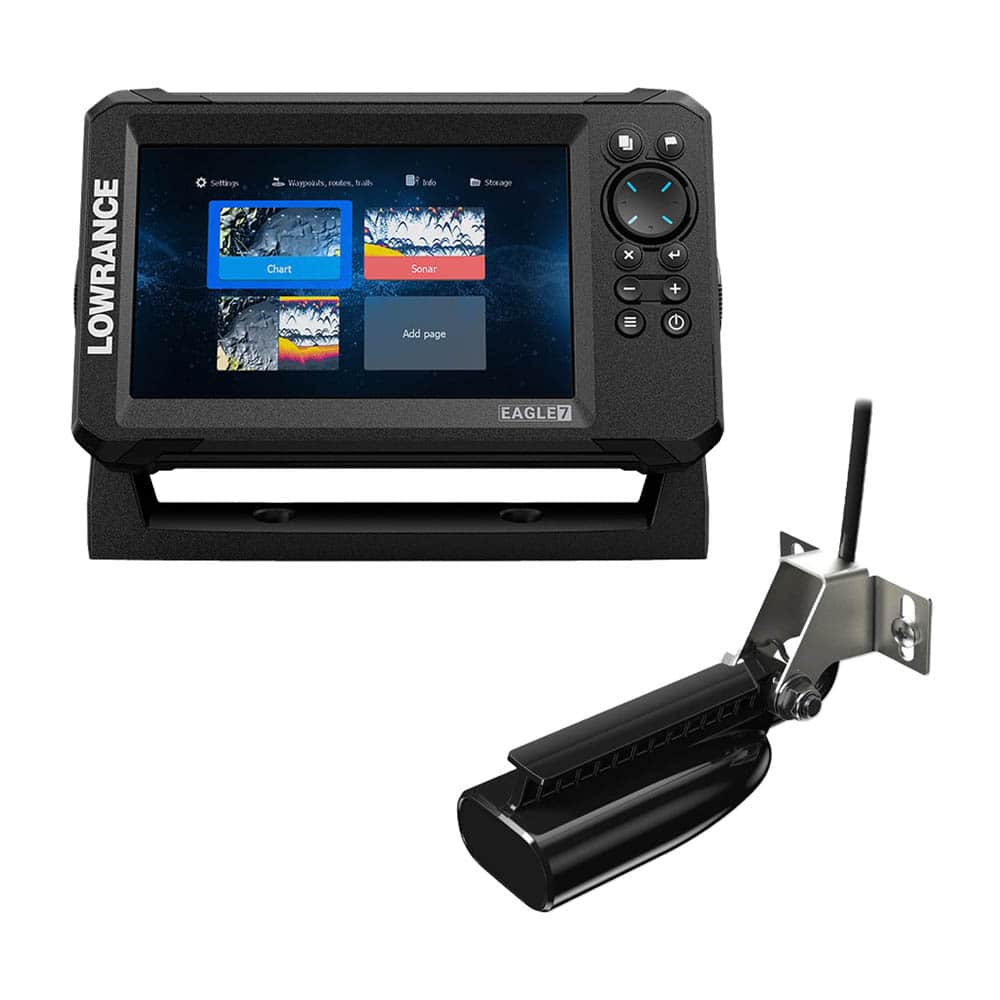
Lowrance - 000-16114-001 Eagle 7 Splitshot Amer Fish Finders with IPS Screen - Black
SKU: BSWYRRXP3RSee all Marine GPS & FishfindersProduct Description
A black fish finder featuring an IPS screen, SplitShot HD Transducer, FishReveal, and worldwide basemap.Your price for this item is $499.99 -
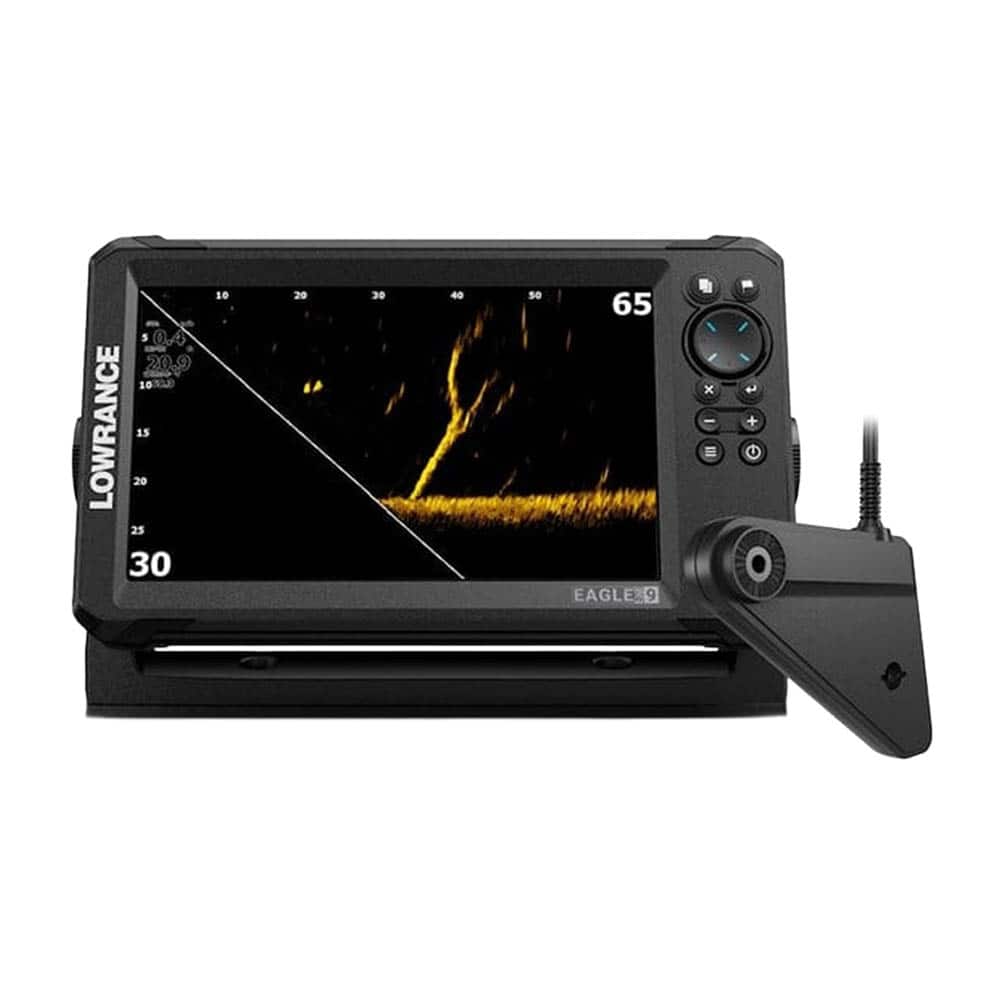
Lowrance - Eagle Eye Transducer with Live Sonar, 9" IPS screen, C-MAP - Black
SKU: BSWYRRXPSGSee all Marine GPS & FishfindersProduct Description
A black plug-in fish finder featuring live sonar, CHIRP, DownScan Imaging, FishReveal, and detailed C-MAP charting.Your price for this item is $999.00 -
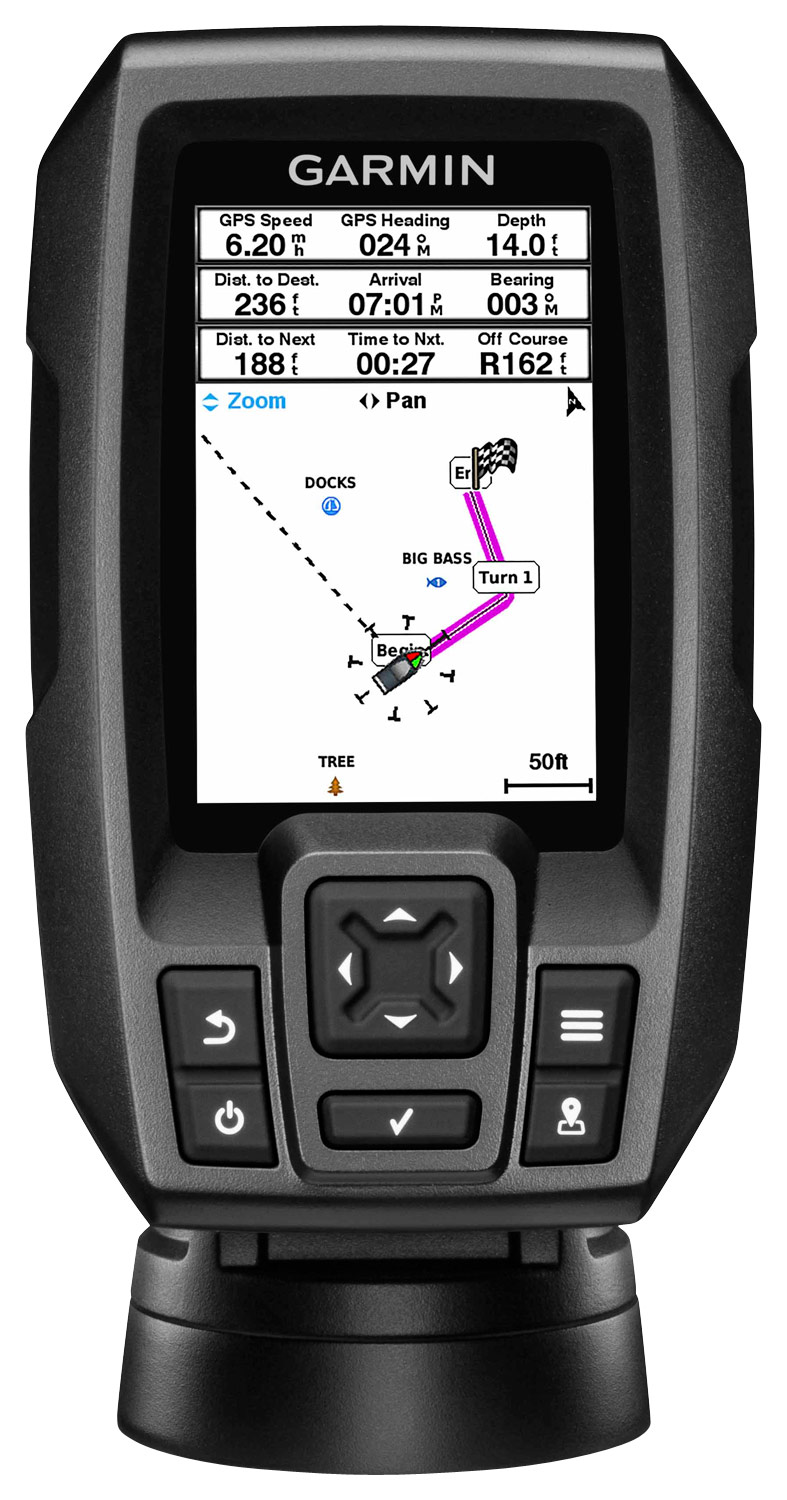
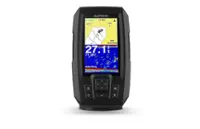
Garmin - Striker 4 Fishfinder GPS - Black
SKU: JXF9YFPP36I love how clear it is. and so easy to us I love the gps on it also great uint....Works great easy setup. Love the GPS way point makes it easy to navigate
See all Marine GPS & FishfindersProduct Description
A black fishfinder with GPS, CHIRP sonar, backlit color display, and water resistance for confident fishing.Your price for this item is $139.99Save $20The previous price was $159.99 -
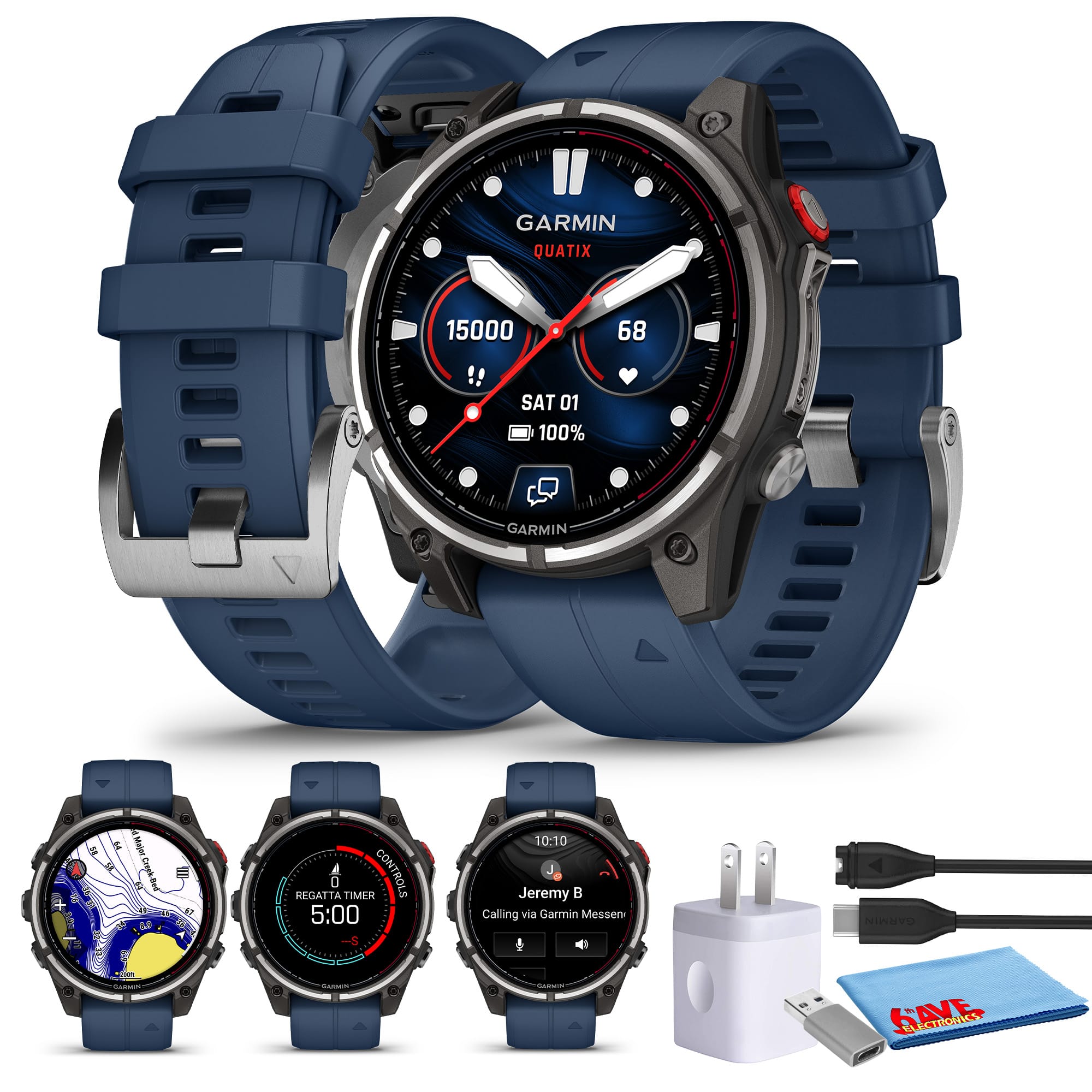
Bundle - Garmin - quatix 8 Pro 47mm Smartwatch AMOLED inReach - Black - (2024)
SKU: JJGYT4CZXXSee all All SmartwatchesProduct Description
A rugged black marine smartwatch with AMOLED display, GPS, vessel control, and satellite communication features.Your price for this item is $1,325.99

Best Sellers
Related Pages



FAQ
When choosing a fishing monitor, look for features such as high-resolution displays, waterproof or water-resistant design, GPS compatibility, and advanced sonar technology for accurate fish detection. Additional features like split-screen viewing, mapping capabilities, and wireless connectivity can also enhance your fishing experience.
Yes, many fishing monitors are designed to work in both freshwater and saltwater environments. However, it's important to check the product specifications to ensure compatibility with your intended fishing location.
Most fishing monitors come with mounting kits and detailed instructions for installation. Generally, you'll need to mount the display unit securely on your boat, connect the transducer to the hull or trolling motor, and wire the system to a power source. For best results, follow the manufacturer's guidelines or consult with a professional installer.
Many modern fishing monitors offer wireless connectivity and are compatible with mobile apps. These apps allow you to view data, save waypoints, and update software directly from your smartphone or tablet, providing added convenience and functionality.
2D sonar provides a flat, two-dimensional image of what is beneath your boat, making it easier to spot fish and structure. 3D sonar, on the other hand, offers a three-dimensional view, giving you a more detailed and realistic representation of the underwater environment. This can help you better identify fish locations and underwater features.