Multiple Monitor Graphics Cards
-
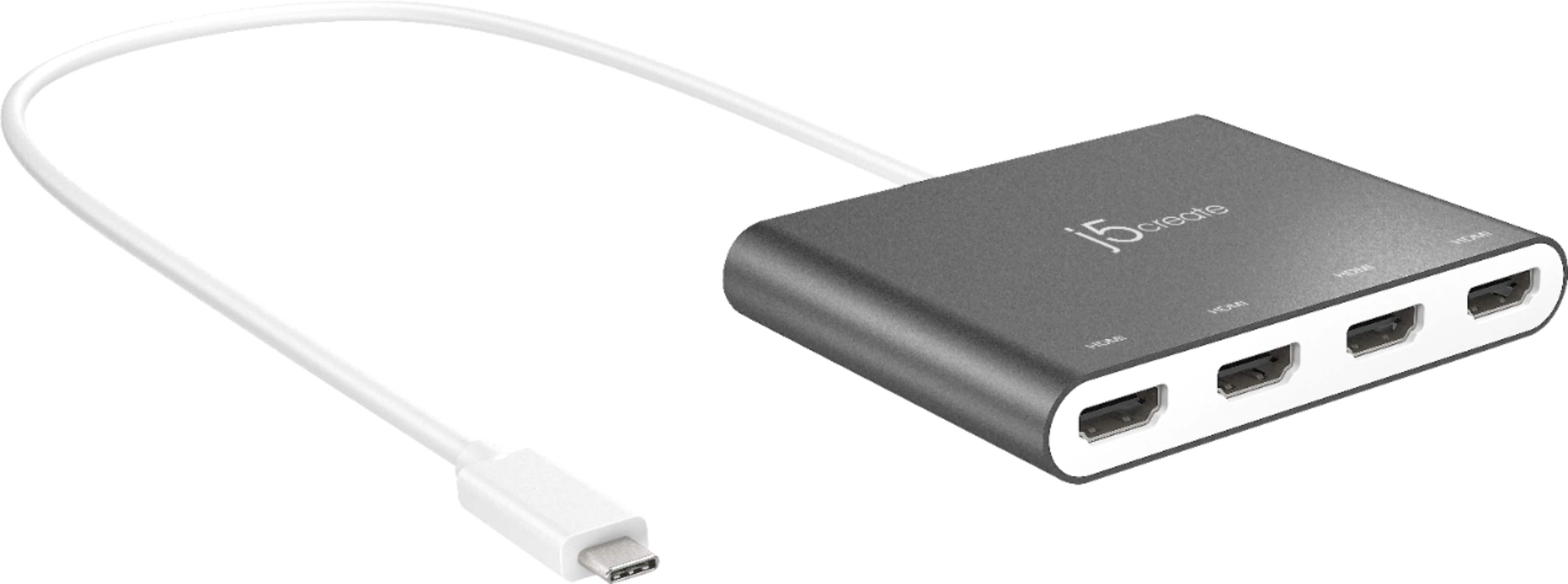
j5create - USB-C to 4-Port HDMI Multi-Monitor Adapter - Silver
SKU: J36445R3Z4Great product...Great solution for my needs! The best buy consultant was great....Best multi monitor adapter you can buy...Great quality build and still looks new.
See all Docking StationsProduct Description
A silver aluminum adapter that adds four HDMI monitors to your USB-C device for expanded multitasking.Your price for this item is $99.99 -
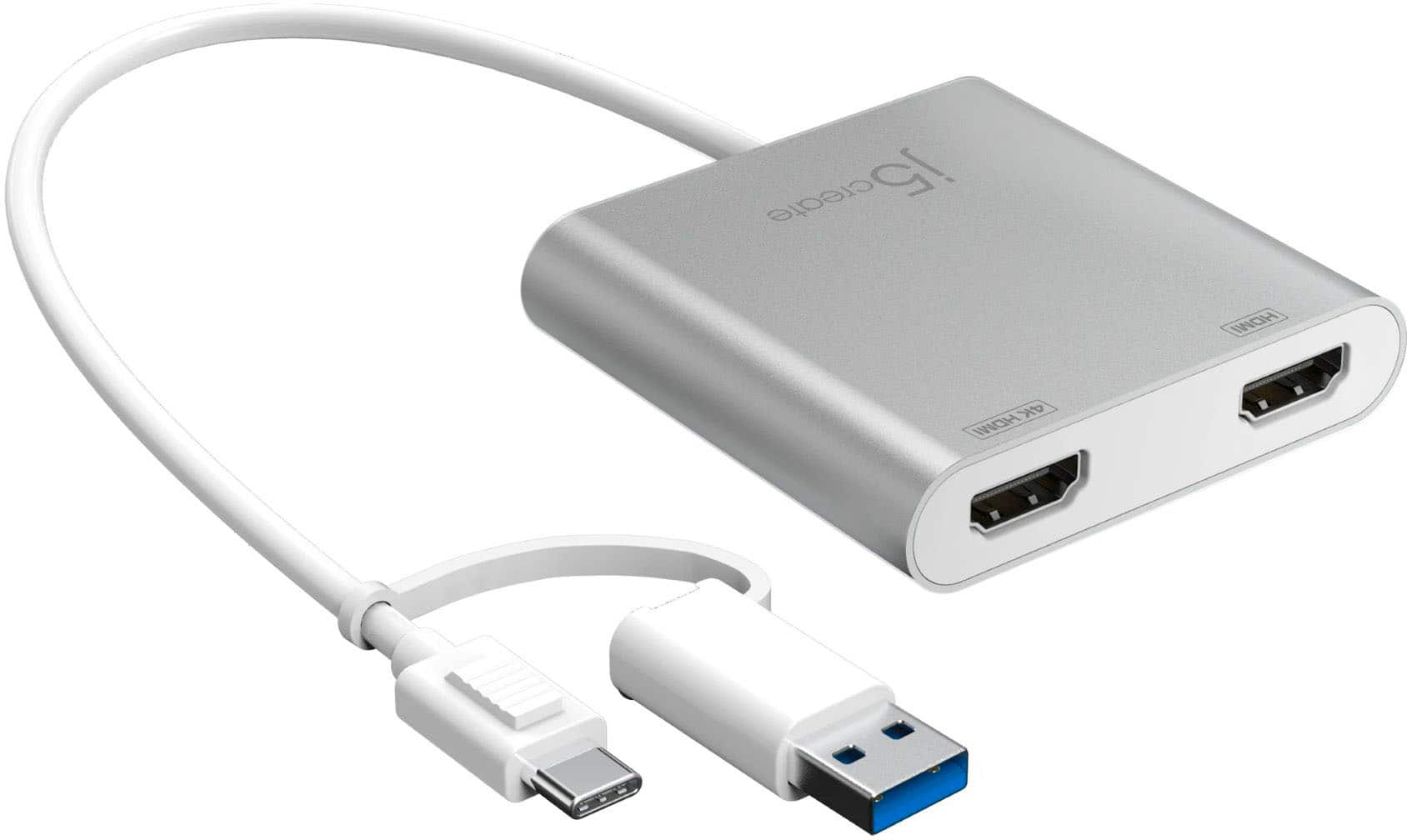
j5create - USB-C to Dual HDMI Multi-Monitor Adapter - Silver
SKU: J36445RYPWSpoke with the Best Buy associate regarding my needs for a multi-monitor device to deliver the best functionality...After almost two month of use I can say it's the best choice i made great product with...
See all Monitor & Video CablesProduct Description
A silver USB-C adapter that adds two HDMI displays, supporting up to 4K resolution for enhanced productivity.Your price for this item is $60.99Save $4The previous price was $64.99 -
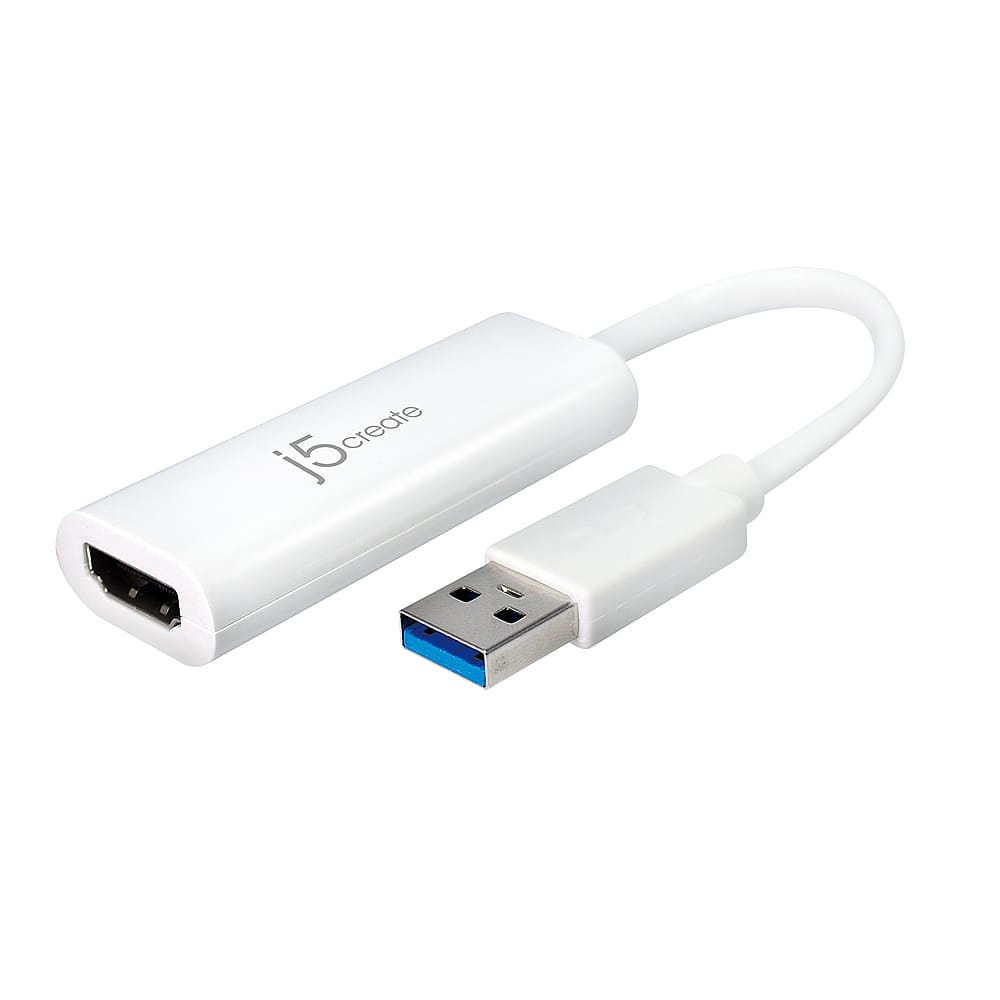
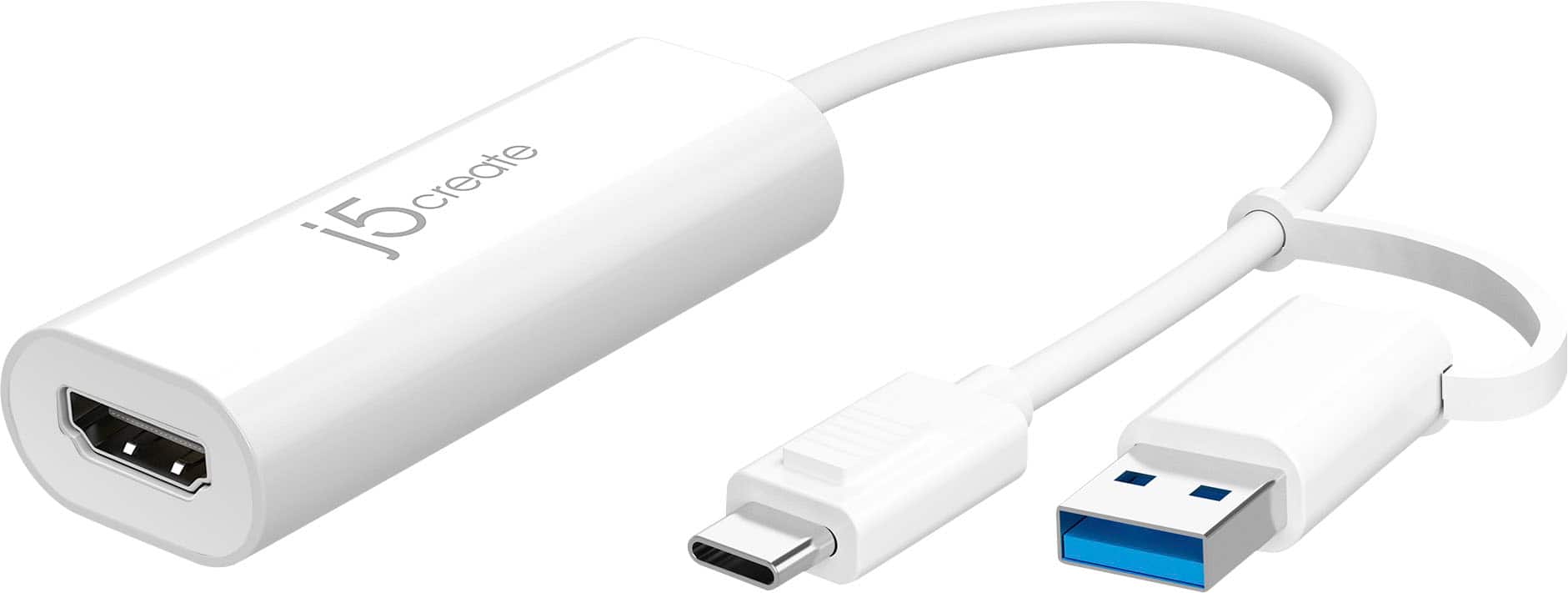
j5create - USB to HDMI Multi-Monitor Adapter - White
SKU: J36445RCQTGreat device. Used my bonus points. Never a problem or issue with Best Buy....I love these kinds of adapters that makes life so much easier to connect all devices
See all Monitor & Video AdaptersProduct Description
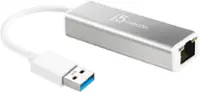
A white USB-to-HDMI adapter that enables multi-monitor setups with plug-and-play functionality for Windows and Mac.Your price for this item is $29.99 -
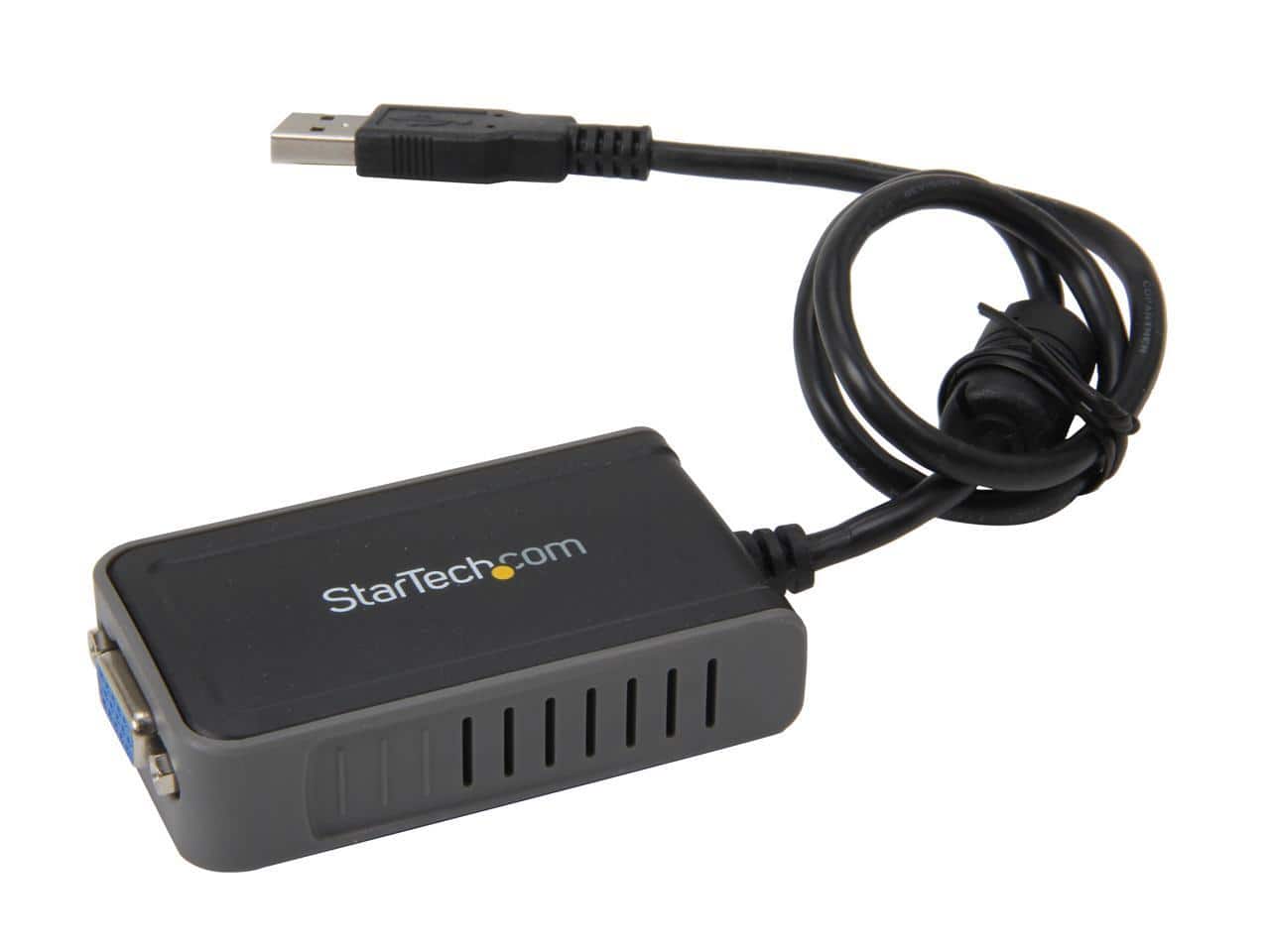
StarTech.com - USB to VGA Adapter - 1440x900 External Graphics Card
SKU: J7PHY2FSVKSetup was simple, and my second monitor works great!
See all Monitor & Video CablesProduct Description
A USB-to-VGA adapter that enables multi-monitor setups with external video support up to 1440x900 resolution.Your price for this item is $37.75Save $0The previous price was $37.89 -
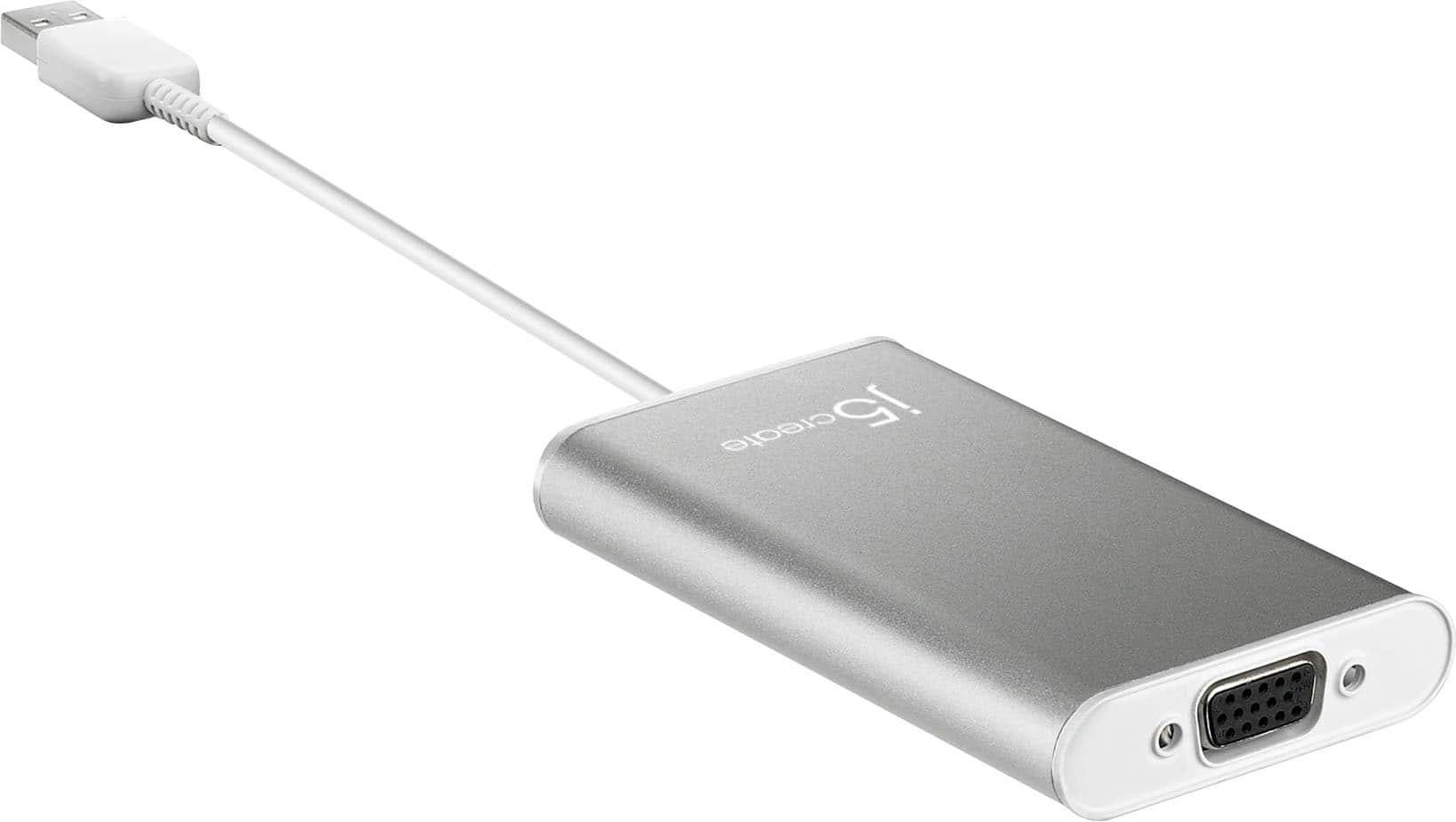
j5create - USB 2.0 VGA Display Adapter - Silver
SKU: J36445R7JYSee all Monitor & Video CablesProduct Description
A silver USB 2.0 adapter that adds a VGA display to your Mac or PC for expanded viewing.Your price for this item is $49.99 -
j5create - USB™ to HDMI™ Multi-Monitor Adapter, with 3.14" cable - White
SKU: J36445R68LJ5 adapters are the best...I love the J5 products, they never let you down. Self installs and works 100% of the time...Thank You BEST BUY!
See all Monitor & Video CablesProduct Description
A white USB-to-HDMI adapter enabling multi-monitor setups with plug-and-play support for Windows and Mac.Your price for this item is $34.99
Best Sellers




Related Pages



FAQ
When choosing a graphics card for multiple monitors, consider the number and type of video outputs (such as HDMI, DisplayPort, or DVI), support for high resolutions, and compatibility with your monitors and system. Also, ensure the card supports the desired display configurations, like extended desktop or mirrored displays.
Yes, most multiple monitor graphics cards allow you to connect monitors of different brands and sizes. You can mix and match monitors as long as they are compatible with the available ports and your operating system supports multi-display setups.
Most modern graphics cards support multiple monitors on major operating systems like Windows, macOS, and Linux. However, it's important to check the graphics card manufacturer's specifications for compatibility with your preferred OS.
After installing your graphics card and connecting your monitors, use your operating system's display settings to arrange your screens, choose primary and secondary displays, and adjust resolution or orientation as needed. Many graphics card manufacturers also provide software utilities for advanced multi-monitor management.
Using multiple monitors can boost productivity by allowing you to multitask efficiently, such as having multiple applications open side-by-side. It's also popular for gaming, content creation, and financial trading, where expanded screen real estate enhances workflow and visibility.