Headphones For Use With Hearing Aids
-
MEDca - Premium Listening Set of 2 Small BTE Amplifiers Personal Audio Headphones Pair Device Daily Living Sports and Outdoors - Purple
SKU: JXZF4P4G3QSee all Hearing AmplifiersProduct Description
A pair of purple digital BTE amplifiers with noise reduction, feedback cancellation, and adjustable volume control.Your price for this item is $19.99Save $4The previous price was $23.99 -
Avantree - Opera Aura - Auracast Wireless TV Headphones with HDMI ARC Input
SKU: CZ9V8VWVR9See all Over-Ear HeadphonesProduct Description
A wireless over-ear TV system with HDMI ARC, optical pass-through, clear voice, volume boost, and Auracast.Your price for this item is $179.99 -
Avantree - Crescendo Me - Personalized Sound Wireless TV Headphones for Seniors & Hard of Hearing with Hearing Test
SKU: CZ9V8VWF33See all Over-Ear HeadphonesProduct Description
A wireless, over-the-ear headphone set with personalized sound, volume boost, and a replaceable battery.Your price for this item is $229.99Save $40The previous price was $269.99 -
Avantree - Eon Me - Personalized Sound Bluetooth Headphones for Seniors & Hard of Hearing, Clear Voice
SKU: CZ9V8VWVJYSee all Over-Ear HeadphonesProduct Description
A wireless, over-the-ear headphone offering personalized sound, clear voice, 60-hour playtime, and replaceable battery.Your price for this item is $169.99 -
EMEET - AirFlow Open-Ear Headphones - EMO1BB-LD - Black
SKU: JJG6F9FC4TSee all Open-Ear HeadphonesProduct Description
An open-ear wireless headphone in sleek black, designed for comfortable general use and situational awareness.Your price for this item is $102.99Save $2The previous price was $104.99 -
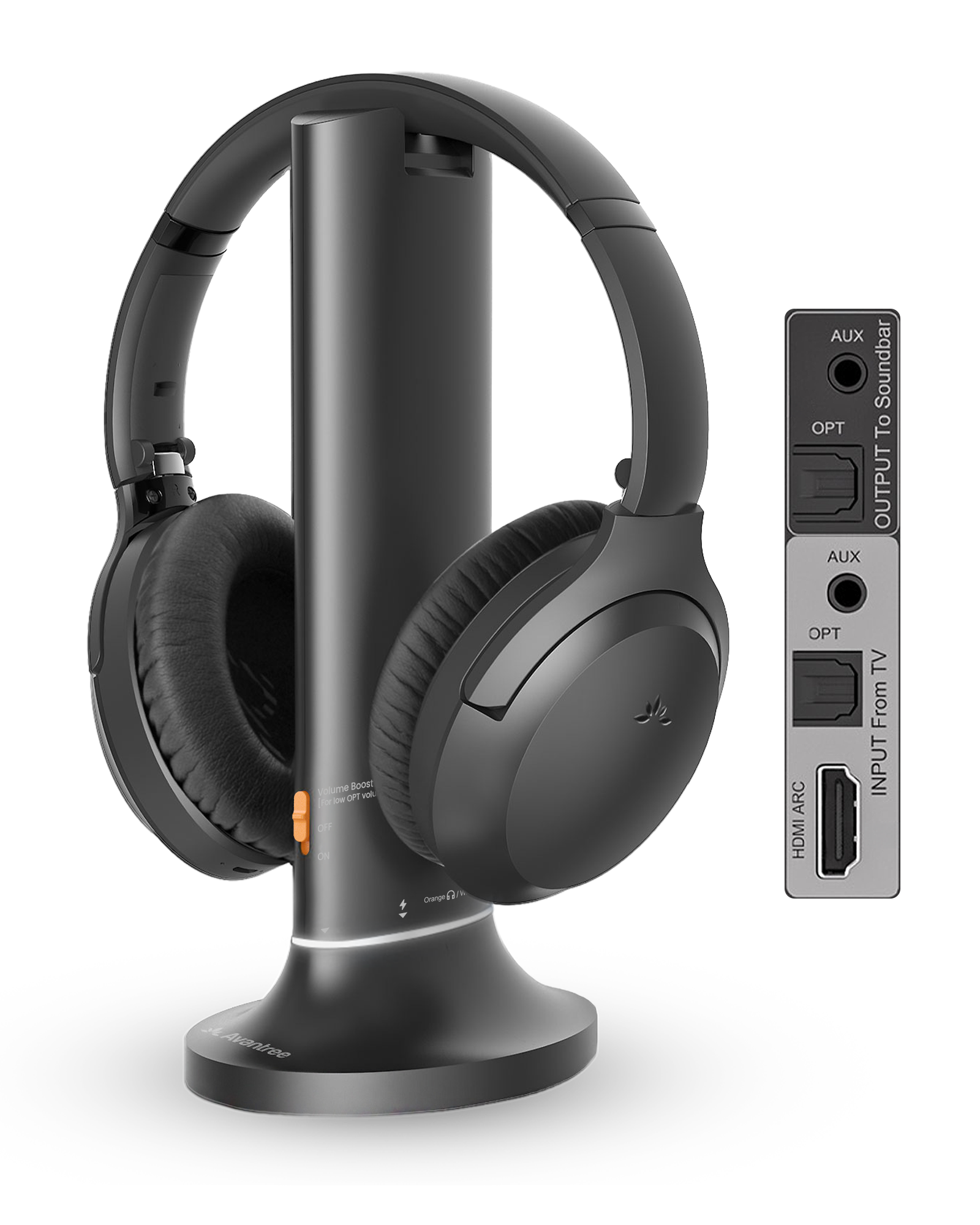
Avantree - HT5009 Plus - Ultra Comfortable Wireless Headphones for TV Watching, 60h Playtime, Clear Voice & Enhanced Volume
SKU: CZ9V8VW55PThese work great with dolby sound but ifbyou watch older movies you have to shutnoff dolby and you standard...But still works great.
See all Over-Ear HeadphonesProduct Description
An ultra-comfortable pair of black wireless over-the-ear headphones with 60-hour playtime and enhanced voice clarity.Your price for this item is $119.99Save $20The previous price was $139.99



Best Sellers



Related Pages



FAQ
When choosing headphones for use with hearing aids, look for features such as over-ear or on-ear designs that comfortably fit over your hearing aids, wireless connectivity to reduce interference, and adjustable headbands for a secure fit. Open-back headphones and models with soft ear cushions can also help minimize feedback and ensure comfort.
Yes, over-ear headphones are generally recommended for those using behind-the-ear (BTE) hearing aids. Their larger ear cups can comfortably accommodate the hearing aid without causing feedback or discomfort. Some users also find bone conduction headphones effective, as they transmit sound through the cheekbones and do not cover the ears.
Many modern hearing aids support Bluetooth connectivity, allowing you to pair them directly with Bluetooth headphones or audio devices. If your hearing aids do not have Bluetooth, you may still use wireless headphones, but ensure they fit comfortably over your hearing aids and do not cause interference.
Open-ear headphones, such as bone conduction or air conduction models, rest outside or just in front of the ears, leaving the ear canal open. This design is ideal for hearing aid users because it reduces the risk of feedback, allows ambient sounds to be heard, and provides comfort during extended use.
Yes, some headphones are specifically designed for hearing aid users, featuring unique shapes, adjustable ear cups, or open-ear technology. These models help prevent interference and feedback, and often include features like easy volume adjustments and compatibility with telecoil-equipped hearing aids.