Kids' Starter Drum Sets
-
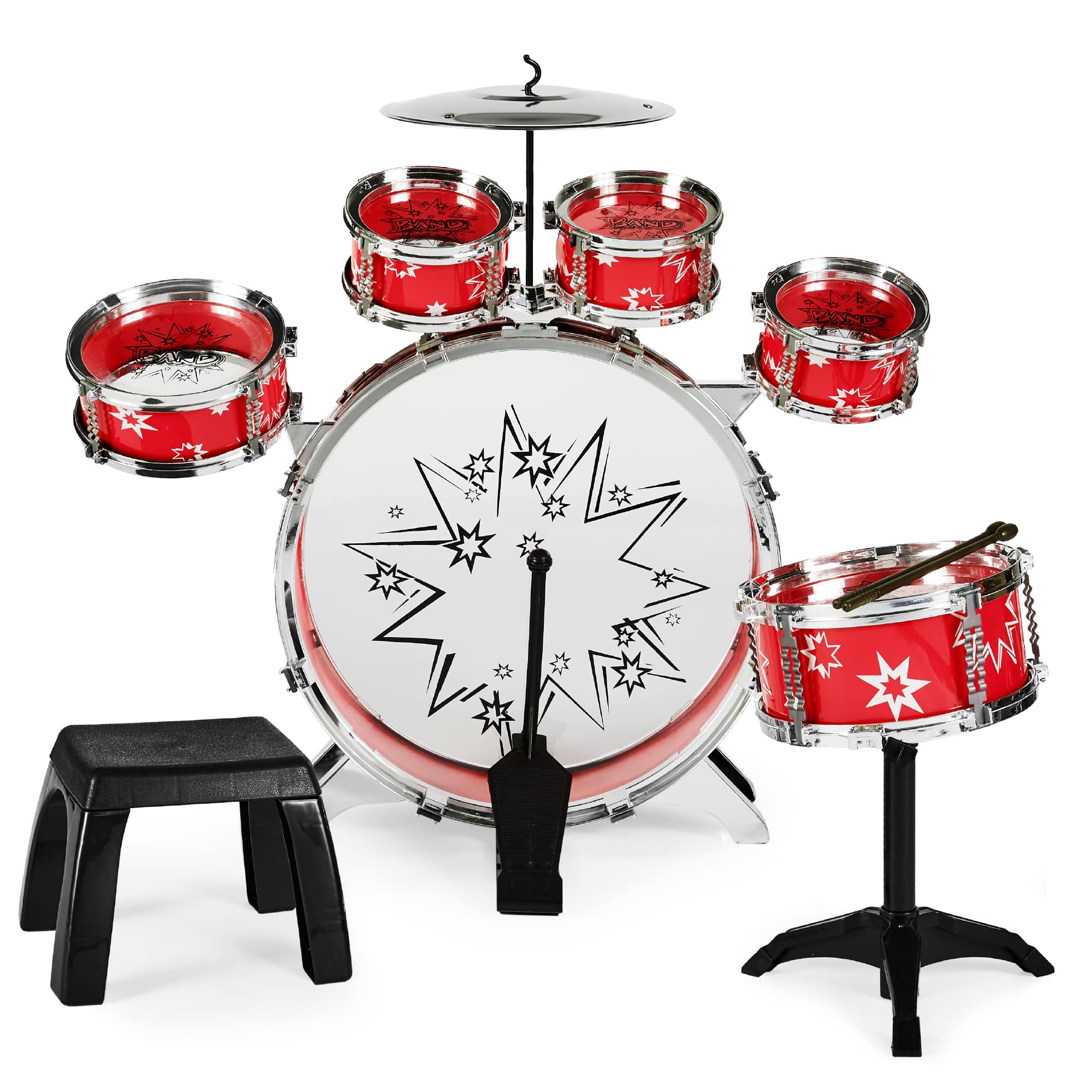
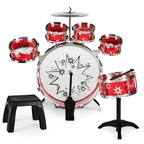
Best Choice Products - 11-Piece Kids Starter Drum Set w/ Bass Drum, Tom Drums, Snare, Cymbal, Stool, Drumsticks - Red
SKU: J36CWZ3LZKThis drum set was brought to my attention by a friend and I was a little skeptic of ordering from Best...The cost was great and the quality of the drum set was enduring for a 2 year old to play with....I...
See all Musical Toys & InstrumentsProduct Description
An immersive red drum set for kids featuring six drums, cymbal, stool, and drumsticks for creative play.Your price for this item is $44.99 -
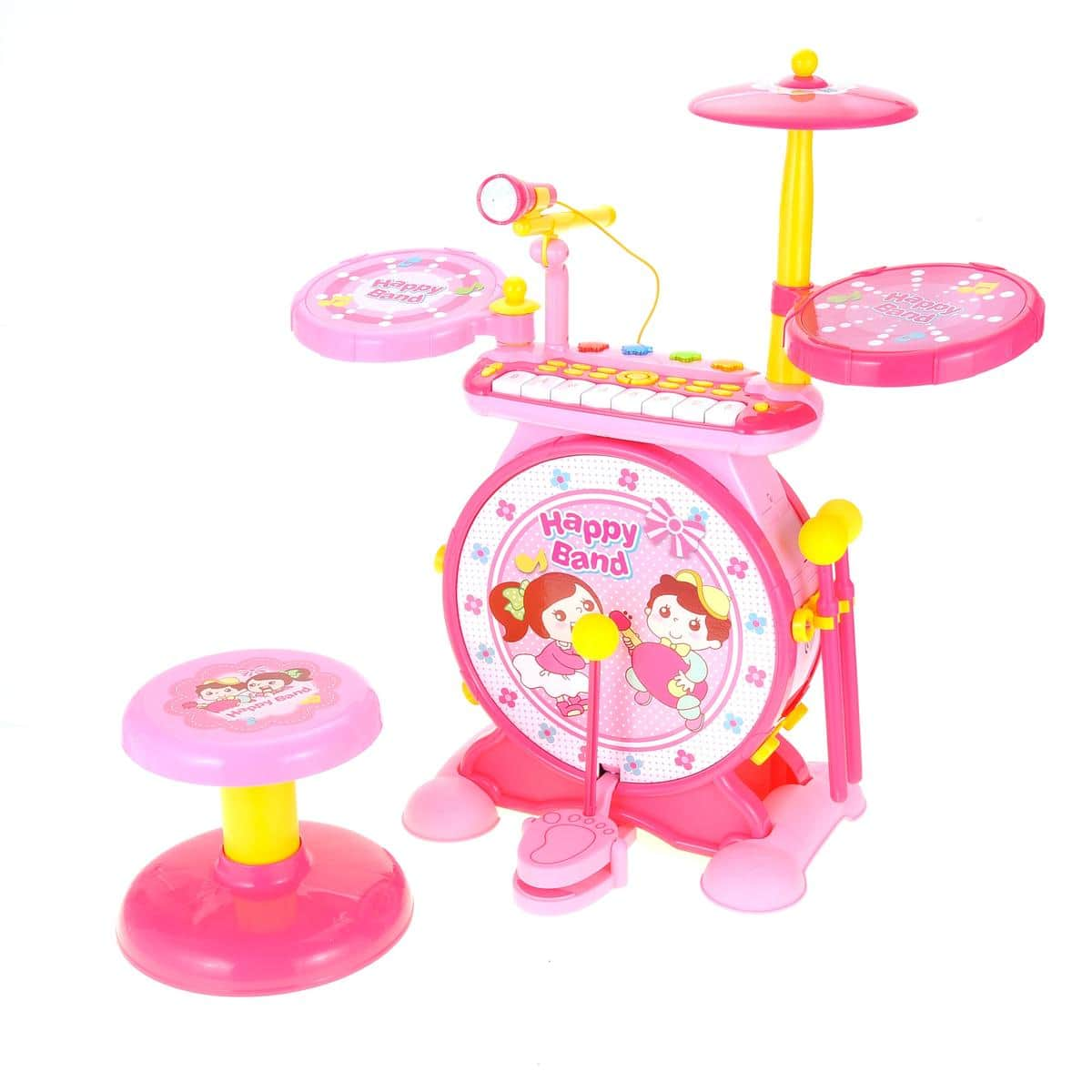
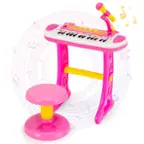
JuzToys - 2-in-1 Electronic Drum Set for Kids – Keyboard Piano with Stool and Microphone, Educational Musical Instruments - Pink
SKU: J3R2HVFLXHSee all Musical Toys & InstrumentsProduct Description
A pink electronic drum and keyboard set with stool and microphone that encourages musical creativity in kids.Your price for this item is $102.99 -
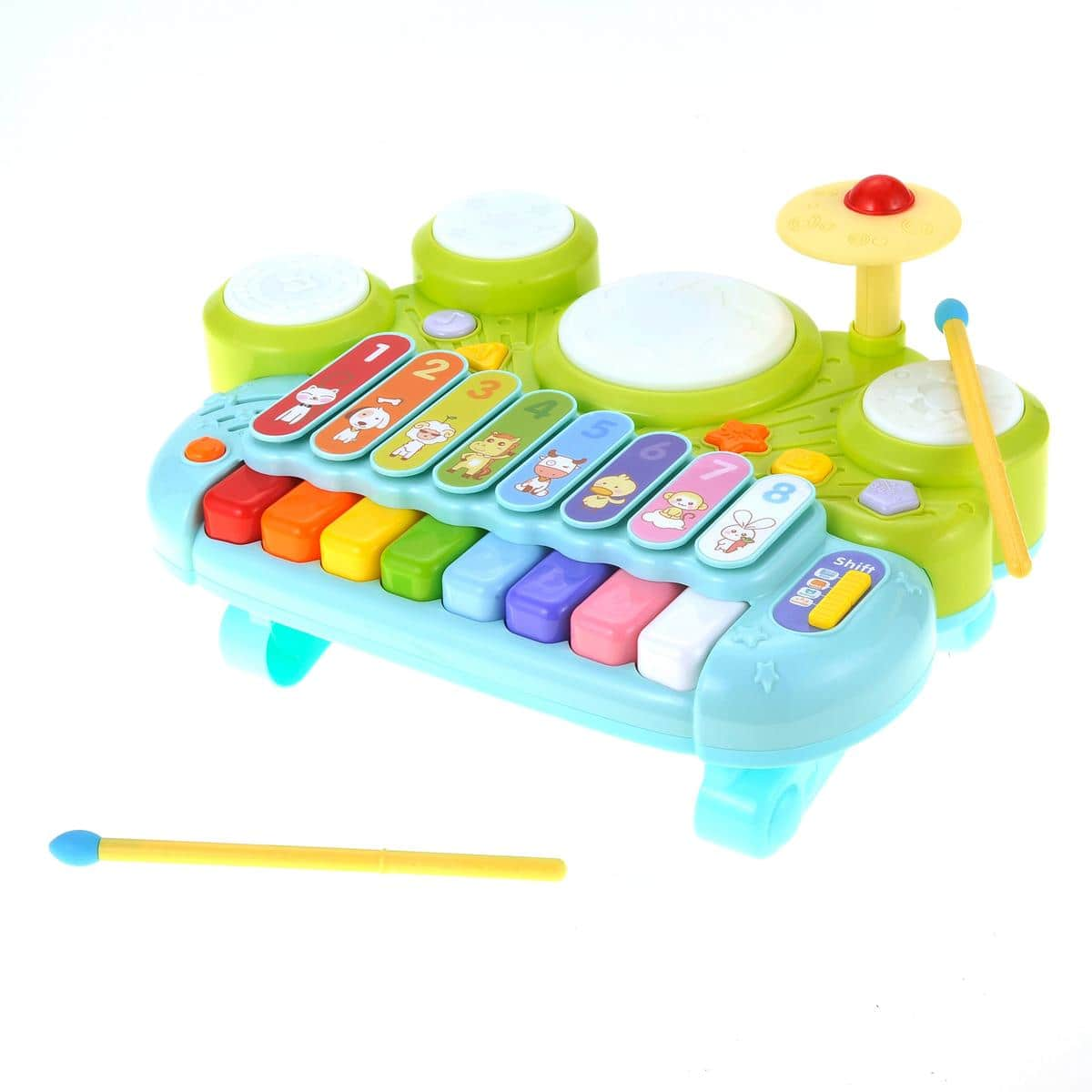
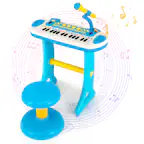
JuzToys - 3-in-1 Educational Kids Musical Toys – Kids Keyboard Piano, Xylophone, Drum Set for Toddlers, Blue/Green - Multi
SKU: J3R2HVFLXCSee all Musical Toys & InstrumentsProduct Description
A colorful 3-in-1 musical toy set featuring a keyboard, xylophone, and drum for creative toddler play.Your price for this item is $60.99 -
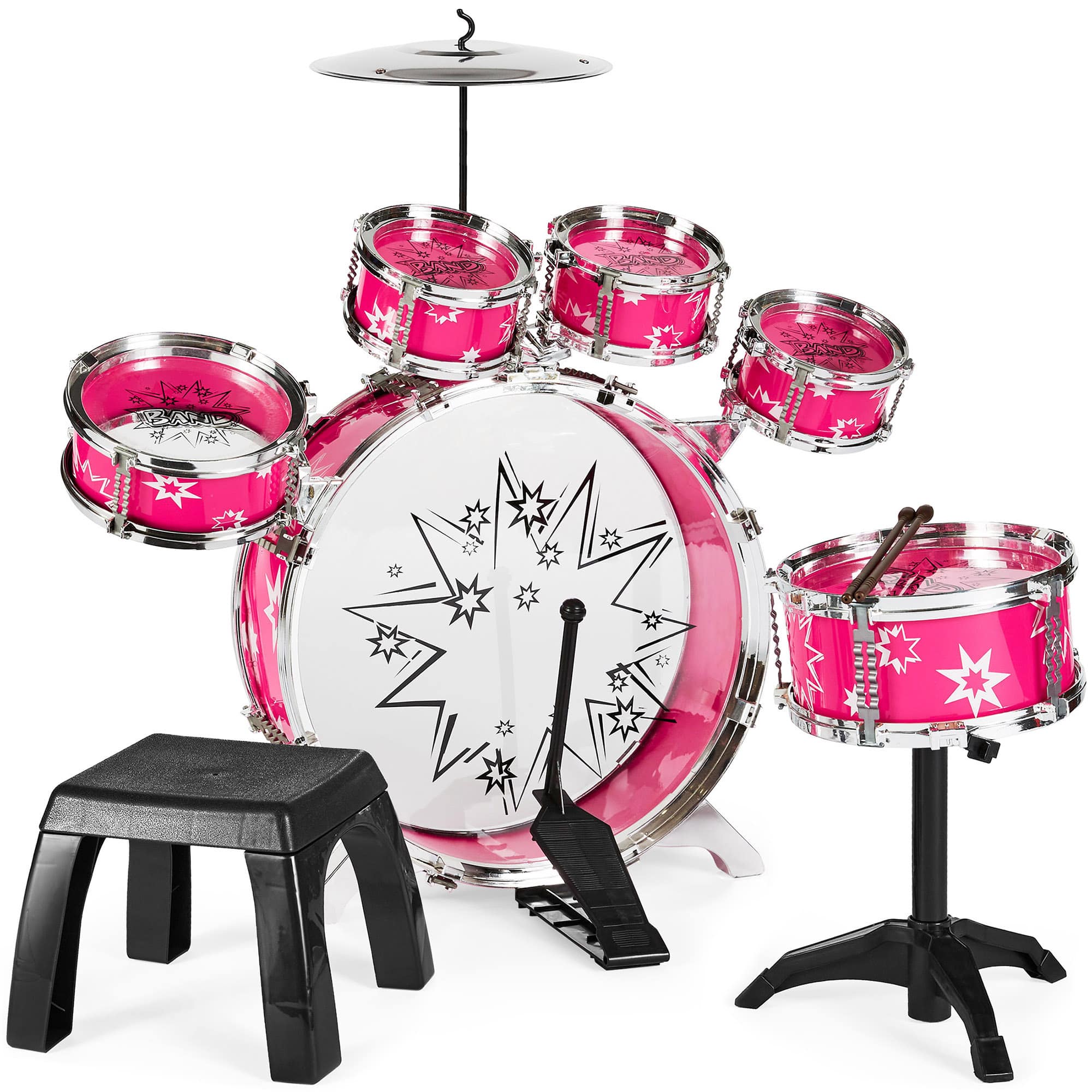
Best Choice Products - 11-Piece Kids Starter Drum Set w/ Bass Drum, Tom Drums, Snare, Cymbal, Stool, Drumsticks - Pink
SKU: J36CWZ8KZFKids love it...Kids love it. Product was ship really fast. Great price....GREAT FOR KIDS...The price was great! Shipping was fast! The kiddos love it!
See all Musical Toys & InstrumentsProduct Description
An immersive pink drum set for kids featuring six drums, cymbal, stool, and drumsticks for creative play.Your price for this item is $44.99 -
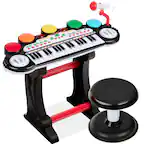
JuzToys - 2-in-1 Electronic Drum Set for Kids – Keyboard Piano with Stool and Microphone, Educational Musical Instruments for Kids - Multi
SKU: J3R2HVFLXYSee all Musical Toys & InstrumentsProduct Description
A colorful 2-in-1 musical set featuring a keyboard, drum set, microphone, and stool for interactive play.Your price for this item is $103.99

Best Sellers



Related Pages



FAQ
Kids' starter drum sets commonly include a bass drum, snare drum, and one or more toms. Cymbals, pedals, stands, drumsticks, and a drum throne may also be included, but package contents vary by set.
Acoustic drum sets produce sound when drumheads and cymbals are struck. Electronic drum sets use pads connected to a sound module, which generates drum sounds and may offer multiple drum kits, a metronome, and headphone connections.
Electronic drum sets need an audio output device to play the sounds generated by their module. Depending on the connections available, that can be headphones, a compatible powered speaker, or a drum amplifier; some models have built-in speakers.
Common accessories include drumsticks, a drum throne, a music stand, and a metronome. Acoustic kits may also use a drum key for tuning, while electronic kits may require headphones or audio cables, depending on the setup.
Beginner drum music often uses percussion notation, with notes placed on different lines or spaces to represent drums and cymbals. Note shapes and stems indicate rhythm, while many books and charts include a key explaining which part of the drum set each symbol represents.