Signal Generators
-
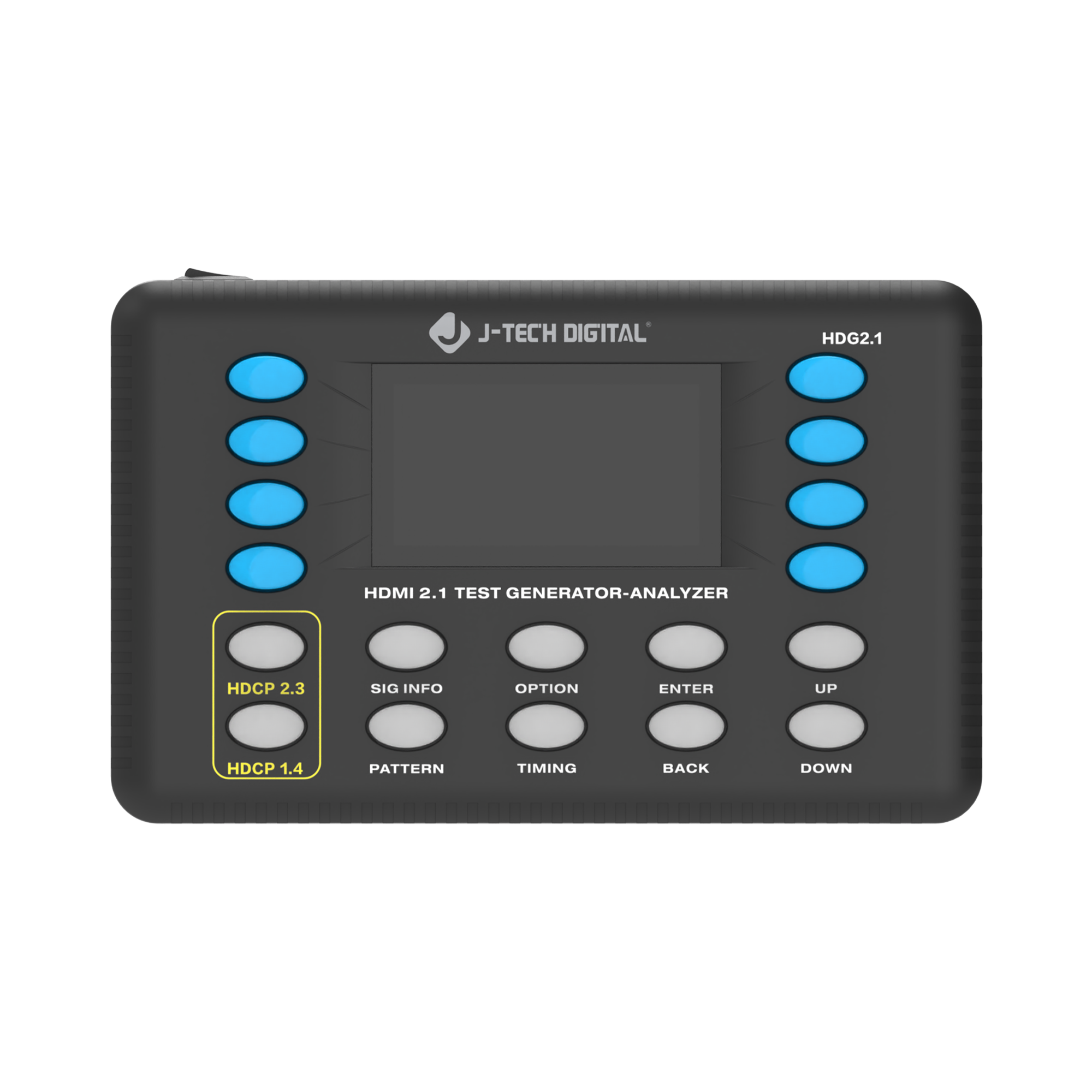
J-Tech Digital - 8K 60Hz HDMI Signal Generator and Analyzer - Black
SKU: J3GW774797See all Digital TV Tuners & ConvertersProduct Description
A portable black HDMI signal generator and analyzer supporting 8K@60Hz, HDR, audio testing, and advanced diagnostics.Your price for this item is $1,319.95 -
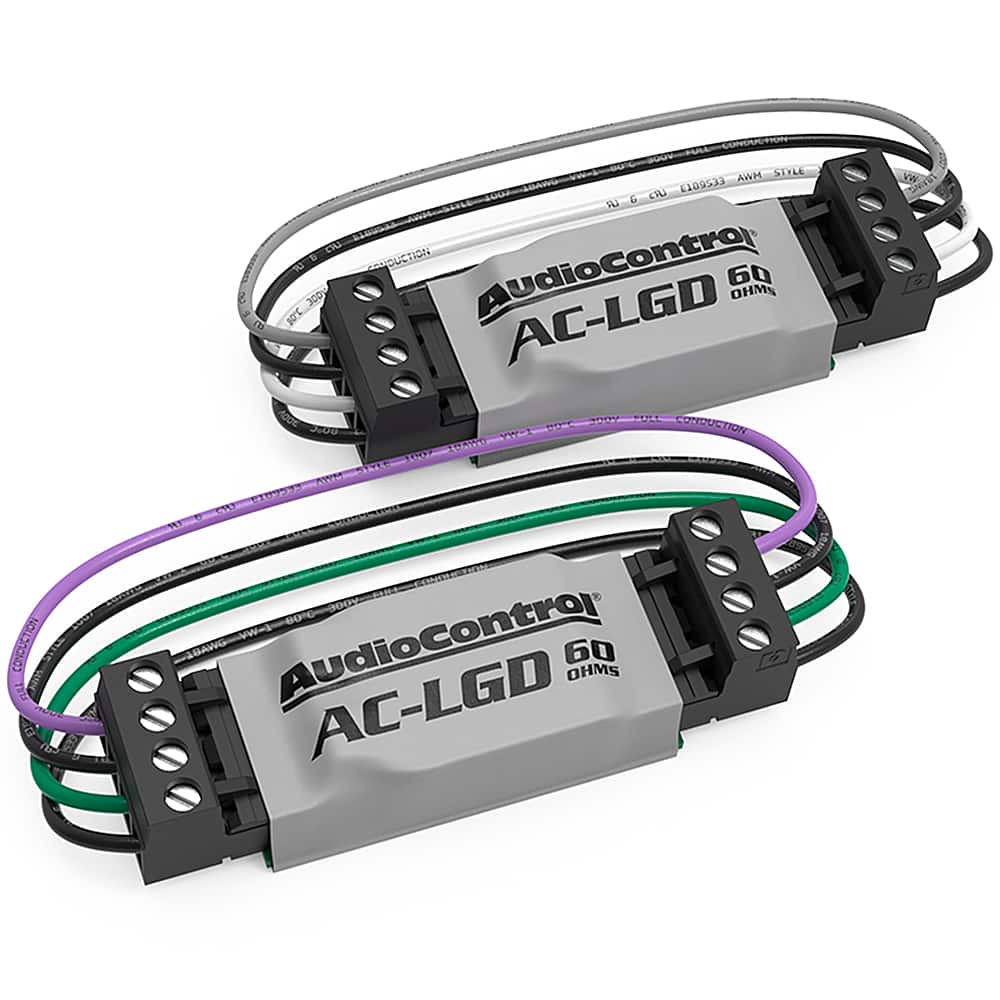
AudioControl - 60-Ohm Load Generating Device and Signal Stabilizer (Pair) - Gray
SKU: J3R9ZF59L8See all Home Amplifiers & PreampsProduct Description
A gray pair of load generating devices stabilizes audio signals and reduces noise for optimal sound quality.Your price for this item is $69.99 -
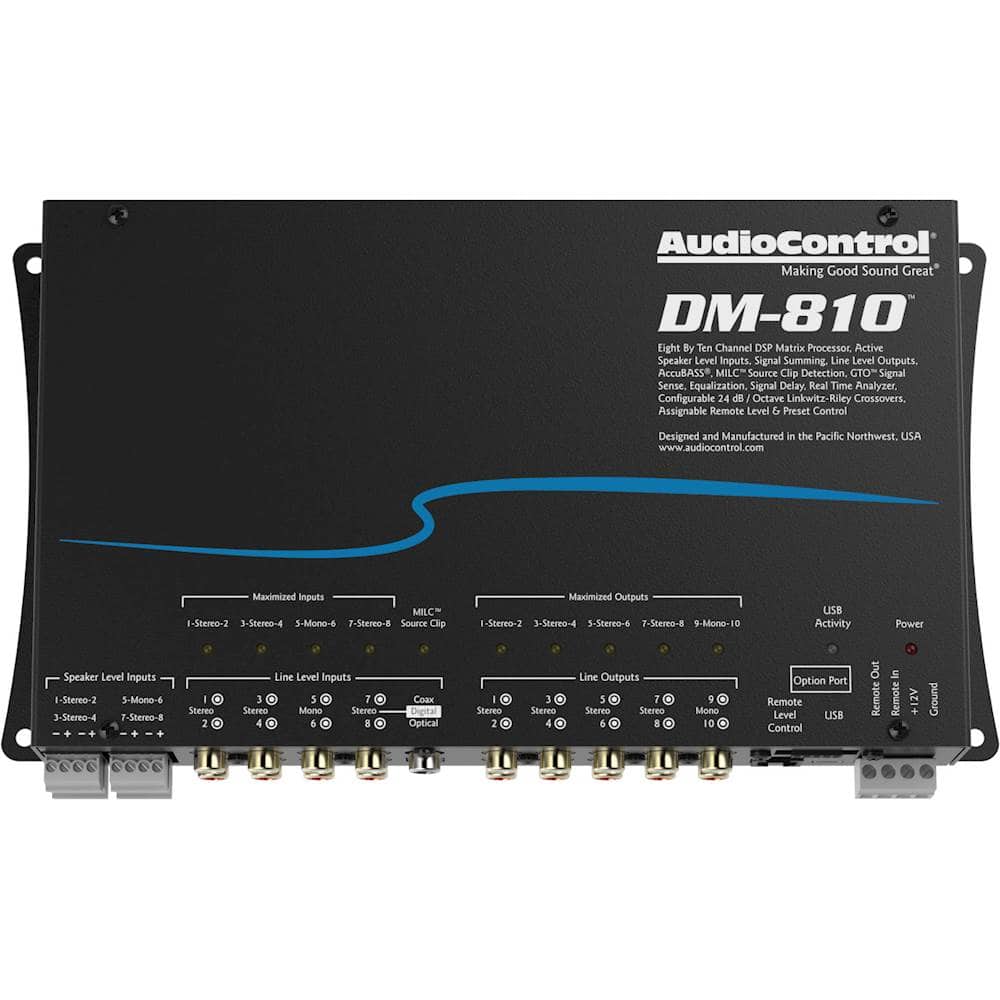
AudioControl - 8-Channel Input 10-Channel Output DSP Matrix Processor - Black
SKU: J3Q3PL4Y6KIm doing 10 channels on my car and this is the best dsp you can buy in the market...Works great. Exactly what my husband was looking for....Best product
See all PreampsProduct Description
A versatile black DSP matrix processor offering 8-channel input, 10-channel output, EQ, and Bluetooth compatibility.Your price for this item is $899.99 -
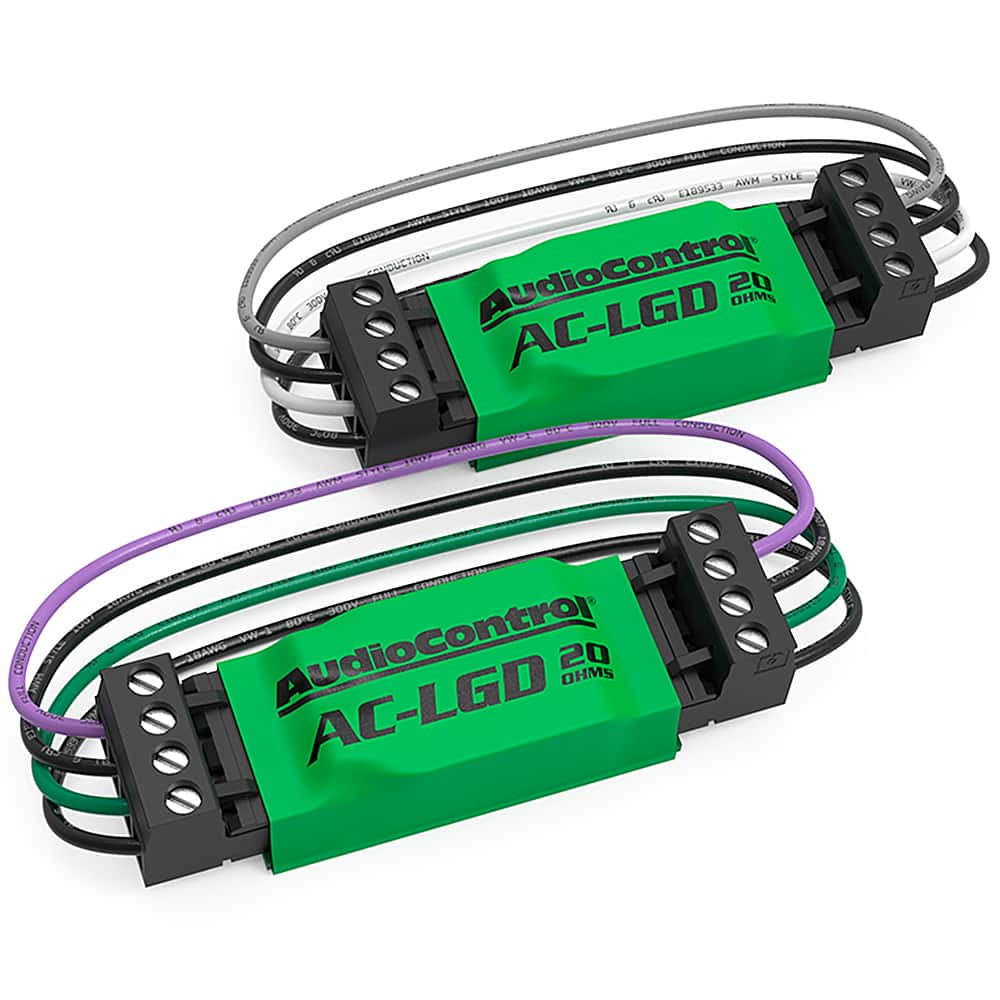
AudioControl - 20-Ohm Load Generating Device and Signal Stabilizer (Pair) - Green
SKU: J3R9ZF59L6The tech put it all together and it sounds great now.
See all Home Amplifiers & PreampsProduct Description
A pair of green devices that stabilize audio signals and reduce noise for optimal aftermarket sound quality.Your price for this item is $39.99Save $30The previous price was $69.99 -
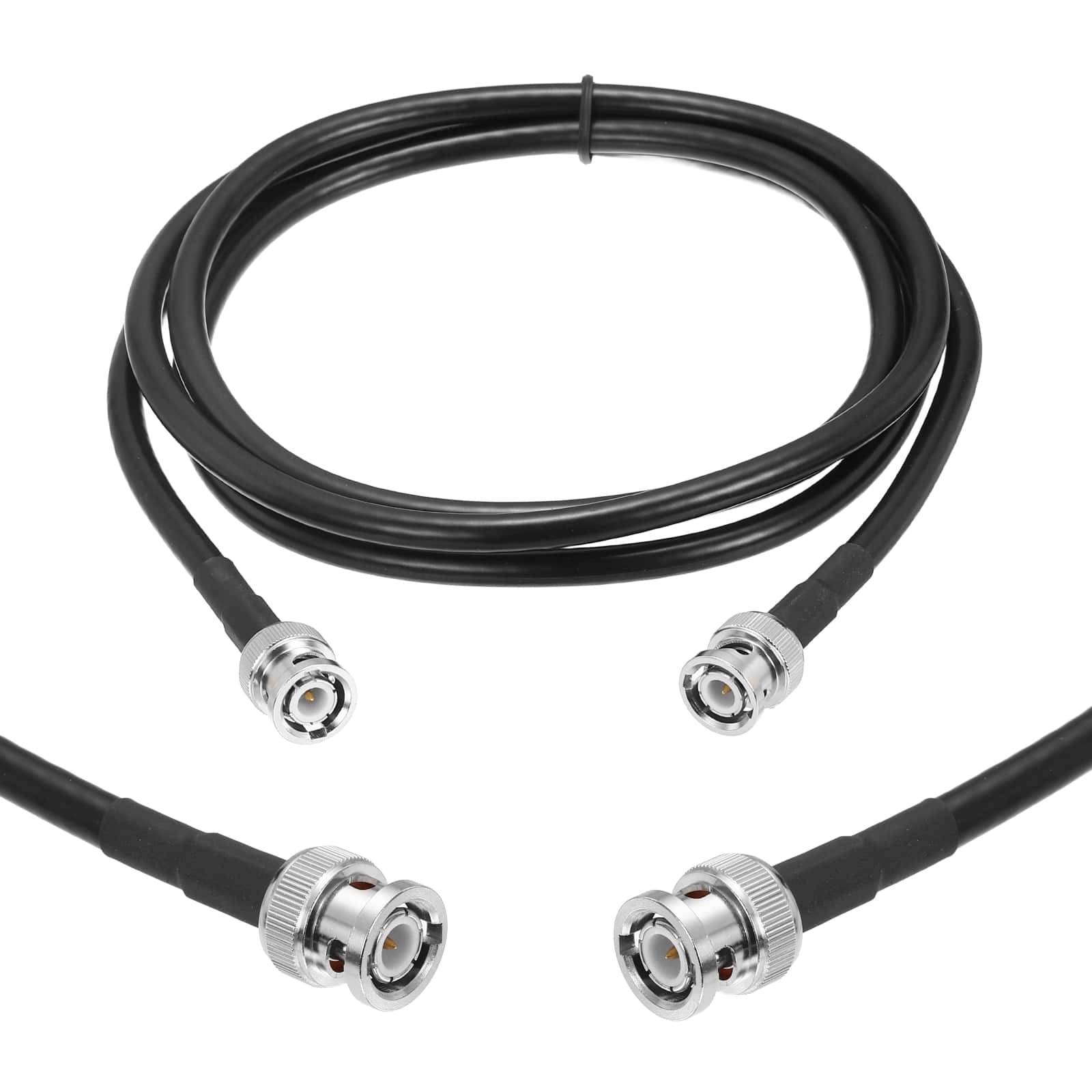
Unique Bargains - KMR/LMR240 BNC Coaxial Cable, 50 Ohm, 4Ft, BNC M/M, Low-Loss Extension for RF Radio, Modem, Signal Generator - Black
SKU: JX99HK7PC5See all Computer Power CablesProduct Description
A black low-loss coaxial cable with BNC male connectors, ideal for stable RF signal transmission.Your price for this item is $16.99 -
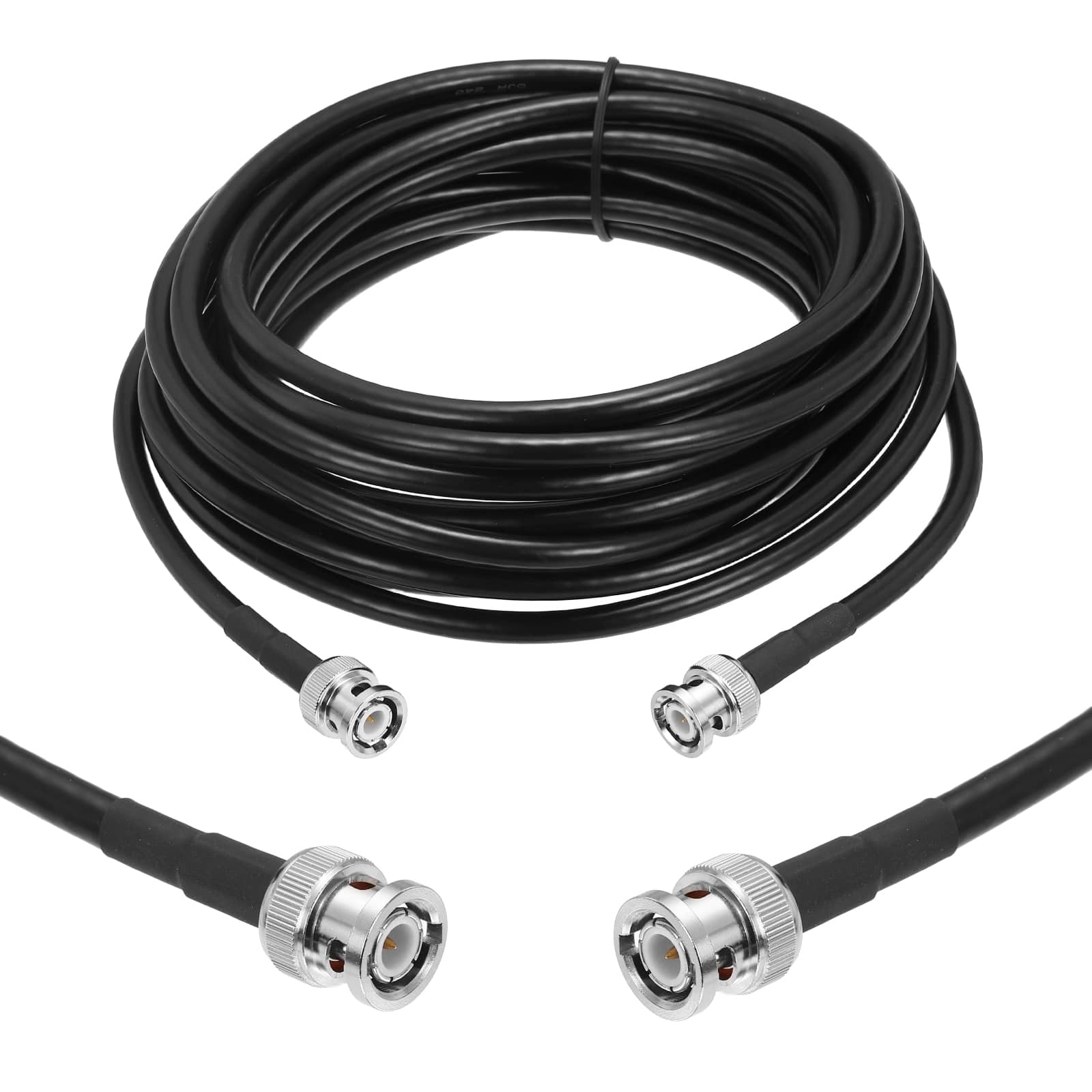
Unique Bargains - KMR/LMR240 BNC Coaxial Cable, 50 Ohm, 20Ft, BNC M/M, Low-Loss Extension for RF Radio, Modem, Signal Generator - Black
SKU: JX99HK7PJHSee all Computer Power CablesProduct Description
A black low-loss coaxial cable with BNC male connectors, ideal for stable RF and signal transmission.Your price for this item is $29.99
Best Sellers



Related Pages




FAQ
A signal generator is an electronic device that produces repeating or non-repeating electronic signals, typically used for testing, troubleshooting, and designing electronic hardware such as amplifiers, receivers, and other circuits.
Signal generators can produce a variety of signals, including sine waves, square waves, triangular waves, pulse waves, and arbitrary waveforms, depending on the model and its features.
Yes, many signal generators are designed to cover a wide frequency range, making them suitable for both audio frequency (AF) and radio frequency (RF) applications. Be sure to check the frequency range specifications of each model.
Absolutely. Signal generators are commonly used with oscilloscopes to analyze and visualize waveforms, test circuit response, and calibrate equipment.
Key features to consider include frequency range, waveform options, output amplitude control, modulation capabilities, connectivity options, and whether the generator is analog or digital.