Rms Amplifiers
-
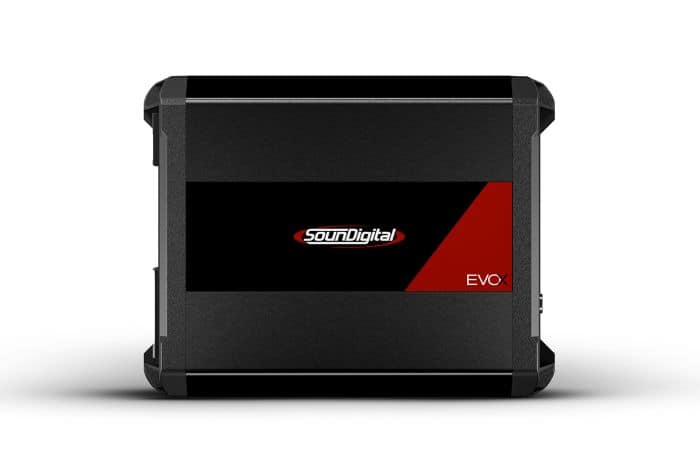
SounDigital - 1600.1 EVOX2 2 OHM 1600 Watt RMS 1 Channel Amplifier - Black
SKU: BJKC4XV6ZQSee all Car 1-Channel AmpsProduct Description
A powerful black Class D 1-channel amplifier delivering 1600 watts RMS at 2 ohms for car audio.Your price for this item is $549.00 -
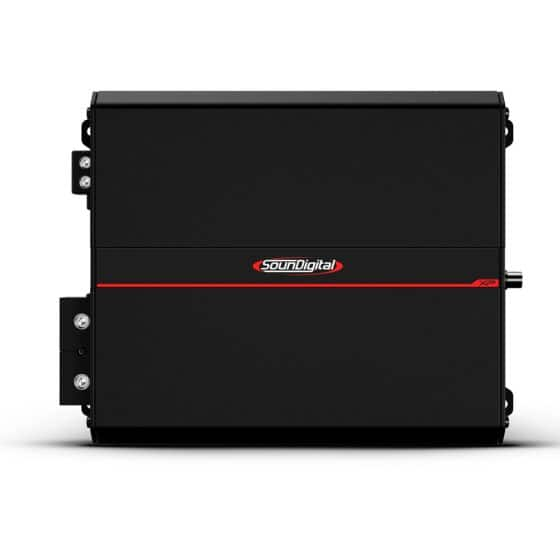
SounDigital - 5000.1 EVOX2 1 OHM 5000 Watt RMS 1 Channel Amplifier - Black
SKU: BJKC4XV6FQSee all Car 1-Channel AmpsProduct Description
A powerful black Class D car amplifier delivering 5000 watts RMS through a single channel at 1 ohm.Your price for this item is $899.00 -
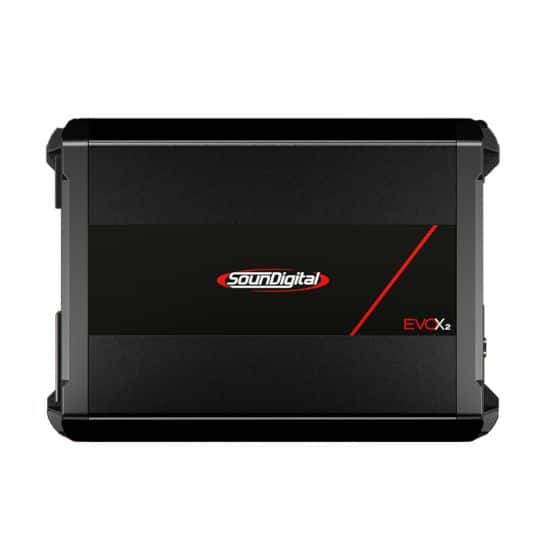
SounDigital - 5000.1 EVOX2 2 OHM 5000 Watt RMS 1 Channel Amplifier - Black
SKU: BJKC4XV6VGSee all Car 1-Channel AmpsProduct Description
A powerful black Class D car amplifier delivering 5000 watts RMS through a single channel at 2 ohms.Your price for this item is $899.00 -
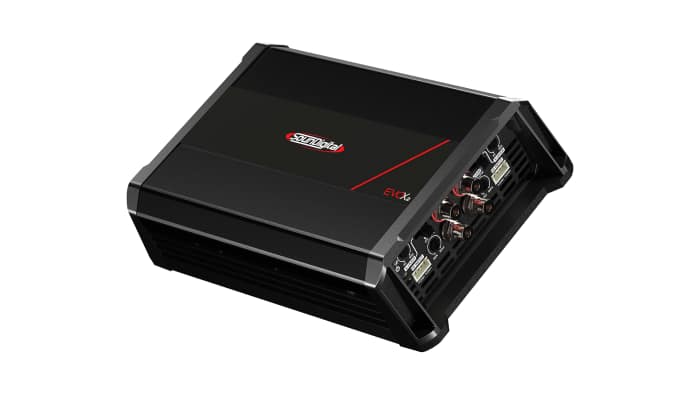
SounDigital - 1600.1 EVOX2 1 OHM 1600 Watt RMS 1 Channel Amplifier - Black
SKU: BJKC4XV6ZLSee all Car 1-Channel AmpsProduct Description
A black Class D 1-channel amplifier delivering 1600 watts RMS at 1 ohm for powerful car audio.Your price for this item is $549.00 -
SounDigital - 2400.4 EVOX2 2 OHM 2400 Watt RMS 4 Channel Amplifier - Black
SKU: BJKC4XVQ5CSee all Car 4-Channel AmpsProduct Description
A black Class D 4-channel amplifier delivering 2400 watts RMS and bridgeable for versatile car audio setups.Your price for this item is $699.00 -
SounDigital - 2400.4 EVOX2 4 OHM 2400 Watt RMS 4 Channel Amplifier - Black
SKU: BJKC4XVQ5KSee all Car 4-Channel AmpsProduct Description
A black Class D amplifier delivering 2400W RMS power across four channels for premium car audio.Your price for this item is $699.00 -
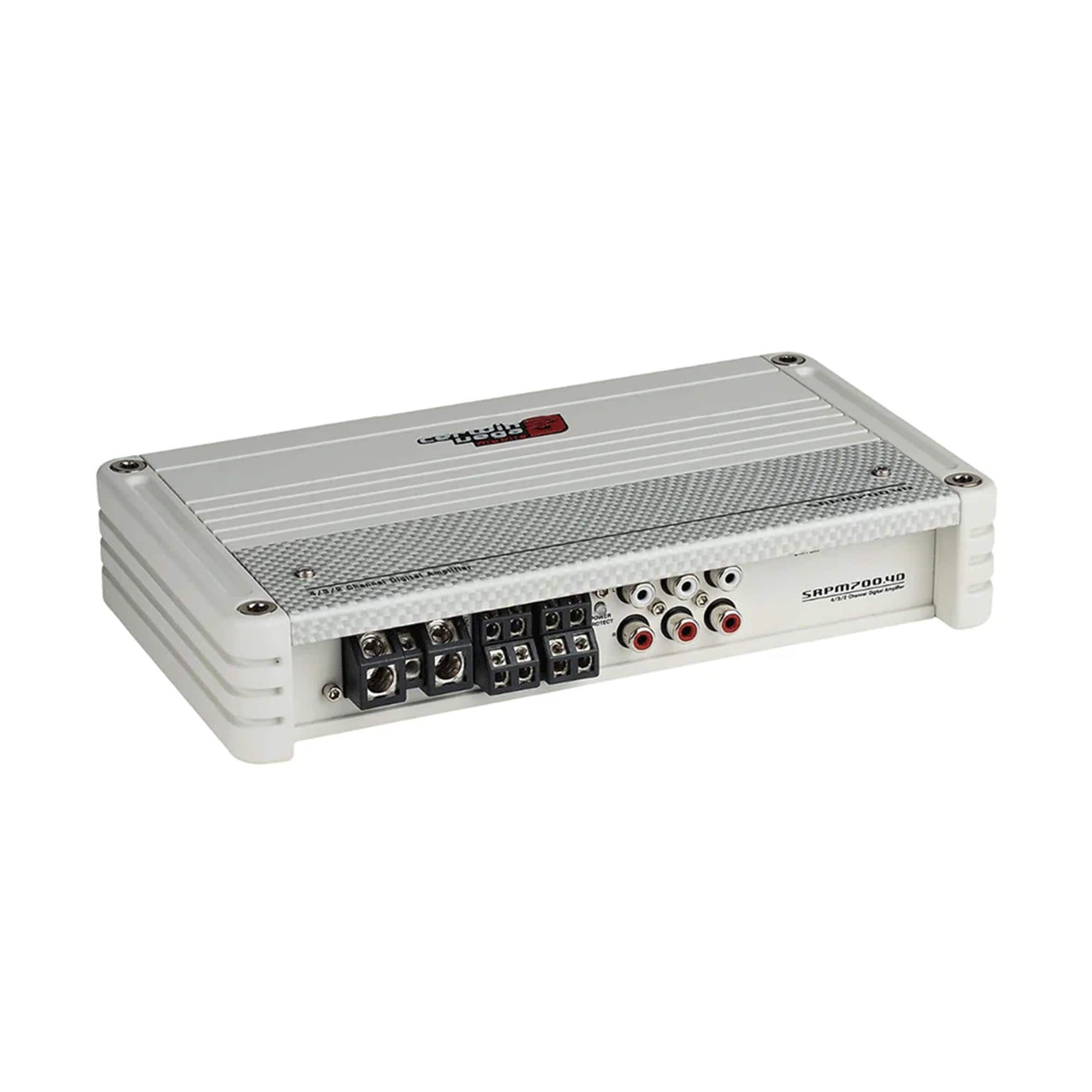
Cerwin Vega - Cerwin-Vega SRPM700.4DW - RPM Series "Stroker-Powered" 4-Channel Amplifier / 100Wx4@4.0 Rms / 700W Max Rms - Black/Gray
SKU: J36Z7CT64QSee all Car 4-Channel AmpsProduct Description
A high-efficiency, black and gray 4-channel digital amplifier delivering powerful, precise audio with advanced controls.Your price for this item is $386.99Save $43The previous price was $429.99 -
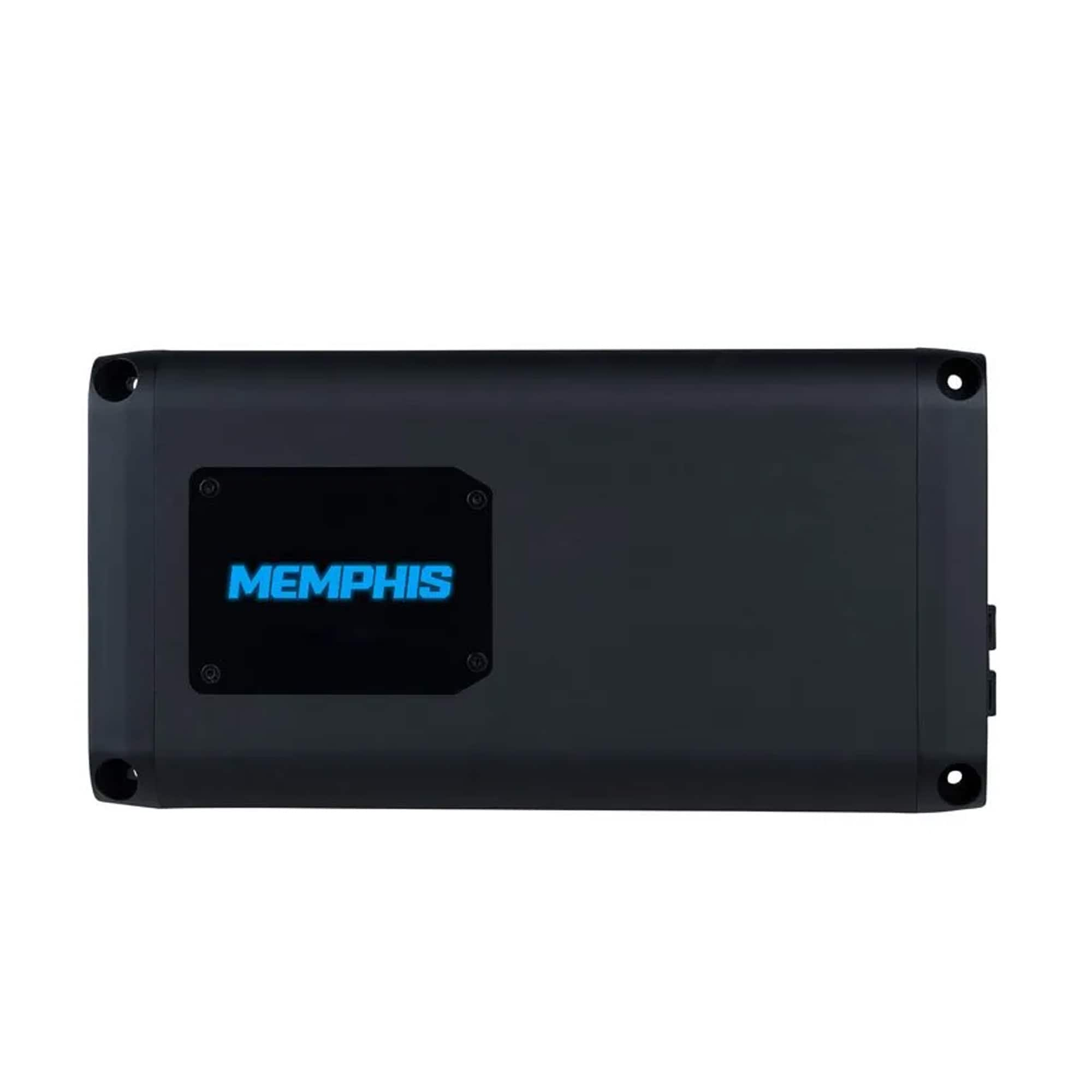
Memphis Car Audio - Memphis Audio PRX1500.1V2 Monoblock Subwoofer Amplifier - 1500 Watts RMS x 1 at 1-Ohm - Black/Gray
SKU: JXQCZ7G9XFSee all Car Mono Subwoofer AmplifiersProduct Description
A compact black and gray monoblock amplifier delivering 1500W RMS at 1-Ohm with LED accent lighting.Your price for this item is $499.95 -
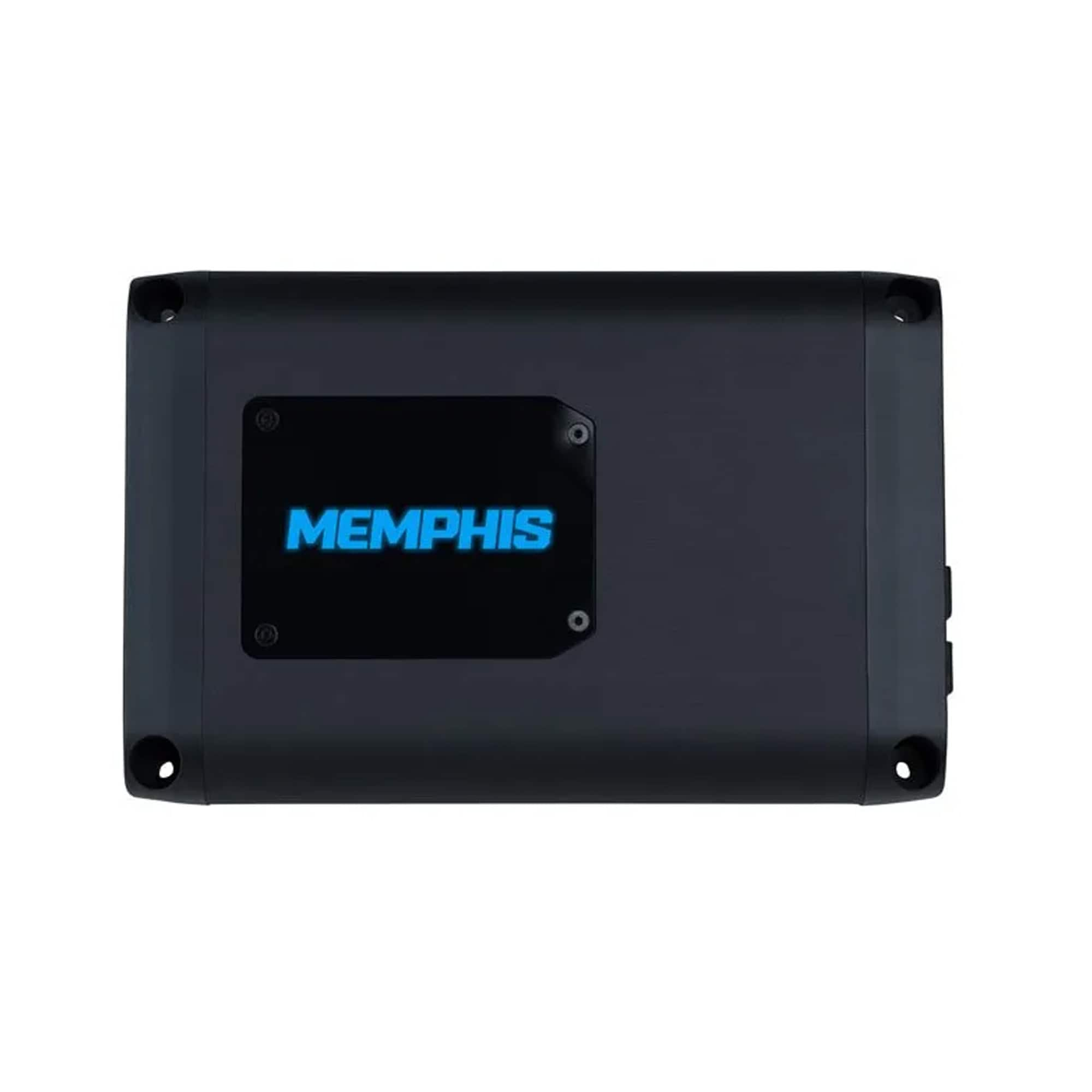
Memphis Car Audio - Memphis Audio PRX1000.1V2 Monoblock Subwoofer Amplifier - 1000 Watts RMS x 1 at 1-Ohm - Black/Gray
SKU: JXQCZ7G933See all Car Mono Subwoofer AmplifiersProduct Description
A compact black and gray monoblock amplifier delivering 1000W RMS at 1-Ohm with LED accents.Your price for this item is $399.95
Best Sellers




Related Pages






FAQ
An RMS amplifier is designed to deliver continuous power output measured in Root Mean Square (RMS) watts, which represents the true, consistent power an amplifier can provide to speakers. Unlike peak power amplifiers that only indicate the maximum output for short bursts, RMS ratings give a more accurate representation of real-world performance and audio quality.
RMS wattage is important because it reflects the amplifier's ability to deliver sustained power to your speakers, resulting in clearer sound and less distortion at higher volumes. Matching your amplifier's RMS output to your speakers' RMS handling ensures optimal performance and prevents damage to your audio equipment.
Some RMS amplifiers are designed specifically for car audio systems, while others are intended for home use. It's important to check the amplifier's specifications and intended application to ensure compatibility with your setup. Using the correct type ensures proper power delivery and system integration.
To connect an RMS amplifier, you'll need to run audio signal cables from your receiver or head unit to the amplifier's input. Then, connect the amplifier's output terminals to your speakers using appropriate speaker wire. Always follow the manufacturer's wiring diagrams and instructions for the best results.
Key features to consider include the number of channels, total RMS power output, compatibility with your speakers, built-in crossovers, adjustable gain controls, and protection circuits. These features help you tailor your audio experience and protect your audio equipment from potential issues.