Wireless Routers With External Antennas
-
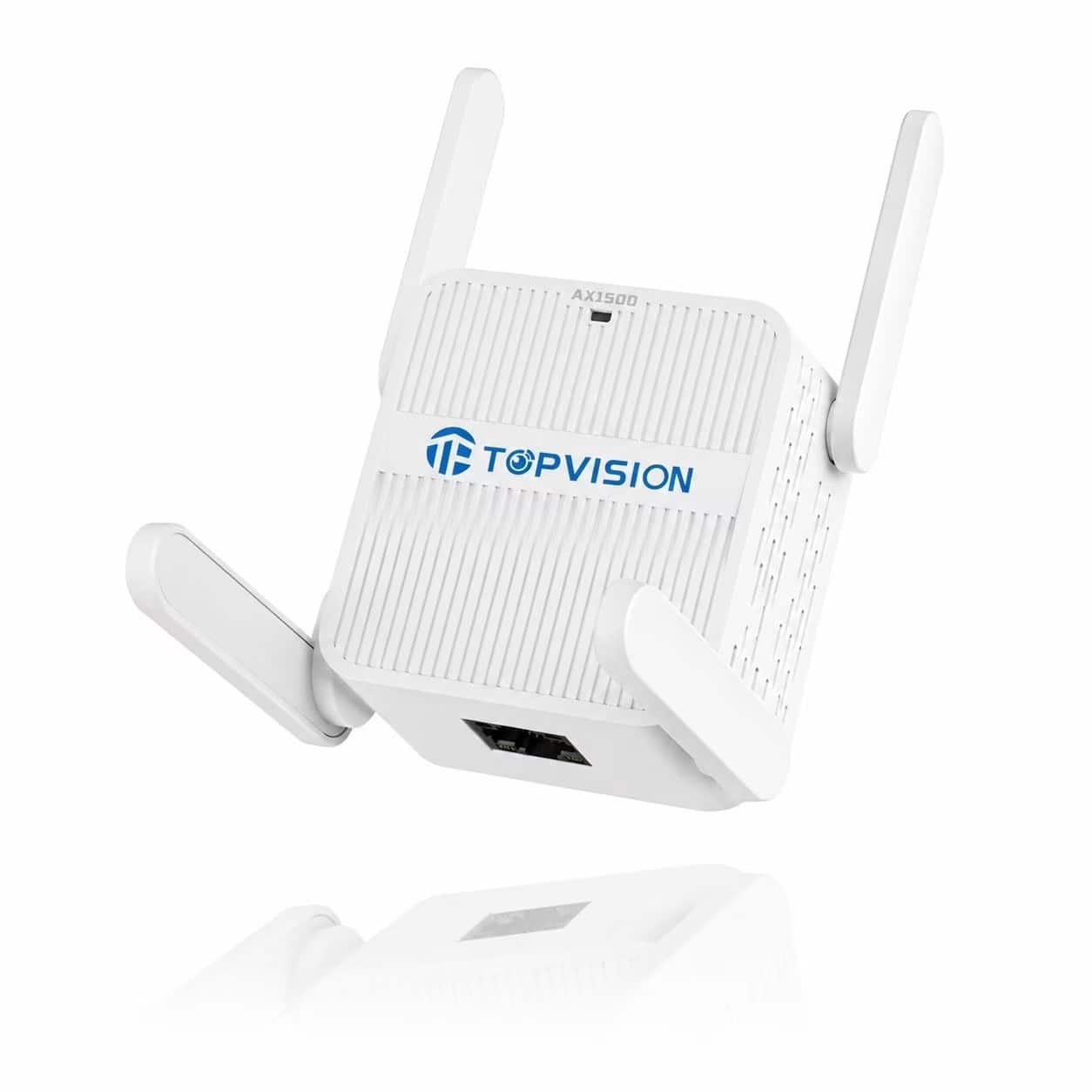
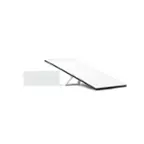
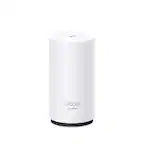
TOPVISION - Wi-Fi 6 Dual-Band Extender with 1500-Megabits Per Second Speed and Coverage for Up to 8800 Square Feet - White
SKU: JX4X83Q39WSee all Wi-Fi ExtendersProduct Description
A dual-band Wi-Fi 6 extender with four antennas delivers 1500Mbps speeds and coverage up to 8,800 sq.ft.Your price for this item is $35.69Save $24The previous price was $59.99 -
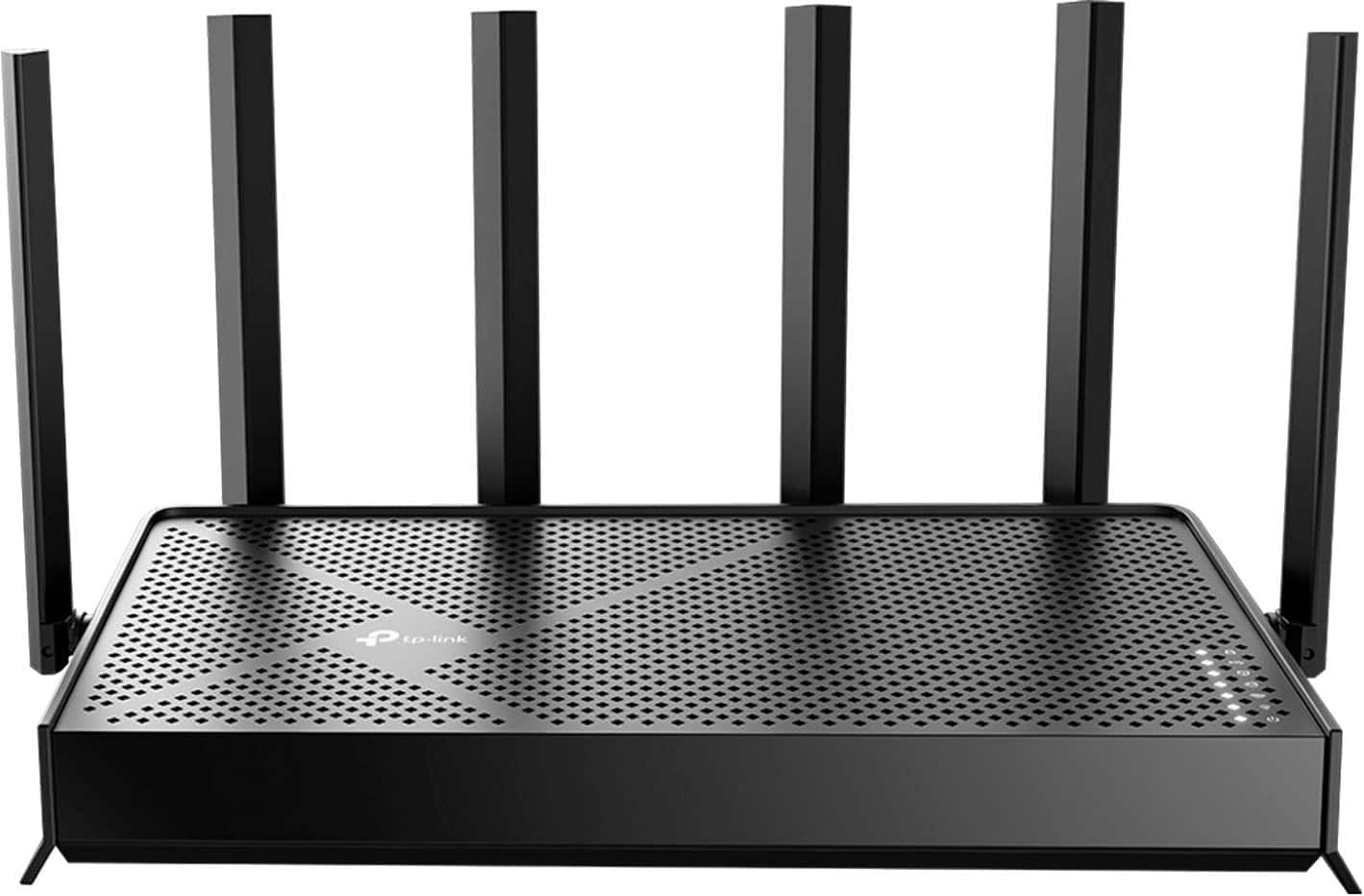
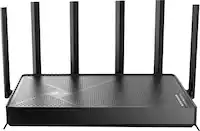
TP-Link - Archer BE6500 Dual-Band Wi-Fi 7 Router - Black
SKU: J3GWLQQQR9Best mesh supporting router for the price....Easy to set up and love the MESH network. No complaints...Great buy from best buy
See all Wi-Fi RoutersProduct Description
A dual-band black Wi-Fi 7 router with six antennas, Multi-Link Operation, and EasyMesh compatibility.Your price for this item is $179.99Save $20The previous price was $199.99 -
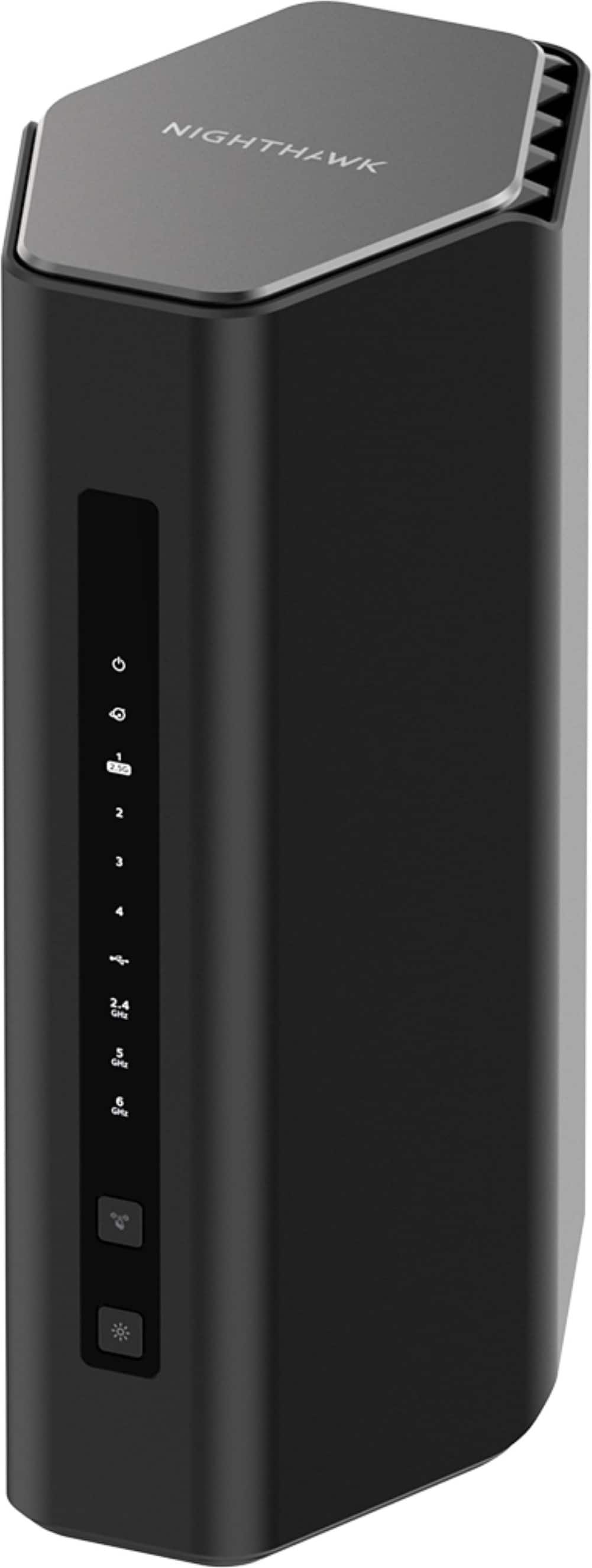
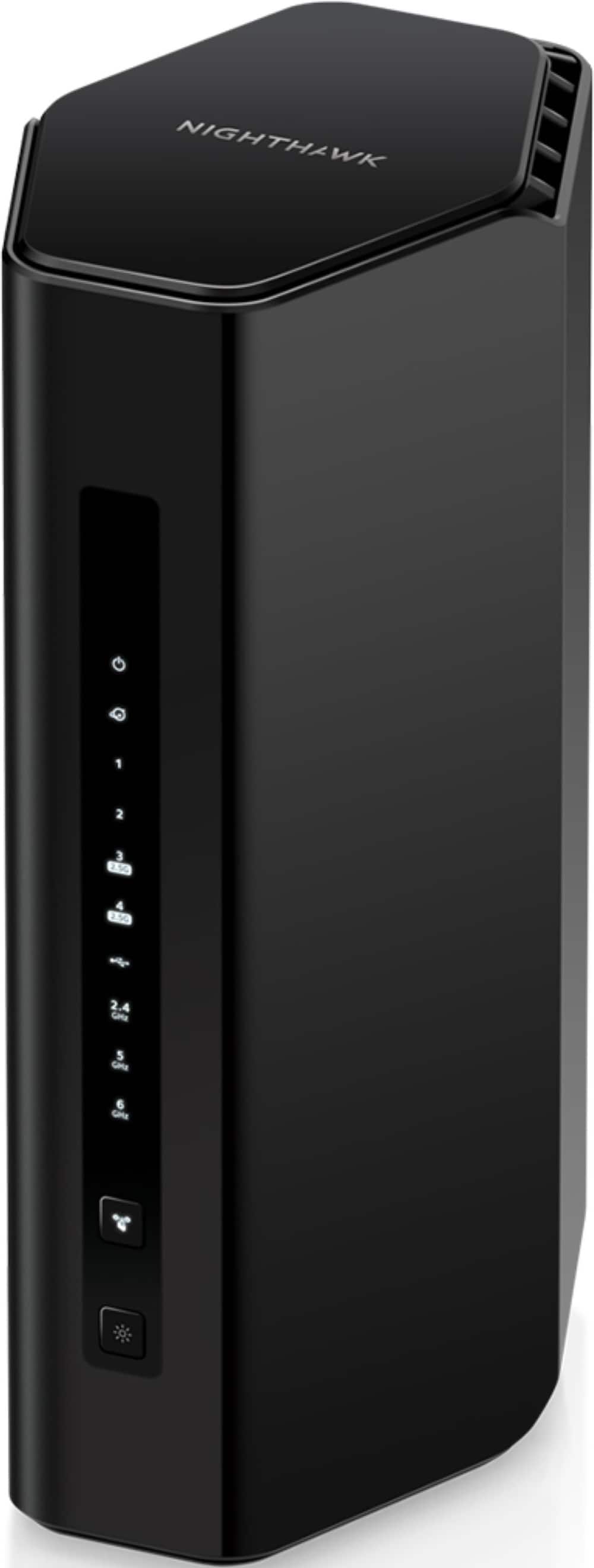
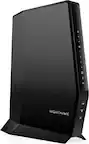
NETGEAR - Nighthawk WiFi 7 Router RS500, 12 Gbps, Up to 3,000 sq ft, 120 Devices - Black
SKU: J2VY7Y45ZXI love Netgear Routers, however this one is the best yet. I highly recommend it...Best router we have gotten in a while....We have used 3 different routers and this one is the best. The app is super easy...
See all Wi-Fi RoutersProduct Description
A high-performance black tri-band Wi-Fi 7 router delivering up to 12 Gbps speeds and advanced encryption.Your price for this item is $399.99 -
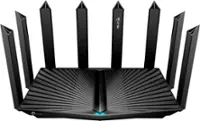
TP-Link - Archer BE9700 Tri-Band Wi-Fi 7 Router - Black
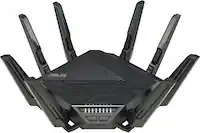
SKU: J39T6X26PSBest of the best.Super fast at the best price going....Great, even if it looks like a brick spike...Easily one of the best routers I've ever owned. This is an excellent router.
See all Wi-Fi RoutersProduct Description
A black tri-band Wi-Fi 7 router delivering ultra-fast speeds, expansive coverage, and advanced device connectivity.Your price for this item is $279.99 -
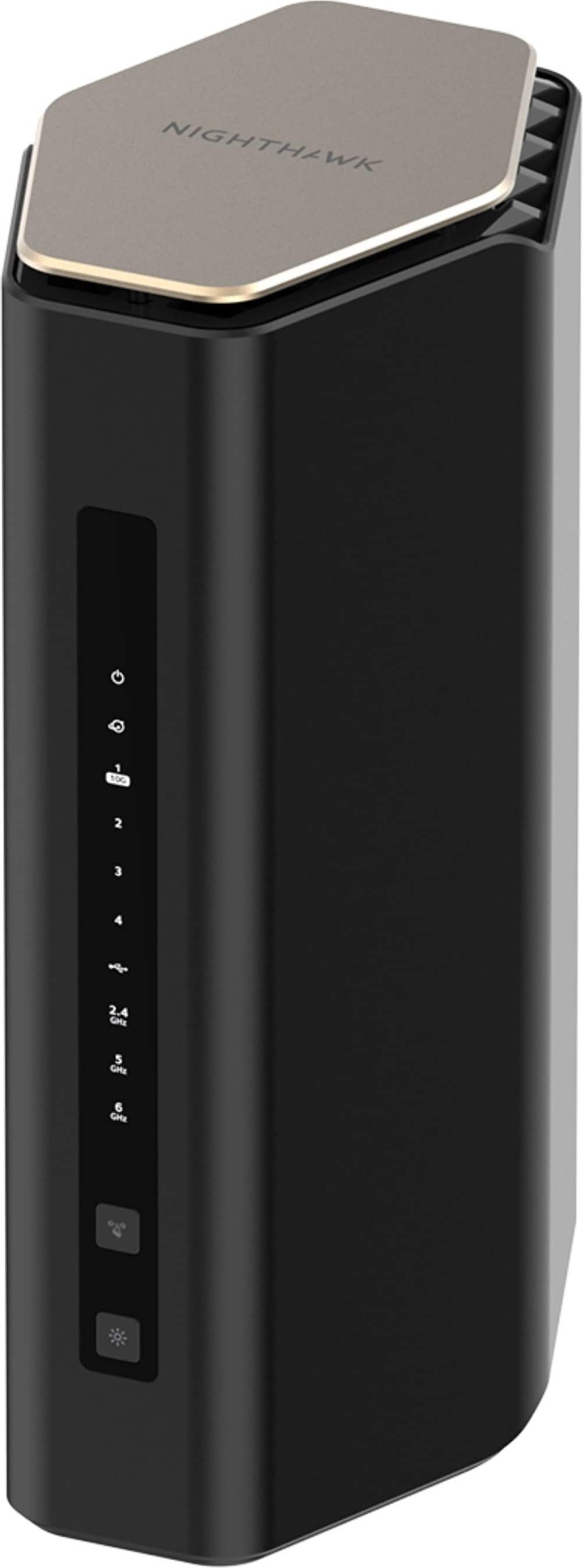
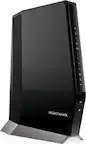
NETGEAR - Nighthawk WiFi 7 Router RS600, 18 Gbps, Up to 3,300 sq ft, 150 Devices - Black
SKU: J2VY7Y578HThis was a great addition to my network. I recommend it for anyone looking for the best....It is the best router I have ever had, without thinking twice I would buy it again....The best
See all Wi-Fi RoutersProduct Description
A black tri-band Wi-Fi 7 router delivering up to 18 Gbps speeds and advanced parental controls.Your price for this item is $499.99 -
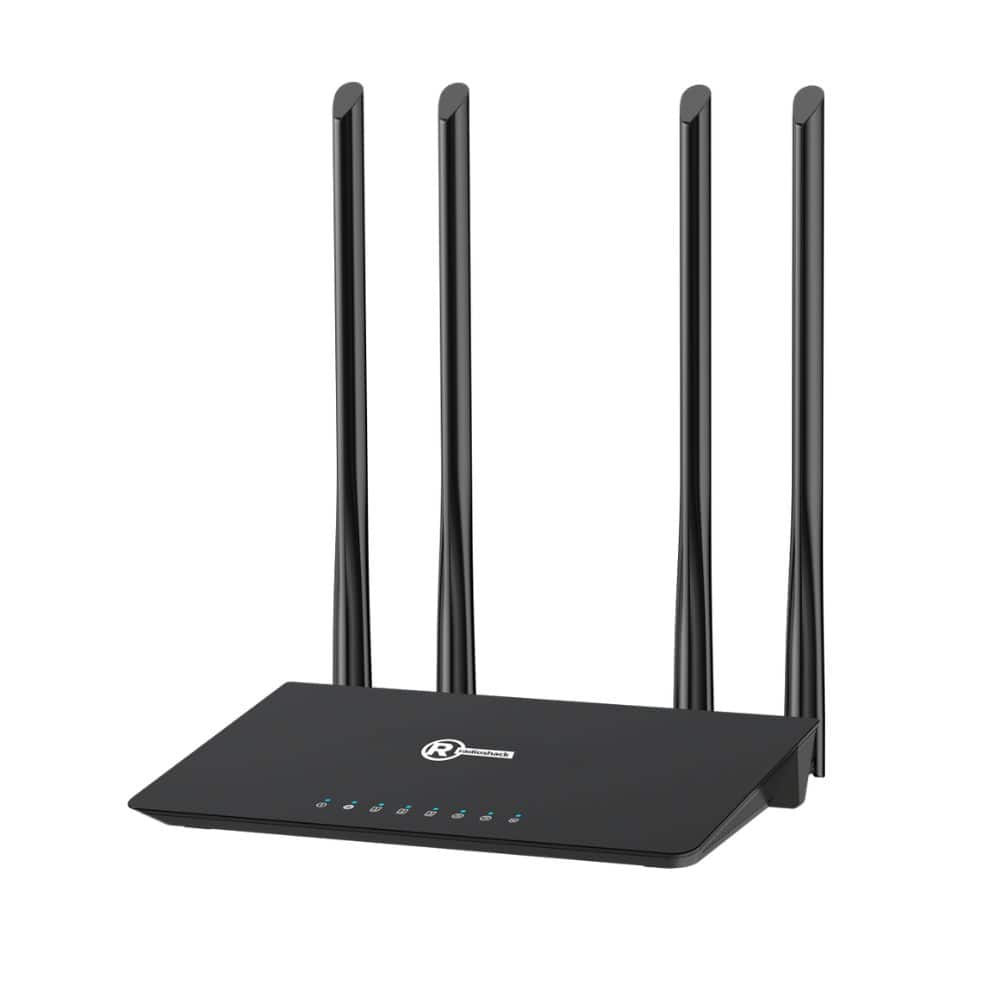
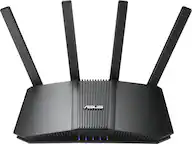
RadioShack - 1200 Mbps Wi-Fi Router - Black
SKU: CFRJQSY8KJSee all Wi-Fi RoutersProduct Description
A dual-band black Wi-Fi 5 router with four antennas for fast, reliable streaming and gaming connectivity.Your price for this item is $59.99 -
TP-Link - AX5400 Wi-Fi 6 Router Archer AX73 Dual Band Gigabit Wireless Internet Router High-Speed Ax Router - Black
SKU: J39QK2RFWCSee all Wi-Fi RoutersProduct Description
A high-speed black Wi-Fi 6 router offering stable, simultaneous streaming and gaming with advanced signal coverage.Your price for this item is $179.00 -
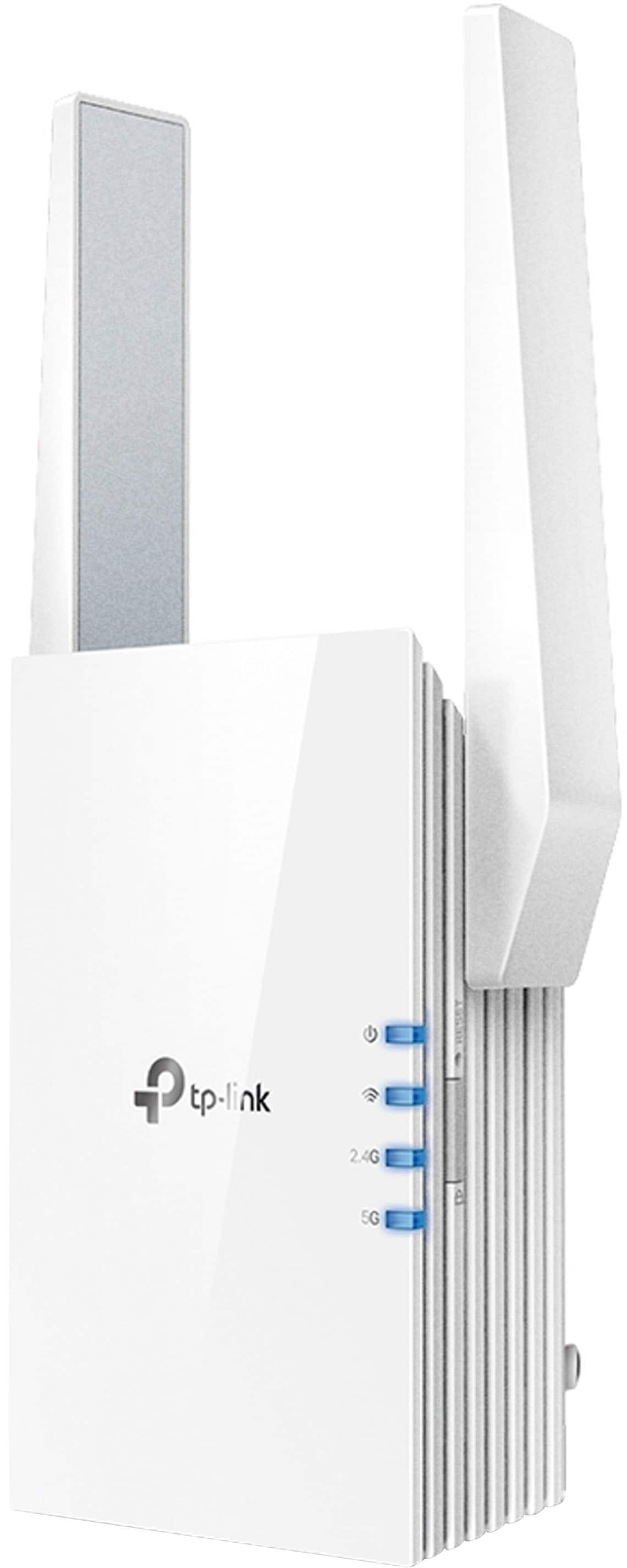
TP-Link - TP- Link RE505X AX1500 Wi-Fi 6 Range Extender - White
SKU: J39QK2RZH5Best WiFi extender...Bought two of these for my home they work great love them...awesome, works as intended, love it. best purchase ever
See all Wi-Fi ExtendersProduct Description
A dual-band Wi-Fi 6 range extender in white that boosts coverage and speed with external antennas.Your price for this item is $59.99Save $20The previous price was $79.99 -
NETGEAR - Nighthawk WiFi 7 Router RS300, 9.3 Gbps, Up to 2,500 sq ft, 100 Devices - Black
SKU: J2VY7Y44LHGreat router way better than my last one night hawk the best...Works great with Glo Finer. Netgear seems to make the best routers.
See all Wi-Fi RoutersProduct Description
A high-speed black tri-band router delivering Wi-Fi 7 performance, advanced security, and coverage for up to 100 devices.Your price for this item is $299.99 -
TP-Link - AX4400 Mesh Dual Band 6-Stream Router - Black
SKU: J39QK2Q738See all Mesh Wi-FiProduct Description
A black dual-band mesh router delivering stable Wi-Fi 6 connections for seamless streaming and gaming.Your price for this item is $164.99



Best Sellers
Related Pages

FAQ
Wireless routers with external antennas typically provide improved signal strength and wider coverage compared to routers with internal antennas. The external antennas can often be adjusted to better direct the Wi-Fi signal throughout your home or office, helping to reduce dead zones and improve overall connectivity.
Many wireless routers with external antennas allow you to upgrade or replace the antennas. This can help boost your Wi-Fi range or tailor the signal to your specific environment. Always check your router’s specifications to ensure compatibility before purchasing new antennas.
Wireless routers with external antennas are generally compatible with most internet service providers, as long as the router supports the connection type (such as cable, DSL, or fiber) used by your ISP. Be sure to verify compatibility with your specific provider and modem.
External antennas can enhance Wi-Fi performance for multiple devices by providing a stronger and more consistent signal throughout your space. This is especially beneficial in households or offices where many devices are connected simultaneously.
For optimal coverage, position the external antennas at different angles—typically, one antenna vertically and another horizontally. This helps distribute the Wi-Fi signal more evenly across multiple floors and rooms. Experiment with antenna placement to find the best configuration for your environment.