Skip to contentGo to Product Search
Main Content
"}}
Skip to contentGo to Product Search
Main Content
Categories & Filters

XLR Cables For Powered Speakers

Find XLR cables for powered speakers to connect compatible mixers, audio interfaces, and other audio sources to your setup. Compare cable lengths and connector configurations to match your speaker inputs and equipment outputs, with enough reach for your layout. XLR cables carry audio signals; powered speakers still need their own power connection.

Read More
Results
Main Results
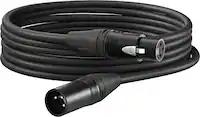
  1. Warm Audio - Premier Series 20' XLR Instrument Cable - Black

    SKU: J3R8HHVQC9

    Product Description

    A black analog audio XLR cable featuring gold-plated connectors, StarQuad construction, and double shielding.
    See all Speaker Wire & Cables
    Your price for this item is $67.99
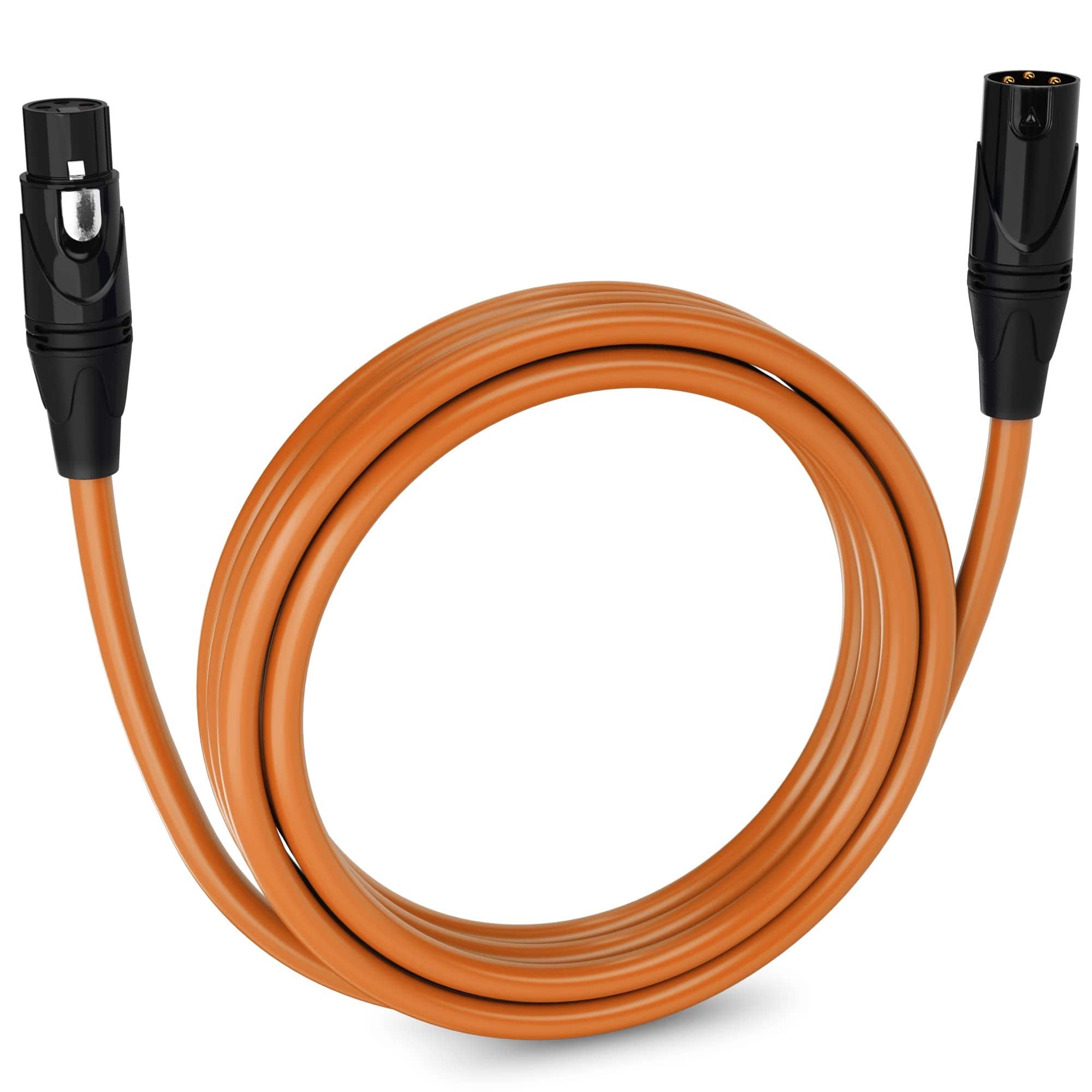
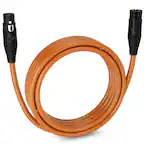
  2. Lyxpro - 10 ft Balanced XLR Cable, Male to Female, 3 Pin Microphone Cable - Orange

    SKU: J39HJSP2LP

    Product Description

    An orange balanced XLR cable with gold-plated contacts ensures clear audio and maximum noise rejection.
    See all Monitor & Video Cables
    Your price for this item is $20.99
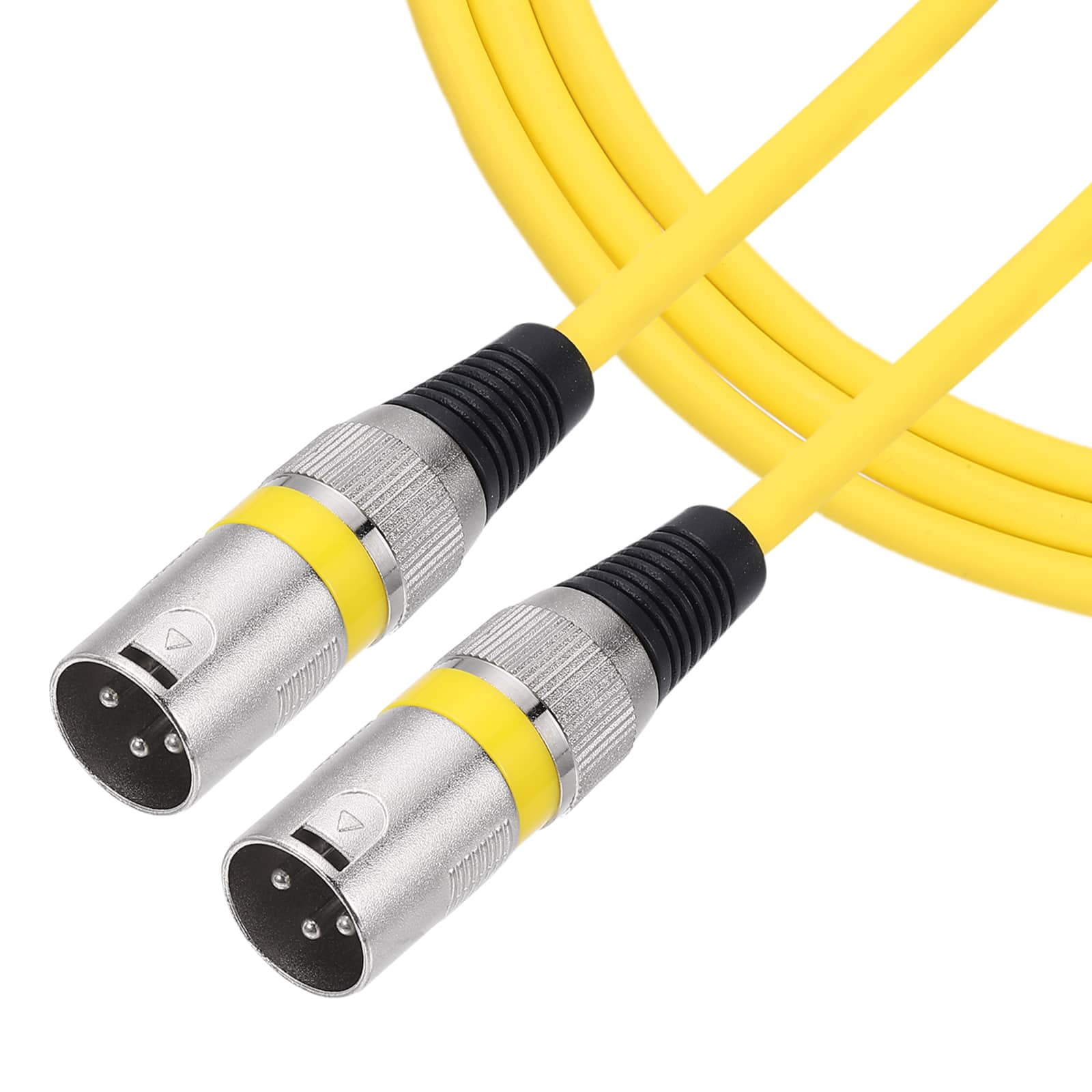
  3. Unique Bargains - 3-Pin XLR Male to Male Microphone Cable with XLR Audio Professional Adapter for Stage Studio PA Systems - Yellow

    SKU: J2FQHR56LV

    Product Description

    A yellow 3-pin XLR male-to-male cable designed for professional stage, studio, and audio system connections.
    See all Monitor & Video Cables
    Your price for this item is $23.49

XLR cables for powered speakers carry balanced audio signals from a mixer, audio interface, or compatible preamp to speakers with built-in amplifiers. Unlike passive speakers, which require an external amplifier and speaker wire, powered speakers typically accept a line-level signal and need their own power connection. A balanced XLR connection uses three pins to carry two signal conductors and a ground or shield connection, helping compatible equipment reject interference picked up along the cable. This makes balanced XLR cables a practical choice for powered PA speakers, active studio monitors, and live sound systems, especially where longer cable runs pass near lighting equipment, power cords, or other electronics. Before choosing an XLR cable for powered speakers, check the output connections on your audio source and the input connections on each speaker. A standard three-pin XLR female-to-male cable commonly connects a mixer’s male XLR output to a powered speaker’s female XLR input, while equipment with balanced 1/4-inch TRS outputs may require TRS-to-XLR cables instead. Choosing the best XLR cables for your powered speaker setup means matching cable length, connector quality, and construction to your listening space or performance environment. Select enough length to route cables safely without stretching connectors, but avoid unnecessary excess that can create clutter or tripping hazards. Look for effective shielding, secure connector housings, and strain relief that helps protect the cable where it meets each plug; flexible jackets can also make microphone and line-level XLR cables easier to coil and transport. For stereo powered speakers or active studio monitors, you will generally need a separate audio cable for each speaker, with the left and right outputs connected to their corresponding inputs. If you plan to link powered PA speakers, confirm that your speakers offer a suitable line-level output and follow the manufacturer’s connection guidance, since output routing can vary. Keep speaker input settings appropriate for a line-level source, start with levels low, and remember that an XLR audio cable does not supply the operating power a powered speaker needs. Properly matched balanced audio cables and careful setup help deliver clean, reliable sound for home studios, presentations, DJ systems, and live performances.

FAQ

XLR cables typically carry balanced, analog line-level audio from a mixer, audio interface, or other compatible source to powered speakers. The speaker’s built-in amplifier then amplifies that signal to drive its speaker components.

A typical connection uses a three-pin XLR cable with a female connector at one end and a male connector at the other. The female end connects to the source’s male XLR output, while the male end connects to the powered speaker’s female XLR input. Check both devices’ connection types before choosing a cable.

Audio mixers, DJ mixers, audio interfaces, and some preamplifiers offer XLR line-level outputs for connecting to powered speakers. If a source uses a different output connector, such as a balanced quarter-inch TRS jack, the connection may require a compatible adapter cable.

Standard XLR audio connections do not supply operating power to powered speakers. These speakers use a separate power source, such as an AC connection or a built-in battery, while the XLR cable carries the audio signal.

A standard balanced, three-pin XLR microphone cable can also carry analog line-level audio to a powered speaker’s compatible XLR input. This is different from the speaker cable used between an external amplifier and a passive speaker, which carries an amplified speaker-level signal.