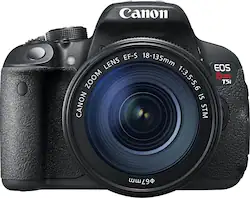
Canon - EOS Rebel T5i DSLR Camera with 18-135mm IS STM Lens - Black
Model: 8595B005
SKU: 8154204
This item is no longer available in new condition. See similar items below
- Key Specs
- Effective Pixels: 18 megapixels (The actual number of pixels which make up the viewable image.)
- General
- Brand: Canon
- Model Number: 8595B005
- Product Name: EOS Rebel T5i DSLR Camera with 18-135mm IS STM Lens
- Color: Black
- Product Set: w/ 18-135mm Lens
- Digital Camera Type: DSLR Camera with Lens
- Imaging
- Image Sensor Type: CMOS (CCD and CMOS are the two main technologies used in image sensors. CCD, the older of the two types, turns analog light signals into digital pixels. This conversion happens without distortion, resulting in high-quality images. Newer CMOS sensors use transistors at each pixel to move electrical charges. CMOS sensors are typically less expensive, but also require more light to create distortion-free images.)
- Image Resolution (Display): 5184 x 3456 (Refers to the number of pixels, both horizontally and vertically, used to either capture an image or display it. The higher the resolution the finer the image details.)
- Low Light/High Sensitivity: true (High sensitivity digital imaging devices are designed to work in low light conditions to produce a high dynamic range image.)
- Image File Format(s): JPEG (Standardized software format(s) of storing digital images. The type of format chosen for capturing and compressing the image can determine quality, level of detail, and storage space required.)
- Focus
- Autofocus: true (Allows the camera to automatically focus through the lens, rather than by adjusting the lens manually.)
- Exposure Control
- Shutter Speeds: 30 - 1/4000 sec. (The length of time the shutter remains open when the shutter release is activated, expressed in fractions of seconds. The longer the shutter is open, the more light that is able to be captured by the camera sensor.)
- Minimum Aperture: 3.5 (The smallest opening of a lens, typically expressed in f-numbers. The larger the number, the smaller the aperture and the less light that can enter the lens. A smaller aperture creates a larger depth of field, which keeps both foreground and background in focus.)
- Maximum Aperture: 5.6 (The limit to how wide a lens can be open, typically expressed in f-numbers. The smaller the number, the larger the aperture and the more light that can enter the lens. A larger aperture creates a shallower depth of field, helpful for keeping subjects in focus and blurring background details.)
- Minimum ISO: 100 (ISO is the measurement of a camera image sensor's light sensitivity. When there is plenty of light, using the lowest ISO setting available will typically result in a higher quality image.)
- Maximum ISO: 12801 (ISO is the measurement of a camera image sensor's light sensitivity. In low-light environments, using a higher ISO setting helps to capture a sharp, bright image.)
- Maximum Expandable ISO: 25600 (ISO is the measurement of a camera image sensor's light sensitivity. Expandable ISO settings use software to simulate brighter images than the device's native ISO range is capable of capturing.)
- Brightness Control: true (Allows the camera to adjust the brightness of a captured image for optimal exposure.)
- Burst Mode: true (Also referred to as continuous shooting. This feature captures multiple shots in rapid succession.)
- Self Timer: true
- Shooting Modes: Scene Intelligent Auto, creative auto, landscape, close-up, sports, special scene modes (night portrait, HDR backlight control), and more (Exposure modes employed by the photographer to control the optimal aperture, shutter speed, ISO, and other settings for capturing specific subjects/scenes. Examples include Aperture-Priority, Macro, and Manual modes.)
- Panorama Mode: false
- White Balance Modes: Auto, preset (daylight, shade, cloudy, tungsten light, white fluorescent light, flash) and more (Settings that calibrates how the color white is rendered in an image/video, reducing the appearance of unnatural contrasts caused by various light sources.)
- Effective Pixels: 18 megapixels (The actual number of pixels which make up the viewable image.)
- Lens
- Lens Mount Compatibility: Canon EF
- Lens Type: Standard Zoom
- Minimum Focal Length: 18 millimeters (The minimum distance between the lens and the image sensor that allows the subject to be in focus. The shorter the focal length, the greater the area of scene captured.)
- Maximum Focal Length: 135 millimeters (The maximum distance between the lens and the image sensor that allows the subject to be in focus. The greater the focal length, the smaller the area of scene captured.)
- Lens Series: Canon EF-S (The product group that the lens belongs to, based on similar shared features.)
- Lens Model Number: EF-S 18-135mm f/3.5-5.6 IS STM
- Flash
- Flash Modes: Red-eye reduction (The flash feature emits light to increase the brightness of a subject in dimly lit environments. Common modes include Auto and Red-Eye Reduction.)
- Integrated Flash: true
- External Flash Mount: Hot Shoe (A cold shoe is a mounting point on top of a camera to securely attach a flash unit or other compatible accessories. A hot shoe is a cold shoe with an electrical connection that insures communication and synchronization between camera and accessory.)
- Display
- Display Type: LCD
- Screen Size: 3 inches (Size of the screen, measured diagonally from corner to corner.)
- Viewfinder Type: Optical (A viewfinder is the part of a camera (or attachment) that allows you to see and focus a scene in frame. Optical viewfinders let you view the scene directly through the lens. Electronic viewfinders display the image on a screen in its approximate final form.)
- Viewfinder Magnification: 0.85 times (The measurement of the apparent size of the image in the viewfinder compared to how it would be seen with the naked eye.)
- Touch Screen: true (Touch-screen devices make navigating more intuitive. Using a touch-screen display, you can do things such as tap to select, hold and drag to move items, swipe to scroll, and pinch to zoom.)
- Video
- HDR Mode: false (HDR Mode uses multiple photos taken at different exposures to add more dynamic range to photographs. HDR technology displays content with greater contrast between bright and dark, resulting in clearer and more lifelike images.)
- HD Movie Mode Focus: Manual
- Storage
- Number of Memory Card Slots: 1
- Compatibility
- Tripod/Monopod Mountable: true (A support function that allows the device to be mounted to monopods and tripods for leveling and stability.)
- Memory Card Compatibility: Secure Digital High Capacity (SDHC), Secure Digital, Secure Digital Extended Capacity (SDXC) (The type of memory card(s) recommended for use with the product.)
- Remote Compatible: true
- Features
- Face Detection: true (A function that automatically detects human faces and then sets focus and appropriate exposure to capture them.)
- Smile Mode: false (When enabled, this mode works in conjunction with face detection to automatically take a photo when a smile is detected.)
- Integrated GPS: No
- Records Audio: true
- Connectivity
- PictBridge Enabled: true (PictBridge allows digital cameras, camcorders and other image capture devices to connect and print directly to photo printers and other output devices without using a computer.)
- Power
- Rechargeable Battery: true
- AC Adapter Compatible: true (The device is able to be charged using an external power adapter which meets input and output voltages specified by the manufacturer.)
- Removable Battery: true
- Battery Model: LP-E8 (The model number of the battery necessary for operation of the device.)
- Number of Batteries Required: 1
- Included
- Number of Lenses Included: 1
- Camera Bag/Case Included: false
- Batteries Included: true (Indicates whether the product comes with the required batteries for its operation.)
- AC Adapter Included: true (An external power adapter is included for operation.)
- Memory Card Included: false (Indicates whether a memory card is included.)
- Dimensions
- Product Height: 3.9 inches (The out of box height of the item. Height is measured as the vertical distance from the bottom of the item to the top as it would be primarily used or placed.)
- Product Width: 5.2 inches (The out of box width of the item. Width is measured as the horizontal distance from one side of the item to the other as it would be primarily used or placed.)
- Product Depth: 3.1 inches (The out of box depth of the item. Depth is measured as the distance from the front of the item to the back as it would be primarily used or placed.)
- Product Weight: 19.2 pounds (The out of box weight of the item.)
- Camera Body Weight: 1.15 pounds
- Other
- UPC: 013803222449
Canon EOS Rebel T5i DSLR Camera with 18–135mm Lens: Built to make advanced photography easy and fun, this DSLR camera gives you exceptional image quality, along with a host of features to enhance your creative expression. Plus, a variety of automatic functions optimize settings for your given subject type, lighting conditions and desired effects, to make this a highly user-friendly camera.
Memory card sold separately.
- EF-S 18–135mm f/3.5–5.6 zoom lens provides versatility: This focal range is great for everyday shots, including everything from gorgeous landscapes to exceptional close-ups.
- 18.0-megapixel hybrid CMOS sensor delivers vividly detailed high-resolution images: Phase detection and contrast detection track subjects at all times in both camera and video modes for superior focus.
- ISO 100–12,800 (expandable to 25,600) means low-light photos are crisp and clear: Shoot confidently without sacrificing detail, even in extremely low light.
- Capture fast-action shots at up to 5 fps (frames per second): This burst mode is not only fast, but also utilizes 9 focus points to keep images sharp even in challenging high-speed shooting situations.
- 3.0" Clear View II LCD Monitor provides clear viewing and playback: High-resolution display remains clear even in bright light, and features tilt and swivel capability, plus easy-to-use touch-screen controls.
- Capture spectacular movies in full 1080p HD: Offers the ability to shoot in 1080p full HD video in a number of recording sizes and frame rates, with continuous autofocus tracking of moving subjects.
- Optical viewfinder helps you frame the shot: Provides 95% coverage and approximately 0.85x magnification.
- Live View preview allows you to see the effects before taking the shot: Apply any of 7 creative filters and preview the results on the 3" LCD touch screen without having to shoot the image first.
- Optical image stabilization: Compensates for camera shake so you can utilize slower shutter speeds (up to 4 stops slower) for enhanced light and dramatic effects without image blur.
- HDR (High Dynamic Range) combines your shots to make them better: In HDR modes, multiple shots are combined within the camera to create the best quality image based on all of the shots taken.
- Selectable scene modes determine optimal settings based on the subject: Choose from Scene Intelligent Auto, creative auto, landscape, close-up, sports, special scene modes (night portrait, HDR backlight control), and more.
- Face-detection technology puts everybody in their best light: Analyzes the image color, brightness and contrast, choosing the exposure and enhancements to create the best shot.
- Built-in flash features multiple modes for optimal lighting conditions: Choose from flash-ready, flash-exposure compensation, high-speed sync and red-eye reduction.
- 7.5x optical zoom: Enables precise zooming and accuracy.
- Multiformat memory card slot for storing or transferring data: Accepts a variety of memory cards, including SD, SDHC and SDXC formats.
- Store more photos!: Find compatible memory cards in our Memory Card Finder.
Whats Included
- Canon EOS Rebel T5i DSLR Camera
- 18-135mm IS STM lens
- Battery pack (LP-E8), battery charger (LC-E8E)
- Interface cable
- Camera cover (R-F-3), strap (EW-100DBIV), eyecup
- EOS digital solution disc
- Owner's manual
A: undefined
Q: Does the camera come with memory card
A: Unfortunately no
Q: How much zoom will be with lens 75-300 mm
A: undefined
People also viewed
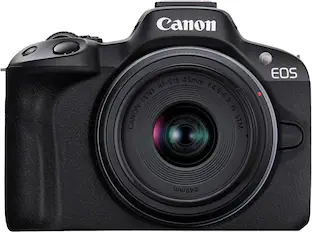 $799.99The price was $899.99
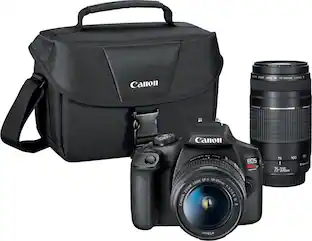 $649.99The price was $699.99
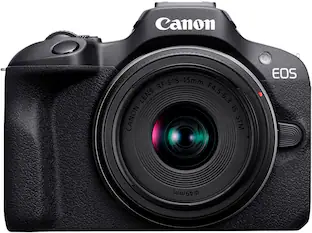 $509.84The price was $679.99
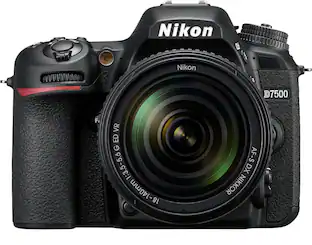 $999.95The price was $1,499.95
 $449.95The price was $479.95
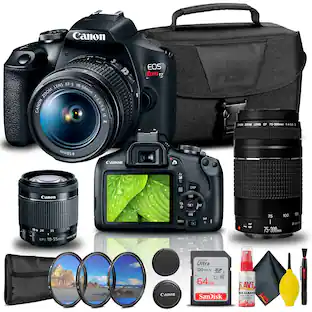 $769.95The price was $774.95
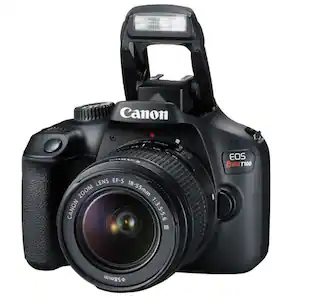 $399.00The price was $494.99
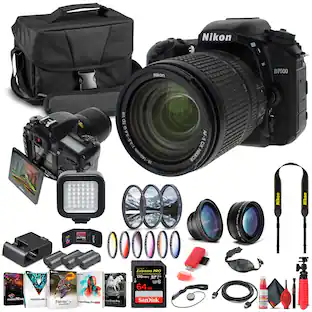 $1,299.95The price was $1,309.95



Today's top picks
 $199.99The price was $249.99
 $479.99The price was $729.99
 $789.99The price was $1,049.99
 $799.99The price was $1,199.99