PopMarket - Hair: Passacaglia on the Chorale - Multicolor
Reviews coming soon
About this product
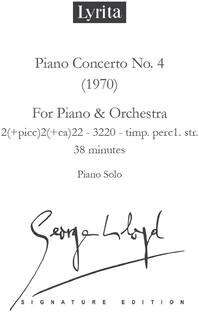
Passacaglia on the chorale 'Komm, Gott Schopfer, Heiliger Geist' by J S Bach is based on a chorale melody derived from the famous plainsong hymn Veni Creator Spiritus. This is the 'ground bass' on which this Passacaglia is built. However, like many Passacaglias in the Canonic Repertoire, the theme often strays into the upper voices of the texture, and because of the relative length of the theme, it has something of the sense of a set of variations as much as of a Passacaglia. The chorale melody modifies the plainsong melody somewhat by moving it's third cadence from the sub-dominant to the dominant, thus creating something of a sense of the confluence of authentic and plagal modes. In some variations I have modified the tune further, to create Phrygian and other modal structures, authentic and plagal. Finally, each of the 12 variations bases the melody on a different tone-centre (plus it's authentic or plagal structures) encompassing all 12 tone-centres (B-flat, E, F-sharp, E-flat, F, A, D, C-sharp, G, A-flat, B, C) over the course of the piece.
Features
SPECIAL PRODUCTS
HAIR,GRAHAM Studio/Label/Brand: Nimbus Alliance
Classical Artists
Specifications
- BrandPopMarketModel Number9790708219224Product NameHair: Passacaglia on the ChoraleColorMulticolorTitleHair: Passacaglia on the ChoraleUPC9790708219224
Reviews
This product doesn't have any reviews yet.
Compare similar products
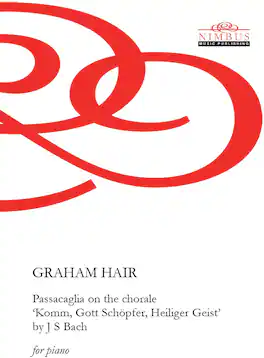
Passacaglia on the chorale 'Komm, Gott Schopfer, Heiliger Geist' by J S Bach is based on a chorale melody derived from the famous plainsong hymn Veni Creator Spiritus. This is the 'ground bass' on which this Passacaglia is built. However, like many Passacaglias in the Canonic Repertoire, the theme often strays into the upper voices of the texture, and because of the relative length of the theme, it has something of the sense of a set of variations as much as of a Passacaglia. The chorale melody modifies the plainsong melody somewhat by moving it's third cadence from the sub-dominant to the dominant, thus creating something of a sense of the confluence of authentic and plagal modes. In some variations I have modified the tune further, to create Phrygian and other modal structures, authentic and plagal. Finally, each of the 12 variations bases the melody on a different tone-centre (plus it's authentic or plagal structures) encompassing all 12 tone-centres (B-flat, E, F-sharp, E-flat, F, A, D, C-sharp, G, A-flat, B, C) over the course of the piece.
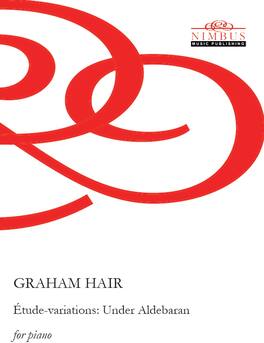
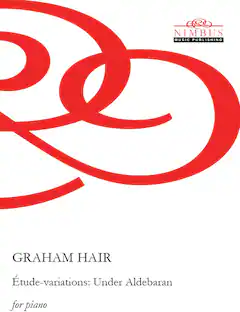
Etude-variations Under Aldebaran is also a Concert Study, based on the poem by Australian poet James McAuley, but is very different from the collection of the 'Transcendental' 12. It's the only atonal piece in this album, and by far the most complicated in it's detail, and was written many years earlier. It consists of an introduction (wherein 8 fragmentary figures are laid out by a handful of notes), followed by 8 variations on each figure in turn (in 3 different tempi), concluding with a 'whispering' coda in the piano's high register.
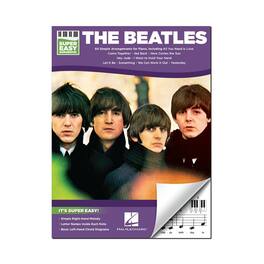
Perform timeless rock and roll hits with The Beatles Super Easy songbook. It includes 60 songs has basic left-hand chord diagrams, easy-to-follow right-hand melodies and letter names on each note. There are no page turns in The Beatles Super Easy songbook, so you can focus on learning quickly and efficiently.
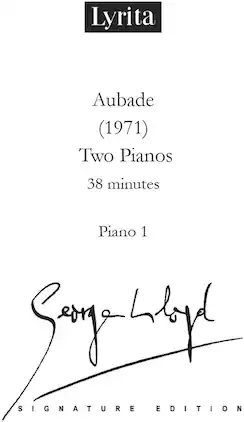
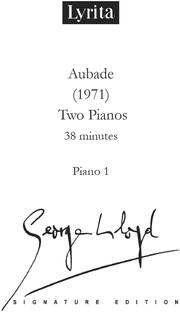
Aubade, a fantasy for two pianos, was written during the summer of 1971, for John Odgon and Brenda Lucas. It is in one continuous movement, divided into sections, linked by an introductory theme. The titles of the eight sections are Introduction; Dance of the Charcoal Burners; The March of the Tin Soldiers; Love Duet; Waltz; Bells, Monks and Lutherans; Moths; Finale. As Edward Seckerson observed of Aubade, 'It's a fun piece, easy on the listener, demanding for the soloists'
Specs
Customers often buy these together
More to consider

Immerse yourself in sound Sponsored
Best Choice Products 39in Full Size Beginner Electric Guitar Kit with Case, Strap, Amp, Whammy Bar
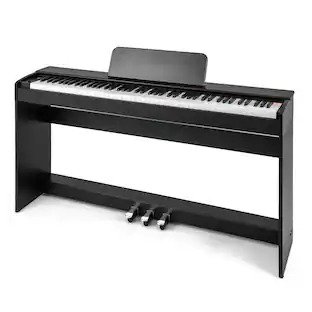
$139.99The price was $189.99Costway 88-Key Hammer Action Weighted Keyboard Electric Piano with Stand & Triple Pedals
Black Friday Deal$279.99The price was $539.98Best Choice Products 38in Beginner Acoustic Guitar Starter Kit w/ Gig Bag, Strap, Extra Strings
$54.99The price was $74.99