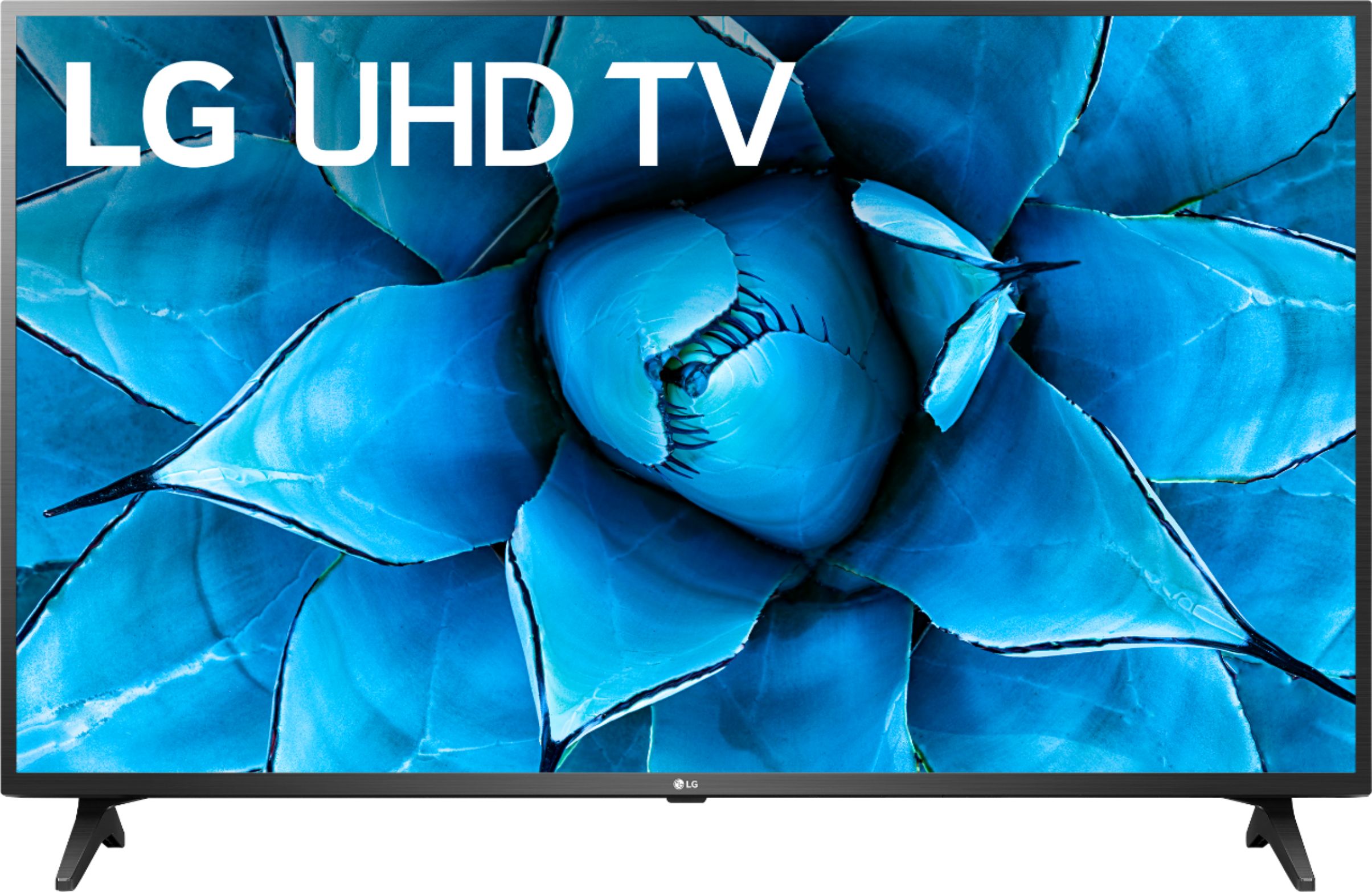
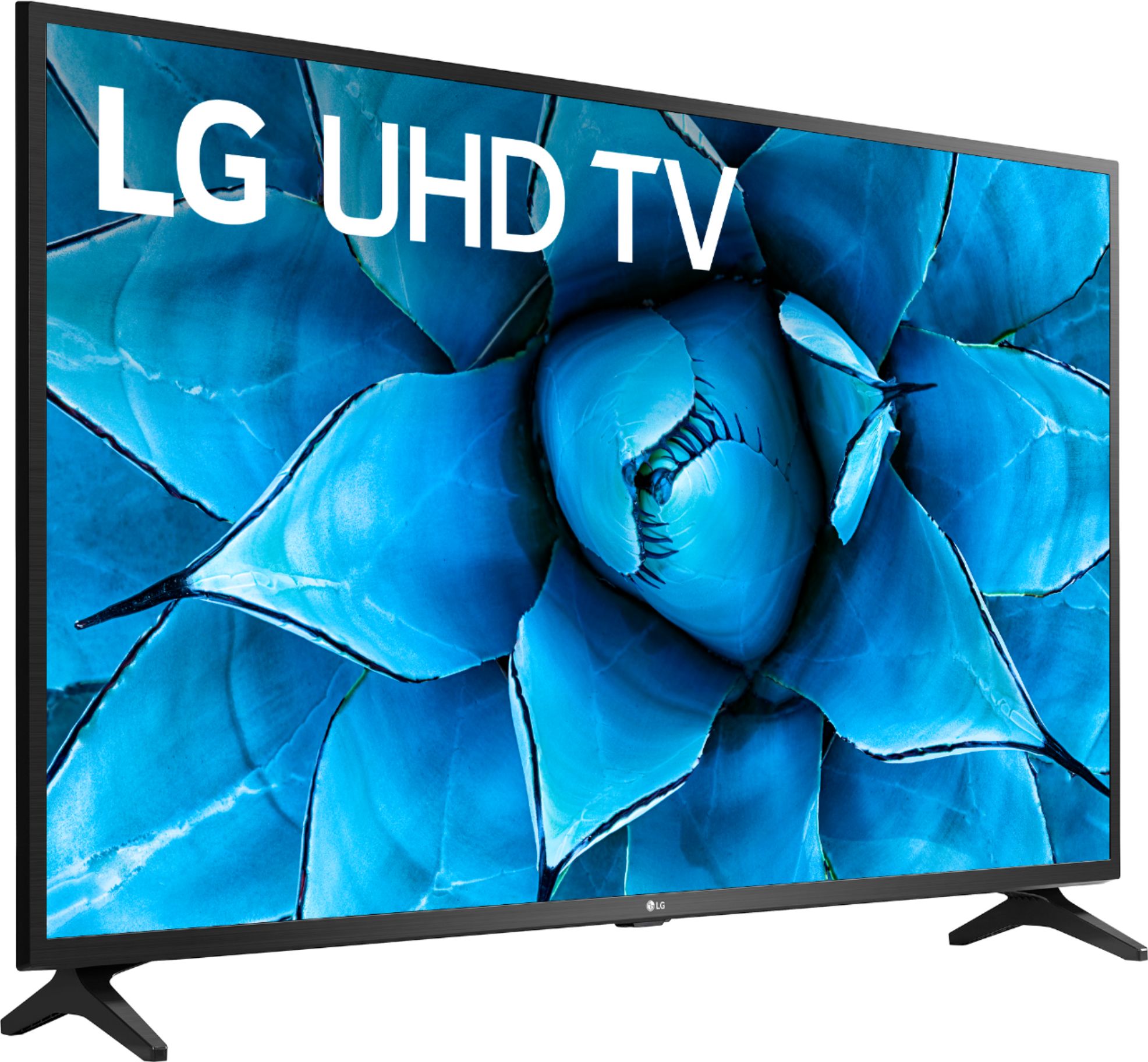
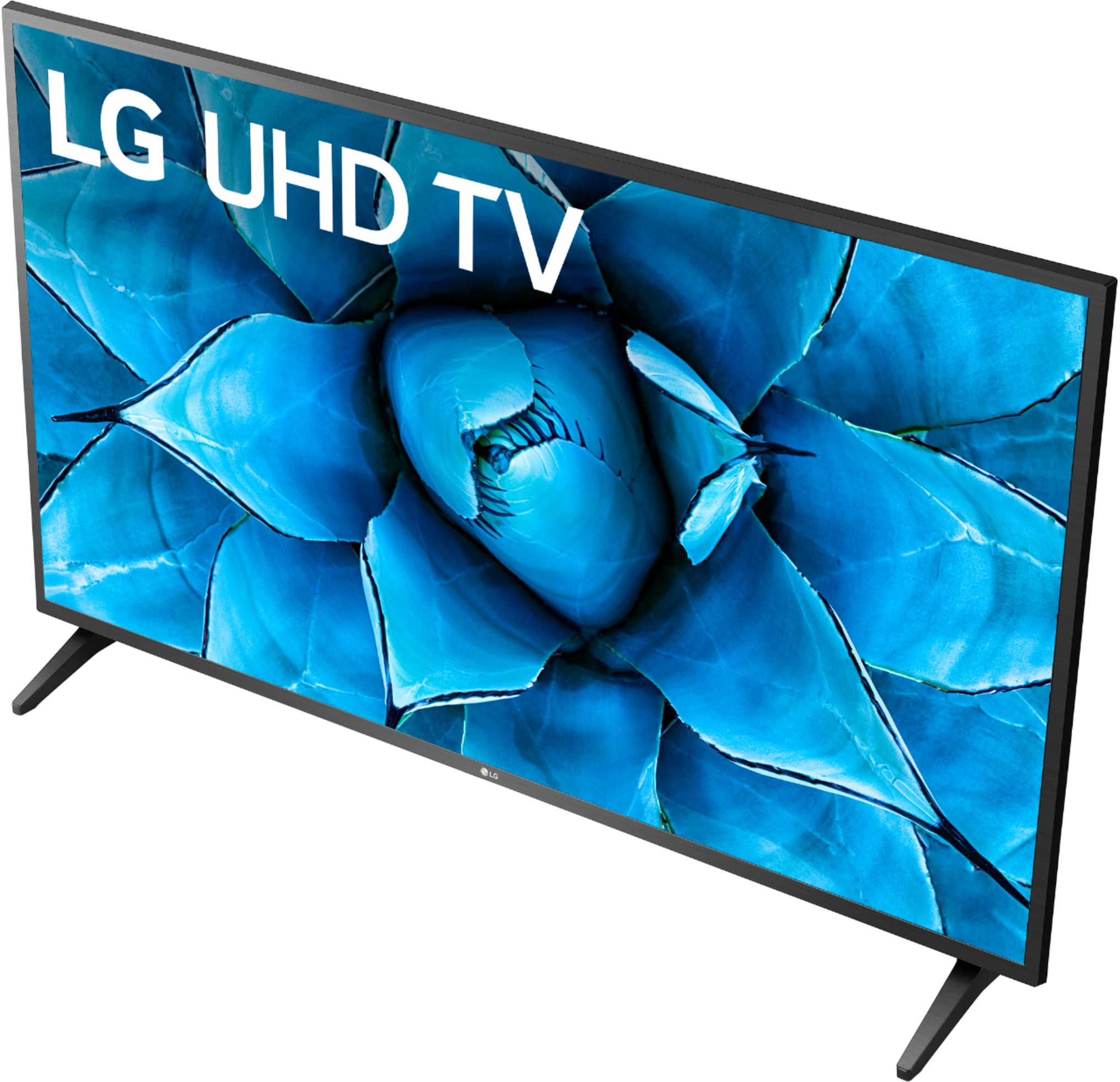
A:Answer The majority of TVs that are currently available in the market are LCD TVs, then there are OLED TVs which is an entirely different technology. LED TVS are LCD TVs that use an array of smaller, more efficient light-emitting diodes (LEDs) to illuminate the screen. Since the technology is better, all LCD TVs now use LED lights and are colloquially considered LED TVs. OLder LCD TVs used used cold cathode fluorescent lamps (CCFLs) to provide lighting. The LEDs in an LED TV use less power, provides a brighter display with better contrast, a thinner panel, and lesser heat dissipation than a conventional LCD TV. OLED is short for organic light-emitting diode and they produce their own light and OLED TVs are almost as flat as wallpaper. In an OLED panel, organic films are placed between semiconductors, then supplied with an electrical current, which effectively means that each and every pixel can be switched on and off individually. This process simultaneously uses less power to create more brightness, and makes total black possible. So video that features both darkness and extreme brightness, such as a star-filled night sky, looks realistic. With unlimited contrast, it means the whitest whites and the darkest blacks – and everything in between...^IFV