“Water Level Hi, I purchased this washer, and I like it, but have yet to figure out the cycles. I know that the water level is set by the weight of the clothes, and the cycle, but it would be nice to have some documentation that states how the choice of the cycle effects the water level. I put a load of jeans in the washer and chose the Heavy Duty cycle. The water level was so unbelievably low that several pairs of jeans remained above the water level the whole time. And following the wash cycle, these pants had soap residue on them. I tried this again, with jeans on the normal cycle, and they seemed to fair better. Is there any info that will show how the WATER LEVEL is effected by the choice of the cycle, & the choice of the Soil Level?? Thanks!”
Answer This Question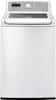
1-2 of 2 Answers
You're correct that Samsung's HE top loaders, including the WA5451ANW, use weight sensors to help determine how much water to add to the wash, and that the cycles and options can also impact the amount of water that is used, which ranges from about 16-19 gallons per cycle. There is no chart available, however, that correlates the effect of the various factors to the specific amount of water. It's important to note that the amount of water used in HE top load washers is significantly less than traditional top loaders which can use as much as 45 gallons or more during a typical cycle. These new washers are not designed to submerge clothes in water, but rather to circulate the clothes through the water and the water back over the clothes. This is made possible by the stainless steel pulsator which creates a "blossoming" action as it tumbles the clothes, and Samsung's recirculating pump which takes the water from the bottom of the drum and circulates it back over the top of the clothes during each portion of the cycle. In some cases, it may be helpful to reduce the size of the load to ensure proper performance, which may be the case with heavy items like jeans. To ensure your washer is using the right amount of water, check the inlet hose screens on the back of the washer for blockage, and make sure the hoses are not bent or kinked, the water valves are turned on all the way, and your home's water pressure is at the recommended 20-116 psi. Thank you, Ms. Samsung
Sorry, there was a problem. Please try again later.Couldn't agree more. I read the manual (I love manuals) and was really disappointed with its content. It said things like 'heavy duty' for heavily soiled clothes. Or 'sanitize' to sanitize your clothes. Seriously, I get better manuals from mechanical pencils! I still don't know how most of the features work and what they do to my clothes and their website doesn't help much either. Their manual is the only thing that left me regretting the purchase.
Sorry, there was a problem. Please try again later.